Ordinary Drink
Daiquiri
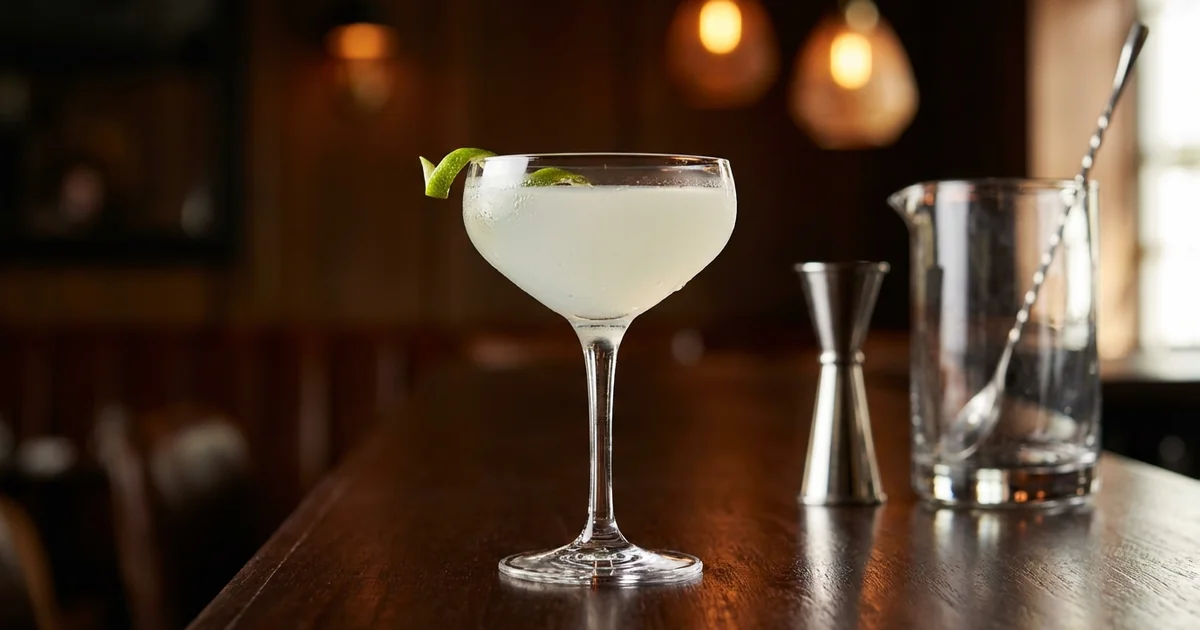
Der Daiquiri ist ein erfrischender Cocktail, der aus Rum, frischem Limettensaft und Zucker besteht. Ursprünglich aus Kuba stammend, besticht er durch seine einfache, aber ausgewogene Mischung aus süßen und sauren Aromen. Perfekt für warme Tage, wird er oft auf Eis serviert oder als gefrorene Variante genossen.
- sauer
- frisch
- fruchtig
- leicht
- Prep Time
- 5 min
- Glass
- Cocktail glass
- Difficulty
- Easy
- ABV
- 16%
- Yields
- 1 serving
Der Daiquiri ist ein ordinary drink mit Rum im Mittelpunkt, fertig in 5 Minuten. Das Ergebnis: ein sauer and frisch Genuss, der jede Minute wert ist. Regelmäßig unter den Top-Suchanfragen für "Sommer".
Key Takeaways
What you’ll learn
- The authentic classic daiquiri uses only three ingredients: white rum, fresh lime juice, and simple syrup in a 2:1:0.75 ratio that has been perfected over a century.
- Vigorous shaking for 15–20 seconds is non-negotiable — proper dilution (approximately 25% water) is what makes the drink balanced rather than harsh.
- Fresh lime juice is essential; bottled juice lacks the aromatic oils and bright acidity that define the cocktail.
- The original daiquiri was created around 1898–1900 by American mining engineer Jennings Cox near Santiago de Cuba, and later perfected at El Floridita in Havana.
- The classic daiquiri bears almost no resemblance to frozen, sugary versions — it is a sophisticated, spirit-forward cocktail served up in a chilled coupe.
Advertisement
Ingredients
- Serves
- 1 serving
- Glass
- Cocktail glass
- Prep
- 5 min
- 1 1/2 ozLight rum
- Juice of 1/2Lime
- 1 tspPowdered sugar
Method
Preparation
- 01
Gießen Sie alle Zutaten mit Eiswürfeln in einen Shaker. Gut schütteln. In ein gekühltes Cocktailglas abseihen.
Origin
History & Origins
Few cocktails embody the elegance of simplicity quite like the classic daiquiri. Born in the copper mines of Cuba at the turn of the 20th century and perfected in the legendary bars of Havana, this three-ingredient masterpiece captured the hearts of icons like Ernest Hemingway and John F. Kennedy.
The daiquiri was likely invented around 1898–1900 by Jennings Cox, an American mining engineer working near Santiago de Cuba in a village called Daiquirí. The story goes that Cox ran out of gin while entertaining American guests and substituted the local rum, adding lime and sugar to make it more palatable. The drink remained a regional specialty until it made its way to Havana, where it was refined and popularized at El Floridita bar — "the cradle of the daiquiri." The bar's legendary bartender, Constantino Ribalaigua Vert, is credited with perfecting the recipe and creating numerous variations.
The drink remained a regional specialty until it made its way to Havana, where it was refined and popularized at El Floridita bar — "the cradle of the daiquiri." The bar's legendary bartender, Constantino Ribalaigua Vert, is credited with perfecting the recipe and creating numerous variations.
Ernest Hemingway famously made El Floridita his second home during his years in Cuba (1939–1960). His preferred variation — the Hemingway Daiquiri or "Papa Doble" — doubled the rum, eliminated the sugar, and added grapefruit juice and maraschino liqueur. A plaque at his favorite corner of the bar reads: "My mojito in La Bodeguita, my daiquiri in El Floridita." The daiquiri became enormously popular in the United States during the 1940s–50s, served at sophisticated cocktail lounges and enjoyed by presidents. The craft cocktail renaissance of the early 2000s restored the classic to prominence, and today any respectable cocktail bar proudly serves an authentic daiquiri as a benchmark of fundamental skills.
Advertisement
Bartender’s Insight
Pro Tips
Verwenden Sie weißen Rum für klassische Klarheit
From Kai
Frischer Limettensaft ist unverzichtbar
Einfacher Sirup sollte im Verhältnis 1:1 sein
In einem gekühlten Schaukelglas servieren
At the Table
Perfect Pairings
Beyond the Classic
Variations
Gefrorener Daiquiri
Mit Eis gemischt für eine cremige, schneeartige Textur
Erdbeer-Daiquiri
Fügt frische Erdbeeren für eine fruchtiger und erfrischendere Variante hinzu
Hemingway-Daiquiri
Enthält Grapefruitsaft und Maraschino-Likör, komplexer als der Klassiker
Watch
See it in action
Questions
Frequently Asked
- The Daiquiri has a flavor profile that is sauer, frisch, fruchtig, leicht. It is crafted to balance these characteristics into a harmonious, satisfying drink that appeals to a wide range of palates.
- The Daiquiri is ideal for Sommerpartys, Cocktailempfänge, Strandurlaube. Its flavor profile and presentation make it a versatile choice that works equally well as a social cocktail or a relaxed evening drink.
- Yes, there are several ways to adapt a Daiquiri. If you cannot source Light rum, look for a similar alternative that matches its flavor profile. Keep in mind that substitutions may alter the balance of the cocktail, so start with a smaller quantity and adjust to taste. The variations section above lists popular alternatives bartenders use.
- Some of the most popular Daiquiri variations include Gefrorener Daiquiri, Erdbeer-Daiquiri, Hemingway-Daiquiri. Each variation puts a unique twist on the original recipe while retaining the essential character of the classic cocktail.
- The Daiquiri is traditionally served in a Cocktail glass. Using the right glassware is important because it affects the aroma, temperature retention, and overall drinking experience. If you do not have a Cocktail glass on hand, a similar shaped glass will work.
- Yes, a mocktail version of the Daiquiri is possible. Replace the base spirit with a non-alcoholic spirit alternative (there are many quality options available) and keep all other components the same. The result will capture much of the original's flavor profile while being suitable for guests who prefer alcohol-free options.
Other Rum Cocktails
Bounty Hunter
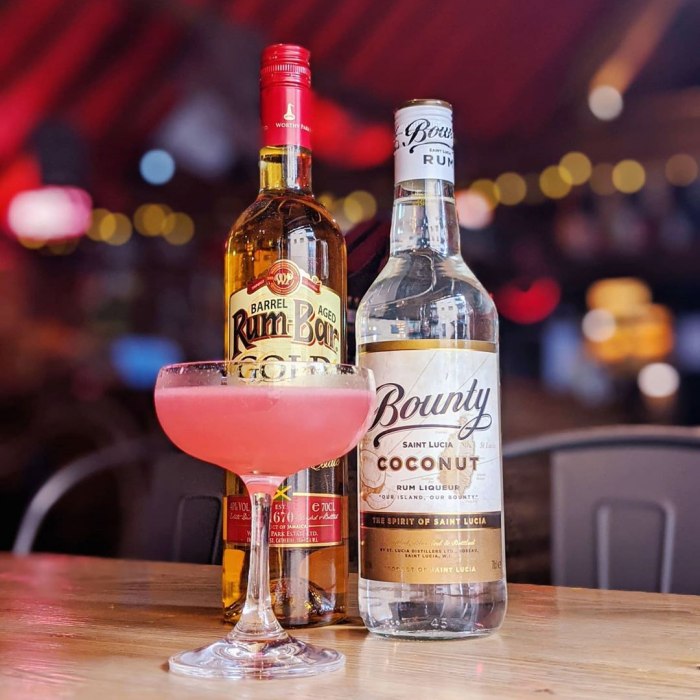
Der "Bounty Hunter" ist ein exotischer Cocktail, der die Aromen tropischer Früchte mit einem Hauch von Rum vereint. Er begeistert mit einer erfrischenden Mischung aus Ananas, Kokosnuss und einem Spritzer Limette, perfekt für einen sonnigen Tag oder einen entspannten Abend. Ein echter Genuss für alle, die das Abenteuer lieben!
Frozen Daiquiri
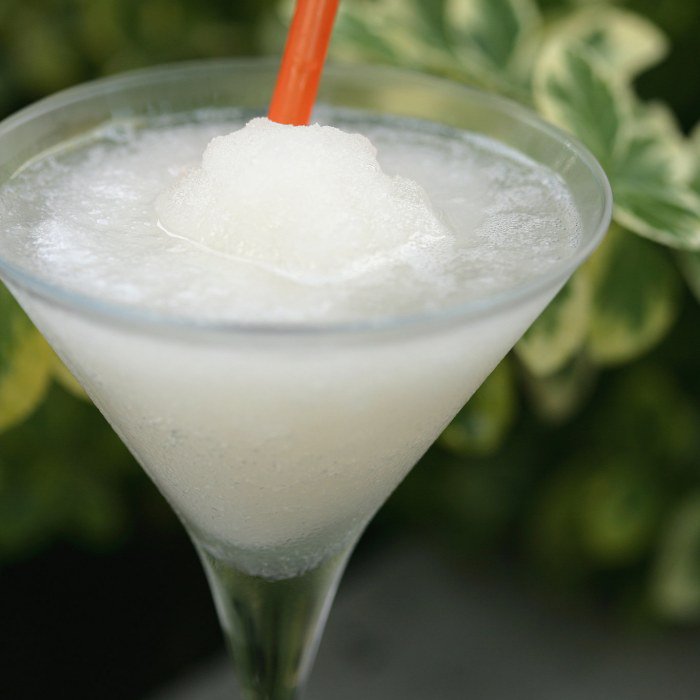
Der Frozen Daiquiri ist ein erfrischender Cocktail, der aus gefrorenen Früchten, Rum, Limettensaft und Zucker besteht. Diese köstliche Mischung wird in einem Mixer zubereitet, bis sie eine slushige Konsistenz erreicht, und ist perfekt für warme Tage oder als fruchtiger Genuss. Mit seinem süßen und sauren Geschmack ist der Frozen Daiquiri ein beliebter Klassiker in vielen Bars und Strandresorts.
Casa Blanca
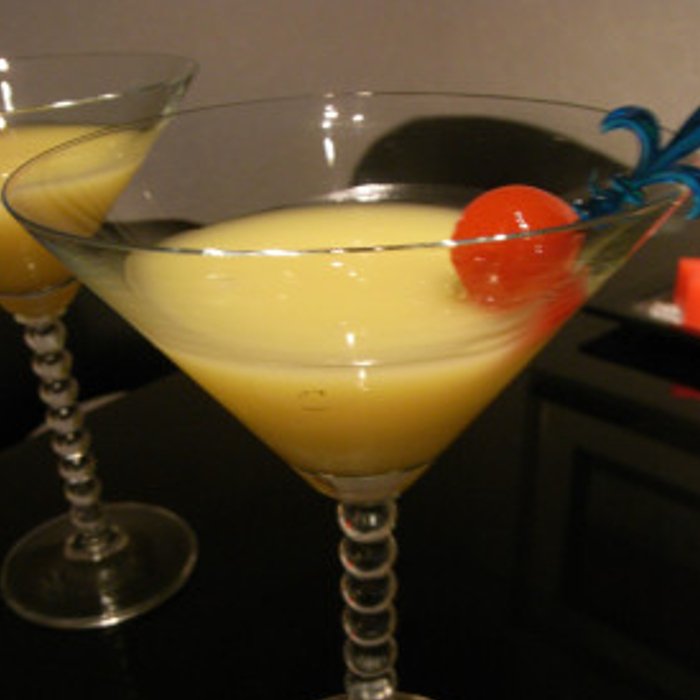
Der Casa Blanca ist ein erfrischender Cocktail, der mit einer harmonischen Mischung aus weißem Rum, Triple Sec, Limettensaft und einem Hauch von Grenadinesirup zubereitet wird. Sein fruchtiger Geschmack und die leichte Süße machen ihn zu einem perfekten Begleiter für warme Sommerabende. Genießen Sie diesen eleganten Drink in einem stilvollen Glas, garniert mit einer Limettenscheibe oder einer Kirsche.
Bacardi Cocktail
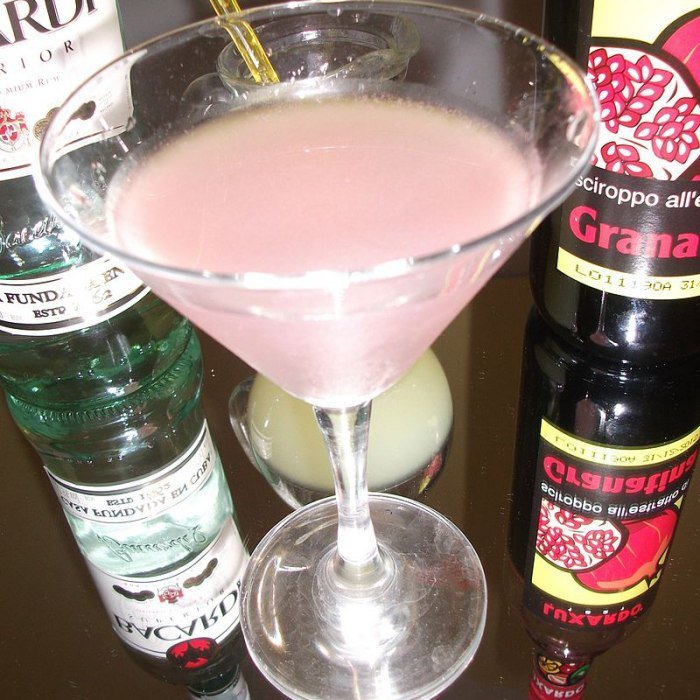
Der Bacardi Cocktail ist ein erfrischender und fruchtiger Drink, der aus Bacardi Rum, Limettensaft und Grenadinesirup besteht. Diese Kombination verleiht ihm eine lebendige rote Farbe und einen ausgewogenen Geschmack, der perfekt für heiße Sommertage ist. Genießen Sie diesen klassischen Cocktail als Highlight jeder Feier!
Other Sommerpartys Cocktails
Vodka Tonic
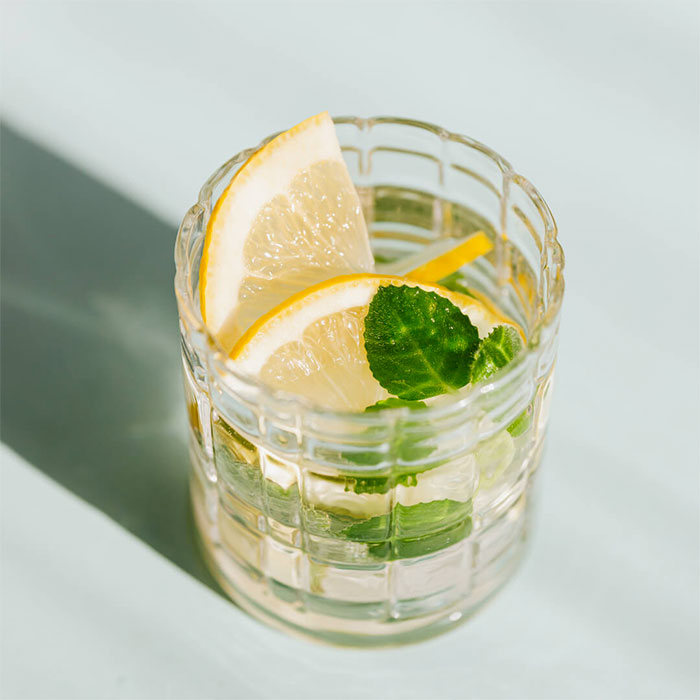
Der Vodka Tonic ist ein erfrischender Cocktail, der aus hochwertigem Wodka und spritzigem Tonic Water besteht. Mit einem Spritzer Limette oder Zitrone verfeinert, bietet er eine perfekte Balance zwischen der sanften Schärfe des Wodkas und der prickelnden Frische des Tonic Waters. Ideal für warme Sommerabende oder gesellige Runden!
Kool-Aid Shot
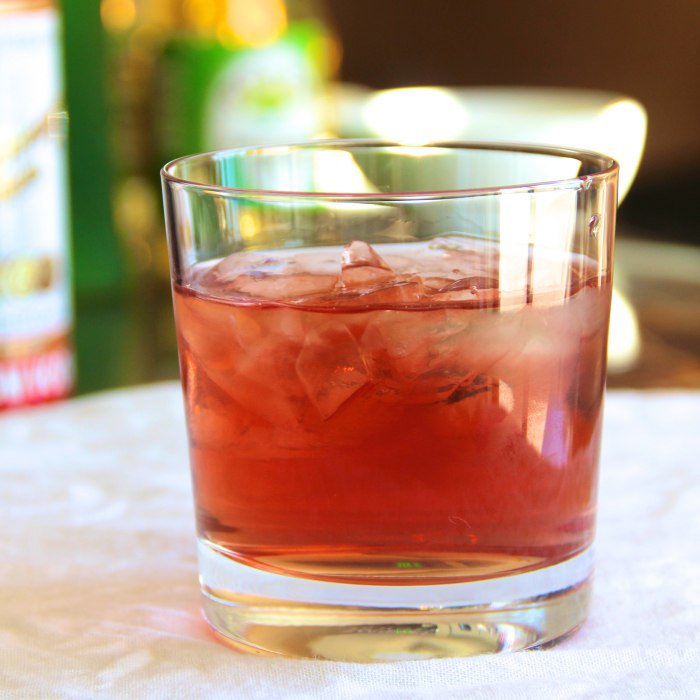
Der Kool-Aid Shot ist ein fruchtiger und farbenfroher Cocktail, der mit verschiedenen Geschmacksrichtungen von Kool-Aid und Wodka zubereitet wird. Diese erfrischende Mischung sorgt für einen süßen und spritzigen Genuss, der perfekt für Partys und gesellige Runden ist. Seine lebendige Farbe und der süße Geschmack machen ihn zu einem beliebten Highlight an jeder Bar.
Bounty Hunter
Der "Bounty Hunter" ist ein exotischer Cocktail, der die Aromen tropischer Früchte mit einem Hauch von Rum vereint. Er begeistert mit einer erfrischenden Mischung aus Ananas, Kokosnuss und einem Spritzer Limette, perfekt für einen sonnigen Tag oder einen entspannten Abend. Ein echter Genuss für alle, die das Abenteuer lieben!
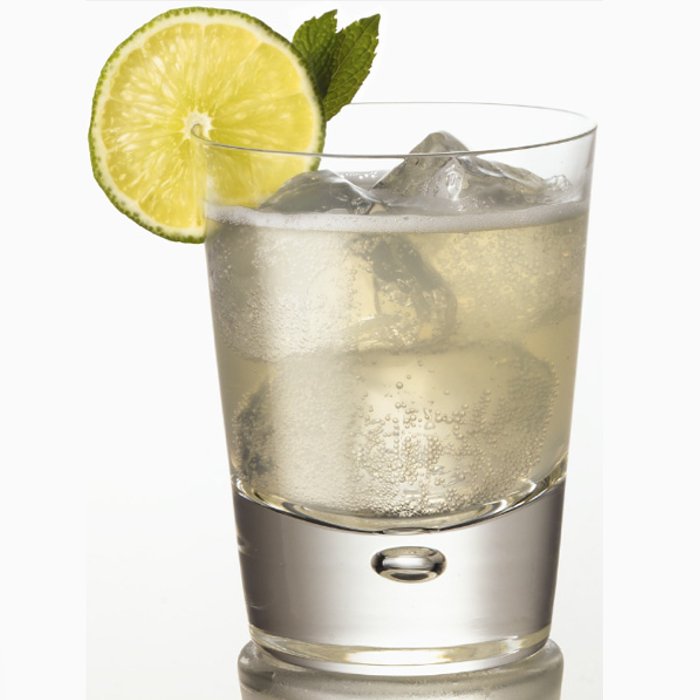
Rail Splitter
Der Rail Splitter ist ein erfrischender Cocktail, der mit einer harmonischen Mischung aus Bourbon, frischem Zitronensaft und einem Hauch von Honig zubereitet wird. Diese köstliche Kombination bietet eine perfekte Balance zwischen süßen und sauren Aromen, die den Gaumen verwöhnen. Ideal für gesellige Abende oder als Genuss nach einem langen Tag.
Similar Flavor Profiles
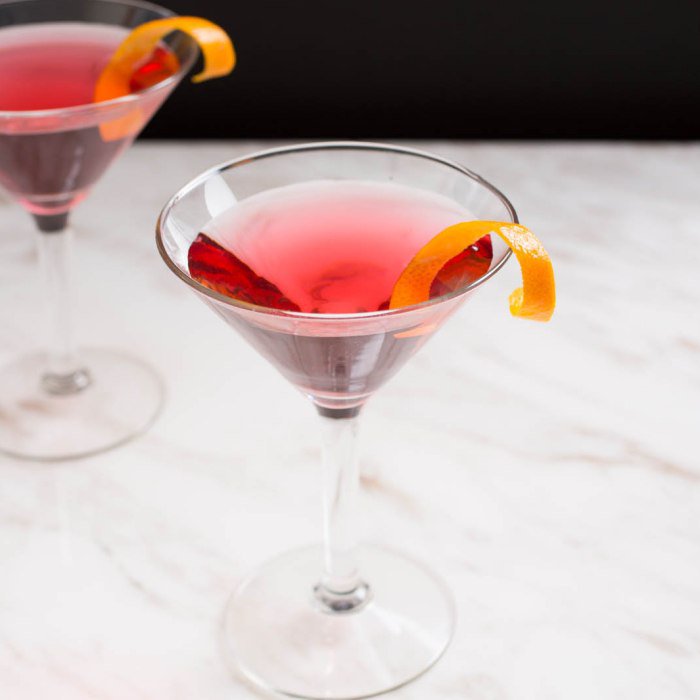
Cosmopolitan
Der Cosmopolitan ist ein eleganter Cocktail, der aus Wodka, Triple Sec, Cranberrysaft und frischem Limettensaft besteht. Mit seiner leuchtend rosa Farbe und erfrischenden Aromen ist er ein beliebter Drink in Bars und bei besonderen Anlässen. Perfekt für alle, die einen fruchtigen und spritzigen Genuss suchen!
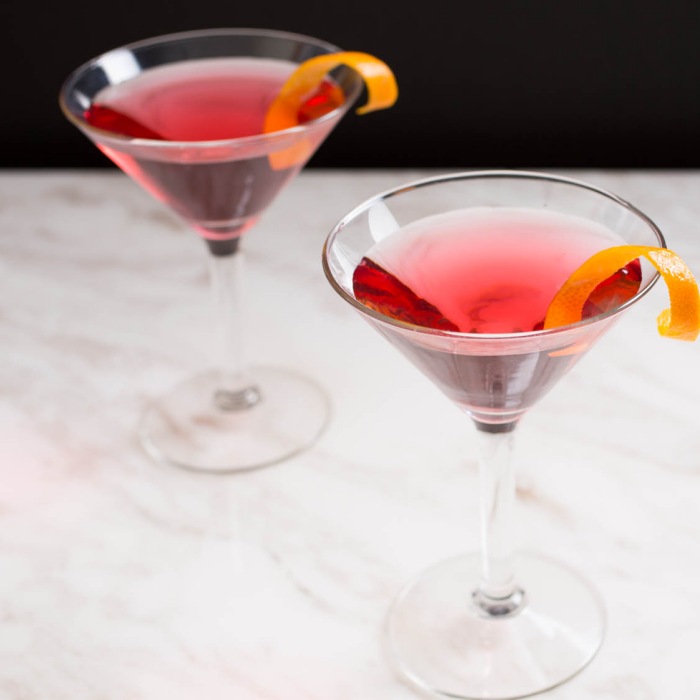
Cosmopolitan Martini
Der Cosmopolitan Martini ist ein eleganter Cocktail, der aus Wodka, Triple Sec, Cranberrysaft und frischem Limettensaft besteht. Mit seiner leuchtenden rosa Farbe und erfrischenden Aromen ist er ein beliebter Drink in Bars und bei festlichen Anlässen. Perfekt für diejenigen, die einen fruchtigen und zugleich raffinierten Genuss suchen!
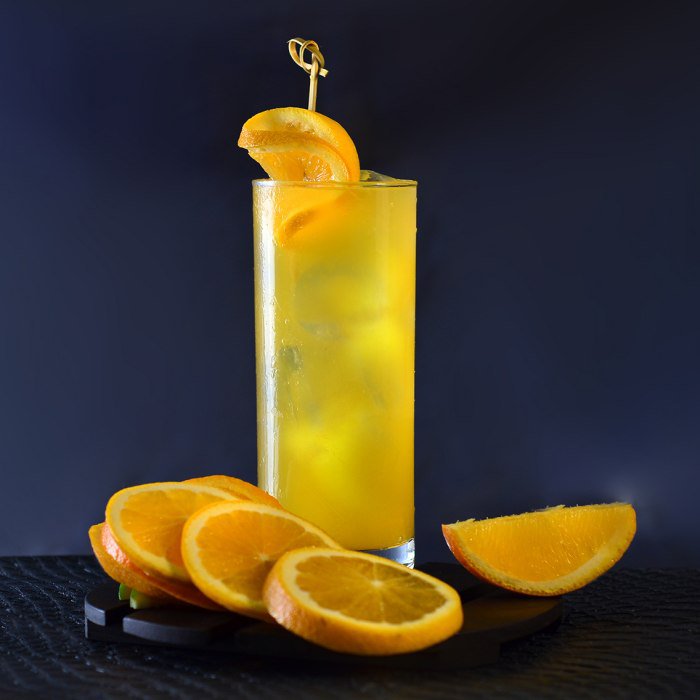
Screwdriver
Der Screwdriver ist ein erfrischender Cocktail, der aus Wodka und frisch gepresstem Orangensaft besteht. Diese einfache, aber köstliche Mischung ist perfekt für einen entspannten Brunch oder als erfrischendes Getränk an einem warmen Tag. Sein fruchtiger Geschmack und die angenehme Süße machen ihn zu einem zeitlosen Klassiker.
Tequila Sour
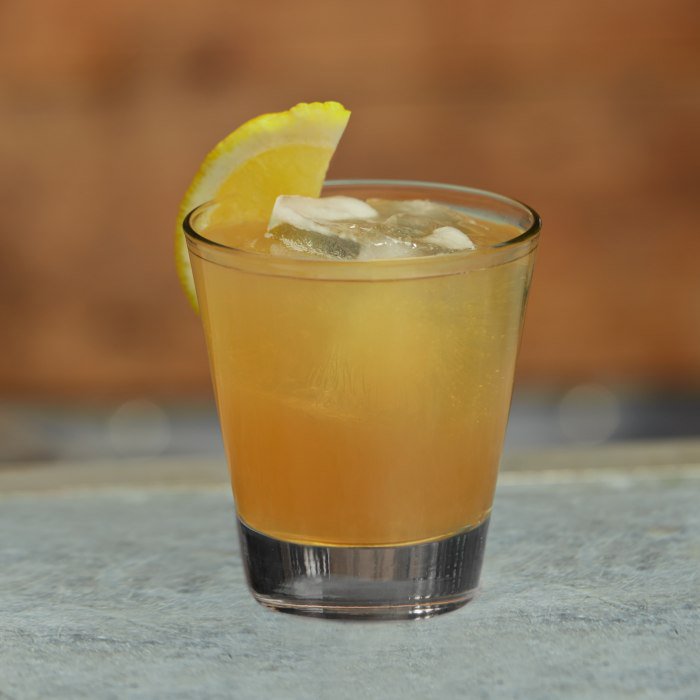
Der Tequila Sour ist ein erfrischender Cocktail, der die herben Noten von Tequila mit der spritzigen Säure von frischem Zitronensaft kombiniert. Oft verfeinert mit einem Hauch von Zuckersirup und einem Eiweiß für eine samtige Textur, bietet er ein ausgewogenes Geschmackserlebnis, das sowohl süß als auch sauer ist. Ideal für Tequila-Liebhaber, die eine neue, aufregende Variante genießen möchten
Advertisement