Cocktail
Martini
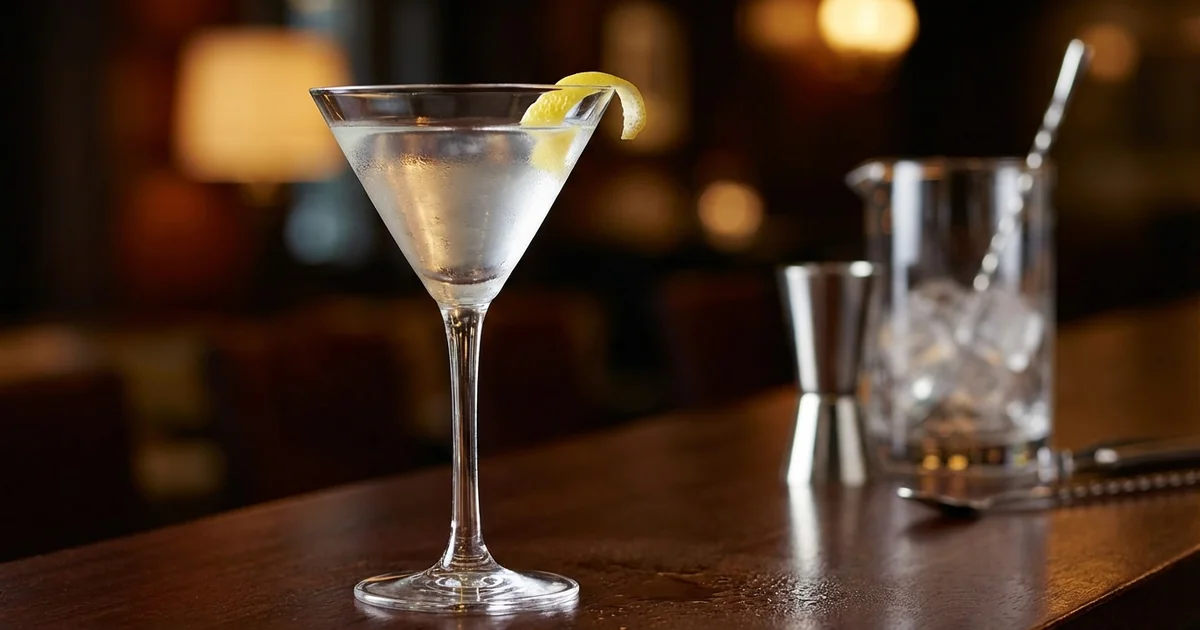
Der Martini ist ein klassischer Cocktail, der aus Gin und trockenem Wermut besteht, oft garniert mit einer Olive oder einer Zitronenzeste. Er ist bekannt für seinen eleganten Geschmack und seine klare, raffinierte Präsentation. Der Martini gilt als Symbol für Stil und Klasse in der Cocktailkultur.
- trocken
- klar
- herb
- elegant

- Prep Time
- 3 min
- Glass
- Cocktail glass
- Difficulty
- Intermediate
- ABV
- 31%
- Yields
- 1 serving
Der Martini ist ein cocktail auf Basis von Gin, bekannt für sein trocken and klar Profil — eines der meistgesuchten Rezepte für "Cocktailparty". In nur 3 Minuten zubereitet und ideal für Cocktailpartys — perfekt für die Heimbar. Wer nach "Dinner" sucht, ist hier genau richtig.
Key Takeaways
What you’ll learn
- The classic martini ratio is 2.5:0.5 gin to dry vermouth (5:1), though the spectrum ranges from wet (2:1) to bone-dry — personal preference is the only rule.
- Stirring is the traditional method, producing a silky, crystal-clear cocktail; shaking makes it colder and cloudier but "bruises" the gin.
- Vermouth quality and freshness are as important as the gin — store it refrigerated and replace it every 3–4 weeks after opening.
- The garnish — lemon twist or olive — fundamentally changes the cocktail's aromatics and should be chosen deliberately, not randomly.
- Always pre-chill the glass for at least 15 minutes; a warm glass is the fastest way to ruin an otherwise perfect martini.
Advertisement
Ingredients
- Serves
- 1 serving
- Glass
- Cocktail glass
- Prep
- 3 min
- 1 2/3 ozGin
- 1/3 ozDry Vermouth
- 1Olive
Method
Preparation
- 01
Here is the translation of the instructions into German:
- 02
Gerade: Gießen Sie alle Zutaten in ein Mischglas mit Eiswürfeln. Gut umrühren. In ein gekühltes Martini-Glas abseihen. Öl von der Zitronenschale über das Getränk träufeln oder mit einer Olive garnieren.
Origin
History & Origins
The Martini stands alone at the apex of cocktail culture — a drink so refined, so perfectly balanced, that it has become synonymous with sophistication itself. No cocktail inspires more passionate discussion: from the gin versus vodka debate to the proper vermouth ratio, from stirred versus shaken to olive versus twist, every element of this deceptively simple cocktail has been analyzed, argued, and perfected over more than a century of mixing.
The Martini's origins are disputed. Multiple cities claim the invention — San Francisco's Occidental Hotel, the town of Martinez, California, and New York's Knickerbocker Hotel among them — but what is clear is that the drink emerged in the late 19th century from the Martinez cocktail, a sweeter precursor made with Old Tom gin, sweet vermouth, and maraschino liqueur. As London Dry gin became dominant and tastes moved toward drier expressions, the modern Martini evolved: dry vermouth replaced sweet, and the ratio tilted increasingly spirit-forward through the 20th century.
Multiple cities claim the invention — San Francisco's Occidental Hotel, the town of Martinez, California, and New York's Knickerbocker Hotel among them — but what is clear is that the drink emerged in the late 19th century from the Martinez cocktail, a sweeter precursor made with Old Tom gin, sweet vermouth, and maraschino liqueur.
The vodka martini gained prominence in the 1950s and 60s when vodka entered the American market, famously championed by Ian Fleming's James Bond. His "shaken, not stirred" prescription started one of cocktail culture's most enduring debates, though the gin-and-stir traditionalists have always maintained their ground. Today the Martini is a benchmark by which bartenders and bars are judged — a drink whose two-ingredient simplicity is deceptive, concealing depths that reveal themselves differently depending on the gin, vermouth, ratio, technique, and garnish chosen.
Advertisement
Bartender’s Insight
Pro Tips
Rühren, nie schütteln, um eine angemessene Abkühlung ohne überschüssiges Wasser zu erreichen
From Elena
verwenden Sie einen hochwertigen London Dry Gin
Vermouth sollte frisch sein (innerhalb von 3 Monaten nach dem Öffnen)
servieren Sie äußerst kalt in einem vorgeeischten Glas
At the Table
Perfect Pairings
Beyond the Classic
Variations
Trockener Martini
Weniger Vermouth für ein spirituoses, weniger botanisches Profil
Perfekter Martini
Gleiche Teile trockenes und süßes Vermouth für Balance
Vodka-Martini
Ersetzt Gin durch Wodka und schafft ein sauberes Profil
Watch
See it in action
Questions
Frequently Asked
- The Martini has a flavor profile that is trocken, klar, herb, elegant. It is crafted to balance these characteristics into a harmonious, satisfying drink that appeals to a wide range of palates.
- The Martini is ideal for Cocktailpartys, Jubiläumsfeiern, Geschäftstreffen. Its flavor profile and presentation make it a versatile choice that works equally well as a social cocktail or a relaxed evening drink.
- Yes, there are several ways to adapt a Martini. If you cannot source Gin, look for a similar alternative that matches its flavor profile. Keep in mind that substitutions may alter the balance of the cocktail, so start with a smaller quantity and adjust to taste. The variations section above lists popular alternatives bartenders use.
- Some of the most popular Martini variations include Trockener Martini, Perfekter Martini, Vodka-Martini. Each variation puts a unique twist on the original recipe while retaining the essential character of the classic cocktail.
- The Martini is traditionally served in a Cocktail glass. Using the right glassware is important because it affects the aroma, temperature retention, and overall drinking experience. If you do not have a Cocktail glass on hand, a similar shaped glass will work.
- Yes, a mocktail version of the Martini is possible. Replace the base spirit with a non-alcoholic spirit alternative (there are many quality options available) and keep all other components the same. The result will capture much of the original's flavor profile while being suitable for guests who prefer alcohol-free options.
Other Gin Cocktails
Blackthorn
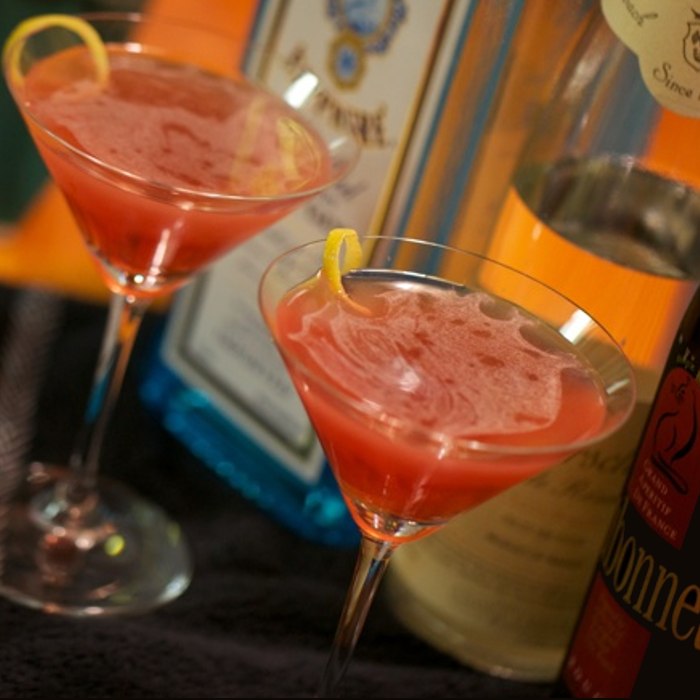
Der Blackthorn ist ein klassischer Cocktail, der aus Gin, Süßem Wermut und einem Hauch von Bitterstoffen besteht. Sein ausgewogenes Geschmacksprofil kombiniert die herben Noten des Gins mit der Süße des Wermuts, während die Bitterkeit eine erfrischende Tiefe hinzufügt. Oft garniert mit einer Zitronenzeste, ist dieser Drink sowohl elegant als auch aromatisch.
Rail Splitter
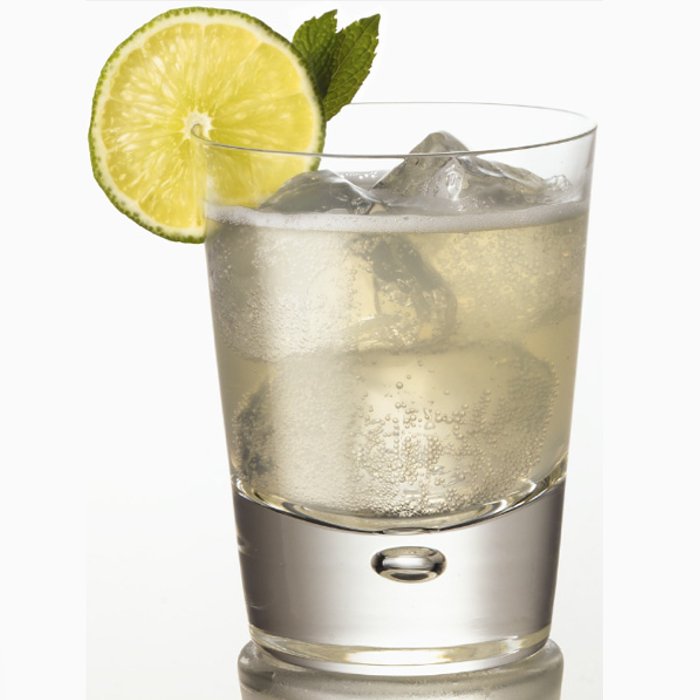
Der Rail Splitter ist ein erfrischender Cocktail, der mit einer harmonischen Mischung aus Bourbon, frischem Zitronensaft und einem Hauch von Honig zubereitet wird. Diese köstliche Kombination bietet eine perfekte Balance zwischen süßen und sauren Aromen, die den Gaumen verwöhnen. Ideal für gesellige Abende oder als Genuss nach einem langen Tag.
The Philosopher
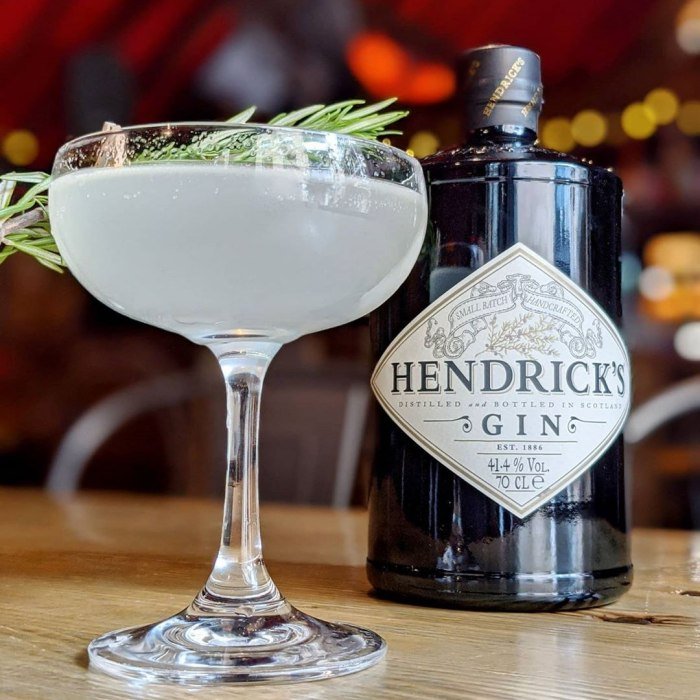
Der Cocktail "The Philosopher" ist eine raffinierte Mischung aus edlem Gin, frischem Zitronensaft und einem Hauch von Kräuterlikör, die den Geist anregt und zum Nachdenken einlädt. Mit seiner ausgewogenen Süße und der feinen Bitterkeit bietet er ein geschmackliches Erlebnis, das sowohl den Gaumen als auch die Sinne inspiriert. Perfekt für gesellige Abende oder stille Momente der Reflexion.
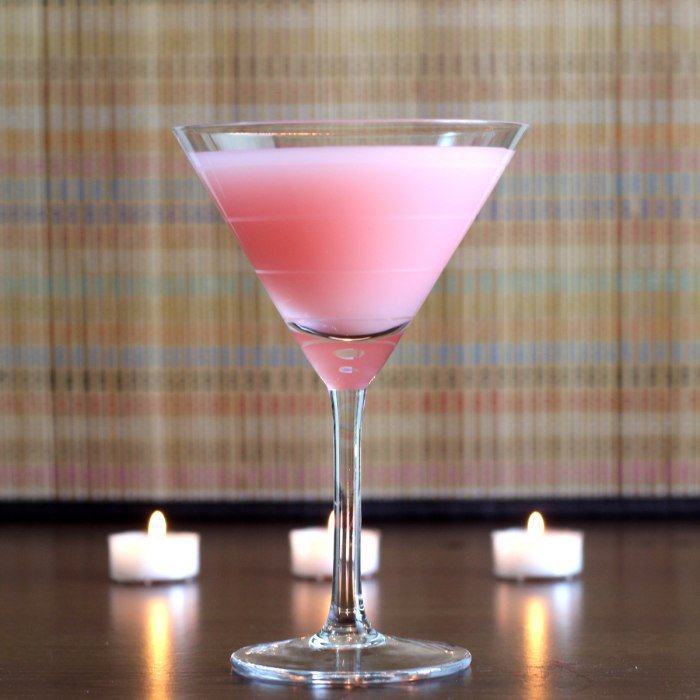
Ace
Der Cocktail "Ace" ist eine erfrischende Mischung aus hochwertigen Spirituosen, frischen Zitrusfrüchten und einem Hauch von Kräutern. Mit seinem ausgewogenen Geschmack und der ansprechenden Präsentation ist er der perfekte Begleiter für gesellige Abende. Genießen Sie diesen aufregenden Drink, der sowohl für Cocktailliebhaber als auch für Neulinge ein Erlebnis bietet.
Other Cocktailpartys Cocktails
Blackthorn
Der Blackthorn ist ein klassischer Cocktail, der aus Gin, Süßem Wermut und einem Hauch von Bitterstoffen besteht. Sein ausgewogenes Geschmacksprofil kombiniert die herben Noten des Gins mit der Süße des Wermuts, während die Bitterkeit eine erfrischende Tiefe hinzufügt. Oft garniert mit einer Zitronenzeste, ist dieser Drink sowohl elegant als auch aromatisch.

Black Russian
Der Black Russian ist ein klassischer Cocktail, der aus Wodka und Kaffeelikör besteht. Er wird in einem Lowball-Glas serviert und zeichnet sich durch seine dunkle Farbe und den intensiven Kaffeegeschmack aus. Ideal für Liebhaber von kräftigen, aromatischen Drinks.
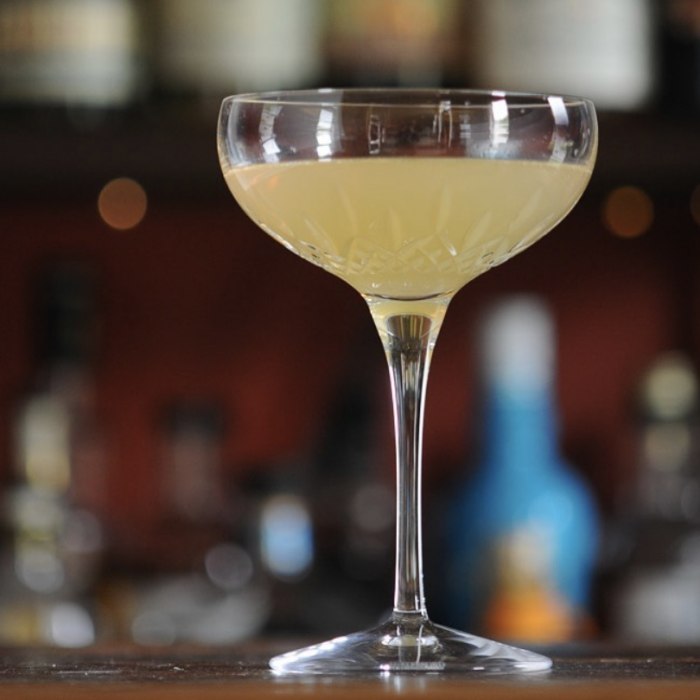
Death in the Afternoon
"Death in the Afternoon" ist ein erfrischender Cocktail, der aus einer Mischung von Champagner und Absinth besteht. Diese einzigartige Kombination kreiert einen komplexen Geschmack, der sowohl bitter als auch spritzig ist und perfekt für besondere Anlässe geeignet ist. Inspiriert von Ernest Hemingways berühmtem Rezept, verspricht dieser Drink ein unvergessliches Erlebnis.
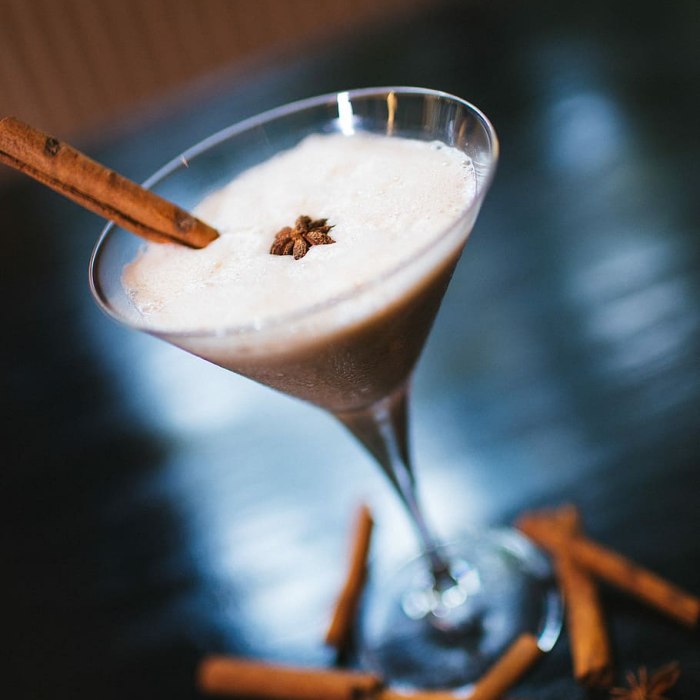
Alexander
Der Alexander ist ein klassischer Cocktail, der aus einer Mischung von Gin, Crème de Cacao und Sahne besteht. Diese cremige und süße Kombination wird oft mit Muskatnuss bestreut und ist bekannt für ihren luxuriösen Geschmack. Ideal als Dessert-Drink, verführt der Alexander mit seiner samtigen Textur und feinen Aromen.
Similar Flavor Profiles
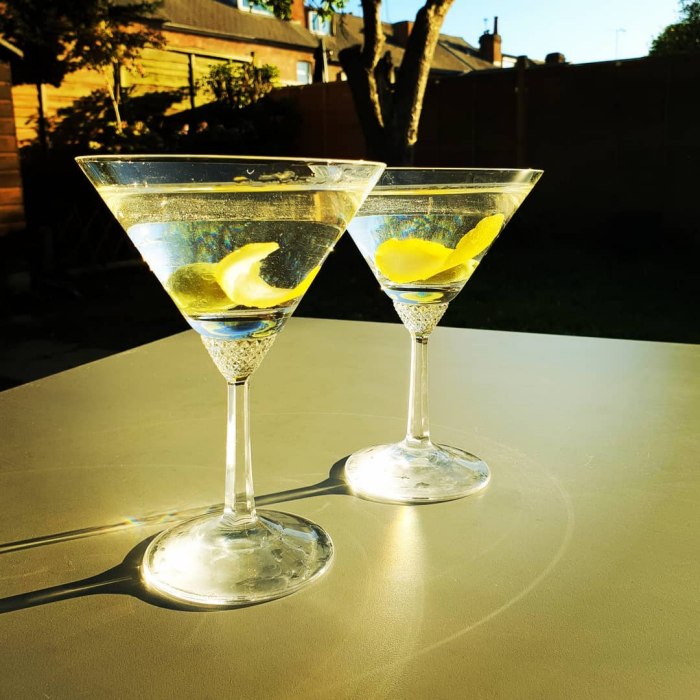
Dry Martini
Der Dry Martini ist ein klassischer Cocktail, der aus Gin und trockenem Wermut besteht. Er wird in einem gekühlten Martini-Glas serviert und oft mit einer Olive oder einer Zitronenzeste garniert. Dieser elegante Drink ist bekannt für seinen klaren, herben Geschmack und seine zeitlose Anziehungskraft.
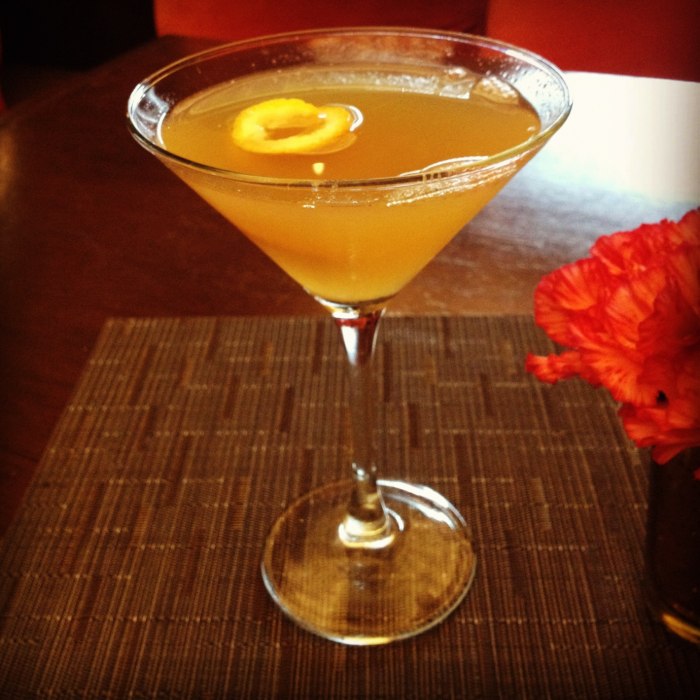
Algonquin
Der Algonquin ist ein klassischer Cocktail, der aus einer harmonischen Mischung von Whisky, süßem Wermut und Ananassaft besteht. Seine erfrischende und ausgewogene Geschmacksnote macht ihn zu einem beliebten Getränk für Whisky-Liebhaber. Serviert in einem eleganten Glas, ist er sowohl ein Genuss für den Gaumen als auch ein Blickfang auf jeder Bar.
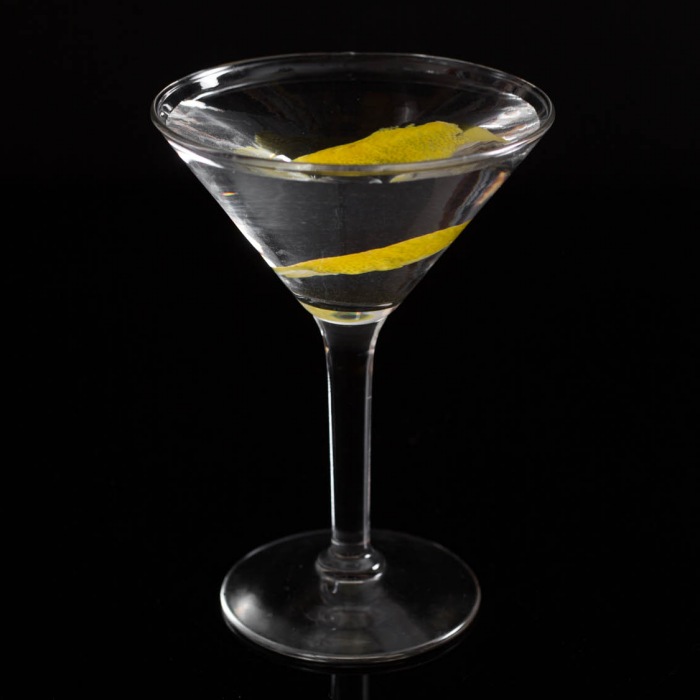
Vodka Martini
Der Vodka Martini ist ein klassischer Cocktail, der aus hochwertigem Wodka und trockenem Wermut besteht. Er wird in einem gekühlten Martiniglas serviert und oft mit einer Olive oder einer Zitronenzeste garniert. Dieser elegante Drink ist bekannt für seinen klaren, erfrischenden Geschmack und seine zeitlose Anziehungskraft.
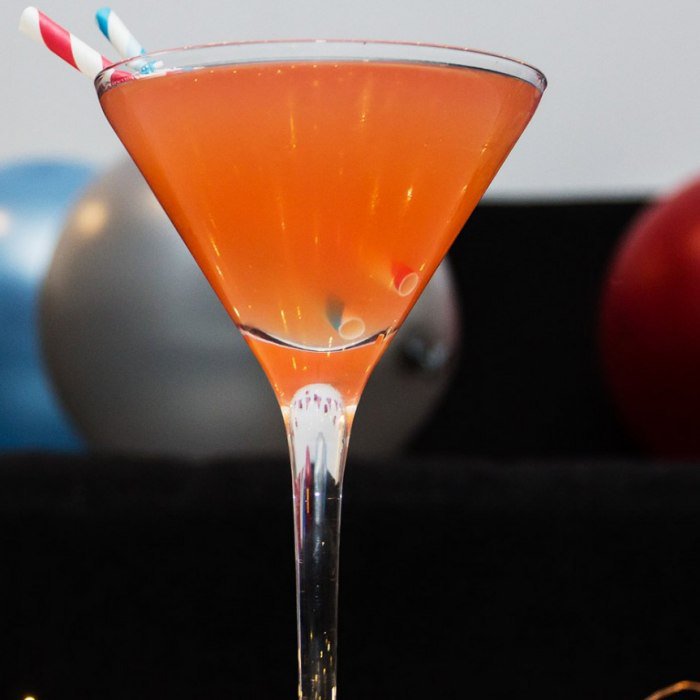
Abbey Martini
Der Abbey Martini ist ein eleganter Cocktail, der die feinen Aromen von Gin und trockenen Vermouth harmonisch vereint. Mit einem Hauch von Oliven oder einer Zitronenzeste veredelt, bietet er ein erfrischendes Geschmackserlebnis, das perfekt für besondere Anlässe geeignet ist. Sein klassisches Flair macht ihn zu einem zeitlosen Favoriten in der Welt der Cocktails.
Advertisement