Cocktail
Mojito
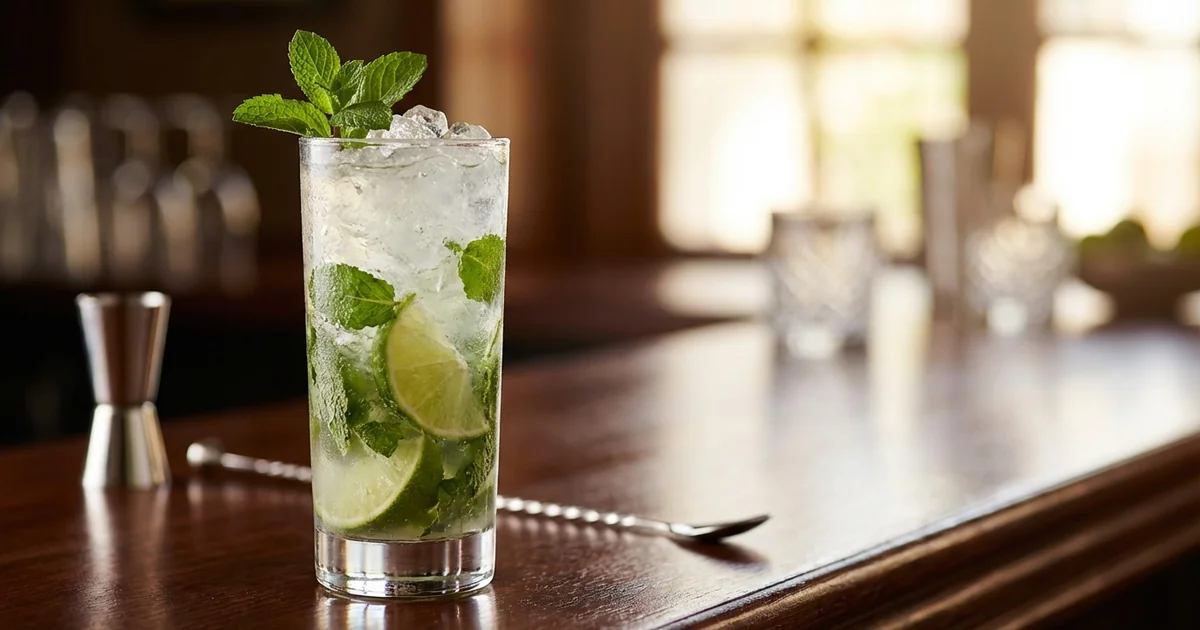
Der Mojito ist ein erfrischender kubanischer Cocktail, der aus frischer Minze, Limettensaft, Zucker, Rum und Soda besteht. Seine spritzige Kombination aus süßen und sauren Aromen macht ihn zu einem beliebten Getränk, besonders an warmen Sommertagen. Genießen Sie den Mojito eisgekühlt für ein unvergleichliches Geschmackserlebnis!
- frisch
- minzig
- süß
- spritzig

- Prep Time
- 3 min
- Glass
- Highball glass
- Difficulty
- Easy
- ABV
- 11%
- Yields
- 1 serving
Der Mojito ist ein cocktail mit Rum im Mittelpunkt, fertig in 3 Minuten. Das Ergebnis: ein frisch and minzig Genuss, der jede Minute wert ist. Regelmäßig unter den Top-Suchanfragen für "Sommer".
Key Takeaways
What you’ll learn
- Gently muddle mint leaves — only 3–4 presses — to release aromatic oils without breaking cell walls and releasing bitter chlorophyll.
- Use white rum, fresh lime juice, and real cane sugar or simple syrup for authentic Cuban flavor.
- Build directly in the glass for proper dilution and layered presentation; add soda water last and stir only once.
- Quality ingredients make the difference — fresh lime juice and fresh mint are non-negotiable for a proper mojito.
- Master the classic before experimenting with fruity variations like strawberry, pineapple, or coconut.
Advertisement
Ingredients
- Serves
- 1 serving
- Glass
- Highball glass
- Prep
- 3 min
- 2-3 ozLight rum
- Juice of 1Lime
- 2 tspSugar
- 2-4Mint
- Soda water
Method
Preparation
- 01
Here is the translation of the instructions into German:
- 02
Zerdrücke die Minzblätter mit Zucker und Limettensaft. Füge einen Spritzer Sodawasser hinzu und fülle das Glas mit zerstoßenem Eis. Gieße den Rum hinein und fülle es mit Sodawasser auf. Garniere und serviere mit einem Strohhalm.
Origin
History & Origins
The mojito is more than just a cocktail — it is a liquid postcard from 1950s Havana. This Cuban classic, beloved by Ernest Hemingway and beachgoers worldwide, perfectly balances fresh mint, tangy lime, and smooth white rum with just the right amount of fizz. Its roots stretch back centuries into Cuban drinking culture, with some historians tracing a proto-mojito to a medicinal drink called "El Draque," named after English privateer Sir Francis Drake, who reportedly mixed aguardiente with mint, lime, and sugar during his 16th-century Caribbean voyages.
The modern mojito as we know it crystallized in 1930s Havana, where it became the signature drink of La Bodeguita del Medio, a small bar on a narrow Havana street that opened in 1942. Ernest Hemingway, who lived in Cuba for much of the 1940s and 1950s, became the mojito's most famous ambassador. According to bar legend, he scrawled on the wall of La Bodeguita: "My mojito in La Bodeguita, my daiquiri in El Floridita" — though historians debate whether he wrote those exact words. What is certain is that Hemingway preferred his mojitos with minimal sugar and extra rum, a variation that some call the "Papa Doble" approach.
According to bar legend, he scrawled on the wall of La Bodeguita: "My mojito in La Bodeguita, my daiquiri in El Floridita" — though historians debate whether he wrote those exact words.
For much of the 20th century, the mojito remained largely a Cuban and Caribbean drink. Its global spread accelerated dramatically in the 1990s and 2000s, helped in part by tourism to Cuba and the growing craft cocktail movement that valued fresh ingredients and classic technique. Today it ranks among the world's most ordered cocktails, a testament to how a handful of simple ingredients — white rum, lime, mint, sugar, and soda — can create something universally refreshing and endlessly satisfying.
Advertisement
Bartender’s Insight
Pro Tips
Pfeffernminze sanft zerdrücken, um Öle freizusetzen, ohne Blätter zu quetschen
From Leo
Weißen Rum für beste Qualität verwenden
Frischer Limettsensaft unerlässlich
Mit Soda krönen, nie nur geschüttelt servieren
At the Table
Perfect Pairings
Beyond the Classic
Variations
Virgin Mojito
Alkoholfreie Version, perfekt für alle Altersgruppen
Strawberry Mojito
Fügt frische Erdbeeren für Fruchtnotizen hinzu
Pineapple Mojito
Integriert Ananassaft für tropische Süße
Watch
See it in action
Questions
Frequently Asked
- The Mojito has a flavor profile that is frisch, minzig, süß, spritzig. It is crafted to balance these characteristics into a harmonious, satisfying drink that appeals to a wide range of palates.
- The Mojito is ideal for Sommerpartys, Hochzeiten, Grillabende. Its flavor profile and presentation make it a versatile choice that works equally well as a social cocktail or a relaxed evening drink.
- Yes, there are several ways to adapt a Mojito. If you cannot source Light rum, look for a similar alternative that matches its flavor profile. Keep in mind that substitutions may alter the balance of the cocktail, so start with a smaller quantity and adjust to taste. The variations section above lists popular alternatives bartenders use.
- Some of the most popular Mojito variations include Virgin Mojito, Strawberry Mojito, Pineapple Mojito. Each variation puts a unique twist on the original recipe while retaining the essential character of the classic cocktail.
- The Mojito is traditionally served in a Highball glass. Using the right glassware is important because it affects the aroma, temperature retention, and overall drinking experience. If you do not have a Highball glass on hand, a similar shaped glass will work.
- Yes, a mocktail version of the Mojito is possible. Replace the base spirit with a non-alcoholic spirit alternative (there are many quality options available) and keep all other components the same. The result will capture much of the original's flavor profile while being suitable for guests who prefer alcohol-free options.
Other Rum Cocktails
Bounty Hunter
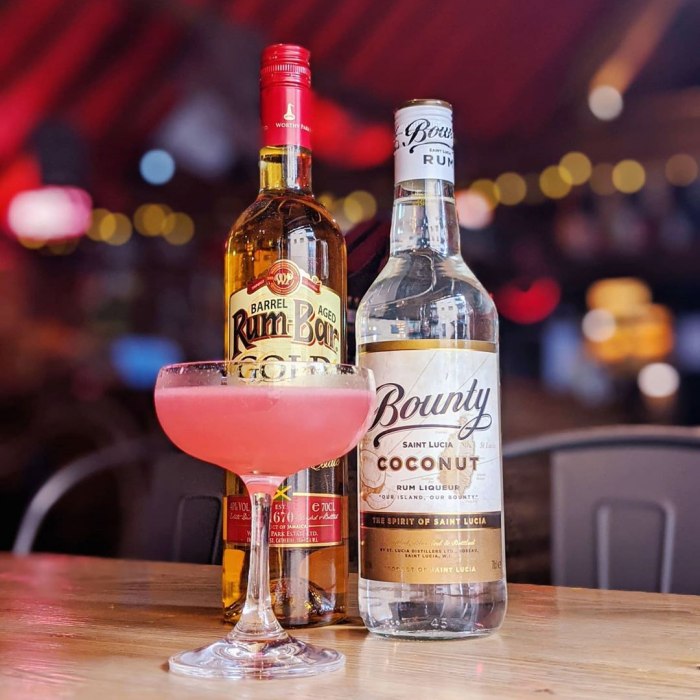
Der "Bounty Hunter" ist ein exotischer Cocktail, der die Aromen tropischer Früchte mit einem Hauch von Rum vereint. Er begeistert mit einer erfrischenden Mischung aus Ananas, Kokosnuss und einem Spritzer Limette, perfekt für einen sonnigen Tag oder einen entspannten Abend. Ein echter Genuss für alle, die das Abenteuer lieben!
Frozen Daiquiri
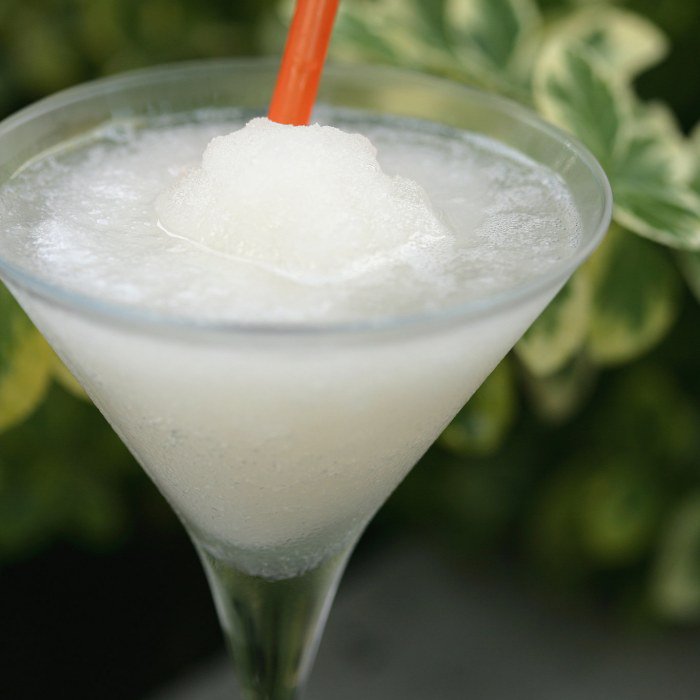
Der Frozen Daiquiri ist ein erfrischender Cocktail, der aus gefrorenen Früchten, Rum, Limettensaft und Zucker besteht. Diese köstliche Mischung wird in einem Mixer zubereitet, bis sie eine slushige Konsistenz erreicht, und ist perfekt für warme Tage oder als fruchtiger Genuss. Mit seinem süßen und sauren Geschmack ist der Frozen Daiquiri ein beliebter Klassiker in vielen Bars und Strandresorts.
Casa Blanca
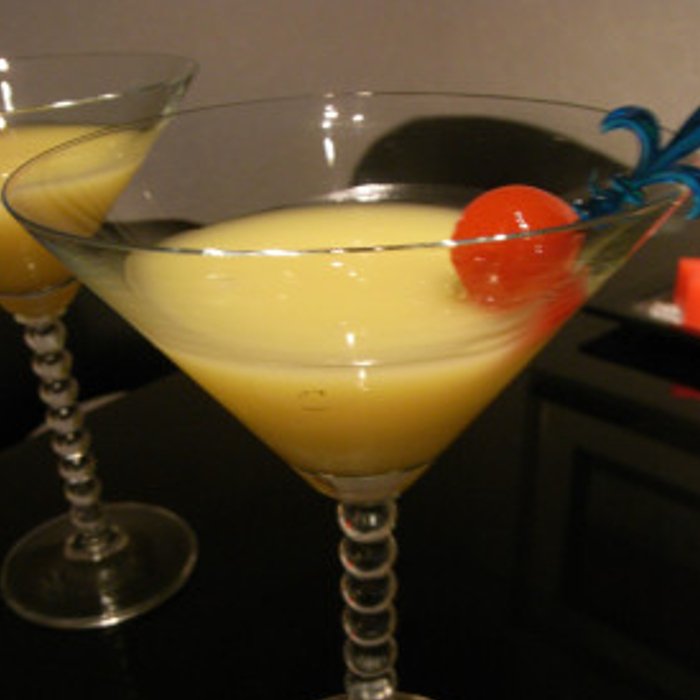
Der Casa Blanca ist ein erfrischender Cocktail, der mit einer harmonischen Mischung aus weißem Rum, Triple Sec, Limettensaft und einem Hauch von Grenadinesirup zubereitet wird. Sein fruchtiger Geschmack und die leichte Süße machen ihn zu einem perfekten Begleiter für warme Sommerabende. Genießen Sie diesen eleganten Drink in einem stilvollen Glas, garniert mit einer Limettenscheibe oder einer Kirsche.
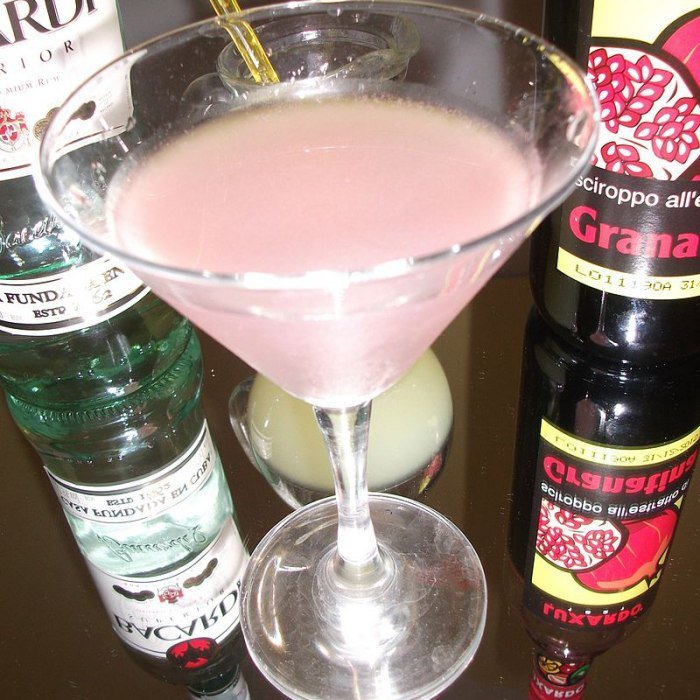
Bacardi Cocktail
Der Bacardi Cocktail ist ein erfrischender und fruchtiger Drink, der aus Bacardi Rum, Limettensaft und Grenadinesirup besteht. Diese Kombination verleiht ihm eine lebendige rote Farbe und einen ausgewogenen Geschmack, der perfekt für heiße Sommertage ist. Genießen Sie diesen klassischen Cocktail als Highlight jeder Feier!
Other Sommerpartys Cocktails
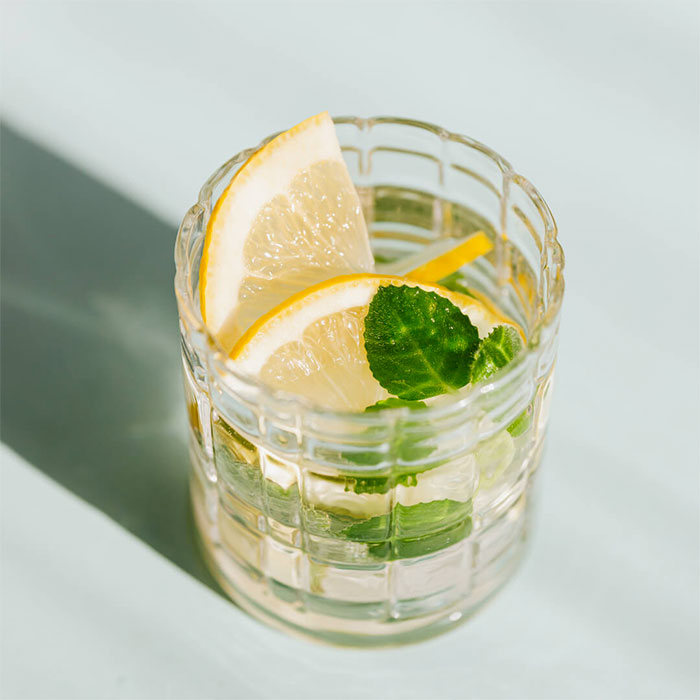
Vodka Tonic
Der Vodka Tonic ist ein erfrischender Cocktail, der aus hochwertigem Wodka und spritzigem Tonic Water besteht. Mit einem Spritzer Limette oder Zitrone verfeinert, bietet er eine perfekte Balance zwischen der sanften Schärfe des Wodkas und der prickelnden Frische des Tonic Waters. Ideal für warme Sommerabende oder gesellige Runden!
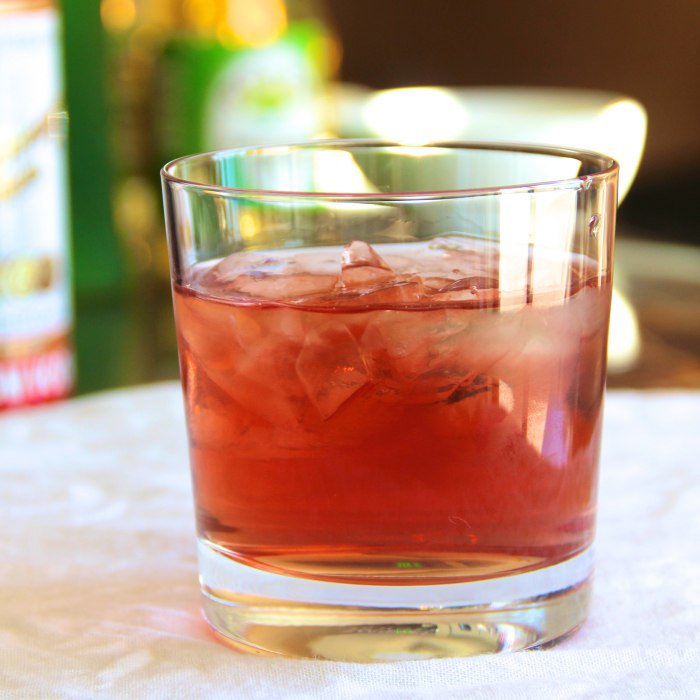
Kool-Aid Shot
Der Kool-Aid Shot ist ein fruchtiger und farbenfroher Cocktail, der mit verschiedenen Geschmacksrichtungen von Kool-Aid und Wodka zubereitet wird. Diese erfrischende Mischung sorgt für einen süßen und spritzigen Genuss, der perfekt für Partys und gesellige Runden ist. Seine lebendige Farbe und der süße Geschmack machen ihn zu einem beliebten Highlight an jeder Bar.
Bounty Hunter
Der "Bounty Hunter" ist ein exotischer Cocktail, der die Aromen tropischer Früchte mit einem Hauch von Rum vereint. Er begeistert mit einer erfrischenden Mischung aus Ananas, Kokosnuss und einem Spritzer Limette, perfekt für einen sonnigen Tag oder einen entspannten Abend. Ein echter Genuss für alle, die das Abenteuer lieben!
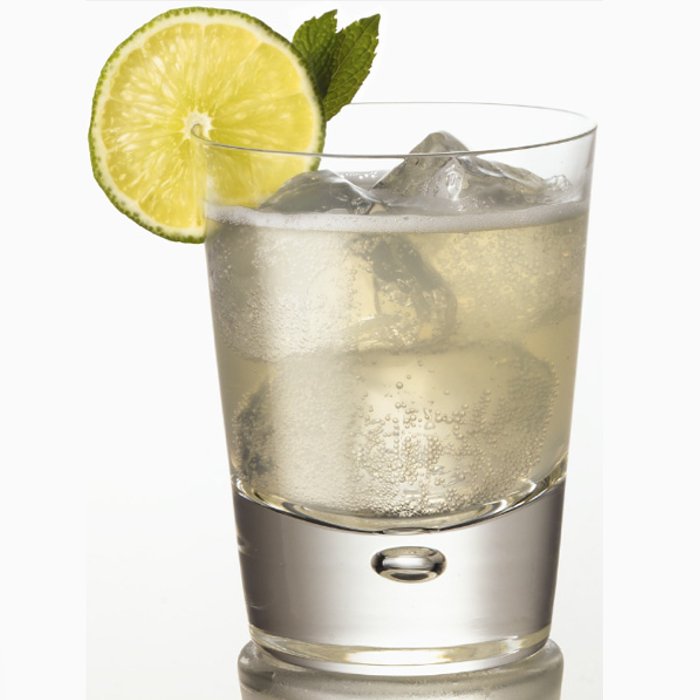
Rail Splitter
Der Rail Splitter ist ein erfrischender Cocktail, der mit einer harmonischen Mischung aus Bourbon, frischem Zitronensaft und einem Hauch von Honig zubereitet wird. Diese köstliche Kombination bietet eine perfekte Balance zwischen süßen und sauren Aromen, die den Gaumen verwöhnen. Ideal für gesellige Abende oder als Genuss nach einem langen Tag.
Similar Flavor Profiles
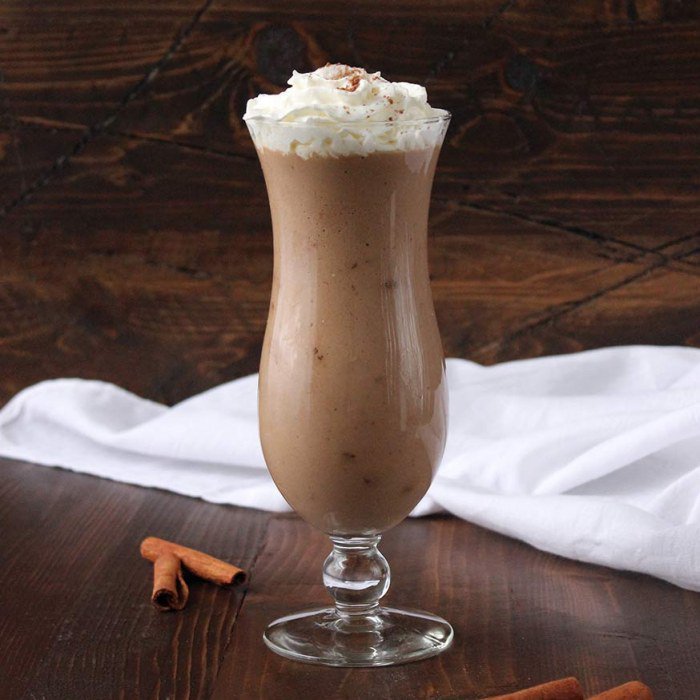
Just a Moonmint
„Just a Moonmint“ ist ein erfrischender Cocktail, der die Aromen von frischer Minze und spritziger Limette kombiniert. Mit einem Hauch von Gin und einem spritzigen Tonic Water bietet er ein belebendes Geschmackserlebnis, das perfekt für laue Sommerabende ist. Genießen Sie diesen Drink, der sowohl optisch als auch geschmacklich begeistert!
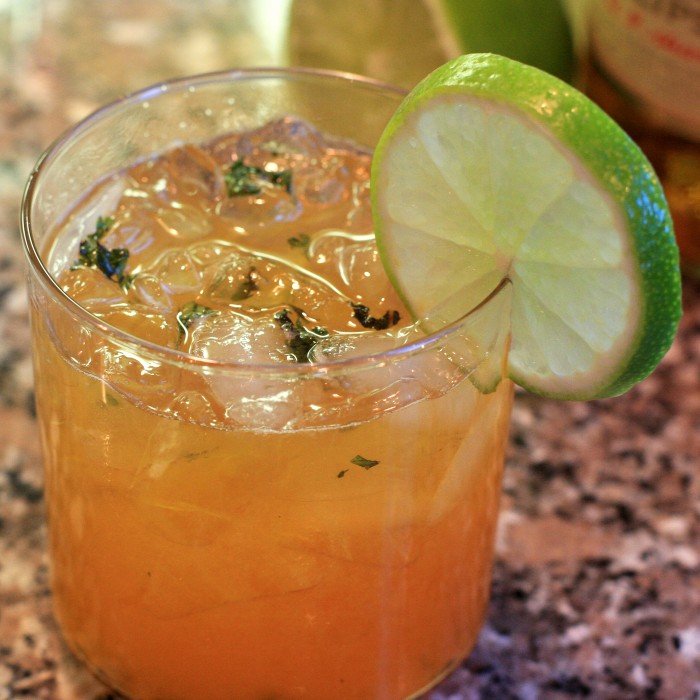
Mojito Extra
Der Mojito Extra ist eine erfrischende Variation des klassischen Mojitos, die mit frischem Minzblatt, Limettensaft, Zucker, Soda und hochwertigem Rum zubereitet wird. Diese Kombination sorgt für ein intensives Geschmackserlebnis, das durch zusätzliche Aromen wie fruchtige Noten oder exotische Gewürze abgerundet werden kann. Perfekt für heiße Sommertage oder gesellige Abende!
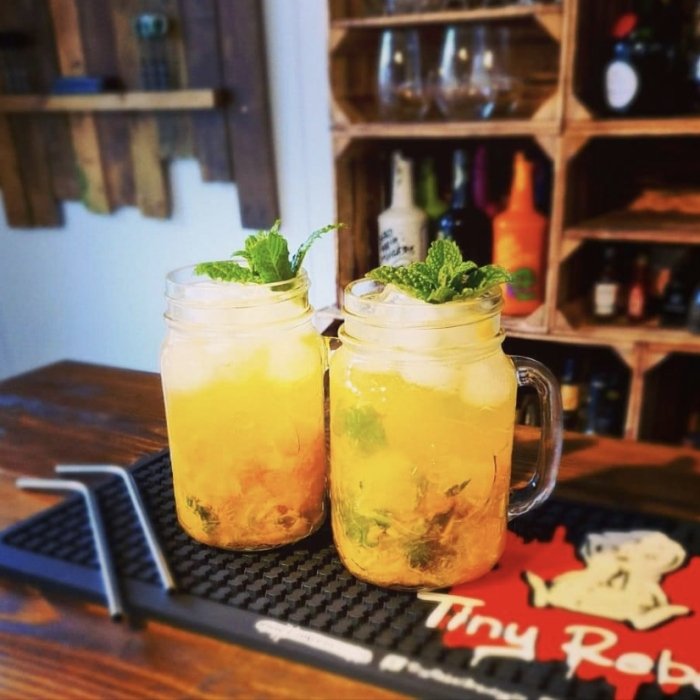
Mango Mojito
Der Mango Mojito ist ein erfrischender Cocktail, der die süße Frische von reifen Mangos mit der spritzigen Note von Limette und der klassischen Minze kombiniert. Serviert mit frischem Minzblatt und einem Hauch von Soda, ist er das perfekte Getränk für einen entspannten Sommertag. Genießen Sie diesen tropischen Genuss, der die Sinne belebt und Urlaubsfeeling verbreitet.
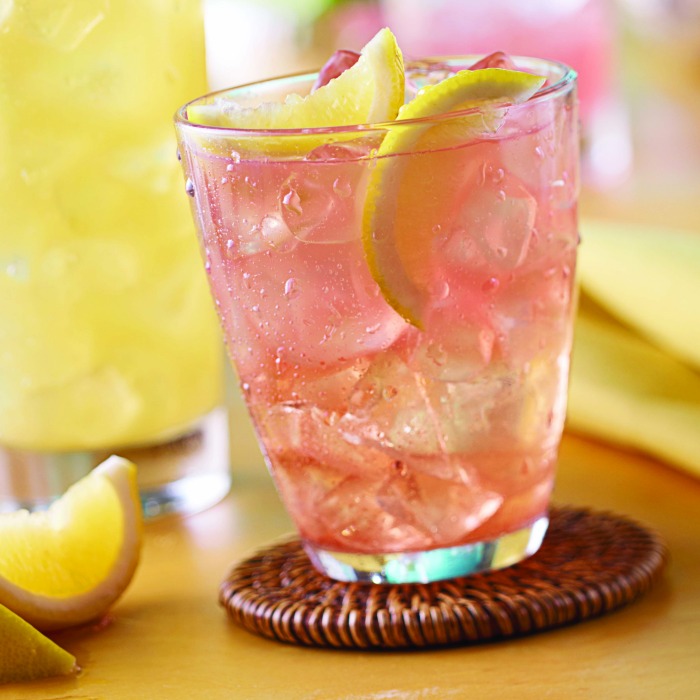
Pink Panty Pulldowns
Der Pink Panty Pulldowns ist ein erfrischender Cocktail, der mit einer lebhaften Mischung aus Wodka, Pfirsichschnaps, Cranberrysaft und Zitronenlimonade zubereitet wird. Seine leuchtend pinke Farbe und fruchtige Note machen ihn zum perfekten Getränk für Sommerpartys oder entspannte Abende mit Freunden. Genießen Sie diesen spritzigen Drink, der sowohl süß als auch erfrischend ist!
Advertisement