Ordinary Drink
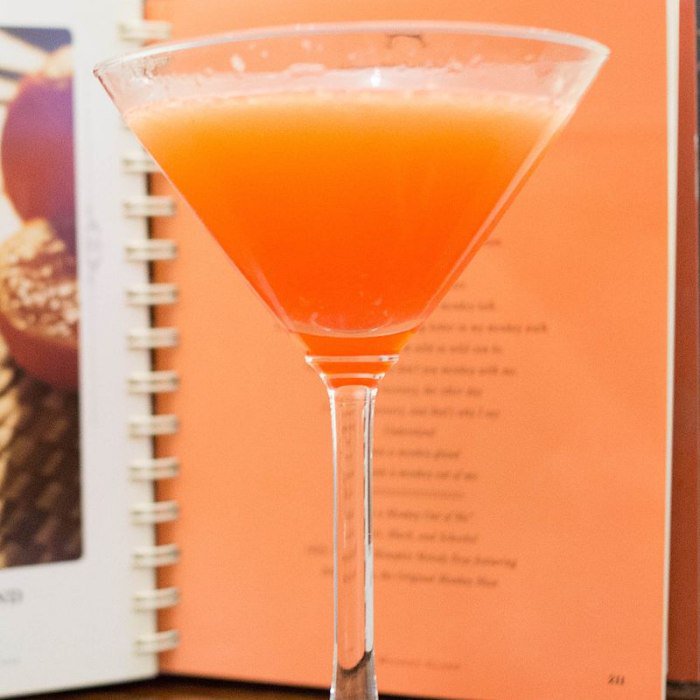
Monkey Gland
Der Monkey Gland ist ein klassischer Cocktail, der in den 1920er Jahren populär wurde. Er kombiniert Gin, Orangensaft, Grenadinesirup und einen Spritzer Absinth, was ihm eine fruchtige und leicht herbale Note verleiht. Dieser erfrischende Drink ist ideal für Genießer, die etwas Außergewöhnliches suchen.
- süß
- fruchtig
- würzig
- bitter
- Prep Time
- 5 min
- Glass
- Cocktail glass
- Difficulty
- Easy
- Yields
- 1 serving
Der Monkey Gland ist ein ordinary drink mit Gin im Mittelpunkt, fertig in 5 Minuten. Das Ergebnis: ein süß and fruchtig Genuss, der jede Minute wert ist. Regelmäßig unter den Top-Suchanfragen für "Cocktailparty".
Advertisement
Ingredients
- Serves
- 1 serving
- Glass
- Cocktail glass
- Prep
- 5 min
- 2 ozGin
- 1 tspBenedictine
- 1/2 ozOrange juice
- 1 tspGrenadine
Method
Preparation
- 01
Gut über Eiswürfel in einem Shaker schütteln, in ein gekühltes Cocktailglas abseihen.
Origin
History & Origins
Der Monkey Gland wurde von Harry MacElhone in der Harry's New York Bar in Paris während der 1920er Jahre kreiert und entstand auf dem Höhepunkt des Jazz-Zeitalters. Er spiegelt die Faszination der Epoche für exotische Zutaten und kühne Geschmackskombinationen wider. Der Name, inspiriert von der wissenschaftlichen Faszination der 1920er Jahre für Verjüngung, erfasst die verspielte Respektlosigkeit der Ära und die Umarmung der Cocktailkultur für theatralische Nomenklatur. Dieser auf Gin basierende Sour wurde zu einem Grundnahrungsmittel des gehobenen Pariser Nachtlebens.
Advertisement
Bartender’s Insight
Pro Tips
Verwenden Sie einen hochwertigen London Dry Gin, um sicherzustellen, dass der Wacholder die feinen Zitrusnoten nicht überlagert
From Elena
Verwenden Sie immer frisch gepressten Orangensaft, vorzugsweise von Blutorangen für tiefere Farbe und Komplexität
Fügen Sie Absinth als Rinse oder Schwimmer oben hinzu, um sein charakteristisches Anisaroma zu bewahren
Kühlen Sie das Glas gründlich und rühren Sie die Spirituosenbasis um, bevor Sie den Saft hinzufügen, um Trennung zu vermeiden.
At the Table
Perfect Pairings
Beyond the Classic
Variations
Monkey Gland #2
Ersetzt Cognac durch Gin, um ein reicheres, abgerundetes Profil mit Trockenfruchtkörnern zu schaffen, die die Grenadine ergänzen
Monk's Gland
Verwendet weiße Pfefferminzlikör statt Absinth für eine süßere, minzlastige Variation, die in tropischen Bars beliebt ist
Parisian Gland
Ersetzt die Grenadine durch frischen Granatapfelsaft und fügt einen Hauch Champagner hinzu, um eine leichtere, elegantere Aperitif-Version zu erhalten.
Questions
Frequently Asked
- The Monkey Gland has a flavor profile that is süß, fruchtig, würzig, bitter. It is crafted to balance these characteristics into a harmonious, satisfying drink that appeals to a wide range of palates.
- The Monkey Gland is ideal for Sommerpartys, Cocktailabende, Themenfeiern. Its flavor profile and presentation make it a versatile choice that works equally well as a social cocktail or a relaxed evening drink.
- Yes, there are several ways to adapt a Monkey Gland. If you cannot source Gin, look for a similar alternative that matches its flavor profile. Keep in mind that substitutions may alter the balance of the cocktail, so start with a smaller quantity and adjust to taste. The variations section above lists popular alternatives bartenders use.
- Some of the most popular Monkey Gland variations include Monkey Gland #2, Monk's Gland, Parisian Gland. Each variation puts a unique twist on the original recipe while retaining the essential character of the classic cocktail.
- The Monkey Gland is traditionally served in a Cocktail glass. Using the right glassware is important because it affects the aroma, temperature retention, and overall drinking experience. If you do not have a Cocktail glass on hand, a similar shaped glass will work.
- Yes, a mocktail version of the Monkey Gland is possible. Replace the base spirit with a non-alcoholic spirit alternative (there are many quality options available) and keep all other components the same. The result will capture much of the original's flavor profile while being suitable for guests who prefer alcohol-free options.
Other Gin Cocktails
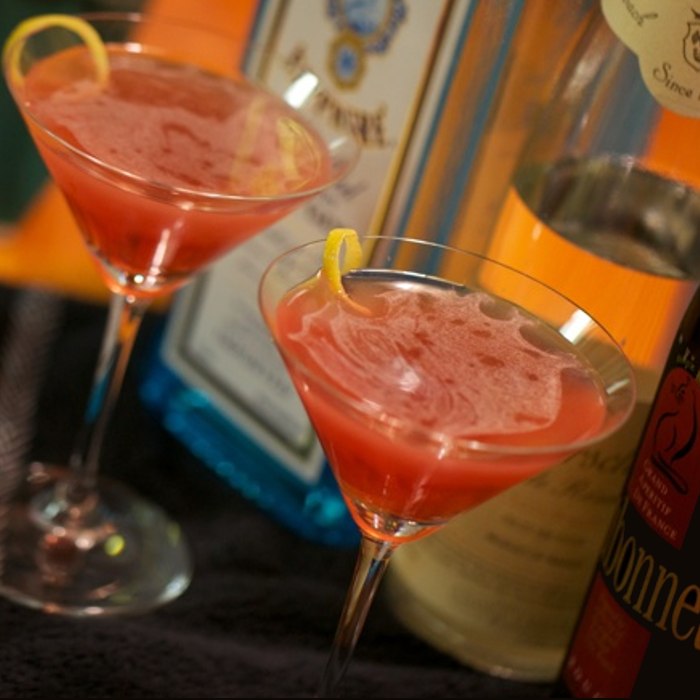
Blackthorn
Der Blackthorn ist ein klassischer Cocktail, der aus Gin, Süßem Wermut und einem Hauch von Bitterstoffen besteht. Sein ausgewogenes Geschmacksprofil kombiniert die herben Noten des Gins mit der Süße des Wermuts, während die Bitterkeit eine erfrischende Tiefe hinzufügt. Oft garniert mit einer Zitronenzeste, ist dieser Drink sowohl elegant als auch aromatisch.
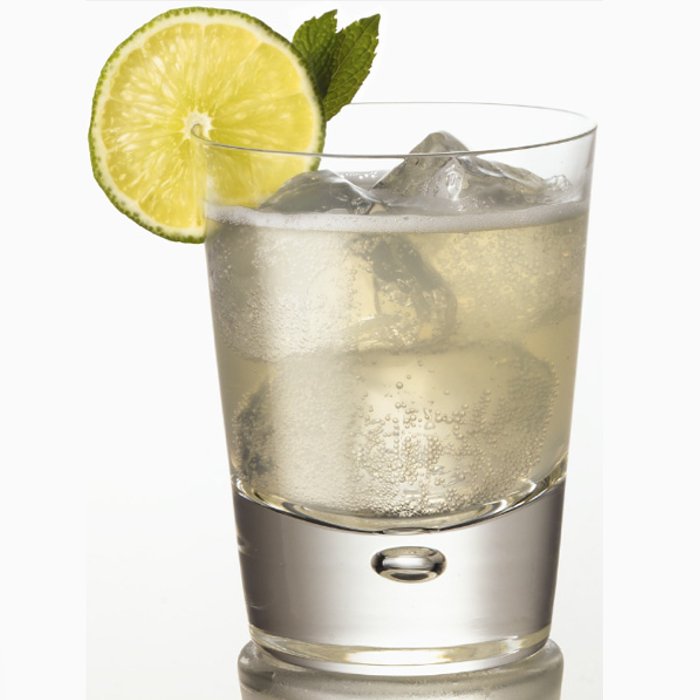
Rail Splitter
Der Rail Splitter ist ein erfrischender Cocktail, der mit einer harmonischen Mischung aus Bourbon, frischem Zitronensaft und einem Hauch von Honig zubereitet wird. Diese köstliche Kombination bietet eine perfekte Balance zwischen süßen und sauren Aromen, die den Gaumen verwöhnen. Ideal für gesellige Abende oder als Genuss nach einem langen Tag.
The Philosopher
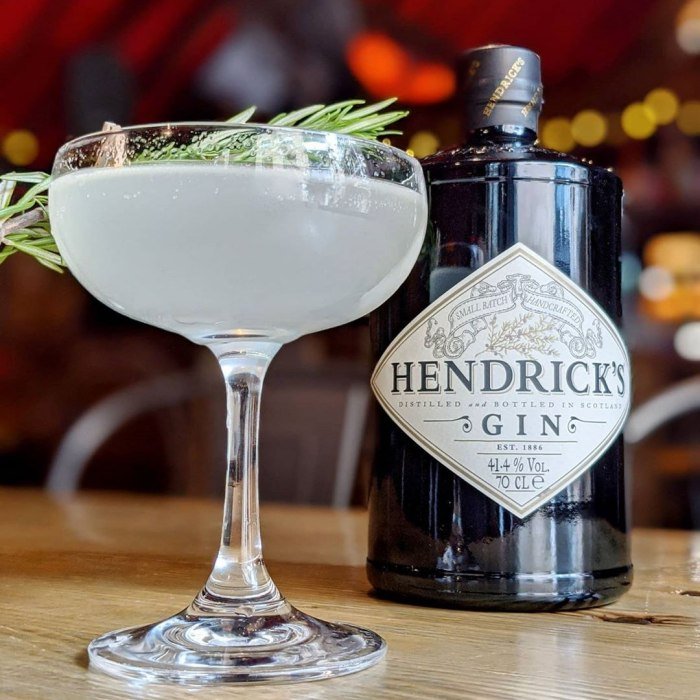
Der Cocktail "The Philosopher" ist eine raffinierte Mischung aus edlem Gin, frischem Zitronensaft und einem Hauch von Kräuterlikör, die den Geist anregt und zum Nachdenken einlädt. Mit seiner ausgewogenen Süße und der feinen Bitterkeit bietet er ein geschmackliches Erlebnis, das sowohl den Gaumen als auch die Sinne inspiriert. Perfekt für gesellige Abende oder stille Momente der Reflexion.
Ace
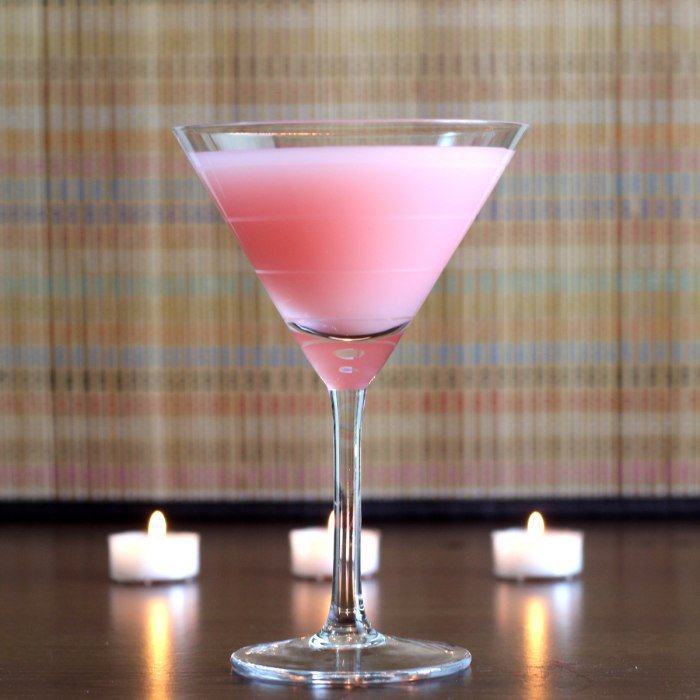
Der Cocktail "Ace" ist eine erfrischende Mischung aus hochwertigen Spirituosen, frischen Zitrusfrüchten und einem Hauch von Kräutern. Mit seinem ausgewogenen Geschmack und der ansprechenden Präsentation ist er der perfekte Begleiter für gesellige Abende. Genießen Sie diesen aufregenden Drink, der sowohl für Cocktailliebhaber als auch für Neulinge ein Erlebnis bietet.
Other Sommerpartys Cocktails
Vodka Tonic
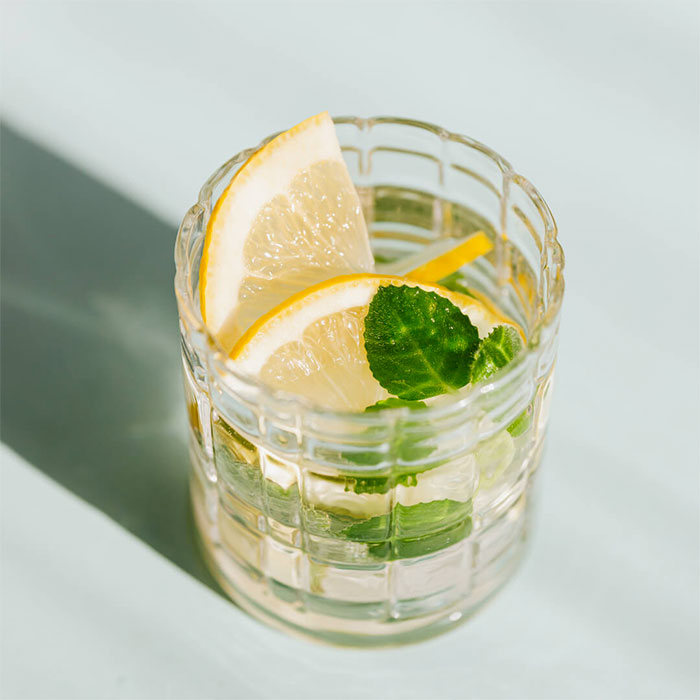
Der Vodka Tonic ist ein erfrischender Cocktail, der aus hochwertigem Wodka und spritzigem Tonic Water besteht. Mit einem Spritzer Limette oder Zitrone verfeinert, bietet er eine perfekte Balance zwischen der sanften Schärfe des Wodkas und der prickelnden Frische des Tonic Waters. Ideal für warme Sommerabende oder gesellige Runden!
Kool-Aid Shot
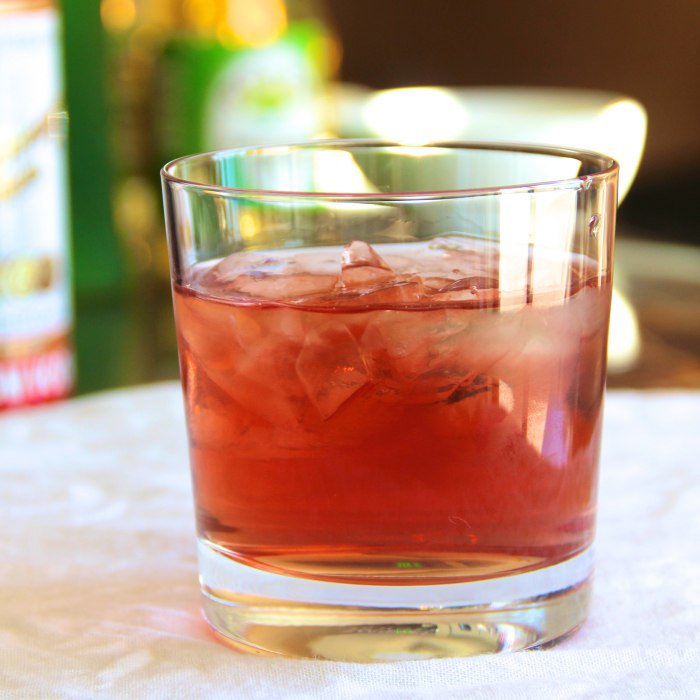
Der Kool-Aid Shot ist ein fruchtiger und farbenfroher Cocktail, der mit verschiedenen Geschmacksrichtungen von Kool-Aid und Wodka zubereitet wird. Diese erfrischende Mischung sorgt für einen süßen und spritzigen Genuss, der perfekt für Partys und gesellige Runden ist. Seine lebendige Farbe und der süße Geschmack machen ihn zu einem beliebten Highlight an jeder Bar.
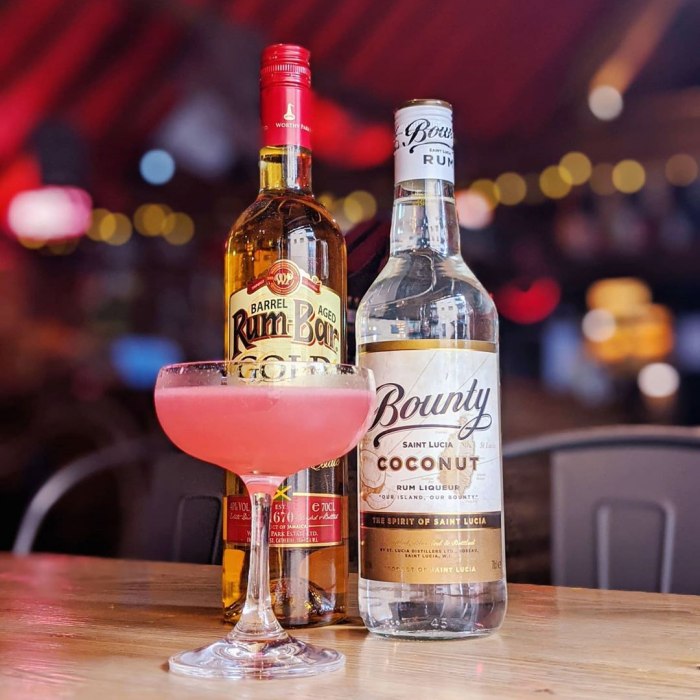
Bounty Hunter
Der "Bounty Hunter" ist ein exotischer Cocktail, der die Aromen tropischer Früchte mit einem Hauch von Rum vereint. Er begeistert mit einer erfrischenden Mischung aus Ananas, Kokosnuss und einem Spritzer Limette, perfekt für einen sonnigen Tag oder einen entspannten Abend. Ein echter Genuss für alle, die das Abenteuer lieben!
Rail Splitter
Der Rail Splitter ist ein erfrischender Cocktail, der mit einer harmonischen Mischung aus Bourbon, frischem Zitronensaft und einem Hauch von Honig zubereitet wird. Diese köstliche Kombination bietet eine perfekte Balance zwischen süßen und sauren Aromen, die den Gaumen verwöhnen. Ideal für gesellige Abende oder als Genuss nach einem langen Tag.
Similar Flavor Profiles
Damned if you do
Der "Damned if you do" ist ein verführerischer Cocktail, der mit einer harmonischen Mischung aus kräftigem Whiskey und fruchtigen Aromen begeistert. Abgerundet mit einem Hauch von Zitrus und einem spritzigen Finish, bietet er ein unvergessliches Geschmackserlebnis, das sowohl Liebhaber klassischer Cocktails als auch neugierige Genießer anspricht. Perfekt für einen geselligen Abend oder einen besonderen Anlass!
24k nightmare
Der "24k Nightmare" ist ein extravagantes Cocktail-Erlebnis, das goldene Funken und unverwechselbare Aromen vereint. Mit einer Mischung aus edlen Spirituosen, frischen Zitrusfrüchten und einem Hauch von exotischen Gewürzen, bietet dieser Drink eine verführerische Balance zwischen Süße und herben Noten. Ein wahrhaft schillerndes Getränk, das sowohl das Auge als auch den Gaumen begeistert.
Smut
Der Cocktail "Smut" ist eine verführerische Mischung aus fruchtigen und würzigen Aromen, die perfekt harmonieren. Mit einer Basis aus hochwertigen Spirituosen und einem Hauch von exotischen Zutaten bietet er ein unvergessliches Geschmackserlebnis, das die Sinne anregt. Ideal für einen besonderen Abend oder um einfach mal etwas Neues auszuprobieren!
Blackthorn
Der Blackthorn ist ein klassischer Cocktail, der aus Gin, Süßem Wermut und einem Hauch von Bitterstoffen besteht. Sein ausgewogenes Geschmacksprofil kombiniert die herben Noten des Gins mit der Süße des Wermuts, während die Bitterkeit eine erfrischende Tiefe hinzufügt. Oft garniert mit einer Zitronenzeste, ist dieser Drink sowohl elegant als auch aromatisch.
Advertisement