After Dinner Cocktails: Digestifs Guide

Master after dinner cocktails with recipes, digestif spirits, and hosting tips. Learn Brandy Alexander, Espresso Martini, amaro cocktails, and perfect serving etiquette.
Advertisement
After Dinner Cocktails: Complete Guide to Digestifs
The final course has been cleared, dessert plates sit empty, and your guests settle into their chairs with satisfied sighs. This is the moment when a well-chosen after dinner cocktail transforms a good meal into a memorable experience. More than just another drink, the digestif represents centuries of culinary tradition, botanical science, and social ritual that bridges the gap between dining and relaxed conversation.
Key Takeaways
- Digestifs traditionally aid digestion through bitter compounds and higher alcohol content after meals
- Classic after dinner cocktails fall into four categories amaro-based, cream-based, spirit-forward, and coffee
- Timing is crucial serve digestifs 15-30 minutes after dessert when guests are settled and conversation flows
- Traditional digestif spirits like Fernet, Amaro, and Chartreuse contain botanical compounds that support digestion
- Modern digestif culture embraces lighter options and creative presentations while honoring classic principles
After dinner cocktails serve a purpose beyond mere indulgence. Historically rooted in European dining culture, digestifs were believed to aid digestion through their botanical ingredients and higher alcohol content. Whether you embrace the traditional amaro-based classics or prefer modern interpretations like the Espresso Martini, understanding the art of the digestif elevates your hosting game and deepens your appreciation for cocktail culture.
In this comprehensive guide, we'll explore the fascinating world of after dinner cocktails—from the bitter complexity of Fernet-Branca to the creamy indulgence of a Brandy Alexander, from centuries-old traditions to contemporary innovations. You'll learn when to serve these drinks, how to pair them with food, and master the recipes that define digestif excellence.
Understanding Digestif Culture and Purpose
The word "digestif" comes from the French digestive, referring to beverages consumed after meals to aid digestion. This tradition dates back to medieval monasteries, where monks crafted herbal elixirs believed to settle the stomach and promote wellbeing after heavy meals. These early digestifs combined high-proof spirits with botanical ingredients like wormwood, gentian root, chamomile, and dozens of herbs thought to possess medicinal properties.
While modern science remains divided on whether digestifs genuinely aid digestion, the tradition persists for good reason. The ritual of a post-meal drink creates a natural transition from eating to socializing, signaling that the formal meal has concluded and relaxed conversation can begin. The slightly higher alcohol content and complex flavors encourage slow sipping rather than rapid consumption, extending the evening's enjoyment without the heaviness of additional food.
The Science Behind Digestifs
Traditional digestif spirits contain bitter compounds from botanical ingredients that may stimulate digestive enzymes and bile production. Herbs like gentian, wormwood, and artichoke—common in amaro cocktails—have been used in herbal medicine for centuries specifically for digestive support. The alcohol itself can help relax the stomach muscles and may aid in breaking down rich, fatty foods.
However, the psychological component shouldn't be underestimated. The act of sitting back with a carefully crafted cocktail, engaging in unhurried conversation, and allowing your meal to settle naturally promotes better digestion than rushing from the table. After dinner cocktails create an intentional pause that benefits both body and mind.
European Traditions vs. Modern Approaches
In Italy, the digestif is sacred—nearly every meal ends with an amaro, grappa, or limoncello served neat. The French favor cognac, Armagnac, or herbal liqueurs like Chartreuse. Germans reach for schnapps or kräuterlikör. These traditions emphasize straight spirits or simple preparations that showcase the base ingredient's complexity.
Modern American cocktail culture has expanded the digestif concept to include more elaborate cocktails. The Espresso Martini, invented in the 1980s, would make traditional Italian digestif drinkers raise an eyebrow, yet it perfectly fulfills the after dinner role with its coffee depth and elegant presentation. Today's digestif culture embraces both approaches: honoring tradition while innovating with contemporary techniques and flavor profiles.
Categories of After Dinner Cocktails
Understanding the main categories of after dinner cocktails helps you select the right drink for your guests, the season, and the meal that preceded it. Each category offers distinct flavor profiles and experiences.
Amaro-Based Digestifs
Amaro means "bitter" in Italian, and these spirit-infused botanical elixirs represent the most traditional digestif category. Ranging from moderately bitter to intensely bracingly bitter, amari showcase complex herbal profiles with varying levels of sweetness. These after dinner cocktails appeal to adventurous palates.
Amaro-based cocktails tend to be spirit-forward, lower in sugar than cream-based options, and celebrated for their perceived digestive benefits. They're perfect after rich, heavy meals where something refreshing and palate-cleansing is needed. The bitter components help cut through lingering fat and reset your taste buds.
Popular amaro cocktails include variations on the Negroni served as a digestif, amaro and soda highballs, or simply a chilled shot of Fernet-Branca—the bartender's handshake that has become a badge of honor in cocktail culture.
Cream-Based Indulgences
For those who view after dinner drinks as liquid dessert, cream-based cocktails deliver rich, indulgent satisfaction. These drinks combine spirits or liqueurs with heavy cream, half-and-half, or milk to create velvety textures and dessert-like flavors.
The Brandy Alexander and Grasshopper represent this category's golden age, when after dinner cocktails leaned decidedly sweet and creamy. While these drinks fell out of fashion during the craft cocktail revival's bitter-focused phase, they've experienced a renaissance as bartenders rediscover their comforting appeal and undeniable deliciousness.
Cream-based after dinner cocktails work best following lighter meals where there's still room for something substantial, or when you're skipping dessert entirely and want the cocktail to serve that role. They're particularly welcome during colder months when richness feels appropriate and comforting.
Spirit-Forward Classics
These minimalist after dinner cocktails let high-quality base spirits shine with minimal adornment—usually just one or two complementary ingredients. The Rusty Nail, Stinger, and various aged spirit serves fall into this category.
Spirit-forward digestifs appeal to those who appreciate the nuances of fine cognac, aged whisky, or premium brandy. They're sophisticated, conversation-worthy drinks that encourage slow sipping and contemplation. Unlike amaro-based options, these cocktails tend toward sweetness and warmth rather than bitterness.
This category particularly suits formal dinner parties or special occasions where you want to showcase premium bottles. They also work beautifully when served alongside cheese courses or petit fours, creating elegant pairing opportunities.
Coffee-Forward Cocktails
Coffee's natural affinity for after dinner service makes coffee-based cocktails a modern digestif staple. The Espresso Martini leads this category, though variations incorporating coffee liqueur, cold brew, or espresso have proliferated in recent years.
Coffee cocktails occupy an interesting middle ground—they provide the ritual closure of a digestif while offering a subtle energy boost that can extend the evening. This makes them particularly popular at dinner parties where hosts want guests to stay engaged rather than drift toward sleepiness.
The key to excellent coffee cocktails lies in using quality, freshly brewed espresso and balancing the coffee's bitterness with complementary sweetness. These after dinner cocktails work year-round but feel especially appropriate at brunches, business dinners, or any occasion where the evening continues beyond the meal.
Classic After Dinner Cocktails: Six Essential Recipes
These six recipes represent the pillars of digestif cocktail culture. Master these, and you'll have appropriate after dinner options for virtually any occasion, guest preference, or preceding meal.
Brandy Alexander
The Brandy Alexander embodies 1920s sophistication—a creamy, dessert-like cocktail that transforms quality cognac into liquid indulgence. Created during Prohibition when cream helped mask the harsh flavor of bootleg spirits, this cocktail has outlasted that necessity to become a legitimate classic.
Recipe:
- 1.5 oz cognac or brandy
- 1 oz dark crème de cacao
- 1 oz heavy cream
- Freshly grated nutmeg for garnish
Shake all ingredients vigorously with ice until well-chilled and the cream is properly emulsified. Strain into a chilled coupe glass and garnish with freshly grated nutmeg. The result should be silky smooth, with the cognac's grape and oak notes complementing chocolate and cream.
When to serve: After lighter meals, as a dessert replacement, or during cold weather gatherings. The Brandy Alexander works beautifully following seafood dinners or when you want something comforting and nostalgic.
Grasshopper
Bright green, unabashedly sweet, and utterly delicious, the Grasshopper represents mid-century cocktail excess at its finest. Created at Tujague's in New Orleans during the 1950s, this mint-chocolate combination has charmed generations despite—or perhaps because of—its theatrical presentation.
Recipe:
- 1 oz green crème de menthe
- 1 oz white crème de cacao
- 1 oz heavy cream
- Fresh mint sprig for garnish
Shake all ingredients with ice until very cold and properly emulsified. Strain into a chilled coupe glass and garnish with a fresh mint sprig. The bright green color shouldn't deter serious cocktail enthusiasts—beneath the whimsy lies a perfectly balanced drink.
When to serve: As a conversation starter, after Italian meals (the mint aids digestion), or when you want to inject fun into a formal dinner. The Grasshopper never fails to generate reactions, making it perfect for breaking ice with new guests.
Stinger
Elegance through simplicity defines the Stinger—a two-ingredient masterpiece that transforms cognac into a refreshing digestif. Popular during the early 20th century and favored by literary figures like Ian Fleming, this cocktail proves that minimalism can be sophisticated.
Recipe:
- 2 oz cognac
- 0.5 oz white crème de menthe
Stir both ingredients with ice until well-chilled. Strain into a chilled coupe or serve over fresh ice in a rocks glass. The mint should provide refreshing brightness without overwhelming the cognac's complexity.
When to serve: After rich, heavy meals where you need something refreshing but refined. The Stinger works particularly well following beef, game, or rich French cuisine. It's also an excellent introduction to cognac for those who find it too intense neat.
Black Russian
Born in 1940s Brussels, the Black Russian combines vodka and coffee liqueur into a simple yet satisfying after dinner cocktail. Its sibling, the White Russian, adds cream, but the original Black Russian delivers coffee intensity without dilution.
Recipe:
- 2 oz vodka
- 1 oz coffee liqueur (Kahlua or similar)
Build in an old fashioned glass over fresh ice. Stir gently to combine. No garnish needed—the dark, mysterious appearance speaks for itself.
When to serve: When you want coffee's flavor without brewing espresso, after Italian or Mediterranean meals, or when guests prefer straightforward, unfussy cocktails. The Black Russian is also excellent for transitioning from dinner to late-night socializing.
Espresso Martini
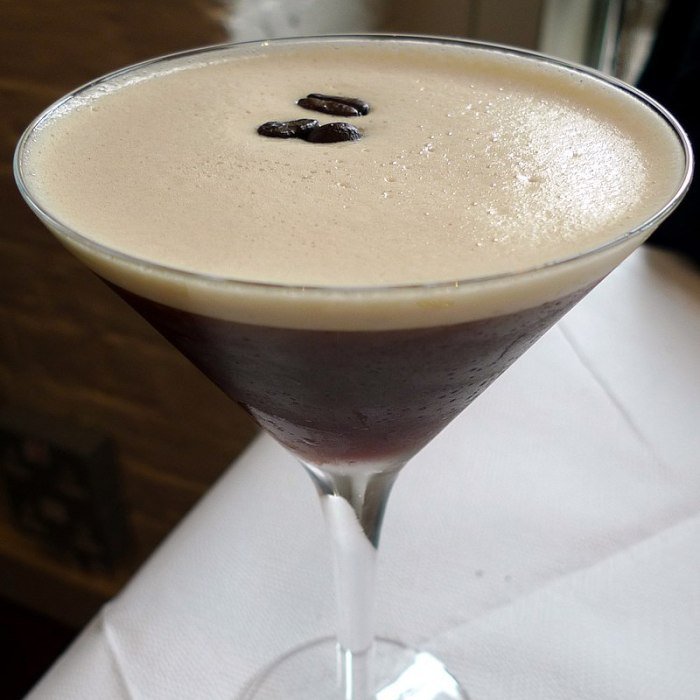
Created by legendary London bartender Dick Bradsell in the 1980s, the Espresso Martini has become the modern era's definitive after dinner cocktail. It delivers sophisticated coffee flavor, elegant presentation, and just enough energy to keep the evening vibrant.
Recipe:
- 2 oz vodka
- 1 oz coffee liqueur
- 1 oz fresh espresso (cooled slightly)
- 0.5 oz simple syrup
- 3 coffee beans for garnish
Shake all ingredients vigorously with ice—this drink needs aggressive shaking to create the signature foam. Strain into a chilled coupe or martini glass and garnish with three coffee beans floated on the foam. The result should feature a rich crema-like foam topping.
When to serve: At contemporary dinner parties, after dessert when you want to re-energize guests, or when the evening will continue with games, conversation, or entertainment. The Espresso Martini has become so popular it transcends traditional digestif timing and appears on dessert menus worldwide.
For perfect execution, use fresh espresso that's cooled to room temperature—too hot and it won't create proper foam, too cold and it won't extract enough flavor. Quality coffee liqueur makes an enormous difference in the final product.
Rusty Nail
Scotland's contribution to digestif culture, the Rusty Nail combines Scotch whisky with Drambuie, a honey and herb liqueur that adds sweetness and complexity. This warming, spirit-forward cocktail epitomizes cozy, contemplative after dinner drinking.
Recipe:
- 2 oz Scotch whisky (blended or single malt)
- 0.75 oz Drambuie
- Lemon twist for garnish
Build in an old fashioned glass over ice. Stir gently and garnish with a lemon twist expressed over the drink. The Drambuie should enhance rather than overpower the Scotch, adding honeyed sweetness and herbal complexity.
When to serve: After hearty, rich meals—particularly game, beef, or traditional British/Scottish cuisine. The Rusty Nail works beautifully in colder months and pairs exceptionally with cheese courses or shortbread. For more Scotch cocktail inspiration, explore our scotch cocktails guide.
Digestif Spirits Guide: Building Your After Dinner Bar
Understanding the spirits that define digestif culture helps you select bottles for your home bar and create your own after dinner cocktail variations. These are the essential categories and specific bottles worth knowing.
Fernet-Branca: The Bartender's Handshake
Fernet-Branca represents the most intensely bitter category of amaro, containing 27 herbs and spices including myrrh, rhubarb, chamomile, and saffron. Its dark, almost medicinal intensity has made it a cult favorite among bartenders who drink it as a post-shift ritual—hence "bartender's handshake."
The first sip of Fernet can be shocking—intense bitterness, menthol coolness, and herbaceous complexity hit simultaneously. But those who acquire the taste often become devotees. Fernet is traditionally served as a chilled shot in Argentina (where it's mixed with Coca-Cola in the highball Fernet con Cola) or neat as a digestif.
In cocktails, Fernet appears in the Toronto (rye, Fernet, simple syrup, Angostura bitters) or as a dramatic float atop other drinks. A little goes a long way—even a quarter ounce can transform a cocktail with its distinctive flavor. Beyond Fernet-Branca, explore Fernet Vallet from Mexico or Fernet Leopold from Colorado for regional variations.
Amaro Montenegro: The Gentle Introduction
If Fernet represents digestif intensity, Amaro Montenegro offers an approachable entry point. Created in Bologna in 1885, Montenegro balances bitterness with notable sweetness and citrus brightness. Its flavor profile includes vanilla, orange peel, and warm spices that make it far more accessible than harder amari.
Serve Montenegro neat, over ice, or in simple highballs with soda water and orange. It also works beautifully in stirred cocktails as a modifier—try substituting it for Campari in a Negroni for a softer, more complex variation. Montenegro's versatility makes it an excellent first amaro for building your digestif collection.
Chartreuse: Green Gold from the Monastery
Chartreuse holds a unique position in digestif culture—a 400-year-old recipe crafted by Carthusian monks using 130 herbs and plants. It comes in two main varieties: Green Chartreuse at 110 proof with intense herbal complexity, and Yellow Chartreuse at 80 proof with honey-forward sweetness.
Green Chartreuse delivers extraordinary complexity—no two sips taste identical as different herbs emerge and recede. The high proof carries aggressive herbal flavor that works beautifully in stirred cocktails like the Last Word or Bijou. Yellow Chartreuse offers gentler introduction with saffron, anise, and honey notes.
Both varieties can be served neat as digestifs, though their intensity makes them challenging for casual drinkers. In cocktails, even small amounts create distinctive character. Chartreuse's mystique stems partly from its genuine monastic production—only two monks know the complete recipe, passing knowledge to successors in an unbroken chain since 1737.
Bénédictine: The Sweet Herbal Liqueur
Bénédictine claims origins in a 16th-century French monastery recipe, though modern production began in 1863. This honeyed, spice-forward liqueur contains 27 herbs and spices including angelica, hyssop, and juniper. Unlike bitter amari, Bénédictine emphasizes sweetness and warmth.
The liqueur appears famously in the Singapore Sling and Vieux Carré, but serves admirably as a digestif on its own, either neat or over ice. B&B—a blend of Bénédictine and brandy—offers a drier, more spirit-forward variation. Bénédictine's gentle complexity makes it excellent for guests who want digestif sophistication without bitter intensity.
Aged Spirits: Cognac, Armagnac, and Whisky
Beyond herbal liqueurs, aged grape and grain spirits form the backbone of traditional digestif service. Cognac and Armagnac—France's premier brandies—offer complex fruit, oak, and spice flavors developed through years of barrel aging. These spirits are often served neat in snifters, though they also create the foundation for classics like the Stinger and Brandy Alexander.
Aged whisky—whether Scotch, bourbon, or rye—serves equally well as a digestif. The oak aging imparts vanilla, caramel, and spice notes that provide warming, contemplative satisfaction. Spirit-forward cocktails like the Rusty Nail showcase how minimal additions can enhance rather than mask premium aged spirits.
When building a digestif-focused home bar, prioritize one quality aged spirit (VS or VSOP cognac, or a good 12-year Scotch) alongside one or two liqueurs from the categories above. This foundation enables you to create most classic after dinner cocktails while offering neat pours for traditionalists.
When to Serve After Dinner Cocktails: Timing and Etiquette
The timing of digestif service significantly impacts how well these drinks fulfill their purpose. Serve too early, and they interfere with dessert enjoyment. Too late, and the meal's momentum dissipates. Understanding proper timing elevates your hosting from good to exceptional.
The Ideal Timing Window
Traditional digestif service occurs 15-30 minutes after dessert has been cleared and guests have settled into post-meal conversation. This timing allows food to settle, creates natural anticipation, and signals the transition from formal dining to relaxed socializing.
Watch for these cues that indicate proper digestif timing:
- Conversation has moved away from discussing the meal itself
- Guests appear comfortably settled rather than still eating dessert
- The pace has naturally slowed and relaxed
- Coffee service has concluded (or can be offered alongside cocktails)
At formal dinner parties, you might announce digestifs: "I have some after dinner cocktails prepared—would anyone care for a Brandy Alexander or perhaps an Espresso Martini?" This gives guests clear permission to accept or decline without awkwardness.
Creating the Right Atmosphere
After dinner cocktails deserve different presentation than pre-dinner or dinner cocktails. Consider these elements:
Location shift: If possible, move from the dining table to a living room, library, or outdoor space. This physical transition reinforces that the meal has concluded and a new phase of the evening begins.
Lighting and ambiance: Slightly dimmer lighting, candles, or a fireplace creates intimate atmosphere appropriate for digestif conversation. The environment should encourage lingering rather than hustling.
Serving style: Unlike batch cocktails for parties, digestifs often merit individual preparation and presentation. The care taken in crafting each drink demonstrates hospitality and honors the tradition.
Accompaniments: Consider offering small accompaniments—chocolates, biscotti, cheese, or dried fruit. These shouldn't constitute another course, merely small bites that complement the drinks and extend the evening.
Reading Your Audience
Not every occasion calls for elaborate after dinner cocktails. Weeknight dinners might conclude with simple offerings—a digestif liqueur served neat, or coffee with optional spirits on the side. Reserve complex preparations for special occasions when the effort matches the event's significance.
Consider your guests' preferences and the meal that preceded. After extremely heavy meals, lighter digestifs or even herbal tea might be more welcome than rich cream cocktails. Following lighter cuisine, indulgent options become more appropriate.
Food Pairing Principles for Digestifs
While digestifs traditionally follow meals rather than accompanying food, understanding pairing principles helps you select appropriate drinks based on what preceded them. The right digestif complements the meal's flavors while cleansing the palate.
Pairing with Rich, Heavy Meals
After substantial meals featuring red meat, game, or rich sauces, bitter or herbal digestifs provide welcome relief. Amaro-based cocktails, Fernet, or the minty refreshment of a Stinger cut through lingering richness and reset the palate.
The bitter compounds in amari specifically target the sensation of fullness, providing genuine (or at least perceived) digestive assistance. These drinks should feel refreshing rather than adding more heaviness.
Following Seafood and Lighter Fare
Delicate meals call for equally refined digestifs. Spirit-forward cocktails showcasing quality cognac or aged whisky complement without overwhelming. The Rusty Nail works beautifully after lighter cuisine, as do simple preparations of premium spirits.
Avoid intensely bitter options that might clash with lingering seafood flavors. Instead, choose warming, smooth digestifs with gentle complexity.
Dessert Replacement Strategy
When serving cream-based after dinner cocktails like the Brandy Alexander or Grasshopper, consider them dessert replacements rather than accompaniments. Their richness and sweetness satisfy sweet cravings while providing the digestif's traditional role.
This approach works particularly well at cocktail-focused dinner parties where the drinks are the highlight. Serving a substantial dessert followed by a rich cream cocktail can overwhelm even enthusiastic diners.
Cheese Course Companions
The French tradition of serving cheese after the main course but before or instead of dessert creates perfect digestif pairing opportunities. Aged spirits, particularly cognac and whisky, complement cheese beautifully.
Spirit-forward cocktails like the Rusty Nail or Stinger enhance cheese tasting without overpowering delicate flavors. This pairing extends the meal's sophistication while creating a natural bridge to post-dinner conversation.
Hosting Tips: Serving Digestifs with Style
Creating memorable after dinner cocktail experiences requires more than just good recipes—it demands attention to presentation, preparation, and the subtle details that separate adequate from exceptional hospitality.
Preparation and Planning
Prep in advance: Many digestif cocktails can be partially prepared ahead. Pre-measure spirits and liqueurs for cream-based drinks, brew espresso for coffee cocktails, and chill glassware. This allows you to serve drinks promptly without scrambling.
Offer choices: Providing 2-3 options accommodates different preferences—perhaps one bitter option (amaro-based), one sweet option (cream-based), and one middle-ground choice (spirit-forward or coffee). This ensures guests find something appealing without overwhelming them with decisions.
Consider alternatives: Not everyone wants alcohol after a meal. Offering excellent coffee, herbal tea, or non-alcoholic digestif alternatives (ginger tea, herbal bitters mixed with soda) demonstrates inclusive hospitality.
Presentation Excellence
Appropriate glassware: Digestifs deserve proper vessels. Coupes for cream cocktails, rocks glasses for spirit-forward builds, specialty glasses for neat pours. Using correct glassware signals care and attention to tradition.
Garnish thoughtfully: After dinner cocktails merit careful garnishing. Freshly grated nutmeg on cream drinks, properly expressed citrus twists on spirit-forward cocktails, perfect coffee beans on Espresso Martinis—these details matter.
Serve at proper temperature: Cream cocktails should be very cold with proper dilution. Spirit-forward drinks benefit from larger ice cubes that chill without rapidly diluting. Amari can be served at room temperature or chilled based on preference.
Creating Digestif Traditions
Consider developing signature after dinner cocktails for your household. Perhaps you're known for exceptional Brandy Alexanders, or you've perfected a unique amaro highball. These traditions create anticipation and give your hospitality a distinctive character.
Document what works—which cocktails received the best reception after particular meals, which combinations of drinks offered good variety, which preparations proved most efficient. This personal knowledge transforms you from following recipes to developing expertise.
Modern vs. Classic Approaches to After Dinner Cocktails
Contemporary cocktail culture has reimagined digestifs while respecting tradition, creating tension between classical service and innovative approaches. Understanding both perspectives enriches your after dinner cocktail repertoire.
The Traditional Perspective
Classical digestif service emphasizes simplicity, quality, and tradition. This approach values:
- Premium base spirits served neat or with minimal adornment
- Bitter amari and herbal liqueurs for their digestive properties
- Formal presentation and proper glassware
- Regional traditions (Italian amaro, French cognac, Scottish whisky)
- The digestif as a bridge to contemplative conversation
Traditionalists might argue that elaborate cocktails distract from the digestif's purpose—settling the stomach and providing gentle transition from meal to evening's end. A neat pour of Fernet or quality cognac requires no recipe, showcases the spirit's complexity, and honors centuries of tradition.
The Contemporary Innovation
Modern bartenders have expanded digestif possibilities while maintaining core principles:
- Creative coffee cocktails beyond the Espresso Martini
- Lower-ABV digestif cocktails for extended drinking
- Seasonal ingredients and house-made liqueurs
- Presentation innovation (smoke, specialized garnishes, unique vessels)
- Cross-cultural fusion (Japanese whisky digestifs, Latin American amari)
This approach argues that digestifs should evolve with contemporary tastes while fulfilling traditional purposes. An innovative coffee cocktail featuring house-made cold brew liqueur and vanilla cognac can provide the same evening-ending satisfaction as a traditional brandy while offering modern flavor complexity.
Finding Your Balance
The best approach combines both perspectives—respecting tradition while embracing appropriate innovation. Consider these principles:
Honor the purpose: Whether serving classic Fernet or modern espresso cocktails, the drink should aid transition from meal to relaxation. Overly complicated preparations that require extensive bartending disrupt this flow.
Match the occasion: Formal dinners merit traditional presentations. Casual gatherings accommodate more experimental approaches. Let context guide your choices.
Know your audience: Traditional guests appreciate classic service. Adventurous cocktail enthusiasts welcome innovation. Read the room and adjust accordingly.
Quality over novelty: An impeccably made traditional Stinger outshines a poorly executed innovative digestif every time. Master classics before experimenting with variations.
The digestif's ultimate purpose—facilitating digestion, enabling conversation, and extending the evening's pleasure—remains constant whether you serve 400-year-old Chartreuse or a contemporary espresso creation. Focus on this purpose rather than adhering rigidly to either traditional or modern camps.
Frequently Asked Questions
What is the difference between an aperitif and a digestif?
Aperitifs are served before meals to stimulate appetite and prepare the palate, typically featuring lighter, bitter, or sparkling characteristics. Digestifs come after meals to aid digestion, featuring higher alcohol content, richer flavors, and often bitter or herbal components. Aperitifs wake up your appetite; digestifs settle your stomach.
Do digestifs actually help with digestion?
Traditional digestif spirits contain botanical ingredients with potential digestive benefits—bitter compounds may stimulate digestive enzymes and bile production. However, scientific evidence remains mixed. The ritual of sitting back and relaxing with a drink after eating likely aids digestion as much as the ingredients themselves. Psychological benefits are real even if physiological effects are debated.
What are the best digestifs for beginners?
Start with approachable options like the Espresso Martini, Brandy Alexander, or Rusty Nail. These cocktails balance digestif characteristics with familiar flavors. For straight spirits, try Amaro Montenegro (gentler than Fernet) or VS cognac. Avoid intensely bitter amari like Fernet-Branca until you've developed a taste for bitter flavors.
How long should you wait after dinner to serve digestifs?
Wait 15-30 minutes after dessert has been cleared and guests have settled. This timing allows food to settle while maintaining the evening's momentum. Watch for conversation to become relaxed and guests to appear comfortably settled rather than still actively eating.
Can you serve digestifs with dessert?
While possible, traditional etiquette suggests serving digestifs after dessert rather than alongside it. The exception is when the digestif replaces dessert—rich cream cocktails like Brandy Alexanders or Grasshoppers can serve this dual purpose. Coffee-based digestifs sometimes accompany very light desserts like biscotti.
What temperature should digestifs be served?
This varies by type. Cream cocktails should be very cold and well-shaken. Amari can be served at room temperature, chilled, or over ice based on preference. Aged spirits are typically served neat at room temperature or with a single large ice cube. Coffee cocktails should be cold but not so icy that they lose flavor. When in doubt, slightly chilled works for most digestifs.
Are there non-alcoholic digestif options?
Yes! Herbal teas (especially ginger, peppermint, or chamomile), non-alcoholic amari alternatives, coffee, and sparkling water with digestive bitters all serve as digestifs. The ritual matters as much as the alcohol—providing something special to sip while conversation flows creates the digestif experience regardless of alcohol content.
Conclusion: Mastering the Art of the After Dinner Cocktail
The digestif represents more than just another cocktail—it's a cultural tradition, a digestive aid, and a social ritual that transforms good meals into memorable experiences. Whether you embrace the bitter complexity of Fernet-Branca, the creamy indulgence of a Brandy Alexander, or the sophisticated energy of an Espresso Martini, after dinner cocktails offer something for every palate and occasion.
The key to digestif excellence lies in understanding purpose, respecting tradition while embracing appropriate innovation, and reading your audience to serve drinks that enhance rather than interrupt the evening's flow. Master the six classic recipes presented here, explore the digestif spirits that define the category, and develop your own hosting style that balances preparation with spontaneity.
Start simple—perhaps with a well-made Rusty Nail following your next hearty dinner, or an Espresso Martini after a contemporary meal with friends. Pay attention to timing, invest in quality base spirits and liqueurs, and create the atmosphere that makes digestifs shine. As your confidence grows, explore the vast world of amari, experiment with variations on classics, and perhaps develop signature after dinner cocktails that become part of your hosting tradition.
The beauty of digestif culture lies in its ability to extend the pleasure of good food and company into something more contemplative and refined. In our rush-through-everything world, the digestif creates a deliberate pause—a moment to savor, reflect, and connect. That tradition, whether expressed through 400-year-old Chartreuse or a perfectly executed modern espresso cocktail, remains as relevant today as when monks first crafted their digestive elixirs centuries ago.
Raise a glass to the art of the after dinner cocktail, and discover how the right drink at the right moment can transform a good evening into an unforgettable one. Salute!
Tags:
Advertisement
About Willow
Seasonal & Winter Cocktails Expert at Hero Cocktails, passionate about crafting exceptional cocktails and sharing mixology expertise.
Advertisement