Amaretto Sour Recipe: Master the Modern Classic
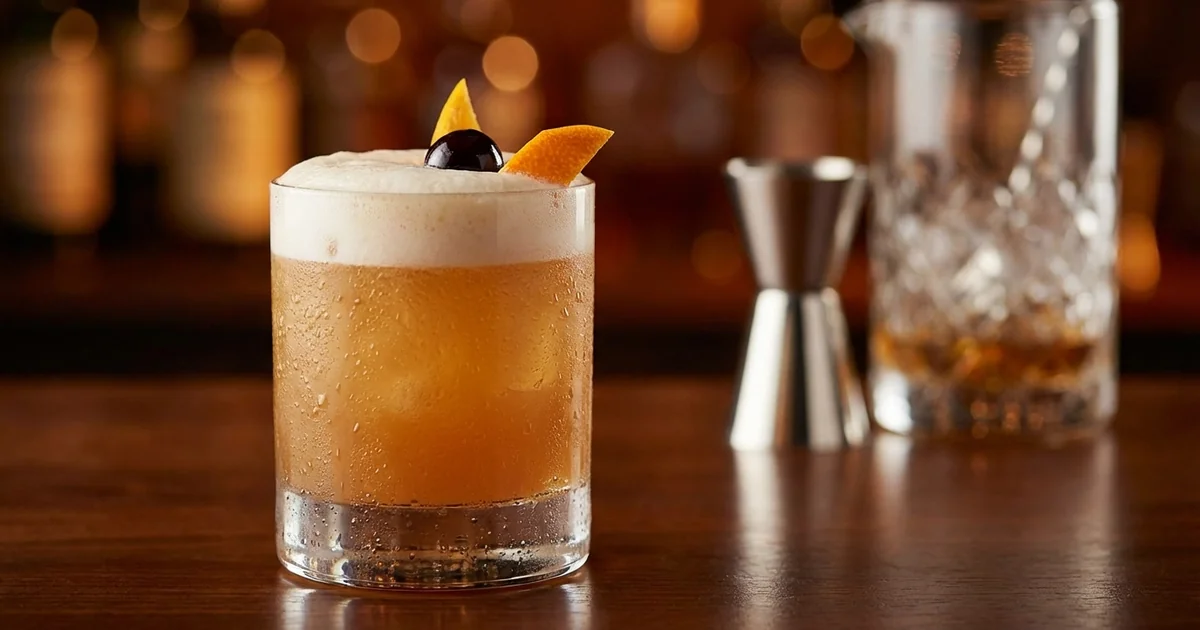
Master the upgraded amaretto sour with bourbon, egg white foam, and perfect citrus balance. Learn Jeffrey Morgenthaler's technique for this revived classic cocktail.
Advertisement
Amaretto Sour Recipe: Master the Modern Classic
Few cocktails have experienced such a dramatic reputation reversal as the Amaretto Sour. Once relegated to the realm of cloyingly sweet 1970s relics, this Italian-American hybrid has staged one of the most impressive comebacks in modern mixology. The transformation didn't happen by accident—it took a talented Portland bartender named Jeffrey Morgenthaler to rescue this amaretto sour recipe from obscurity and prove that with the right technique and proportions, it deserves a place among the classics.
Key Takeaways
- Jeffrey Morgenthaler revolutionized the Amaretto Sour by adding cask-proof bourbon and egg white for balanced complexity
- The classic 1970s version was overly sweet, leading to the cocktail's dismissal among serious bartenders
- Disaronno is the standard choice, but Lazzaroni offers a less sweet, more sophisticated alternative
- The 2:1 ratio of amaretto to lemon juice creates perfect sweet-tart balance when bourbon is added
- Egg white transforms the texture while garnishes of cherry and lemon add aromatic finishing touches
What makes the modern amaretto sour so compelling is how it balances sweet almond liqueur with bright citrus and the complexity of bourbon whiskey. The addition of egg white creates a luxurious foam that softens the drink's edges while elevating its presentation from dive bar special to craft cocktail worthy of any serious bar program. Understanding how to make amaretto sour properly means learning both the troubled history that nearly killed it and the innovations that brought it roaring back to life.
The Rise, Fall, and Phoenix-Like Return
The Amaretto Sour emerged during the 1970s cocktail renaissance, when sweet, approachable drinks dominated bar menus across America. The original amaretto sour recipe was deceptively simple: amaretto liqueur, sour mix, and a cherry garnish. It offered an easy-drinking alternative to stronger cocktails, appealing to those intimidated by the bold flavors of spirits-forward drinks.
This simplicity, however, became its downfall. The widespread use of artificial sour mix—a neon-yellow concoction of corn syrup, citric acid, and preservatives—turned what could have been a balanced cocktail into a tooth-achingly sweet disappointment. Serious bartenders dismissed it as a "beginner's drink" unworthy of craft cocktail culture. By the early 2000s, ordering an Amaretto Sour at a quality cocktail bar would likely earn you a judgmental look.
Enter Jeffrey Morgenthaler, head bartender at Portland's acclaimed Clyde Common. In 2012, Morgenthaler published his reimagined amaretto sour recipe that addressed every flaw of the original. His Jeffrey Morgenthaler amaretto sour added cask-proof bourbon for depth and complexity, replaced sour mix with fresh lemon juice and rich simple syrup, and incorporated egg white for silky texture. The result was a revelation—proof that the core concept was sound but the execution had been fundamentally flawed.
Morgenthaler's version sparked a cocktail renaissance for the Amaretto Sour. Bartenders who had previously dismissed the drink began experimenting with their own variations, rediscovering what made it appealing in the first place: the harmonious marriage of sweet almond notes with bright citrus acidity. Today, the upgraded amaretto sour appears on cocktail menus worldwide, a testament to how classic cocktails can be redeemed through thoughtful innovation.
The Jeffrey Morgenthaler Amaretto Sour Recipe
This is the recipe that changed everything—the blueprint that transformed the Amaretto Sour from punchline to praised cocktail. Morgenthaler's genius lies in his understanding of balance and the strategic use of bourbon to add backbone without overwhelming the amaretto's distinctive character.
Ingredients:
- 1.5 oz amaretto liqueur (Disaronno or Lazzaroni)
- 0.75 oz cask-proof bourbon (100+ proof)
- 1 oz fresh lemon juice
- 1 tsp rich simple syrup (2:1 sugar to water ratio)
- 0.5 oz egg white (or aquafaba for vegan version)
- Ice
- Lemon peel and brandied cherry for garnish
Instructions:
- Combine all ingredients in a cocktail shaker: amaretto, bourbon, fresh lemon juice, rich simple syrup, and egg white
- Dry shake vigorously for 15-20 seconds without ice to emulsify the egg white and create foam
- Add ice to the shaker and shake vigorously for another 10-15 seconds to chill and properly dilute
- Strain into a rocks glass over fresh ice using a Hawthorne strainer
- Express lemon peel oils over the drink's surface and add to glass along with a brandied cherry
The result is a beautifully balanced cocktail with a silky foam cap, bright citrus notes, sweet almond character, and whiskey depth that keeps you coming back for more. The amaretto sour with egg white delivers textural complexity that the original could never achieve, while the bourbon prevents the sweetness from becoming cloying.
Why Cask-Proof Bourbon Changes Everything
The bourbon addition in Morgenthaler's recipe isn't just an afterthought—it's the ingredient that fundamentally transforms the drink from one-dimensional to complex. But not just any bourbon will do; the specification of "cask-proof" or high-proof bourbon (100 proof or higher) is crucial to the recipe's success.
The Proof Principle: Higher-proof bourbon contributes more concentrated flavors without adding excessive volume. At 100-110 proof, spirits like Wild Turkey 101, Old Forester Signature, or Elijah Craig Barrel Proof deliver intense vanilla, caramel, and oak notes that stand up to the amaretto's sweetness. Lower-proof bourbons at 80-90 proof get lost in the mix, failing to provide the necessary counterbalance.
Flavor Synergy: Bourbon's natural flavor profile—vanilla, caramel, toasted oak, and subtle spice—complements rather than competes with amaretto's sweet almond character. The two spirits share aromatic compounds that create harmony in the glass. The bourbon doesn't mask the amaretto; it enhances it by adding layers of complexity.
Sweetness Balance: Amaretto liqueur typically clocks in around 24-28% ABV with significant sugar content. Without the bourbon's assertive presence, the cocktail tilts too far toward sweetness. The whiskey's tannins and higher alcohol content provide structure and dryness that create a more sophisticated drinking experience.
Textural Impact: Higher-proof spirits contribute viscosity and mouthfeel that enhances the egg white's silky texture. This creates a more luxurious drinking experience than lower-proof alternatives.
For those who prefer a less spirit-forward drink, you can reduce the bourbon to 0.5 oz, but dropping below that defeats the purpose of the upgrade. The bourbon isn't there to turn it into a whiskey cocktail—it's there to rescue the Amaretto Sour from its overly sweet past. To explore more bourbon applications, check out our bourbon cocktails for beginners guide.
Amaretto Brand Comparison: Disaronno vs Lazzaroni
The choice of amaretto significantly impacts your final cocktail. While several brands exist, two dominate the conversation: Disaronno and Lazzaroni. Understanding their differences helps you choose the right one for your amaretto sour recipe.
Disaronno: The Market Standard
Disaronno (formerly Amaretto di Saronno) has become nearly synonymous with amaretto itself. Its distinctive square bottle and ubiquitous availability make it the default choice for most bartenders and home enthusiasts.
Flavor Profile: Disaronno offers pronounced sweetness with dominant almond flavor, vanilla undertones, and subtle apricot notes. The sweetness is more pronounced than artisanal alternatives, which works well when balanced with bourbon and lemon in the Morgenthaler recipe.
ABV: At 28% alcohol by volume, Disaronno sits at the higher end of amaretto liqueurs, contributing more spirit character than lower-proof alternatives.
Best For: Disaronno excels in the classic amaretto sour recipe where its sweetness is countered by generous lemon juice and bourbon. Its consistent quality and wide availability make it the reliable choice for most applications.
Lazzaroni: The Artisanal Alternative
Produced by the same Italian family that makes the famous Amaretti di Saronno cookies, Lazzaroni Amaretto offers a more nuanced, less sweet interpretation of the liqueur.
Flavor Profile: Lazzaroni presents a drier, more sophisticated amaretto with pronounced bitter almond notes, subtle apricot character, and less aggressive sweetness. The complexity shines through in cocktails where you want the amaretto to be more than just a sweetening agent.
ABV: At 24% alcohol by volume, Lazzaroni is slightly lower proof than Disaronno, though the difference is negligible in cocktails.
Best For: Lazzaroni works beautifully in the amaretto sour with bourbon, where its less sweet profile creates a more balanced cocktail. It's particularly excellent in spirit-forward drinks like the Godfather cocktail, where subtlety matters.
The Verdict: For your first Amaretto Sour, Disaronno provides the classic experience most people expect. As your palate develops, experiment with Lazzaroni to discover how a drier amaretto changes the drink's character. Some bartenders even split the difference, using 1 oz Disaronno and 0.5 oz Lazzaroni for a balanced profile. For more amaretto applications, explore our amaretto cocktails guide.
Perfecting the Lemon Juice Ratio
The relationship between amaretto and lemon juice defines the Amaretto Sour's character. Get this balance wrong, and you'll end up with either cloying sweetness or puckering tartness. The Morgenthaler recipe's 1.5 oz amaretto to 1 oz lemon juice ratio (3:2) creates the sweet-tart balance that makes the amaretto sour work.
Why 1 oz of Lemon Juice?: This amount provides sufficient acidity to cut through the amaretto's sweetness while allowing the almond flavor to remain prominent. Less than 0.75 oz results in a drink that tastes like liquid marzipan; more than 1.25 oz overwhelms the amaretto and makes the drink taste more like a Whiskey Sour with almond notes.
Fresh Juice Is Non-Negotiable: Bottled lemon juice contains preservatives and lacks the bright, aromatic oils found in freshly squeezed citrus. The difference is dramatic—fresh lemon juice creates a vibrant, lively cocktail while bottled juice produces a flat, one-dimensional drink. Invest in a simple citrus squeezer for consistent results.
Temperature Matters: Room-temperature lemons yield more juice than cold ones. Roll the lemon firmly on your counter before cutting to break down the internal membranes and maximize juice extraction.
The Simple Syrup Factor: Morgenthaler's recipe calls for just 1 teaspoon of rich simple syrup (2:1 sugar to water). This minimal amount might seem surprising given amaretto's sweetness, but it's precisely calibrated. The rich syrup's viscosity adds mouthfeel without excessive sweetness, rounding out the drink's texture. Some bartenders omit it entirely when using Disaronno; others double it when using drier amarettos like Lazzaroni. Adjust based on your amaretto choice and personal preference.
Customizing Your Ratio: Start with the Morgenthaler proportions, then adjust in 0.25 oz increments. Prefer sweeter drinks? Reduce lemon to 0.75 oz or add an extra teaspoon of simple syrup. Want more bite? Increase lemon to 1.25 oz. The beauty of sour-style cocktails is their flexibility once you understand the baseline.
Mastering the Egg White Technique
The amaretto sour with egg white represents a significant upgrade over the egg-free version, adding luxurious texture and visual appeal that transforms the drink from simple to sophisticated. Understanding proper egg white technique ensures consistent, impressive results.
The Dry Shake Method
The dry shake—shaking ingredients without ice before adding it—is essential for creating proper foam from egg white. Here's why it works:
Science of Emulsification: Egg white proteins (primarily ovalbumin) unfold and trap air bubbles when agitated. Without ice, the ingredients move more freely in the shaker, creating more vigorous agitation that denatures proteins more effectively. The result is a stable foam that sits atop your cocktail like a cloud.
Proper Technique:
- Add all ingredients including egg white to a dry shaker
- Shake hard for 15-20 seconds—you should hear the ingredients sloshing freely
- Add ice and shake for another 10-15 seconds to chill and dilute
- Strain into your glass using a Hawthorne strainer
The Reverse Dry Shake: Some bartenders prefer shaking with ice first, straining out the ice, then shaking again without ice. This "reverse" method produces even more foam but adds extra steps. For most home bartenders, the standard dry shake delivers excellent results.
Spring Enhancement: Adding a Hawthorne strainer spring to your shaker during the dry shake increases agitation and foam production. Drop the spring in with your ingredients before shaking for noticeably better foam.
Egg Safety and Alternatives
Raw egg whites carry minimal risk when handled properly, but concerns are valid. Here's what you need to know:
Safety Practices: Use fresh, refrigerated eggs from reputable sources. Check for cracks before using. The alcohol in cocktails provides some antibacterial effect, though not complete sterilization. Pasteurized egg whites (available in cartons) eliminate salmonella risk entirely while still producing good foam.
Aquafaba Alternative: For vegan amaretto sour or those avoiding eggs, aquafaba (chickpea liquid from canned chickpeas) works remarkably well. Use 1 oz aquafaba in place of 0.5 oz egg white. Shake exactly as you would with egg white. The foam is slightly less stable but impressively similar in appearance and texture.
Texture Without Egg: If you prefer to skip egg white entirely, the amaretto sour recipe still works beautifully. You'll lose the silky texture and visual foam, but the flavor remains excellent. Consider this the "classic" style—simple, bright, and citrus-forward.
For more foundational techniques, explore our cocktail techniques for beginners guide.
Balancing Sweetness: Finding Your Perfect Formula
The Amaretto Sour's greatest challenge is managing sweetness. Amaretto liqueur contains significant sugar, and without careful balancing, the drink can quickly become cloying. Here's how to find your ideal sweet-tart equilibrium.
The Sweetness Spectrum: The Morgenthaler recipe sits in the middle of the sweetness spectrum—noticeably sweet but balanced by bourbon and lemon. Understanding the variables that affect sweetness helps you customize to your taste.
Amaretto Choice Impact: Disaronno produces a sweeter cocktail than Lazzaroni. If using Disaronno and finding it too sweet, reduce simple syrup by half or eliminate it entirely. With Lazzaroni, the full teaspoon of rich syrup is necessary to prevent excessive tartness.
Bourbon's Balancing Act: The bourbon doesn't just add flavor—it provides a drying element that counteracts sweetness. Using higher-proof bourbon (110+ proof) creates a drier cocktail than 100-proof options. Some bartenders increase bourbon to 1 oz for a more spirit-forward, less sweet result, though this begins to transform it into a different drink.
Lemon Juice Adjustment: The most direct way to counter sweetness is increasing lemon juice. However, beyond 1.25 oz, you risk overwhelming the amaretto's character. If you need more acidity than 1.25 oz provides, your amaretto choice might not suit your taste preferences.
Simple Syrup Fine-Tuning: The recipe's 1 teaspoon of rich simple syrup represents the baseline. Consider it optional and adjustable:
- Omit entirely for a drier, more tart cocktail
- Use regular 1:1 simple syrup for slightly less sweetness
- Increase to 2 teaspoons for a sweeter, more dessert-like drink
Dilution Considerations: Serving over ice gradually dilutes the cocktail, mellowing sweetness over time. Serving "up" in a coupe glass without ice maintains higher sweetness throughout. Choose your serving style based on how sweet you prefer your drink to be from first sip to last.
Taste and Adjust: The best approach is making the recipe as written, tasting it, then adjusting your next batch based on your response. Too sweet? Less syrup or more lemon. Too tart? More syrup or less lemon. The ratios are guidelines, not commandments.
Garnish Matters: Cherry and Lemon Peel
While garnishes might seem purely decorative, they significantly impact the Amaretto Sour's aroma and flavor. The traditional combination of cherry and lemon peel serves both functional and aesthetic purposes.
The Lemon Peel
Expressed Oils: Before placing the lemon peel in your drink, express its oils over the surface. Hold the peel between your fingers, colored side down, about 4 inches above the glass. Quickly snap the peel to release aromatic oils that visibly spray across the foam. These citrus oils contain limonene and other aromatic compounds that enhance the drink's citrus character with every sip.
Peel Preparation: Use a Y-peeler or channel knife to cut a coin-sized piece of lemon peel, avoiding the bitter white pith. The peel should be primarily yellow zest. After expressing, either perch it on the glass rim or drop it into the drink. Some bartenders twist the peel into a spiral for added visual appeal.
The Aromatic Effect: The lemon peel's aromatics hit your nose before each sip, priming your palate for the citrus notes in the cocktail. This aromatic layering creates a more complete sensory experience than garnish-free drinks.
The Cherry
Brandied vs Maraschino: The choice matters more than you might think. Morgenthaler's original recipe specifies a brandied cherry (like Luxardo or Amarena), which offers sophisticated flavor and deep color without the artificial sweetness of bright red maraschino cherries. The brandy-soaked fruit complements the bourbon and amaretto beautifully.
Luxardo Cherries: These Italian cherries represent the gold standard. Dark, rich, and complex, they're preserved in syrup made from the marasca cherry juice rather than corn syrup. One Luxardo cherry costs more than a dozen artificial cherries, but the quality difference is dramatic. They're an investment that elevates every cocktail.
Amarena Cherries: A slightly more affordable Italian alternative, Amarena cherries offer similar quality to Luxardo with a touch more tartness. They work beautifully in the Amaretto Sour.
Placement: The cherry can float atop the foam, rest on the rim with the lemon peel, or drop to the bottom of the glass. Each position creates a different visual effect. Atop the foam makes for stunning presentation but requires a stable foam. At the bottom, it waits as a delicious reward when you finish the cocktail.
Skip the Neon Red: Artificial maraschino cherries have no place in a craft cocktail. Their artificial flavor and garish color detract from the drink's sophisticated character. If you can't source Luxardo or Amarena cherries, skip the cherry entirely rather than using bright red alternatives.
Classic Amaretto Sour vs Modern Version
Understanding the differences between the original 1970s amaretto sour recipe and Morgenthaler's modern interpretation illustrates how far this cocktail has evolved.
Original 1970s Recipe
Ingredients:
- 2 oz amaretto
- 2 oz sour mix
- Cherry garnish
Characteristics: Sweet, one-dimensional, artificially flavored from bottled sour mix. The amaretto's almond notes were the only genuine flavor, overwhelmed by corn syrup sweetness and artificial citric acid. Served over ice in a rocks glass, often with a neon cherry. This version became the reason serious bartenders dismissed the entire concept.
Why It Failed: The reliance on sour mix doomed this recipe from the start. Bottled sour mix contains no fresh juice, only artificial flavoring, preservatives, and excessive sugar. Combined with amaretto's natural sweetness, the result was aggressively sweet with hollow, artificial flavor.
Jeffrey Morgenthaler's Modern Recipe
Ingredients:
- 1.5 oz amaretto
- 0.75 oz cask-proof bourbon
- 1 oz fresh lemon juice
- 1 tsp rich simple syrup
- 0.5 oz egg white
- Lemon peel and Luxardo cherry garnish
Characteristics: Balanced, complex, sophisticated. The bourbon adds depth and dryness; fresh lemon juice provides authentic citrus brightness; egg white creates luxurious texture; quality garnishes add aromatics and visual appeal. This version earns respect from serious bartenders while remaining approachable for casual drinkers.
Why It Succeeds: Every element serves a purpose. The bourbon prevents cloying sweetness, the egg white adds textural sophistication, fresh lemon juice delivers genuine citrus character, and minimal simple syrup provides just enough additional sweetness to round out the edges. It's a completely reimagined cocktail that respects the original concept while fixing every flaw.
The Middle Ground
Some bartenders prefer a simplified modern version that splits the difference:
Ingredients:
- 1.5 oz amaretto
- 0.5 oz bourbon (100 proof)
- 1 oz fresh lemon juice
- 0.5 oz simple syrup (1:1)
- Lemon wheel and cherry garnish (no egg white)
This version captures the improved flavor balance without the egg white technique, making it faster to prepare and appealing to those who prefer simpler cocktails. It represents the minimum viable upgrade from the original recipe.
Delicious Variations Worth Exploring
Once you've mastered the basic amaretto sour recipe, these variations offer new dimensions while maintaining the cocktail's core identity.
Amaretto Whiskey Sour
Flip the ratio for a whiskey-forward version: 1.5 oz bourbon, 0.75 oz amaretto, 1 oz lemon juice, 0.25 oz simple syrup, egg white. This creates essentially a Whiskey Sour with almond notes—perfect for bourbon lovers who find straight Amaretto Sours too sweet. Our whiskey sour recipe guide offers additional whiskey-based sour variations.
Amaretto Stone Sour
Add 1 oz fresh orange juice to the Morgenthaler recipe for a fruitier, more citrus-forward variation. The orange juice adds sweetness and complexity while maintaining tartness. Reduce simple syrup by half to compensate for the orange juice's sugar content.
Spiced Amaretto Sour
Substitute spiced rum (like Plantation Stiggins' Fancy or Chairman's Reserve Spiced) for bourbon. The baking spices in the rum complement amaretto's almond character differently than bourbon, creating an almost holiday-cookie flavor profile. Excellent for fall and winter.
Smoky Amaretto Sour
Replace bourbon with mezcal or Islay Scotch for a dramatically different character. The smoke plays beautifully against sweet almond and tart lemon. Use 0.5 oz of a smoky spirit to avoid overwhelming the amaretto. This variation isn't for everyone, but smoke enthusiasts find it revelatory.
Italian Stallion
Add 0.5 oz Fernet Branca to the standard recipe for bitter herbal complexity. The Fernet's menthol and eucalyptus notes create fascinating contrast with the amaretto's sweetness. This challenging variation appeals to amaro lovers.
Amaretto Sour Spritz
Transform it into a longer drink by building over ice in a highball glass and topping with 2-3 oz of prosecco or champagne. Reduce egg white to avoid foam overflow. This lighter, more effervescent version works beautifully as an aperitif.
Frequently Asked Questions
Can I make an Amaretto Sour without bourbon?
Absolutely! The bourbon is a modern addition to the amaretto sour recipe. Skip it for a simpler, sweeter version closer to the original. However, increase the lemon juice to 1.25 oz to compensate for the bourbon's balancing effect, or the drink may be too sweet.
What's the best bourbon for Amaretto Sour?
Look for cask-proof or high-proof bourbon (100-110 proof) with prominent vanilla and caramel notes. Wild Turkey 101, Old Forester Signature 100, Elijah Craig Barrel Proof, and Old Grand-Dad 114 all work beautifully. Avoid wheated bourbons like Maker's Mark, which can be too soft for this application.
Is it safe to use raw egg white in cocktails?
The risk of salmonella from fresh, properly stored eggs is very low, but it exists. Use fresh eggs from reputable sources, store them refrigerated, and check for cracks. For complete safety, use pasteurized egg whites from a carton, which produce nearly identical foam without any risk. Aquafaba (chickpea liquid) offers a vegan alternative.
How do I make rich simple syrup?
Combine 2 parts sugar to 1 part water in a saucepan. Heat gently while stirring until sugar completely dissolves. Let cool before using. This 2:1 ratio creates a thicker syrup that adds viscosity without requiring large volumes. Store refrigerated for up to one month. Our simple syrup recipes guide offers detailed instructions.
Can I batch Amaretto Sours for a party?
You can pre-mix the amaretto, bourbon, lemon juice, and simple syrup in a pitcher and refrigerate for up to 4 hours. However, add the egg white and shake individually for each serving to achieve proper foam. For parties where foam isn't essential, skip the egg white and batch the entire recipe, serving over ice.
What if my egg white foam isn't forming?
Ensure you're using fresh egg white and shaking vigorously during the dry shake for a full 15-20 seconds. Adding a Hawthorne strainer spring to your shaker during the dry shake increases agitation and foam production. Make sure your shaker is completely dry before starting—any moisture can inhibit foam formation.
Why does my Amaretto Sour taste too sweet?
This usually means too much simple syrup or insufficient lemon juice. Try reducing simple syrup to 0.5 tsp or eliminating it entirely. Alternatively, increase lemon juice to 1.25 oz. The amaretto brand also matters—Disaronno is sweeter than Lazzaroni, so adjust accordingly.
What's the difference between serving up versus on the rocks?
"Up" (served in a coupe glass without ice) creates a more concentrated, slowly warming cocktail that showcases the foam beautifully. "On the rocks" (over ice in a rocks glass) keeps the drink colder longer while gradually diluting it, mellowing the sweetness. Both presentations work; choose based on how you prefer your cocktails.
Can I use bottled lemon juice?
While technically possible, bottled lemon juice dramatically degrades the cocktail's quality. The preservatives, lack of fresh citrus oils, and flat flavor create a subpar drink. Fresh lemon juice is essential for a proper amaretto sour recipe. A simple hand juicer costs less than a bottle of amaretto and transforms your cocktails.
Conclusion: A Redemption Story in a Glass
The Amaretto Sour's journey from disco-era embarrassment to modern classic represents one of cocktail culture's most satisfying redemption arcs. Jeffrey Morgenthaler's upgraded amaretto sour recipe proved that the cocktail was never fundamentally flawed—it simply needed thoughtful revision to reach its potential.
By adding cask-proof bourbon for complexity, using fresh lemon juice instead of artificial sour mix, incorporating egg white for luxurious texture, and balancing sweetness with precision, the modern Amaretto Sour transcends its checkered past. It demonstrates that classic cocktails can evolve while respecting their origins, and that dismissed drinks sometimes just need a talented bartender to advocate for them.
Whether you're discovering how to make amaretto sour for the first time or revisiting a drink you'd written off years ago, the modern version delivers sophisticated pleasure in an approachable package. The sweet almond notes of amaretto play beautifully with bourbon's caramel and vanilla, while bright lemon juice prevents cloying sweetness, and silky egg white foam adds textural luxury.
Start with the Morgenthaler blueprint, experiment with the variations, and don't hesitate to adjust ratios to suit your palate. The beauty of this amaretto sour with bourbon lies in its flexibility—it rewards both precision and personalization. For the official recipe and more information, visit our Amaretto Sour cocktail page.
Raise a glass to cocktails that refuse to stay dead, to bartenders who see potential where others see lost causes, and to the Amaretto Sour—proof that every classic deserves a second chance.
Tags:
Advertisement
About Leo
Home Bar Specialist at Hero Cocktails, passionate about crafting exceptional cocktails and sharing mixology expertise.
Advertisement