
Vintage Cocktail
Blue Blazer
Jerry Thomas's most theatrical creation: a stream of flaming Scotch whisky tossed between two silver tankards, producing a blue arc of fire before being doused with water and sweetened with sugar. Thomas used to perform it for President Millard Fillmore. It is the original bartender performance piece.
- smoky
- warming
- peaty
- sweet
- caramelized
- bold
- Prep Time
- 5 min
- Glass
- silver tankard or large mug
- Difficulty
- Advanced
- ABV
- 22%
- Yields
- 1 serving
Few vintage cocktail recipes deliver smoky and warming quite like the Blue Blazer. It leads with scotch and comes together in about 5 minutes. If you've searched for "blue blazer", this is the recipe to bookmark.
Key Takeaways
What you’ll learn
- Jerry Thomas's theatrical signature: flaming Scotch tossed between two silver tankards to produce a six-foot arc of blue fire.
- Thomas included a printed safety warning in 1862: "should first be practiced with cold water" — advice as sound today as then.
- He reportedly performed it for President Millard Fillmore, cementing the drink's status as a prestige showpiece for VIP occasions.
- Requires overproof Scotch (50%+ ABV) to sustain flame; standard 40% expressions typically will not ignite reliably.
- The Blue Blazer is the origin point of all bartender performance culture — the first documented example of cocktail theater.
Advertisement
Ingredients
- Serves
- 1 serving
- Glass
- silver tankard or large mug
- Prep
- 5 min
- 1 wineglass (1½ oz)Scotch whisky
- 1 wineglass (1½ oz)Boiling water
- 1 tspPowdered sugar
- 1 twistLemon peel
Method
Preparation
- 01
Use two large silver-plated tankards. Put 1 wineglass (1½ oz) of Scotch whisky into one mug and set it alight. While blazing, pour the spirit back and forth between the two mugs from a height, creating a continuous stream of blue flame. After three or four passes, extinguish by covering and add 1 wineglass of boiling water, 1 teaspoon of powdered sugar, and a twist of lemon peel. Thomas's note: "If well done, this will have the appearance of a continued stream of liquid fire." Serve in a small bar glass. WARNING: Only attempt with large, fire-safe metal vessels. Never perform over a bar top without a fire plan.
Origin
History & Origins
In the 1862 edition of "How to Mix Drinks," Jerry Thomas included a unique paragraph he attached to no other recipe: "This drink is not for the novice. The performer should first practice the motion with cold water until the action is smooth and confident before attempting this with a spirit and flame." It is the only safety disclaimer in the book, and it tells you everything about what the Blue Blazer required.
Thomas claimed the drink was invented during his San Francisco years around 1851. San Francisco in 1851 was a gold-rush boomtown where fortunes were made in weeks and a bar needed something memorable to stand apart. A flaming arc of whisky six feet long in a dimly lit saloon would have been exactly that. Whether Thomas truly invented the technique or borrowed it from an earlier tradition is unresolved; what is clear is that he was its most famous practitioner.
The recipe itself is almost comically simple: Scotch whisky, boiling water, powdered sugar, lemon peel. The preparation — igniting the whisky and throwing it between two tankards — transforms mundane ingredients into spectacle. Thomas described the correctly executed Blue Blazer as having "the appearance of a continued stream of liquid fire," and in the age of gas lamps and no electricity, blue flame cutting through a dark saloon would have looked genuinely supernatural.
Thomas described the correctly executed Blue Blazer as having "the appearance of a continued stream of liquid fire," and in the age of gas lamps and no electricity, blue flame cutting through a dark saloon would have looked genuinely supernatural.
Thomas performed it for President Millard Fillmore during a visit to his San Francisco bar, and the story — whether embellished or accurate — became part of his legend. By the time he published his guide, the Blue Blazer was already inseparable from his personal brand. It was what people came to see.
Modern recreations face the same constraints Thomas's bartenders did: metal vessels, high-proof spirit, practiced motion, and a fire plan. Craft cocktail bars occasionally revive it for special events, but the Blue Blazer has never become a regular menu item anywhere — it demands too much from the bartender and too much clear floor space from the venue. That scarcity preserves its mystique.
Advertisement
Bartender’s Insight
Pro Tips
Use a high-proof Scotch (50%+ ABV) — standard 40% whisky often will not sustain the flame long enough for the full tossing performance. Overproof expressions are safer for reliable ignition.
From Arthur
Thomas explicitly said to practice with cold water first until the pouring motion is smooth. This advice is as valid now as it was in 1862 — the arc needs confidence, not hesitation.
Metal tankards only. Glass will shatter from thermal shock; ceramic is unsafe. Traditional silver-plated bar tankards are the correct vessel.
Have a metal lid ready to extinguish the flame on command. Never blow out burning spirits — you'll spray flame.
The modern version substitutes blended Scotch for Thomas's likely American rye (which he labeled "Scotch whisky" in the period sense). A lightly peated blended Scotch is most historically appropriate.
At the Table
Perfect Pairings
Beyond the Classic
Variations
Bourbon Blue Blazer
Thomas's era "Scotch whisky" may have referred to American rye or early whiskey. A high-proof American rye (overproof, 50%+) produces the same blue flame with a spicier, less smoky flavour profile — arguably more period-appropriate.
Honey Blue Blazer
Replace the powdered sugar with a barspoon of Scotch whisky honey (or plain runny honey dissolved in the boiling water). The beeswax aromatics complement peated Scotch. A modern bar interpretation rather than a historical variant.
Questions
Frequently Asked
- The Blue Blazer has a flavor profile that is smoky, warming, peaty, sweet. It is crafted to balance these characteristics into a harmonious, satisfying drink that appeals to a wide range of palates.
- The Blue Blazer is ideal for winter, showpiece, après-ski, fireside, historical. Its flavor profile and presentation make it a versatile choice that works equally well as a social cocktail or a relaxed evening drink.
- Yes, there are several ways to adapt a Blue Blazer. If you cannot source Scotch whisky, look for a similar alternative that matches its flavor profile. Keep in mind that substitutions may alter the balance of the cocktail, so start with a smaller quantity and adjust to taste. The variations section above lists popular alternatives bartenders use.
- Some of the most popular Blue Blazer variations include Bourbon Blue Blazer, Honey Blue Blazer. Each variation puts a unique twist on the original recipe while retaining the essential character of the classic cocktail.
- The Blue Blazer is traditionally served in a silver tankard or large mug. Using the right glassware is important because it affects the aroma, temperature retention, and overall drinking experience. If you do not have a silver tankard or large mug on hand, a similar shaped glass will work.
- Yes, a mocktail version of the Blue Blazer is possible. Replace the base spirit with a non-alcoholic spirit alternative (there are many quality options available) and keep all other components the same. The result will capture much of the original's flavor profile while being suitable for guests who prefer alcohol-free options.
Other Scotch Cocktails
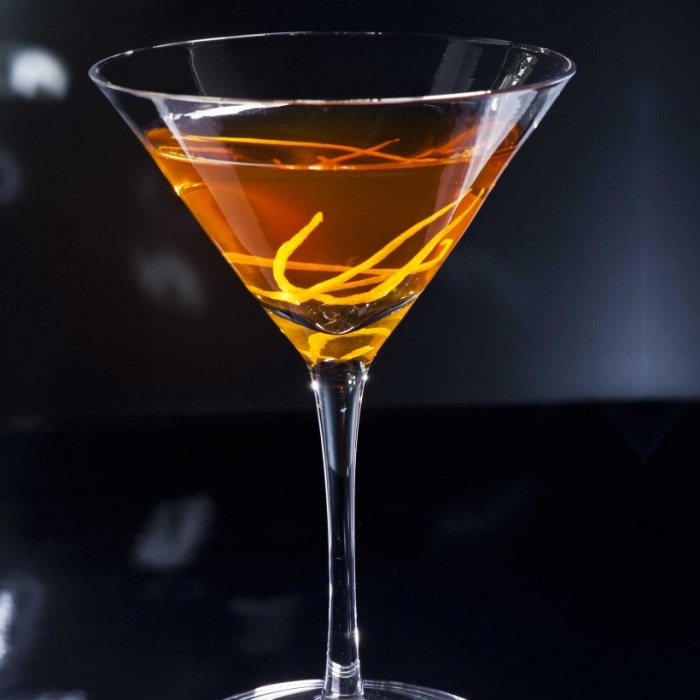
Loch Lomond
The Loch Lomond cocktail is a refreshing blend that captures the essence of the Scottish Highlands, combining smooth Scotch whisky with zesty citrus notes and a hint of herbal complexity. Typically garnished with fresh herbs or a twist of lemon, this drink offers a perfect balance of warmth and brightness, making it an ideal choice for whisky lovers seeking a unique twist on classic flavors. Enjoy it as a sophisticated aperitif or a delightful companion to a cozy evening.
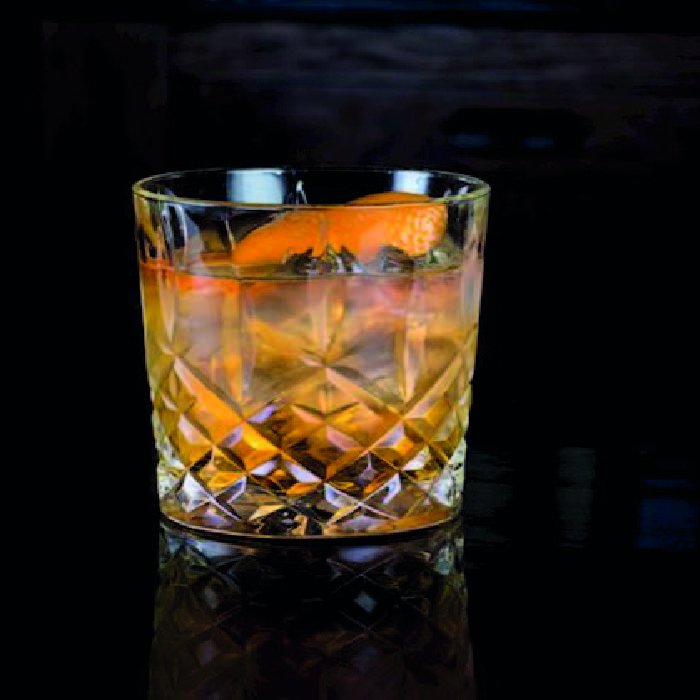
Whisky Mac
The Whisky Mac is a classic cocktail that combines the rich, warming flavors of Scotch whisky with the sweet, spicy notes of ginger wine. Typically served over ice or mixed with a splash of soda, this drink offers a delightful balance of sweetness and warmth, making it a perfect choice for any occasion. Its simple yet sophisticated profile highlights the complexity of the whisky while adding a refreshing twist from the ginger.
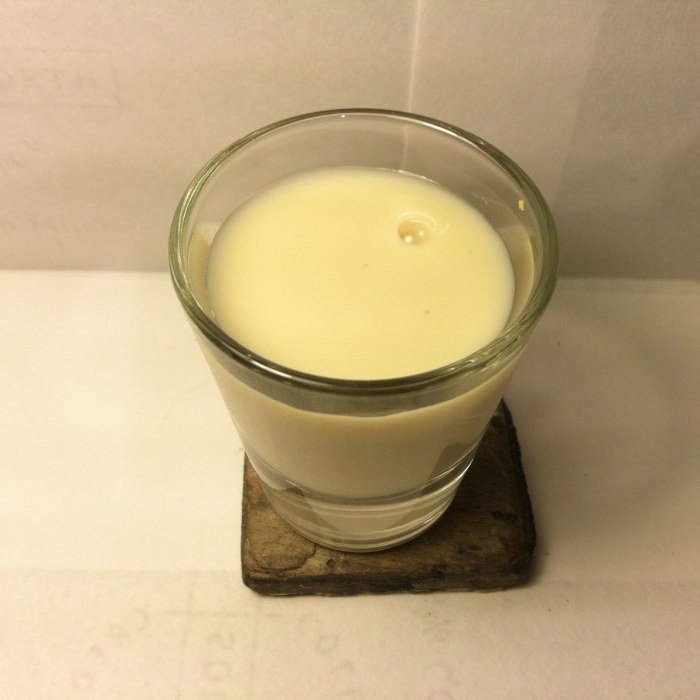
Mother's Milk
Mother's Milk is a creamy and indulgent cocktail that combines the rich flavors of Irish cream liqueur with a hint of vanilla and a touch of chocolate. Served chilled or over ice, this delightful drink offers a smooth, dessert-like experience that’s perfect for sipping on special occasions or cozy nights in. Garnished with a sprinkle of cocoa or a twist of chocolate, it’s a comforting treat that evokes warm memories.
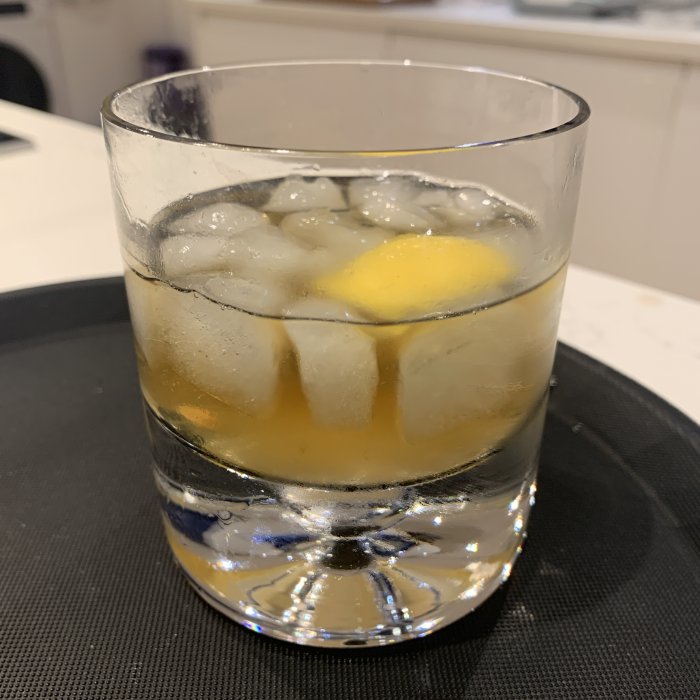
Godfather
The Godfather is a classic cocktail that combines the rich flavors of Scotch whisky and amaretto, creating a smooth and slightly sweet drink. Typically served over ice in an old-fashioned glass, it offers a perfect balance of warmth from the whisky and nutty undertones from the almond liqueur. This simple yet sophisticated cocktail is ideal for sipping on a cozy evening or as a delightful after-dinner drink.
Other winter Cocktails
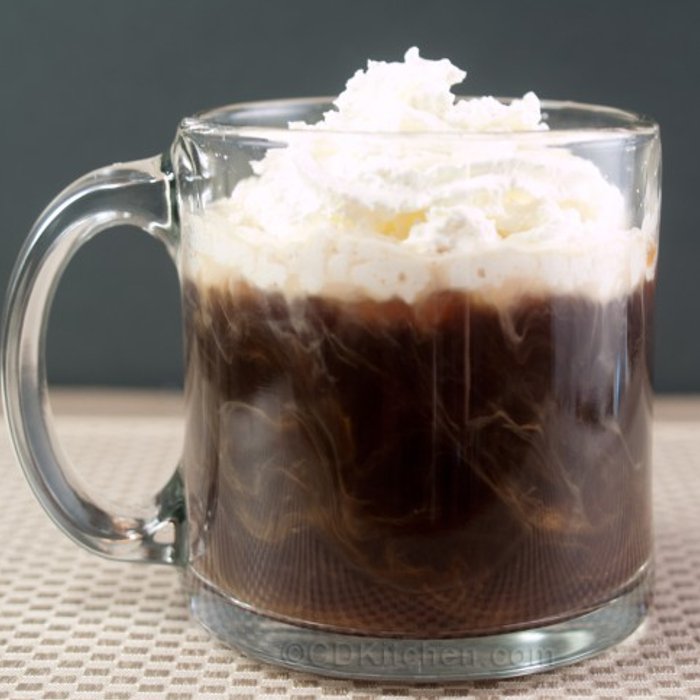
Tennesee Mud
Tennessee Mud is a rich and indulgent cocktail that combines the bold flavors of whiskey with the smoothness of coffee liqueur and a hint of chocolate. Typically served over ice, this delightful drink is often topped with whipped cream, creating a decadent treat that's perfect for cozy evenings or a night out. Its warm, comforting profile makes it a favorite among those who enjoy a sweet twist on classic whiskey cocktails.
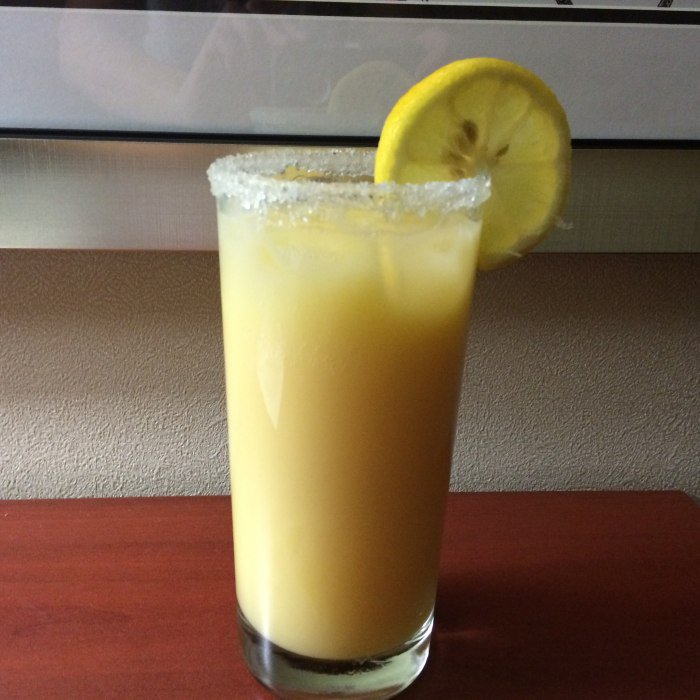
Snowball
The Snowball is a refreshing and frothy cocktail that combines the creamy flavors of advocaat, a Dutch egg liqueur, with lemonade and a splash of lime juice. Often garnished with a maraschino cherry or a slice of lemon, this drink is perfect for festive occasions, evoking a sense of winter cheer with its light, sweet taste. Its pale yellow color and bubbly texture make it a delightful addition to any holiday gathering.
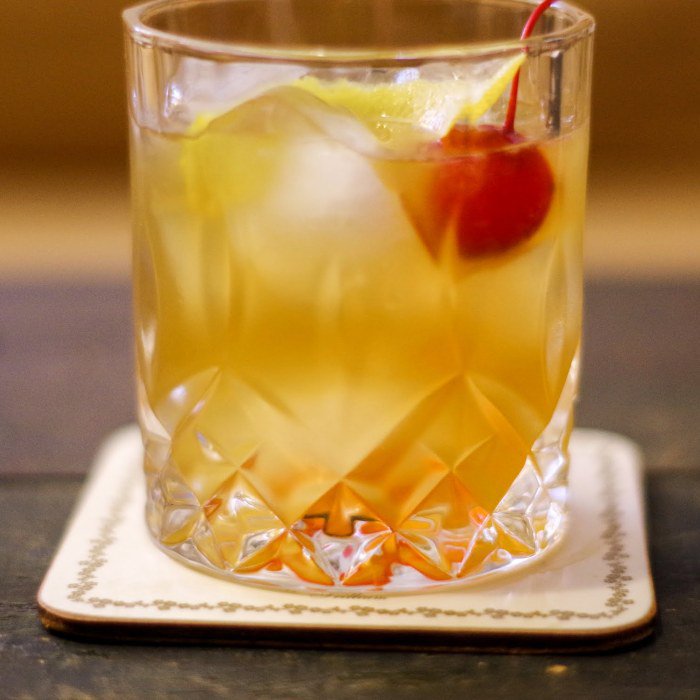
Scotch Sour
The Scotch Sour is a sophisticated twist on the classic whiskey sour, featuring a smooth blend of Scotch whisky, fresh lemon juice, and simple syrup. Served over ice and often garnished with a lemon wheel or cherry, this cocktail balances the smoky richness of Scotch with the tart brightness of citrus, creating a refreshing yet complex flavor profile. Perfect for those who appreciate the depth of Scotch while enjoying a vibrant drink.
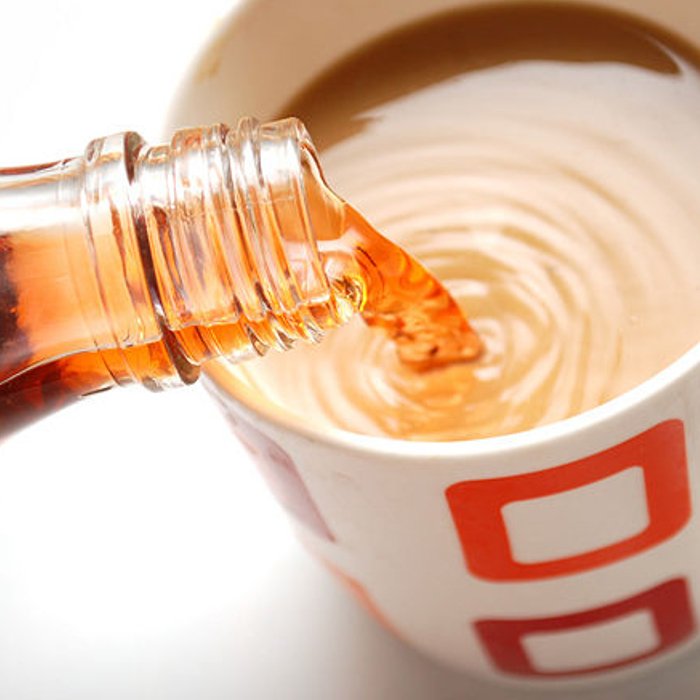
Swedish Coffee
Swedish Coffee is a delightful blend that combines rich, freshly brewed coffee with a splash of Swedish aquavit, adding a unique herbal twist. Often sweetened with sugar and topped with a dollop of whipped cream, this warming cocktail is perfect for cozy gatherings, offering a comforting balance of caffeine and warmth. Enjoy it as a delightful after-dinner drink or a festive treat during chilly evenings.
Similar Flavor Profiles
Whisky Mac
The Whisky Mac is a classic cocktail that combines the rich, warming flavors of Scotch whisky with the sweet, spicy notes of ginger wine. Typically served over ice or mixed with a splash of soda, this drink offers a delightful balance of sweetness and warmth, making it a perfect choice for any occasion. Its simple yet sophisticated profile highlights the complexity of the whisky while adding a refreshing twist from the ginger.
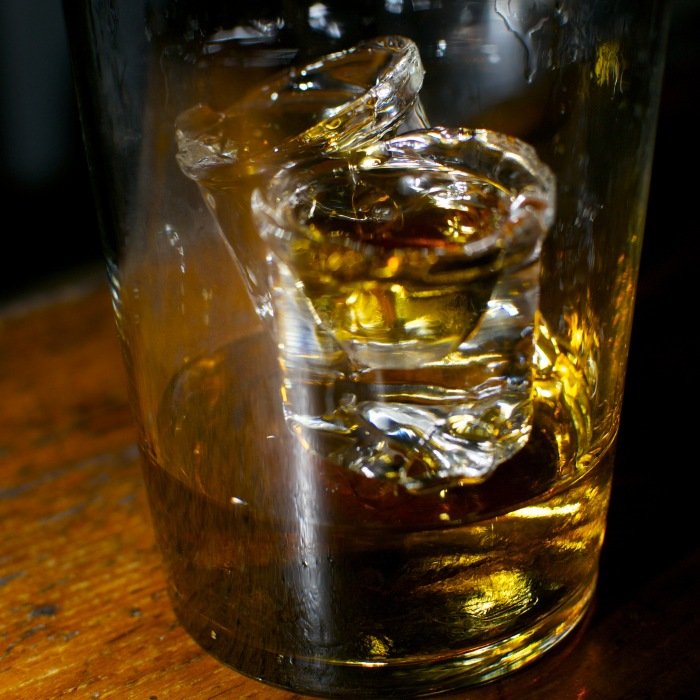
3 Wise Men
The "3 Wise Men" is a bold cocktail that combines equal parts of three iconic spirits: Johnnie Walker Scotch, Jack Daniel's Tennessee whiskey, and Jim Beam bourbon. Served over ice or as a shot, this drink offers a rich and complex flavor profile, perfect for whiskey enthusiasts looking to savor a harmonious blend of smoky, sweet, and oaky notes.
Godfather
The Godfather is a classic cocktail that combines the rich flavors of Scotch whisky and amaretto, creating a smooth and slightly sweet drink. Typically served over ice in an old-fashioned glass, it offers a perfect balance of warmth from the whisky and nutty undertones from the almond liqueur. This simple yet sophisticated cocktail is ideal for sipping on a cozy evening or as a delightful after-dinner drink.
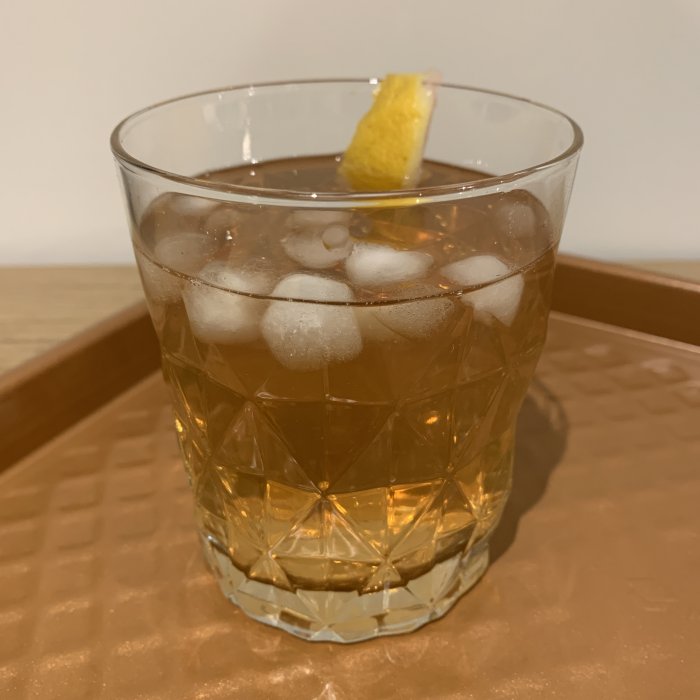
Gentleman's Club
The Gentleman's Club is a sophisticated cocktail that exudes elegance and charm, blending smooth whiskey with rich vermouth and a hint of bitters. Finished with a twist of citrus and a cherry garnish, this drink offers a balanced and refined taste, perfect for those who appreciate classic flavors with a modern twist. Ideal for sipping in a stylish lounge or at a celebratory gathering, it embodies the essence of timeless masculinity in a glass.
Advertisement