Cocktail
Boulevardier
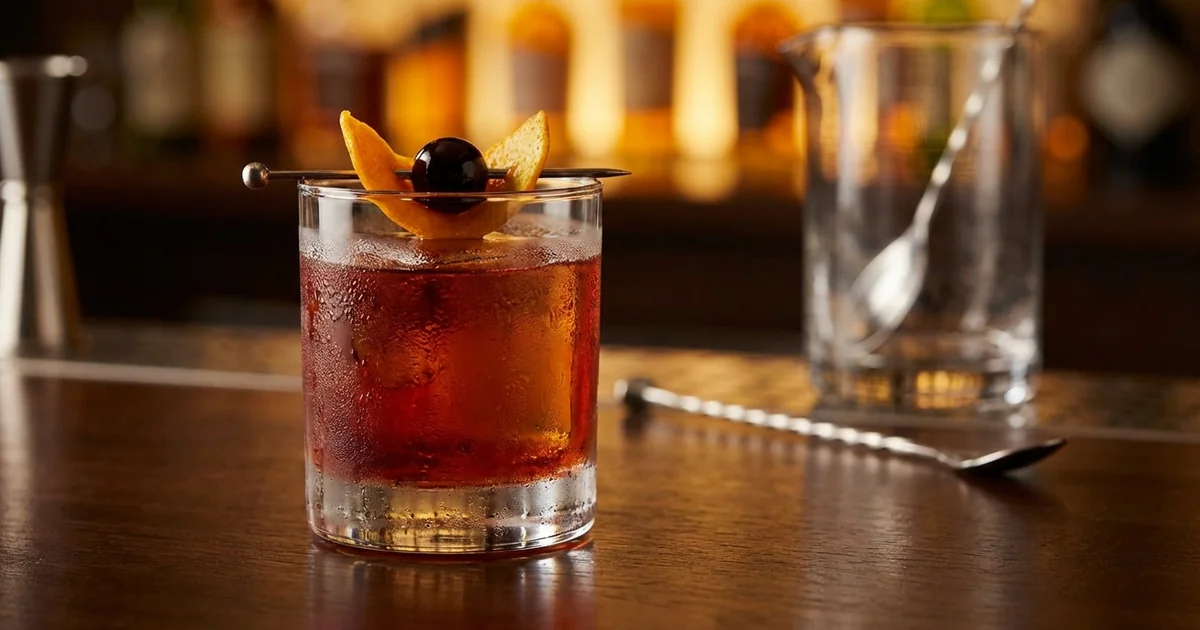
The Boulevardier is a classic cocktail that elegantly blends whiskey, sweet vermouth, and Campari, creating a rich and complex flavor profile. Served over ice and garnished with an orange twist, it offers a delightful balance of bitterness and sweetness, making it a sophisticated choice for any occasion. This timeless drink is often considered a whiskey lover's answer to the Negroni.
- bitter
- herbal
- rich
- warming

- Prep Time
- 4 min
- Glass
- Martini Glass
- Difficulty
- Easy
- ABV
- 28%
- Yields
- 1 serving
Few cocktail recipes deliver bitter and herbal quite like the Boulevardier. It leads with whiskey and comes together in about 4 minutes. If you've searched for "cocktail hour", this is the recipe to bookmark.
Key Takeaways
What you’ll learn
- The Boulevardier is essentially a whiskey Negroni — same structure of spirit, Campari, and sweet vermouth, but bourbon or rye replaces gin for a richer, more spirit-forward cocktail.
- Created in 1920s Paris by American expat Erskine Gwynne and first printed by Harry McElhone in "Barflies and Cocktails" (1927).
- Bourbon creates a sweeter, smoother drink; rye delivers spicy complexity that stands its ground against Campari's assertive bitterness.
- The classic ratio is 1.25:1:1 (spirit-forward), unlike the Negroni's equal-parts formula, to ensure the whiskey shines through.
- Fresh sweet vermouth, refrigerated and used within 3–4 weeks, is as critical to the Boulevardier's quality as the whiskey itself.
Advertisement
Ingredients
- Serves
- 1 serving
- Glass
- Martini Glass
- Prep
- 4 min
- 1 ozCampari
- 1 ozSweet Vermouth
- 1 1/4 ozRye whiskey
- 1Orange Peel
Method
Preparation
- 01
Stir with ice, strain, garnish and serve.
Origin
History & Origins
For decades the Boulevardier languished in obscurity, overshadowed by its gin-based cousin, the Negroni. But in recent years this forgotten classic from 1920s Paris has experienced a remarkable renaissance. The drink first appeared in print in Harry McElhone's 1927 book "Barflies and Cocktails," where it was named after Erskine Gwynne, an American expat and socialite who was a regular at Harry's New York Bar in Paris.
Gwynne, a wealthy Boston-born writer, had moved to Paris after World War I and founded a monthly magazine called "The Boulevardier" in 1927, chronicling the lives of American expats during the Jazz Age — the same creative community that included Hemingway, Fitzgerald, and Gertrude Stein. A boulevardier in French parlance is a man-about-town who frequents fashionable establishments and appreciates the finer things in life. Gwynne embodied this archetype, and McElhone created or adapted the cocktail in his honor. The drink itself represents a marriage of cultures: American whiskey meeting Italian Campari and vermouth in a Parisian bar frequented by expatriates.
Gwynne, a wealthy Boston-born writer, had moved to Paris after World War I and founded a monthly magazine called "The Boulevardier" in 1927, chronicling the lives of American expats during the Jazz Age — the same creative community that included Hemingway, Fitzgerald, and Gertrude Stein.
After its 1920s and 30s moment, the Boulevardier largely disappeared while the Negroni remained popular in Italy. It wasn't until the craft cocktail revival of the early 2000s that bartenders rediscovered it in old cocktail books. Today the Boulevardier is a staple in quality cocktail bars worldwide, finally receiving the recognition it deserves as a sophisticated alternative to the Negroni that whiskey lovers find irresistible.
Advertisement
Bartender’s Insight
Pro Tips
Always stir, never shake. The Boulevardier is all spirits and fortified wine — no citrus, no eggs. Shaking introduces unwanted cloudiness and froth; stirring gives you the silky, crystal-clear result this drink deserves.
From James
Stir for a full 30–40 seconds with plenty of ice. The sweet spot is approximately 15–20% dilution — under-stirred Boulevardiers taste hot and unbalanced.
Refrigerate your sweet vermouth and replace it every 3–4 weeks. Oxidized vermouth is the most common reason home Boulevardiers taste flat or bitter.
Express the orange peel with purpose: hold it colored-side down, give it a sharp twist over the drink, then rub the oils around the rim before garnishing.
Try both bourbon and rye before committing to a preference — bourbon gives you rounded sweetness and vanilla while rye gives you spice and dryness. Many bartenders love rye with Campari for the contrast.
At the Table
Perfect Pairings
Beyond the Classic
Variations
Black Boulevardier
Replace sweet vermouth with Averna amaro (0.75 oz) for a darker, more intensely bitter cocktail with herbal espresso-and-caramel complexity. Use 1.5 oz bourbon or rye and 1 oz Campari. This variation amplifies bitterness and adds amaro depth.
Aperol Boulevardier (The Left Hand)
Swap Campari for Aperol to create a lighter, sweeter, more approachable variation. Aperol's gentler bitterness and orange sweetness make this perfect for those who find full-strength Campari too intense, or as a warm-weather sipper.
Scotch Boulevardier
Use a blended or lightly peated single malt Scotch in place of bourbon or rye. The Scotch's smokiness and malty character create a fascinating variation that bridges Campari's bitterness with continental European whisky complexity.
Maple Boulevardier
Replace sweet vermouth with 0.5 oz of grade-A dark maple syrup (use 1.5 oz bourbon, 1 oz Campari). The maple's rich caramel-and-wood notes complement bourbon beautifully, creating a richer, more autumnal cocktail perfect for cold-weather sipping.
Watch
See it in action
Questions
Frequently Asked
- The Boulevardier has a flavor profile that is bitter, herbal, rich, warming. It is crafted to balance these characteristics into a harmonious, satisfying drink that appeals to a wide range of palates.
- The Boulevardier is ideal for cocktail parties, dinner gatherings, celebrations. Its flavor profile and presentation make it a versatile choice that works equally well as a social cocktail or a relaxed evening drink.
- Yes, there are several ways to adapt a Boulevardier. If you cannot source Campari, look for a similar alternative that matches its flavor profile. Keep in mind that substitutions may alter the balance of the cocktail, so start with a smaller quantity and adjust to taste. The variations section above lists popular alternatives bartenders use.
- Some of the most popular Boulevardier variations include Black Boulevardier, Aperol Boulevardier (The Left Hand), Scotch Boulevardier. Each variation puts a unique twist on the original recipe while retaining the essential character of the classic cocktail.
- The Boulevardier is traditionally served in a Martini Glass. Using the right glassware is important because it affects the aroma, temperature retention, and overall drinking experience. If you do not have a Martini Glass on hand, a similar shaped glass will work.
- Yes, a mocktail version of the Boulevardier is possible. Replace the base spirit with a non-alcoholic spirit alternative (there are many quality options available) and keep all other components the same. The result will capture much of the original's flavor profile while being suitable for guests who prefer alcohol-free options.
Other Whiskey Cocktails
The Jimmy Conway
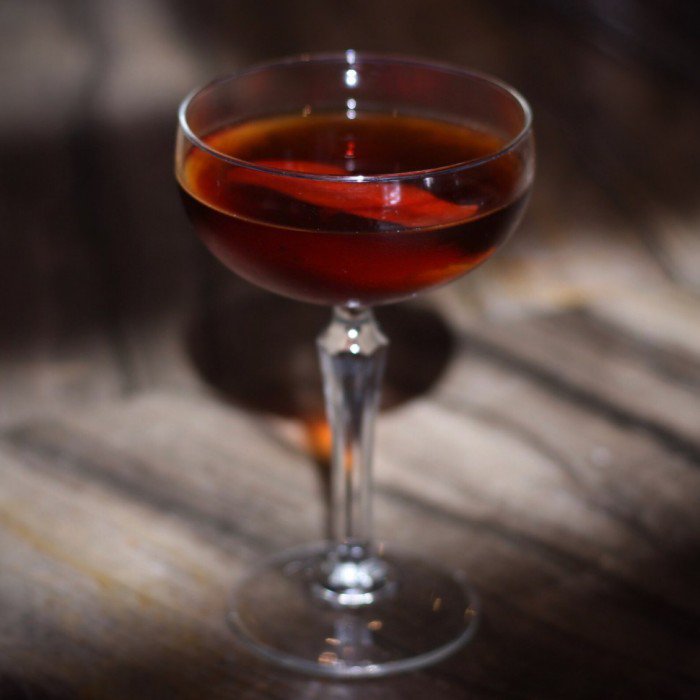
The Jimmy Conway is a sophisticated cocktail that combines smooth Irish whiskey with a hint of sweet vermouth and a splash of aromatic bitters, creating a rich and balanced flavor profile. Garnished with a twist of lemon peel, this drink pays homage to classic cocktail traditions while offering a modern twist that’s perfect for any occasion. Enjoy it neat or on the rocks for a refreshing sip that evokes a sense of elegance and warmth.
Jack's Vanilla Coke
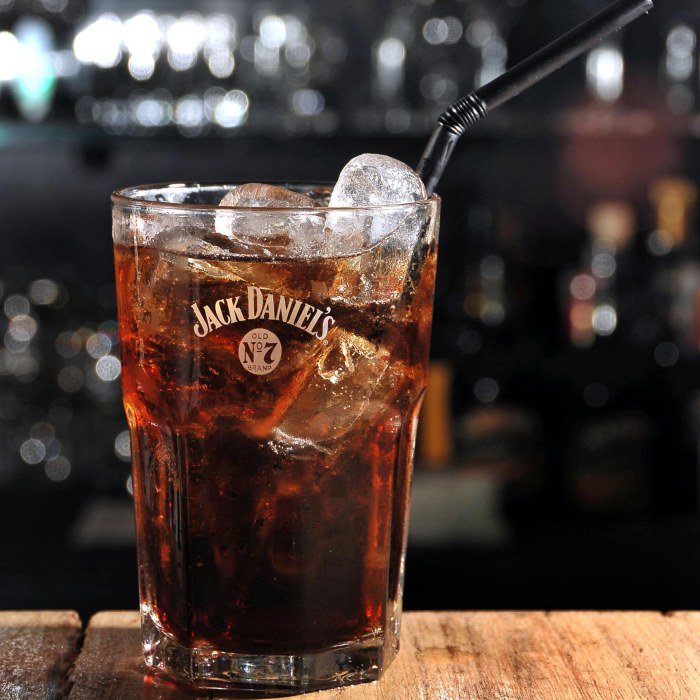
Jack's Vanilla Coke is a delightful twist on a classic favorite, blending smooth bourbon with rich vanilla and a splash of cola for a refreshing finish. Garnished with a twist of lemon, this cocktail offers a perfect balance of sweetness and warmth, making it an ideal choice for any occasion. Enjoy it over ice for a satisfying sip that transports you to a laid-back summer evening.
Owen's Grandmother's Revenge
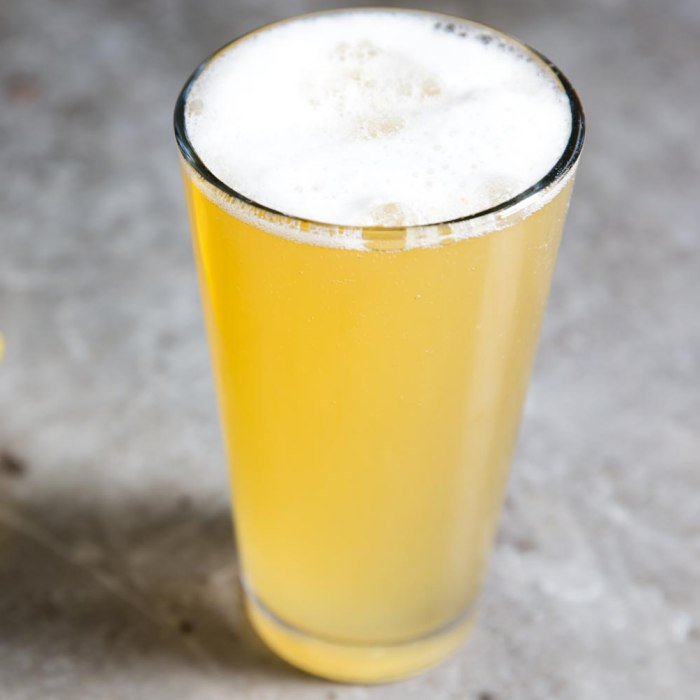
Owen's Grandmother's Revenge is a bold and spirited cocktail that combines the warmth of spiced rum with the tang of fresh citrus and a hint of sweetness from homemade grenadine. This vibrant drink is garnished with a twist of orange and a cherry, making it a delightful tribute to the fiery yet loving nature of grandmothers everywhere. Perfect for those who appreciate a balance of flavors with a kick, it's sure to leave a lasting impression.
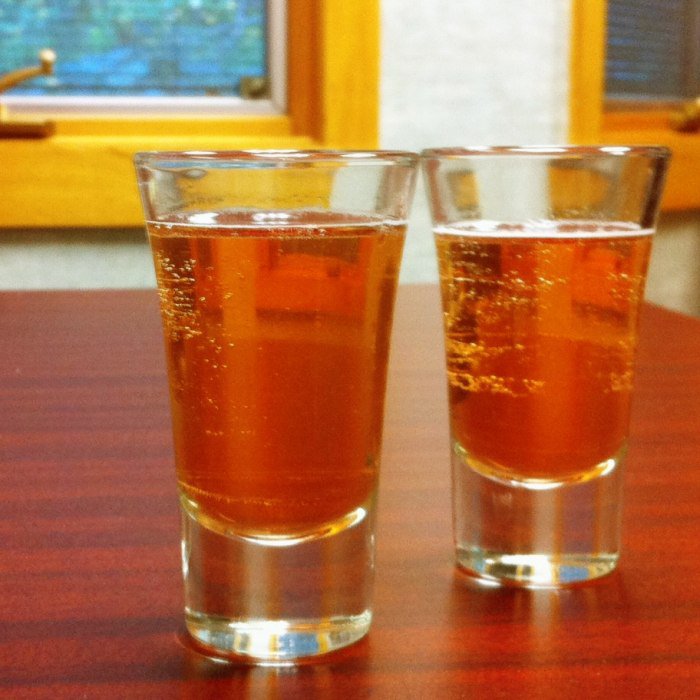
Damned if you do
The "Damned if You Do" cocktail is a tantalizing blend of gin, elderflower liqueur, and fresh lemon juice, creating a refreshing yet complex flavor profile. Garnished with a sprig of mint and a twist of lemon peel, this drink strikes a perfect balance between sweet and tart, making it an irresistible choice for any occasion. Its intriguing name hints at the delightful indulgence it offers, leaving you wanting more.
Other cocktail parties Cocktails
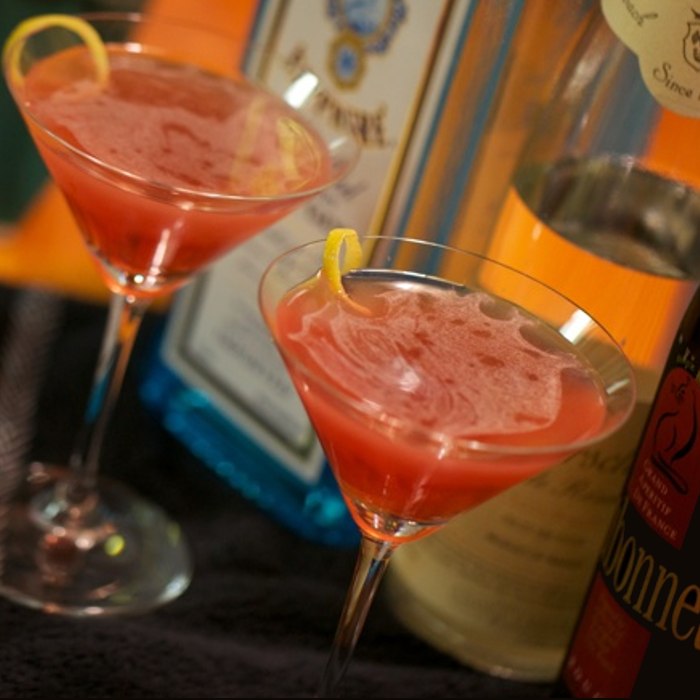
Blackthorn
The Blackthorn is a classic cocktail that combines the rich flavors of gin and sweet vermouth, enhanced by a splash of orange bitters. Often garnished with a twist of lemon or an orange peel, this drink offers a balanced blend of herbal and citrus notes, making it a sophisticated choice for any occasion. Its deep, alluring color and smooth finish make it a timeless favorite among cocktail enthusiasts.
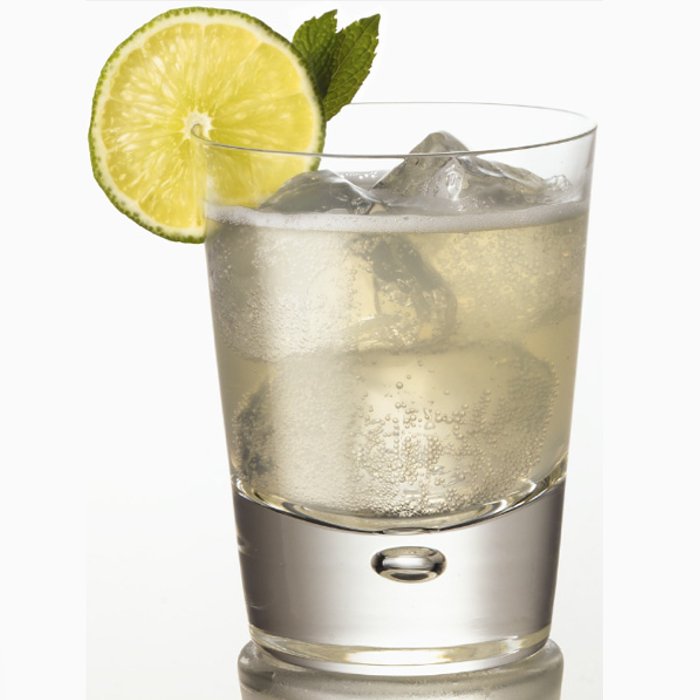
Rail Splitter
The Rail Splitter is a refreshing cocktail that combines the bold flavors of bourbon with the zesty notes of ginger beer and fresh lime juice. This invigorating drink is typically garnished with a lime wedge, making it a perfect choice for those seeking a spirited yet crisp beverage. Its harmonious blend of sweetness and spice captures the essence of classic American mixology.
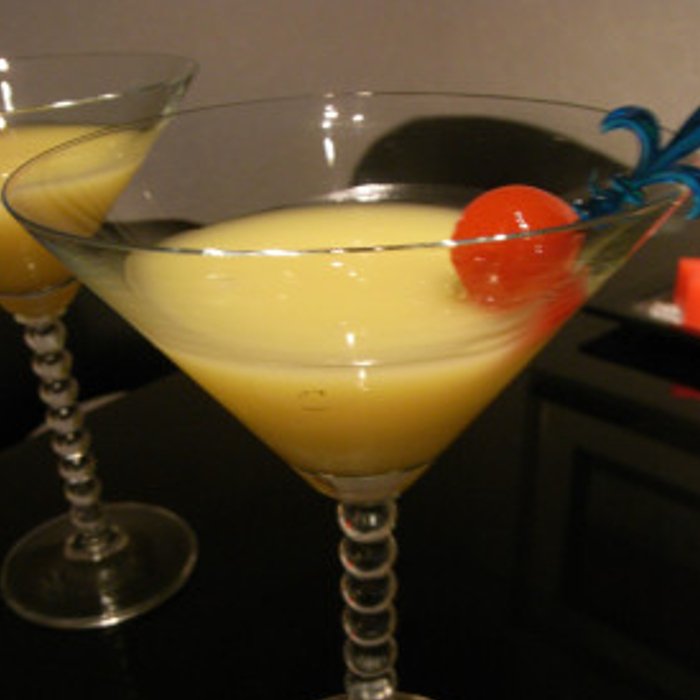
Casa Blanca
The Casa Blanca is a refreshing cocktail that combines the smoothness of white rum with the zesty brightness of fresh lime juice and the subtle sweetness of orange liqueur. Often garnished with a twist of citrus, this drink offers a delightful balance of flavors, making it a perfect choice for warm evenings or beachside lounging. Its elegant presentation and vibrant taste evoke the charm of its namesake, transporting you to a sun-soaked paradise with every sip.
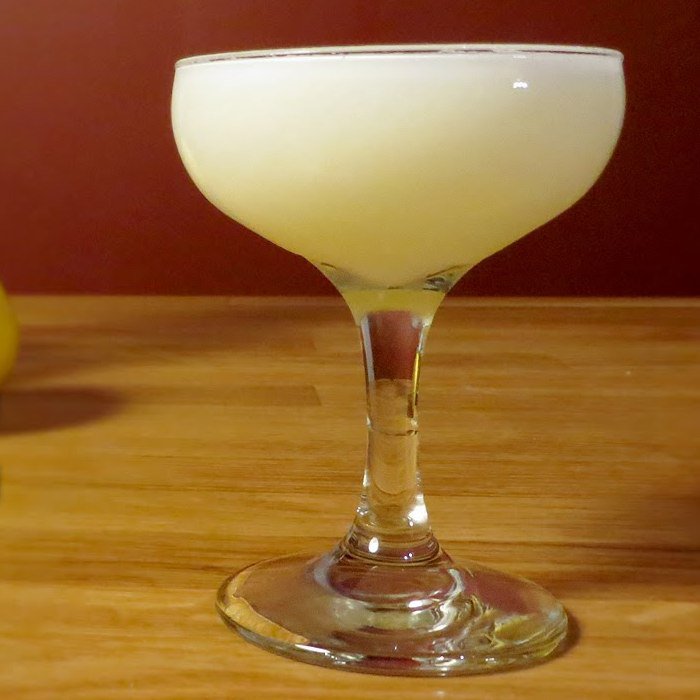
Vesuvio
The Vesuvio is a vibrant cocktail that captures the fiery spirit of its namesake volcano. Combining the bold flavors of gin, sweet vermouth, and fresh citrus, it offers a refreshing yet complex taste experience, often garnished with a twist of lemon or an olive. Perfect for those seeking a drink that ignites the senses, the Vesuvio is a delightful choice for any occasion.
Similar Flavor Profiles
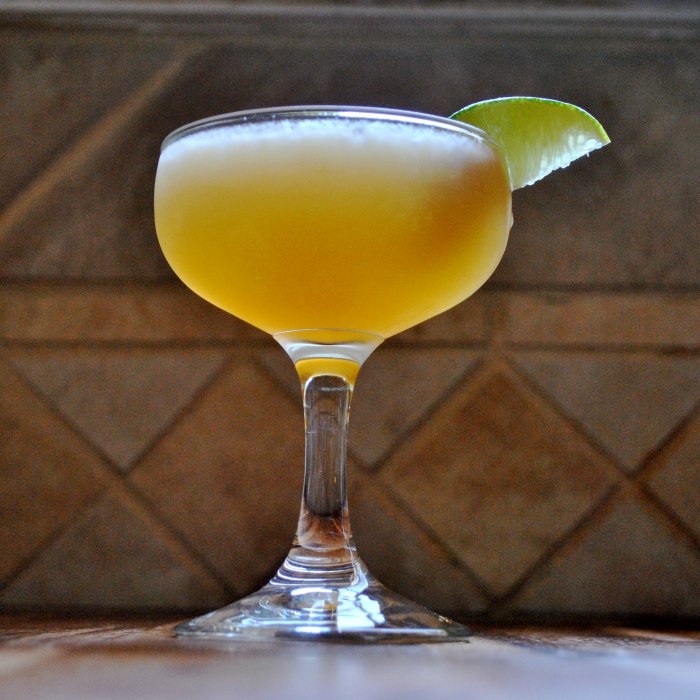
After Dinner Cocktail
The After Dinner Cocktail is a sophisticated blend designed to delight the palate after a meal. Typically featuring rich flavors from ingredients like coffee liqueur, whiskey, and a hint of bitters, this cocktail offers a warming and indulgent finish to any dining experience. Garnished with a twist of citrus or a coffee bean, it’s the perfect way to unwind and savor the evening.
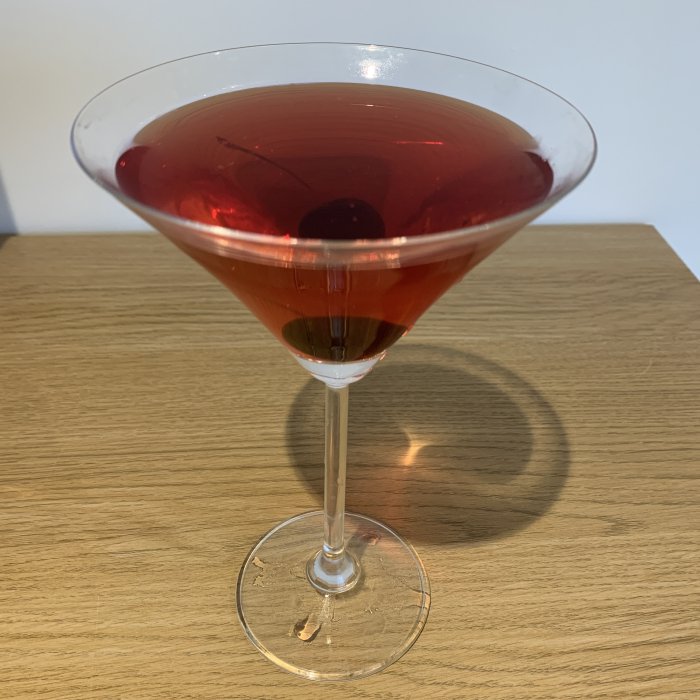
Brooklyn
The Brooklyn cocktail is a classic drink that combines rye whiskey, sweet vermouth, maraschino liqueur, and a dash of orange bitters, creating a balanced and complex flavor profile. Often garnished with a cherry or a twist of orange peel, this sophisticated cocktail offers a delightful blend of sweetness and spice, making it a favorite among whiskey enthusiasts. Its origins date back to the early 20th century, adding a touch of historical charm to every sip.
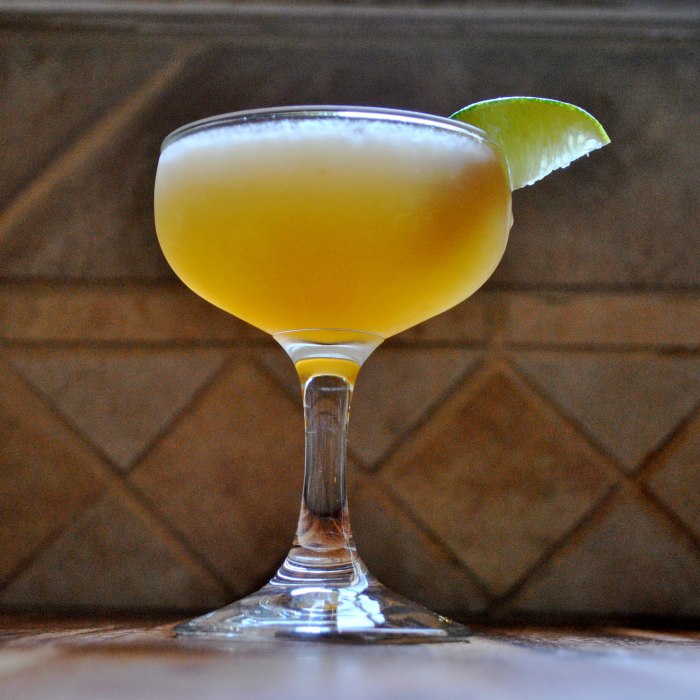
After Supper Cocktail
The After Supper Cocktail is a sophisticated blend designed to stimulate the palate following a meal. Typically featuring a harmonious mix of herbal liqueurs, bitters, and a touch of citrus, this drink offers a refreshing and aromatic finish that enhances digestion. Its elegant presentation and complex flavors make it a delightful choice for a post-dinner indulgence.
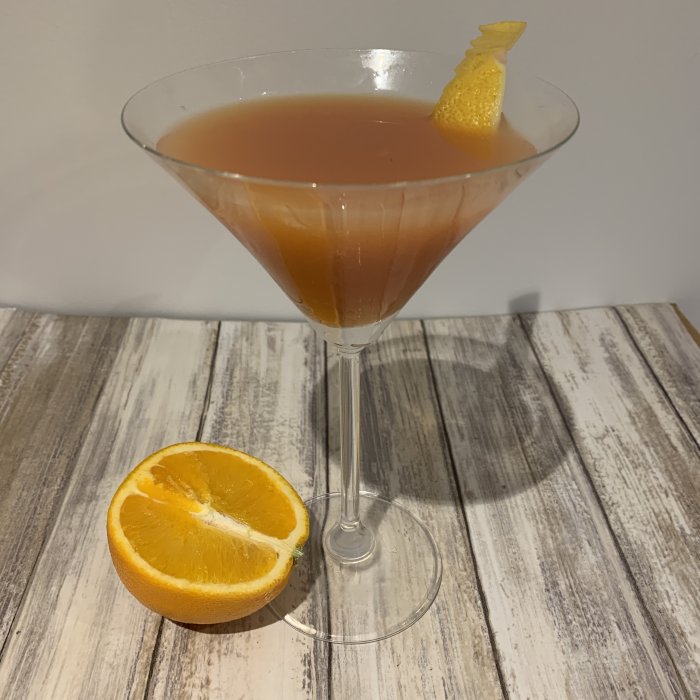
Abbey Cocktail
The Abbey Cocktail is a sophisticated blend that combines gin, sweet vermouth, and orange bitters, creating a refreshing yet complex flavor profile. Garnished with a twist of orange peel, this classic drink offers a delightful balance of herbal and citrus notes, making it a perfect choice for cocktail enthusiasts seeking a timeless experience.
Advertisement