
Vintage Cocktail
Brandy Smash (1862)
Jerry Thomas's muddled mint and brandy cocktail, the direct ancestor of the Mint Julep and Mojito families. Thomas defined a "smash" as a small Julep — a single-serving muddled mint drink served over crushed ice. His 1862 recipe calls for brandy, sugar, and fresh mint crushed in the glass.
- fresh
- minty
- fruity
- sweet
- herbal
- cool

- Prep Time
- 5 min
- Glass
- tumbler
- Difficulty
- Easy
- ABV
- 14%
- Yields
- 1 serving
At its core, the Brandy Smash (1862) is a brandy-forward vintage cocktail that takes about 5 minutes to make. The result is fresh and minty — worth every second. Consistently one of the most popular brandy smash searches, and for good reason.
Key Takeaways
What you’ll learn
- Thomas defined the Smash in 1862 as "simply a small Julep" — a single-serving muddled mint cocktail served over crushed ice.
- The Brandy Smash is the structural ancestor of the Mojito family: spirit, sugar, fresh mint, crushed ice, citrus garnish.
- Three variants (Brandy, Whiskey, Gin Smash) appear in the same 1862 chapter, establishing the Smash as a category, not a single recipe.
- Gentle muddling is critical — you express mint oils, not shred the leaves. Over-muddling produces bitterness.
- Use a VS or VSOP Cognac; Thomas's "brandy" in 1862 referred to Cognac or domestic apple brandy, not neutral grape brandy.
Advertisement
Ingredients
- Serves
- 1 serving
- Glass
- tumbler
- Prep
- 5 min
- 3–4 sprigsFresh mint sprigs
- 1 tspWhite sugar
- dashWater
- 1 wineglass (1½ oz)Brandy or Cognac
- to fillCrushed ice
- 1/2 sliceLemon (for garnish)
- 1 sliceOrange (for garnish)
Method
Preparation
- 01
Take 3–4 sprigs of fresh mint. Press them in the bottom of a tumbler with 1 teaspoon of white sugar dissolved in a dash of water. Add 1 wineglass (1½ oz) of brandy and fill the glass with crushed ice. Stir gently to combine without bruising the mint further. Ornament with a half-slice of lemon, a slice of orange, and a few sprigs of fresh mint. Serve with a straw.
Origin
History & Origins
Jerry Thomas grouped Smashes alongside Juleps in his 1862 guide, defining the category with characteristic directness: "The Smash is simply a small Julep." The terse definition is deceptively useful. It tells you the Smash was understood as a recognizable category by 1862, not a novelty — drinkers knew what to expect when they ordered one.
The muddled mint cocktail has roots in American drinking culture stretching back to at least the 1780s, when Virginia gentlemen were combining fresh spearmint with sugar and whiskey in a silver cup on warm mornings. By the 1820s the Mint Julep had become so associated with Southern hospitality that it appeared in travel writing and fiction as a synecdoche for the American South itself. Thomas's Smash domesticated the Julep for the urban Northern bar: smaller, faster, equally refreshing.
The Brandy Smash specifically follows French brandy's dominance in American cocktail culture throughout the 1850s and 1860s. Before American whiskey production scaled up and before Phylloxera devastated French vineyards in the 1870s, Cognac and domestic apple brandy were the default spirits for serious cocktails. Thomas's Smash, Old Fashioned, and Sling recipes all listed brandy first. The Phylloxera epidemic that wiped out most French vineyards between 1863 and 1900 shifted American cocktails toward whiskey almost overnight — making Thomas's brandy-first world a historical snapshot that lasted barely a decade after he published.
The Phylloxera epidemic that wiped out most French vineyards between 1863 and 1900 shifted American cocktails toward whiskey almost overnight — making Thomas's brandy-first world a historical snapshot that lasted barely a decade after he published.
The modern Smash has been revived as a craft cocktail category in its own right. The Dale DeGroff and later Sam Ross-era bars of the 2000s rehabilitated the muddled mint + spirit + citrus formula, producing variants from the Whiskey Smash to fruit-forward seasonal riffs. Each one owes a structural debt to Thomas's 1862 chapter.
Advertisement
Bartender’s Insight
Pro Tips
Gentle muddling only — you want to express the mint oils, not pulverize the leaves. Three or four firm presses with a flat muddler, then stop. Broken green plant matter makes a bitter, grassy drink.
From Arthur
Thomas specified brandy broadly; a quality VS or VSOP Cognac works beautifully. Armagnac produces an earthier, more rustic result that suits the period feel.
Pebble or crushed ice is non-negotiable for texture. Large cubes stay too cold and don't dilute correctly — the gentle melt from crushed ice is part of the flavour balance.
Serve with a straw clipped short enough that you nose the mint garnish with each sip — Thomas was specific about this service detail.
To make closer to Thomas's original, use gomme syrup (gum arabic dissolved in sugar syrup) instead of plain sugar solution — it gives the silky, slightly thick texture that period "fine sugar" syrups produced.
At the Table
Perfect Pairings
Beyond the Classic
Variations
Whiskey Smash (1862)
Thomas listed a Whiskey Smash in the same chapter using identical technique with rye whiskey. The spice of period rye creates a drier, more assertive smash. Use a high-rye bourbon or straight rye and reduce the sugar slightly.
Gin Smash (1862)
The third variant in Thomas's chapter. Use Old Tom gin (the period-appropriate style — sweeter and less juniper-forward than London Dry) for a floral, herbal smash that reads almost like a garden cocktail.
Peach Brandy Smash
Add a barspoon of peach preserves or 1/4 oz peach liqueur to the muddling stage. Peach and mint is an American Southern combination with long precedent; it softens the brandy's edge and adds stone-fruit sweetness.
Questions
Frequently Asked
- The Brandy Smash (1862) has a flavor profile that is fresh, minty, fruity, sweet. It is crafted to balance these characteristics into a harmonious, satisfying drink that appeals to a wide range of palates.
- The Brandy Smash (1862) is ideal for summer, afternoon, garden party, brunch, historical. Its flavor profile and presentation make it a versatile choice that works equally well as a social cocktail or a relaxed evening drink.
- Yes, there are several ways to adapt a Brandy Smash (1862). If you cannot source Fresh mint sprigs, look for a similar alternative that matches its flavor profile. Keep in mind that substitutions may alter the balance of the cocktail, so start with a smaller quantity and adjust to taste. The variations section above lists popular alternatives bartenders use.
- Some of the most popular Brandy Smash (1862) variations include Whiskey Smash (1862), Gin Smash (1862), Peach Brandy Smash. Each variation puts a unique twist on the original recipe while retaining the essential character of the classic cocktail.
- The Brandy Smash (1862) is traditionally served in a tumbler. Using the right glassware is important because it affects the aroma, temperature retention, and overall drinking experience. If you do not have a tumbler on hand, a similar shaped glass will work.
- Yes, a mocktail version of the Brandy Smash (1862) is possible. Replace the base spirit with a non-alcoholic spirit alternative (there are many quality options available) and keep all other components the same. The result will capture much of the original's flavor profile while being suitable for guests who prefer alcohol-free options.
Other Brandy Cocktails
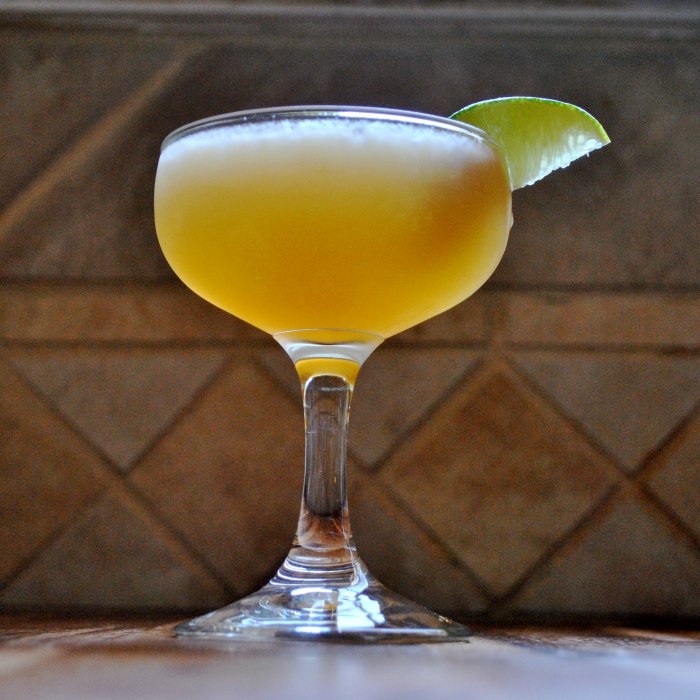
After Dinner Cocktail
The After Dinner Cocktail is a sophisticated blend designed to delight the palate after a meal. Typically featuring rich flavors from ingredients like coffee liqueur, whiskey, and a hint of bitters, this cocktail offers a warming and indulgent finish to any dining experience. Garnished with a twist of citrus or a coffee bean, it’s the perfect way to unwind and savor the evening.
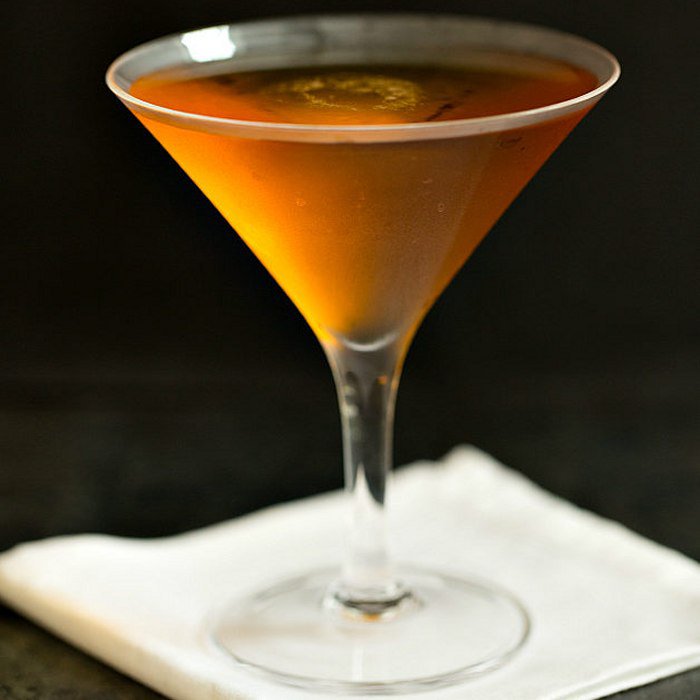
Stinger
The Stinger is a classic cocktail that combines the smoothness of brandy with the refreshing bite of white crème de menthe. Served chilled, this elegant drink offers a delightful balance of sweetness and herbal notes, making it a perfect after-dinner treat. Its distinctive flavor profile and appealing green hue make it a memorable choice for cocktail enthusiasts.
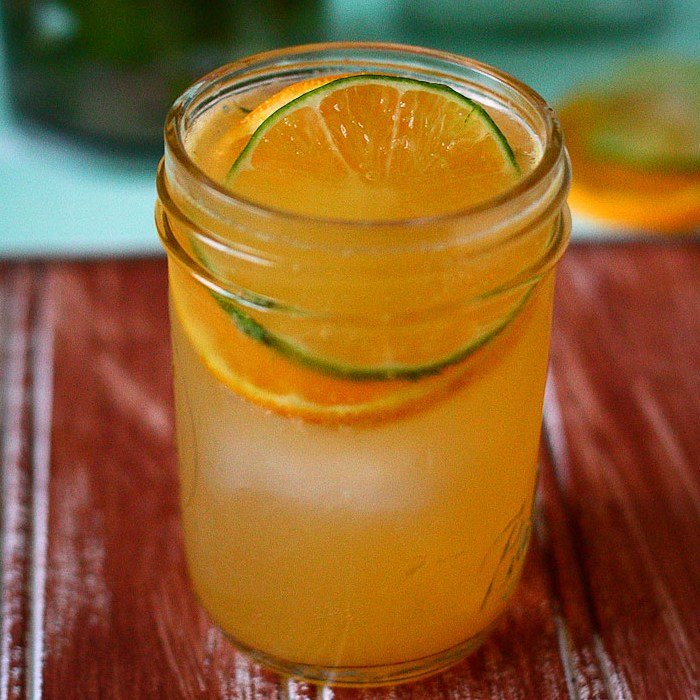
Stone Sour
The Stone Sour is a refreshing cocktail that blends the tangy flavors of fresh orange juice and sweet and sour mix with a smooth base of whiskey, typically bourbon or rye. Garnished with a cherry or orange slice, this drink offers a delightful balance of citrusy brightness and rich warmth, making it a perfect choice for any occasion. Its vibrant color and zesty taste make it a favorite among cocktail enthusiasts.
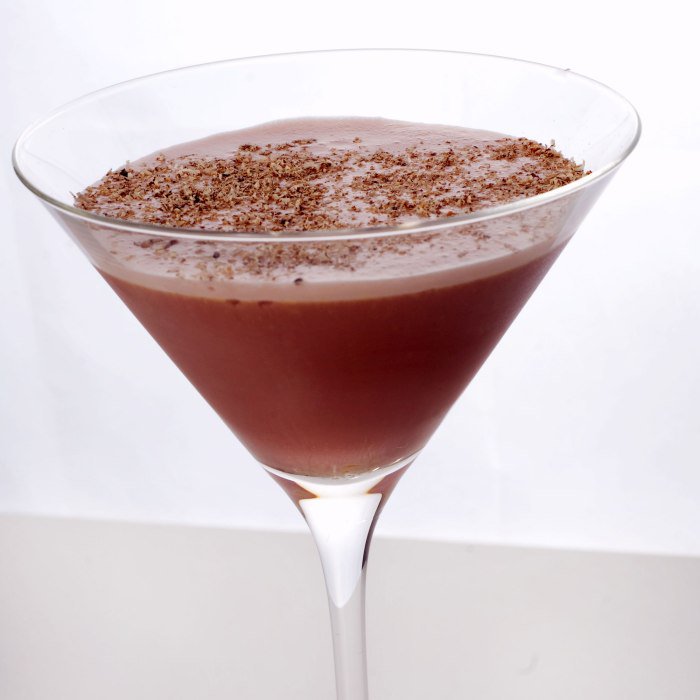
Porto flip
The Porto Flip is a rich and creamy cocktail that combines the deep flavors of ruby port wine with the smoothness of egg, sugar, and a hint of nutmeg. This indulgent drink is typically shaken and served chilled, offering a delightful balance of sweetness and warmth, making it a perfect choice for cozy evenings or festive gatherings.
Other summer Cocktails
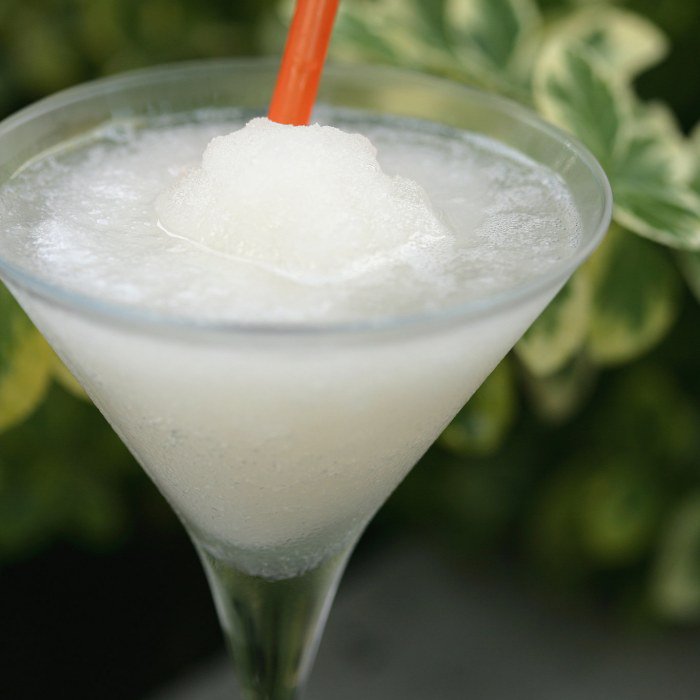
Frozen Daiquiri
The Frozen Daiquiri is a refreshing and vibrant cocktail that blends rum, fresh lime juice, and simple syrup with crushed ice, creating a slushy texture perfect for warm weather. Often garnished with a lime wheel or cherry, this tropical drink offers a delightful balance of sweetness and tartness, making it a popular choice for beachside sipping or summer gatherings. Enjoy its icy allure as you unwind and savor the flavors of the tropics!
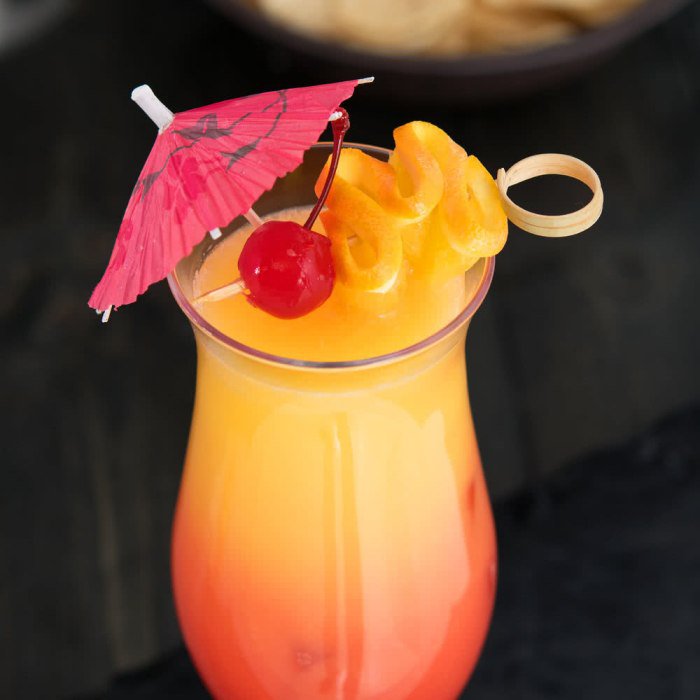
Orange Push-up
The Orange Push-up is a refreshing and nostalgic cocktail that captures the essence of a classic frozen treat. This vibrant drink blends citrusy orange flavors with a creamy texture, reminiscent of the beloved ice cream popsicle. Perfect for warm days, it offers a delightful balance of sweetness and tang, making it a fun and flavorful choice for any gathering.
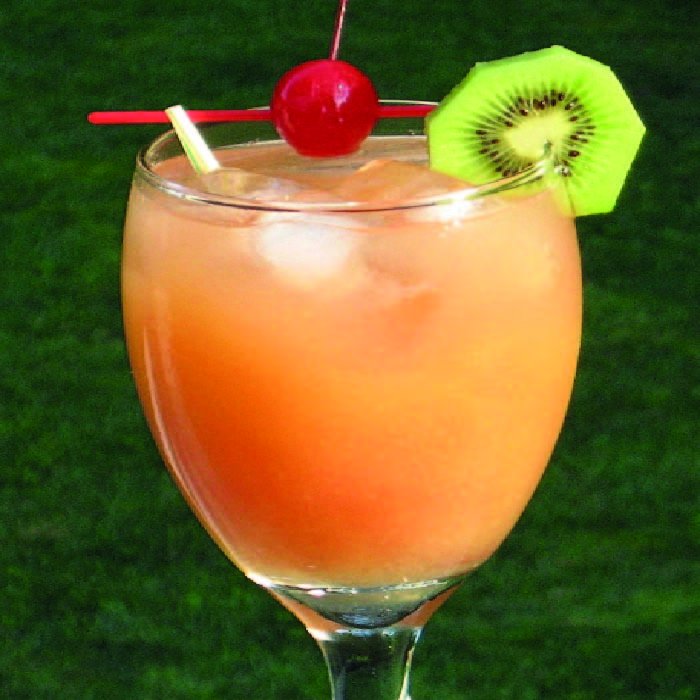
A Gilligan's Island
A Gilligan's Island is a tropical cocktail that transports you to a sun-soaked paradise with every sip. This refreshing blend typically features rum, coconut cream, pineapple juice, and a splash of grenadine, garnished with a cherry and a slice of pineapple. Perfect for a beach getaway or a backyard gathering, it captures the essence of carefree island living.
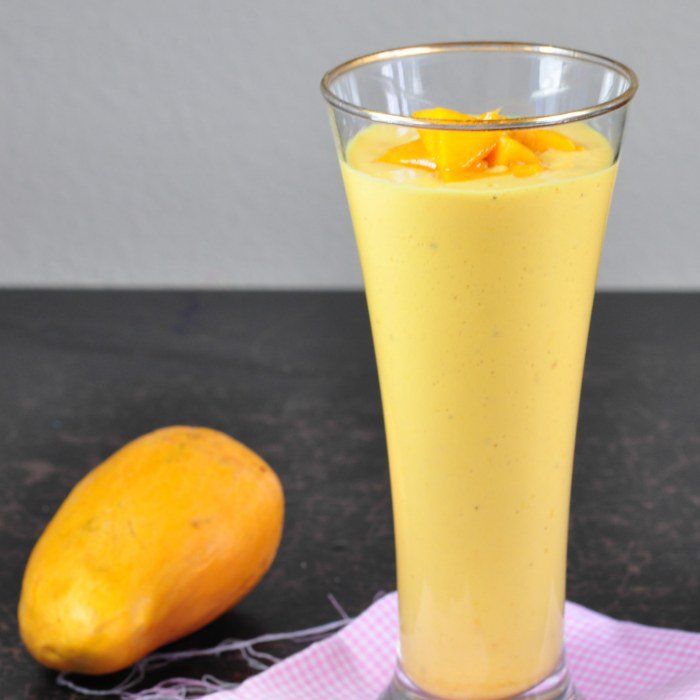
Lassi - Mango
The Mango Lassi is a refreshing and creamy Indian beverage that combines ripe mangoes, yogurt, milk, and a hint of cardamom for a delightful flavor explosion. This vibrant cocktail is perfect for warm days, offering a perfect balance of sweetness and tanginess, making it a favorite among both cocktail enthusiasts and those seeking a taste of exotic indulgence. Enjoy it chilled for a truly refreshing experience!
Similar Flavor Profiles
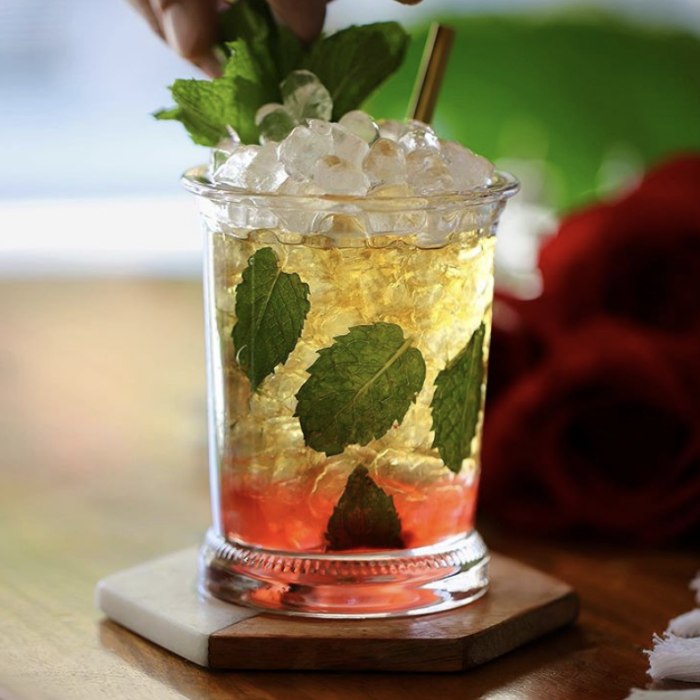
Raspberry Julep
The Raspberry Julep is a refreshing twist on the classic mint julep, combining muddled fresh raspberries with fragrant mint leaves and a splash of simple syrup. Served over crushed ice and topped with bourbon, this vibrant cocktail offers a delightful balance of sweetness and herbal notes, making it the perfect drink for warm summer evenings. Garnished with a sprig of mint and a few whole raspberries, it’s as visually appealing as it is delicious.
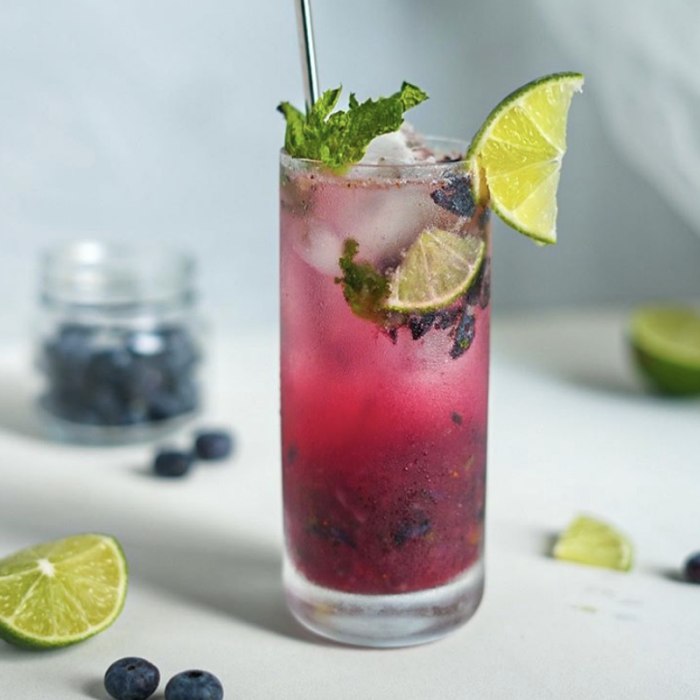
Blueberry Mojito
The Blueberry Mojito is a refreshing twist on the classic Cuban cocktail, combining muddled fresh blueberries, mint leaves, and zesty lime with crisp white rum. Topped with sparkling soda and a hint of sweetness, this vibrant drink offers a delightful burst of flavor that's perfect for warm summer days or any festive occasion. Enjoy it over ice for a cool and invigorating experience!
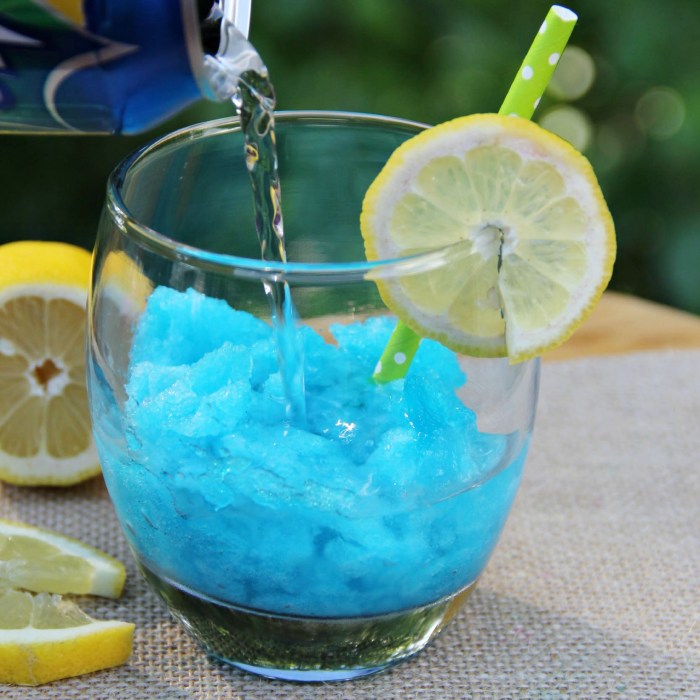
Arctic Mouthwash
The Arctic Mouthwash is a refreshing cocktail that combines the invigorating flavors of peppermint schnapps and blue curaçao, creating a vibrant, icy-blue drink that tantalizes the taste buds. Finished with a splash of soda and garnished with a mint sprig, this cocktail delivers a cool, crisp experience reminiscent of a frosty winter's night. Perfect for those seeking a unique and spirited twist on classic flavors.
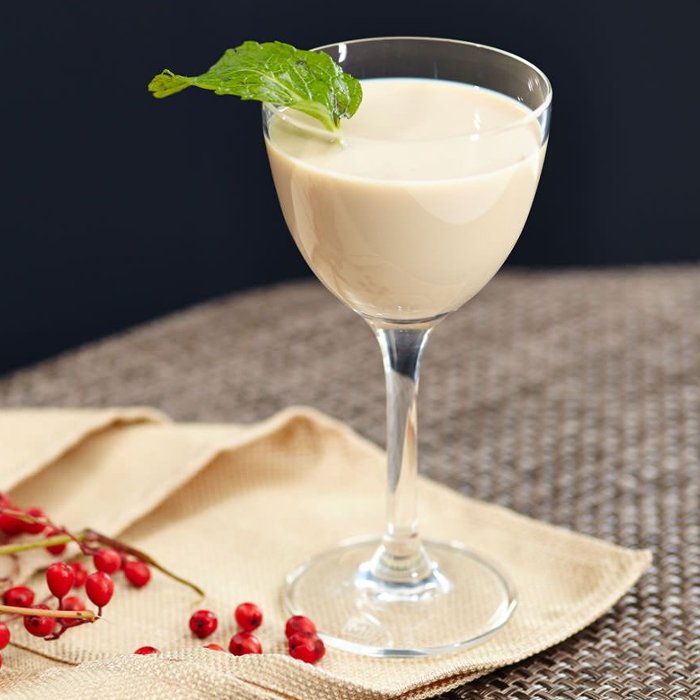
Midnight Mint
The Midnight Mint is a refreshing cocktail that combines the coolness of fresh mint with the rich depth of dark rum and a hint of chocolate liqueur. Served over crushed ice and garnished with a sprig of mint, this tantalizing drink is perfect for a late-night indulgence, offering a delightful balance of flavors that awaken the senses. Enjoy it under the stars for a truly enchanting experience.
Advertisement