Ordinary Drink
Gin And Tonic
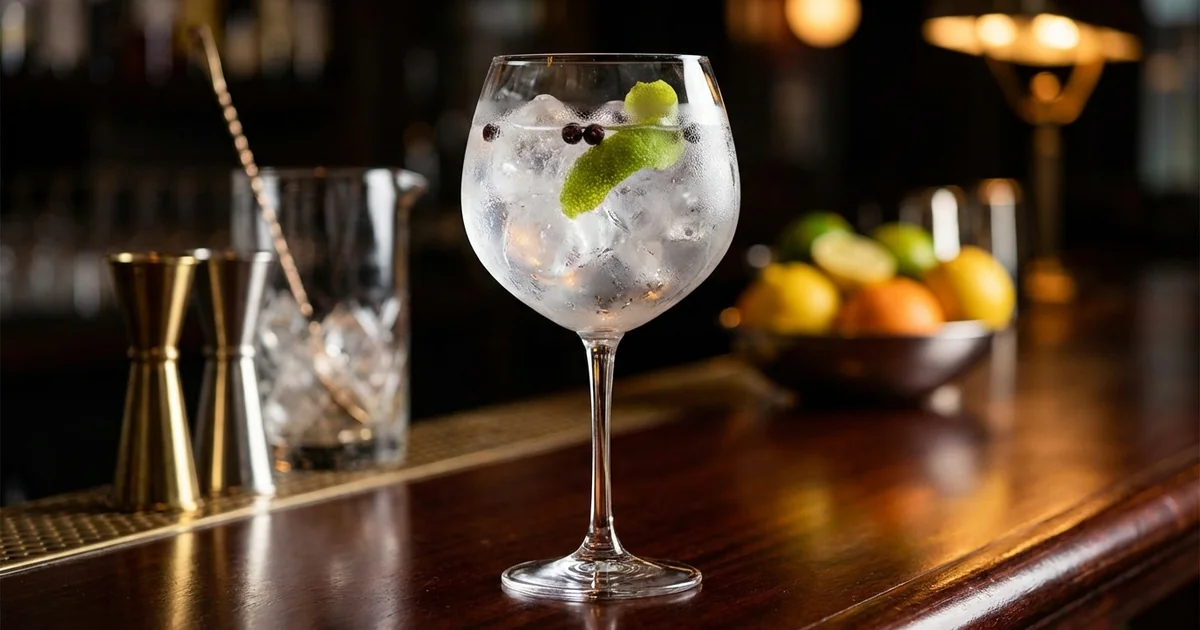
The Gin and Tonic is a classic cocktail that combines the crisp, botanical flavors of gin with the refreshing effervescence of tonic water, typically garnished with a slice of lime or lemon. Its invigorating taste and simple preparation make it a popular choice for warm evenings and social gatherings. This timeless drink perfectly balances the herbal notes of gin with the slight bitterness of tonic, creating a refreshing and sophisticated beverage.
- refreshing
- botanical
- crisp
- slightly bitter
- Prep Time
- 3 min
- Glass
- Highball glass
- Difficulty
- Easy
- ABV
- 11%
- Yields
- 1 serving
At its core, the Gin And Tonic is a gin-forward ordinary drink that takes about 3 minutes to make. The result is refreshing and botanical — worth every second. Consistently one of the most popular summer searches, and for good reason.
Key Takeaways
What you’ll learn
- The ideal gin-to-tonic ratio is 1:3, but adjust based on gin strength and personal preference.
- Premium tonic water makes a massive difference — invest in Fever-Tree or Q Tonic, which comprise half the drink.
- Match garnishes to your gin's botanical profile for enhanced flavour complexity rather than simply defaulting to lime.
- Spanish-style Gin Tonicas served in copa de balon glasses with elaborate botanical garnishes elevate the experience to cocktail-bar level.
Advertisement
Ingredients
- Serves
- 1 serving
- Glass
- Highball glass
- Prep
- 3 min
- 2 ozGin
- 5 ozTonic water
- 1Lime
Method
Preparation
- 01
Pour the gin and the tonic water into a highball glass almost filled with ice cubes. Stir well. Garnish with the lime wedge.
Origin
History & Origins
The gin and tonic's origins are remarkably practical: quinine, extracted from cinchona bark, was the only effective treatment for malaria ravaging British soldiers and colonists in 19th-century India. Quinine water tasted horrifically bitter, so soldiers began mixing it with gin, sugar, and lime to make it palatable — inadvertently creating one of the world's most enduring cocktails. The original "tonic water" contained significantly more quinine than modern versions, enough for genuine antimalarial effects. Schweppes commercialised tonic water in the 1870s, making it widely available, and the G&T became the quintessential British drink of the colonial era.
For much of the 20th century, the gin and tonic was synonymous with no-frills British drinking culture: a measure of gin, a measure of tonic, ice, and a wedge of lime, served without ceremony. This began to change in the 2000s when Spain's gin culture underwent a revolution. Spanish bartenders started serving what they called "Gin Tonicas" — elaborate preparations in large copa de balon glasses (oversized balloon wine glasses) with premium gins, carefully selected tonics, and multiple botanical garnishes matching the gin's flavour profile. The movement spread across Europe and transformed what had been a simple highball into a serious craft drink.
Spanish bartenders started serving what they called "Gin Tonicas" — elaborate preparations in large copa de balon glasses (oversized balloon wine glasses) with premium gins, carefully selected tonics, and multiple botanical garnishes matching the gin's flavour profile.
The craft gin explosion of the 2010s further elevated the G&T. Hundreds of new gin distilleries launched globally, each with unique botanical recipes demanding thoughtful tonic and garnish pairings. Today the gin and tonic is simultaneously the world's simplest drink and one of its most nuanced — a canvas on which gin makers, tonic producers, and bartenders express their creativity.
Advertisement
Bartender’s Insight
Pro Tips
Build in the glass, never shake or pre-mix. Pour tonic gently down the side to preserve carbonation, and stir only once after building.
From Elena
Use large-format ice — a single large cube or sphere. It melts slowly, keeping the drink cold without over-diluting the tonic's carbonation.
Choose your tonic based on gin style: classic London Dry pairs with Fever-Tree Premium Indian Tonic; floral or delicate gins benefit from elderflower tonic; herbaceous gins work well with Mediterranean tonic.
For the Spanish copa style, add botanicals to the glass before ice: lightly press them with a muddler (don't pulverise), then add ice and build.
Serve immediately — carbonation is fleeting, and a warm G&T is a sad G&T.
At the Table
Perfect Pairings
Beyond the Classic
Variations
Spanish Gin Tonica
Serve in a large copa de balon glass over one large ice sphere. Layer 3–5 botanical garnishes that echo the gin's flavour profile — cucumber and rose petals for Hendrick's, juniper berries and pink peppercorns for London Dry, star anise for spiced gins.
Elderflower G&T
Use Fever-Tree Elderflower Tonic instead of classic tonic and garnish with fresh cucumber ribbons and a sprig of fresh elderflower. Best with delicate New Western gins like Hendrick's or The Botanist.
Spiced G&T
Add a cinnamon stick, 2 cardamom pods, and an orange twist to a classic G&T built with an aromatic tonic like Fever-Tree Aromatic. The warming spices work beautifully in autumn and winter.
Citrus G&T
Use lemon, lime, and grapefruit twists expressed over a classic G&T with Mediterranean tonic. Three citrus peel varieties release complex, layered oils that amplify citrus-forward gins significantly.
Questions
Frequently Asked
- The Gin And Tonic has a flavor profile that is refreshing, botanical, crisp, slightly bitter. It is crafted to balance these characteristics into a harmonious, satisfying drink that appeals to a wide range of palates.
- The Gin And Tonic is ideal for barbecues, beach outings, casual gatherings. Its flavor profile and presentation make it a versatile choice that works equally well as a social cocktail or a relaxed evening drink.
- Yes, there are several ways to adapt a Gin And Tonic. If you cannot source Gin, look for a similar alternative that matches its flavor profile. Keep in mind that substitutions may alter the balance of the cocktail, so start with a smaller quantity and adjust to taste. The variations section above lists popular alternatives bartenders use.
- Some of the most popular Gin And Tonic variations include Spanish Gin Tonica, Elderflower G&T, Spiced G&T. Each variation puts a unique twist on the original recipe while retaining the essential character of the classic cocktail.
- The Gin And Tonic is traditionally served in a Highball glass. Using the right glassware is important because it affects the aroma, temperature retention, and overall drinking experience. If you do not have a Highball glass on hand, a similar shaped glass will work.
- Yes, a mocktail version of the Gin And Tonic is possible. Replace the base spirit with a non-alcoholic spirit alternative (there are many quality options available) and keep all other components the same. The result will capture much of the original's flavor profile while being suitable for guests who prefer alcohol-free options.
Other Gin Cocktails
Blackthorn
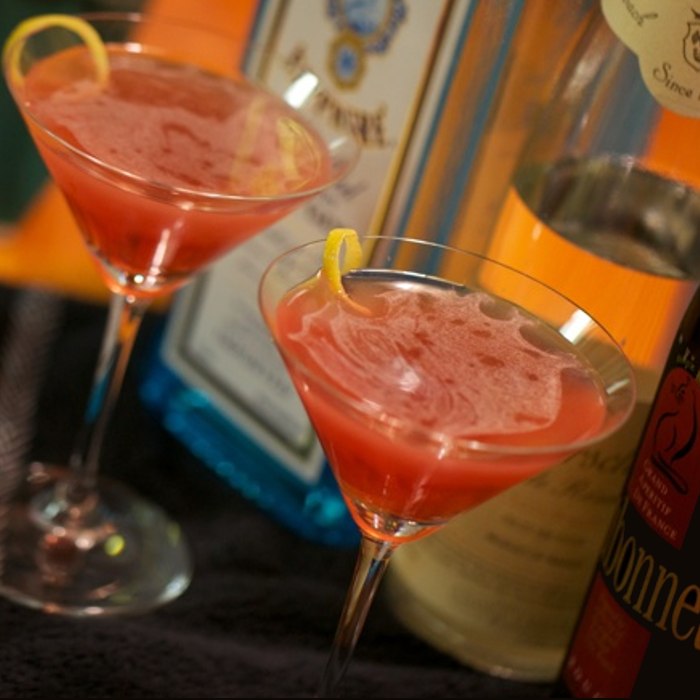
The Blackthorn is a classic cocktail that combines the rich flavors of gin and sweet vermouth, enhanced by a splash of orange bitters. Often garnished with a twist of lemon or an orange peel, this drink offers a balanced blend of herbal and citrus notes, making it a sophisticated choice for any occasion. Its deep, alluring color and smooth finish make it a timeless favorite among cocktail enthusiasts.
Rail Splitter
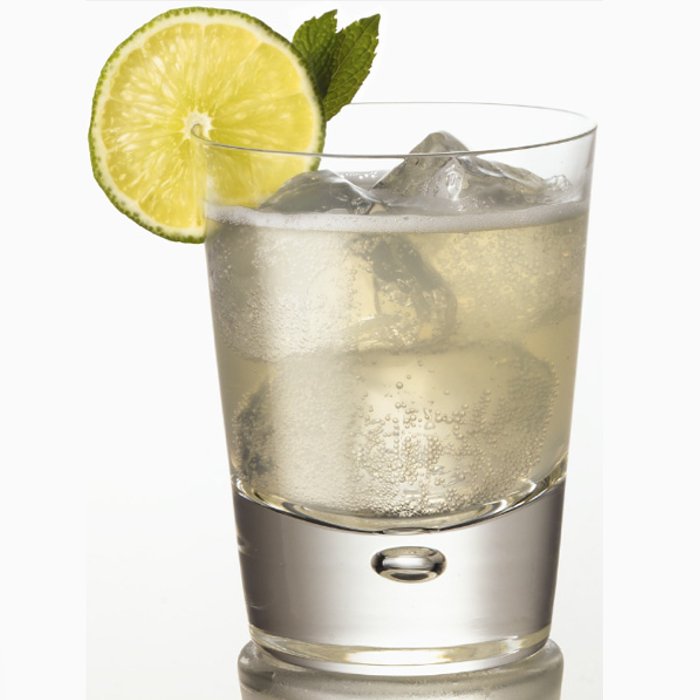
The Rail Splitter is a refreshing cocktail that combines the bold flavors of bourbon with the zesty notes of ginger beer and fresh lime juice. This invigorating drink is typically garnished with a lime wedge, making it a perfect choice for those seeking a spirited yet crisp beverage. Its harmonious blend of sweetness and spice captures the essence of classic American mixology.
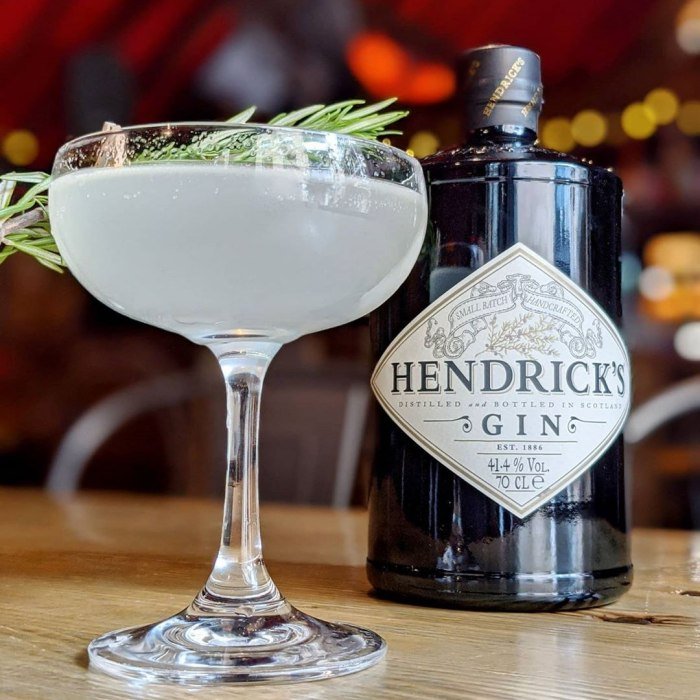
The Philosopher
The Philosopher is a thought-provoking cocktail that blends the complexities of life in a glass, featuring a harmonious mix of gin, elderflower liqueur, fresh lemon juice, and a hint of herbal bitters. Garnished with a sprig of rosemary, this refreshing drink invites contemplation and conversation, making it the perfect companion for deep discussions or a quiet evening of introspection. Sip slowly and ponder the mysteries of existence with each delightful taste.
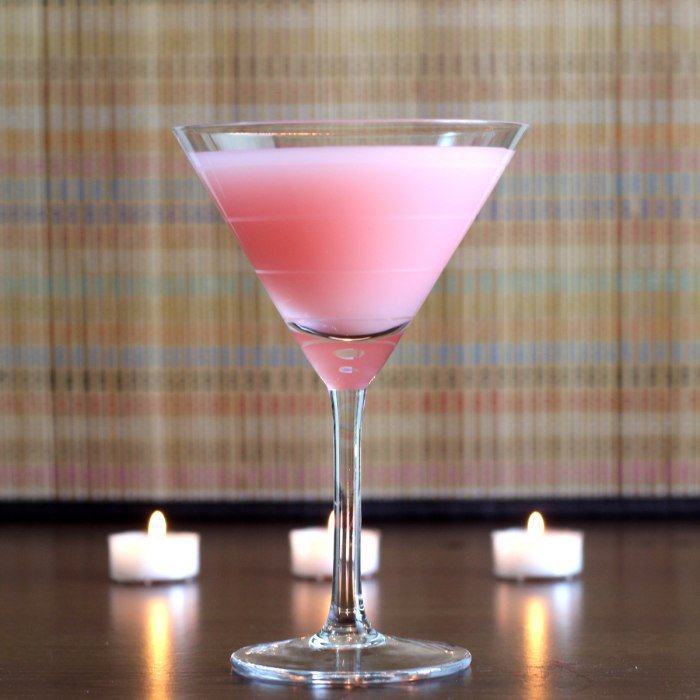
Ace
The Ace cocktail is a refreshing blend of gin, elderflower liqueur, and fresh lemon juice, creating a vibrant and zesty flavor profile. Garnished with a sprig of mint and a twist of lemon peel, it offers a delightful balance of sweetness and tartness, making it the perfect drink for any occasion. Enjoy it chilled to elevate your spirits!
Other barbecues Cocktails
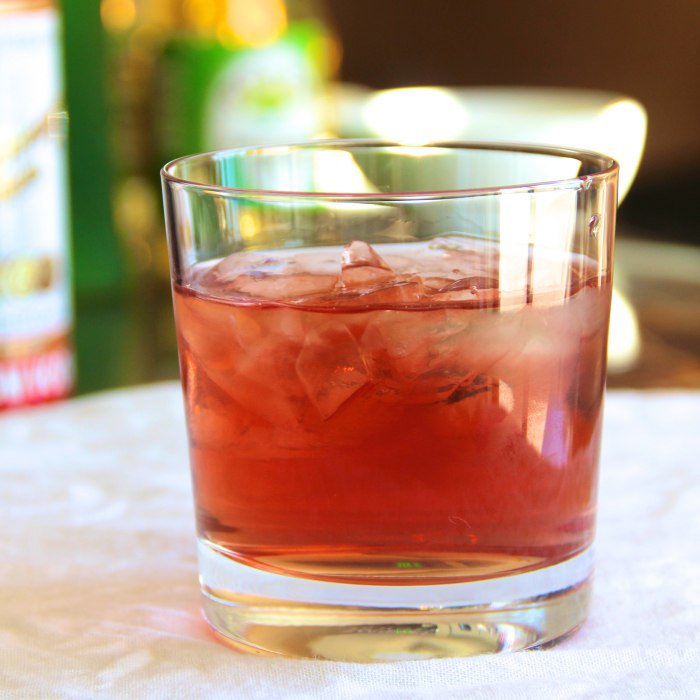
Kool-Aid Shot
The Kool-Aid Shot is a vibrant and playful cocktail that captures the nostalgic flavors of the classic childhood drink. This fun, colorful shot combines fruity flavored Kool-Aid with a splash of vodka or another spirit, creating a sweet and refreshing burst of flavor that's perfect for parties and celebrations. Its eye-catching appearance and delicious taste make it a favorite among those looking to relive their youthful indulgences.
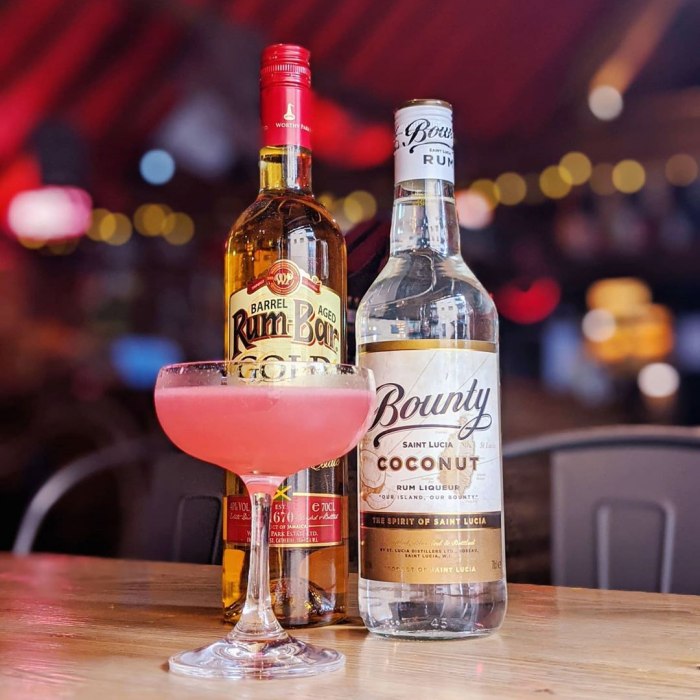
Bounty Hunter
The Bounty Hunter is a tropical cocktail that captures the essence of adventure with its vibrant blend of rum, coconut cream, and pineapple juice, complemented by a hint of lime. Served over crushed ice and garnished with a slice of fresh pineapple or a cherry, this refreshing drink transports you to a sun-soaked beach, making it the perfect escape for any occasion.
Rail Splitter
The Rail Splitter is a refreshing cocktail that combines the bold flavors of bourbon with the zesty notes of ginger beer and fresh lime juice. This invigorating drink is typically garnished with a lime wedge, making it a perfect choice for those seeking a spirited yet crisp beverage. Its harmonious blend of sweetness and spice captures the essence of classic American mixology.
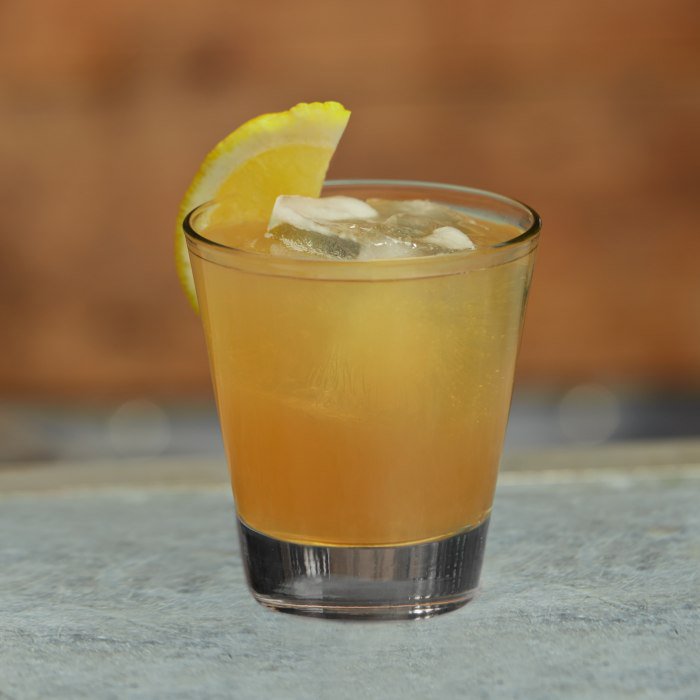
Tequila Sour
The Tequila Sour is a refreshing cocktail that combines the vibrant flavors of tequila with the tartness of fresh lemon juice and a touch of simple syrup for sweetness. Often garnished with a slice of lemon or a cherry, this drink offers a delightful balance of citrus and spirit, making it a perfect choice for warm evenings or festive gatherings. Its smooth texture and zesty profile make it a beloved twist on the classic sour cocktail family.
Similar Flavor Profiles
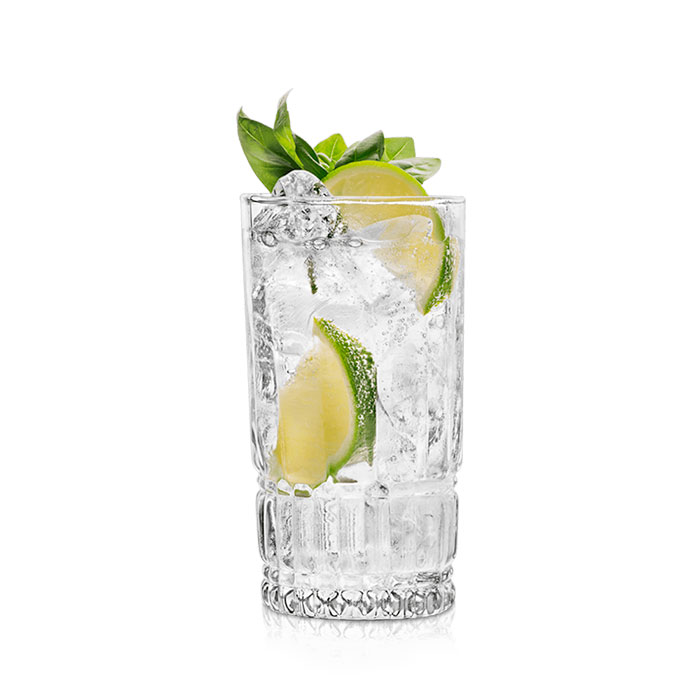
Gin Tonic
The Gin Tonic is a classic cocktail that combines the refreshing botanical notes of gin with the crisp effervescence of tonic water. Typically garnished with a slice of lime or lemon, this drink is perfect for warm weather and offers a delightful balance of flavors that highlight the gin's unique characteristics. Its simplicity and elegance make it a favorite among cocktail enthusiasts.
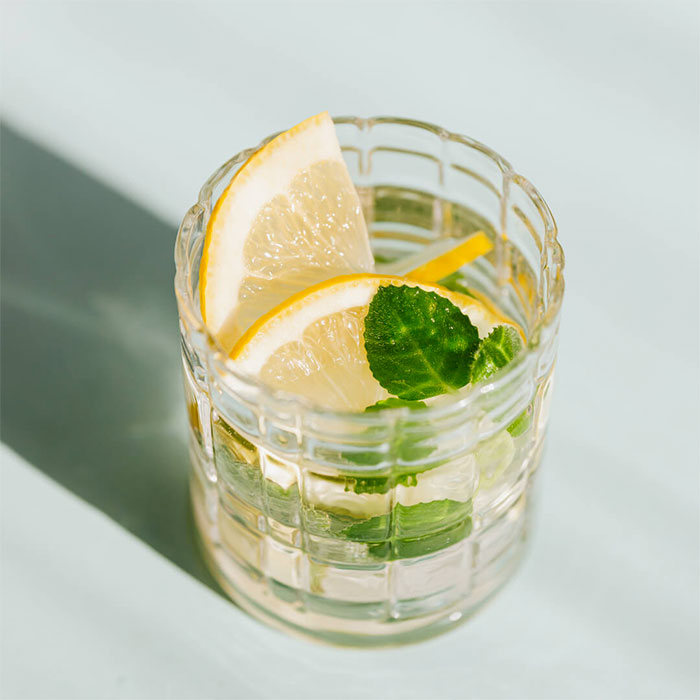
Vodka Tonic
The Vodka Tonic is a refreshing and simple cocktail that combines smooth vodka with crisp tonic water, creating a perfect balance of flavors. Often garnished with a wedge of lime or lemon, this drink is a popular choice for those seeking a light and invigorating beverage. Its clean taste and versatility make it a staple at bars and gatherings alike.
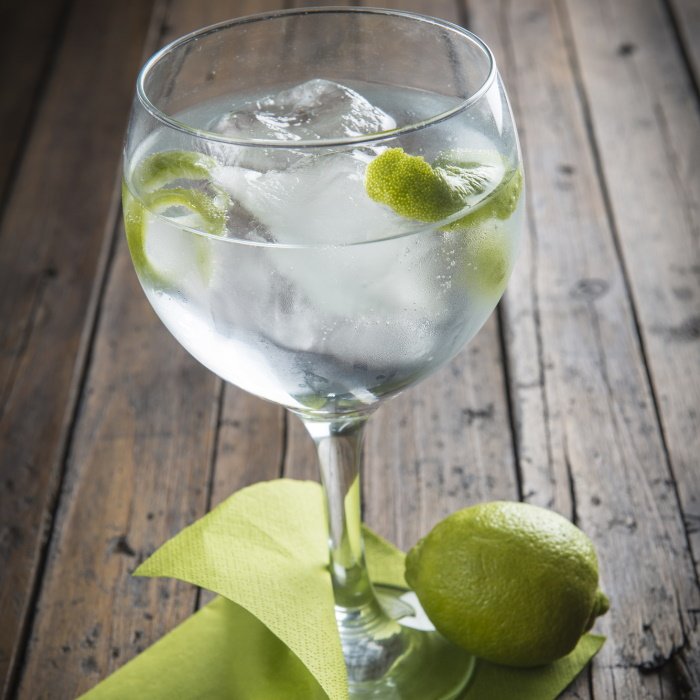
Gin and Soda
The Gin and Soda is a refreshing and simple cocktail that combines the crisp flavors of gin with the effervescence of soda water. Served over ice and often garnished with a slice of lime or lemon, this drink is perfect for those who enjoy a light, invigorating beverage that highlights the botanical notes of the gin. Its versatility makes it a popular choice for any occasion, from casual gatherings to elegant soirées.
London Town
The London Town cocktail is a refreshing blend that captures the essence of British sophistication. Combining gin, elderflower liqueur, fresh lemon juice, and tonic water, it offers a delightful balance of floral and citrus notes, making it the perfect drink for a sunny afternoon or a stylish evening gathering. Garnished with a slice of cucumber or a sprig of mint, this cocktail is both elegant and invigorating.
Advertisement