
Vintage Cocktail
Locomotive
A richly unusual hot wine cocktail from Thomas's 1862 guide: red wine mulled with honey, curaçao, and egg yolk, served hot in a goblet with a lemon slice. One of the most distinctive recipes in the book — warming, complex, and entirely unlike any modern cocktail category.
- warming
- rich
- honeyed
- wine-forward
- spiced
- eggy
- citrus

- Prep Time
- 12 min
- Glass
- goblet
- Difficulty
- Intermediate
- ABV
- 12%
- Yields
- 1 serving
The Locomotive is a vintage cocktail, celebrated for its warming and rich character — a consistently top-searched locomotive. Whether you're after a reliable winter option or simply want to master a classic, this 12-minute recipe is straightforward enough for home bars yet refined enough to impress. Perfect if you've been searching for the best jerry thomas.
Key Takeaways
What you’ll learn
- One of the most unusual recipes in the 1862 guide: hot red wine with honey, curaçao, and a tempered egg yolk — no modern cocktail category covers it.
- Named for the era's defining technology; locomotive metaphors in the 1860s meant power and invigorating force.
- Egg yolk tempering requires careful temperature control — wine at 160–170°F, never boiling, added slowly to the beaten yolk.
- The recipe reflects pre-central-heating American winters where hot drinks served both gustatory and thermal functions.
- Neither mulled wine nor a flip: the Locomotive occupies its own niche in historical cocktail taxonomy.
Advertisement
Ingredients
- Serves
- 1 serving
- Glass
- goblet
- Prep
- 12 min
- 1/2 bottle (approx. 12 oz) per 4 servings — use 3 oz per personRed wine (Burgundy or robust red)
- 2 tbsp (for 4 servings)Honey
- 1 dashCuraçao
- 1/2 tspGround cinnamon
- 1 per servingEgg yolk
- 1 slice, to garnishLemon
Method
Preparation
- 01
In a saucepan, gently warm 1/2 bottle (roughly 12 oz) of Burgundy or robust red wine with 2 tablespoons of honey, 1 dash of curaçao, and 1/2 teaspoon of ground cinnamon. Do not boil. Beat 1 egg yolk separately until smooth. Slowly temper the warm wine into the yolk, whisking constantly to prevent scrambling. Pour into a large warmed goblet. Garnish with a slice of lemon and grated cinnamon on top. Serve immediately while hot.
Origin
History & Origins
The Locomotive is the most unusual recipe in Thomas's 1862 guide by modern standards — a hot wine cocktail enriched with egg yolk that defies clean categorization. It is not quite a mulled wine (too many modifiers, egg yolk), not quite a flip (wine base rather than spirit), and not quite a toddy (no water, too complex). Thomas simply listed it among his hot drinks and gave it a name that conjured the most powerful machine of his era.
In 1862, central heating was rare outside of the very wealthy. American winters were managed with fireplaces, wood stoves, heavy clothing, and warming drinks. Thomas's hot drinks chapter is substantial — the Tom and Jerry, the Blue Blazer, the Mulled Wine, the Hot Toddy, and the Locomotive represent an understanding that hot cocktails were a genuine utility, not a novelty. The choice to heat wine with honey and egg rather than simply with spices and sugar is a recipe decision that connects American bar practice to the much older European tradition of posset and caudle — medieval warm wine or ale drinks enriched with egg and sweetened with honey that had been winter staples since the 14th century.
The drink's name is an advertisement of vigour. Locomotives in the 1860s were the fastest, most powerful machines human civilization had yet produced. They represented industrial ambition and continental conquest — the transcontinental railroad was under construction as Thomas wrote. A cocktail named after one promised the drinker something stimulating and powerful, a useful marketing claim for a warming egg-wine drink.
A cocktail named after one promised the drinker something stimulating and powerful, a useful marketing claim for a warming egg-wine drink.
The Locomotive has not been seriously revived in the modern craft period. Its combination of hot wine and egg yolk is too unusual for standard menus, and its preparation requires technique (careful tempering) that is not suited to bar service at volume. It remains a home bartender's historical curiosity — extraordinary when made well.
Advertisement
Bartender’s Insight
Pro Tips
Temperature control is critical. The wine must be hot but not boiling when you temper the egg yolk — above 170°F/77°C risks scrambling the yolk, producing an unpleasant curdled texture.
From Arthur
Use a full-bodied red wine but not a tannic one. Over-tannic wine (Cabernet Sauvignon, Barolo) becomes bitter when heated. Grenache, Côtes du Rhône, or Merlot work better.
Warm the goblet in hot water before serving. The drink loses temperature rapidly in a cold vessel.
Honey variety matters: a neutral clover honey lets the wine and spice speak; a darker buckwheat honey adds earthiness that pairs well with cinnamon.
For a single serving, scale proportionally: approximately 3 oz red wine, 1.5 tsp honey, 1 small dash curaçao, pinch of cinnamon, 1 egg yolk.
At the Table
Perfect Pairings
Beyond the Classic
Variations
White Wine Locomotive
Use a dry white wine (Alsatian Riesling or Gewürztraminer) instead of red. The floral and spice notes of Gewürztraminer pair beautifully with the honey and cinnamon, producing a lighter, more aromatic version.
Port Locomotive
Reduce the wine quantity by half and substitute tawny port for half the volume. The oxidative nuttiness of the port intensifies the drink's richness and reduces the need for additional honey.
Questions
Frequently Asked
- The Locomotive has a flavor profile that is warming, rich, honeyed, wine-forward. It is crafted to balance these characteristics into a harmonious, satisfying drink that appeals to a wide range of palates.
- The Locomotive is ideal for winter, fireside, after dinner, holiday, historical. Its flavor profile and presentation make it a versatile choice that works equally well as a social cocktail or a relaxed evening drink.
- Yes, there are several ways to adapt a Locomotive. If you cannot source Red wine (Burgundy or robust red), look for a similar alternative that matches its flavor profile. Keep in mind that substitutions may alter the balance of the cocktail, so start with a smaller quantity and adjust to taste. The variations section above lists popular alternatives bartenders use.
- Some of the most popular Locomotive variations include White Wine Locomotive, Port Locomotive. Each variation puts a unique twist on the original recipe while retaining the essential character of the classic cocktail.
- The Locomotive is traditionally served in a goblet. Using the right glassware is important because it affects the aroma, temperature retention, and overall drinking experience. If you do not have a goblet on hand, a similar shaped glass will work.
- Yes, a mocktail version of the Locomotive is possible. Replace the base spirit with a non-alcoholic spirit alternative (there are many quality options available) and keep all other components the same. The result will capture much of the original's flavor profile while being suitable for guests who prefer alcohol-free options.
Other winter Cocktails
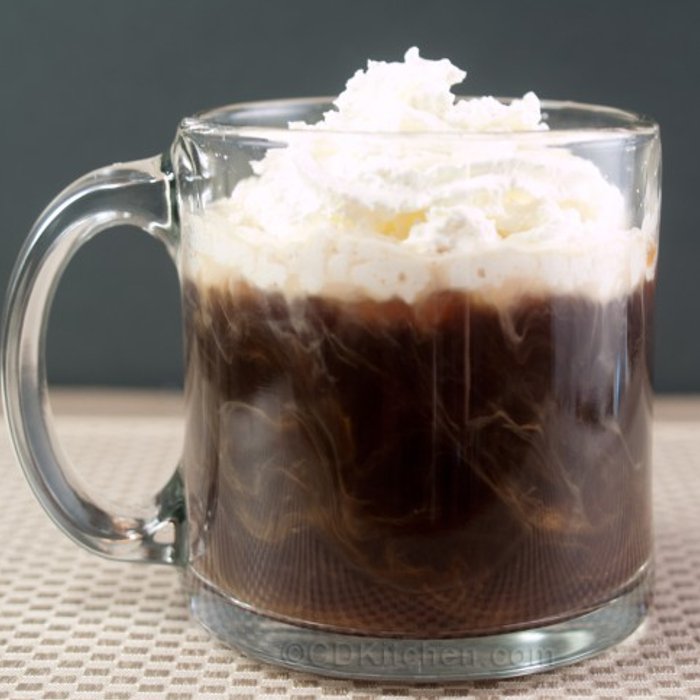
Tennesee Mud
Tennessee Mud is a rich and indulgent cocktail that combines the bold flavors of whiskey with the smoothness of coffee liqueur and a hint of chocolate. Typically served over ice, this delightful drink is often topped with whipped cream, creating a decadent treat that's perfect for cozy evenings or a night out. Its warm, comforting profile makes it a favorite among those who enjoy a sweet twist on classic whiskey cocktails.
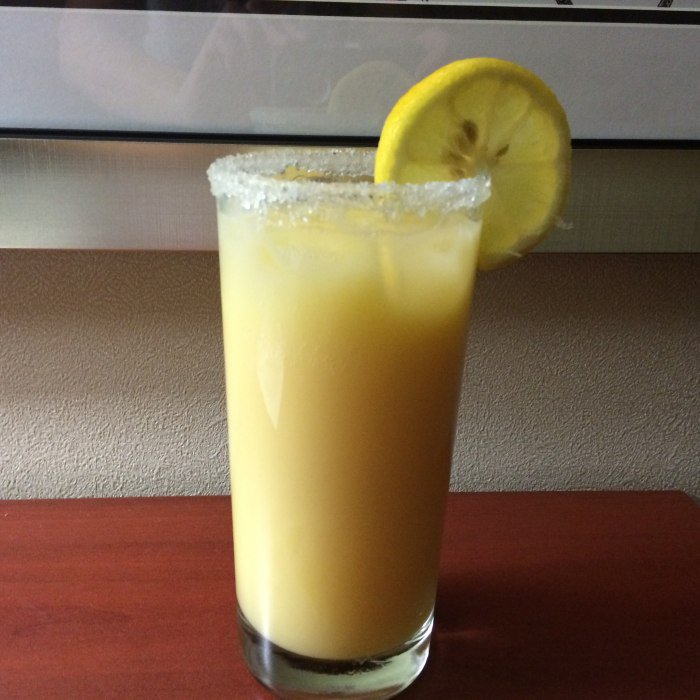
Snowball
The Snowball is a refreshing and frothy cocktail that combines the creamy flavors of advocaat, a Dutch egg liqueur, with lemonade and a splash of lime juice. Often garnished with a maraschino cherry or a slice of lemon, this drink is perfect for festive occasions, evoking a sense of winter cheer with its light, sweet taste. Its pale yellow color and bubbly texture make it a delightful addition to any holiday gathering.
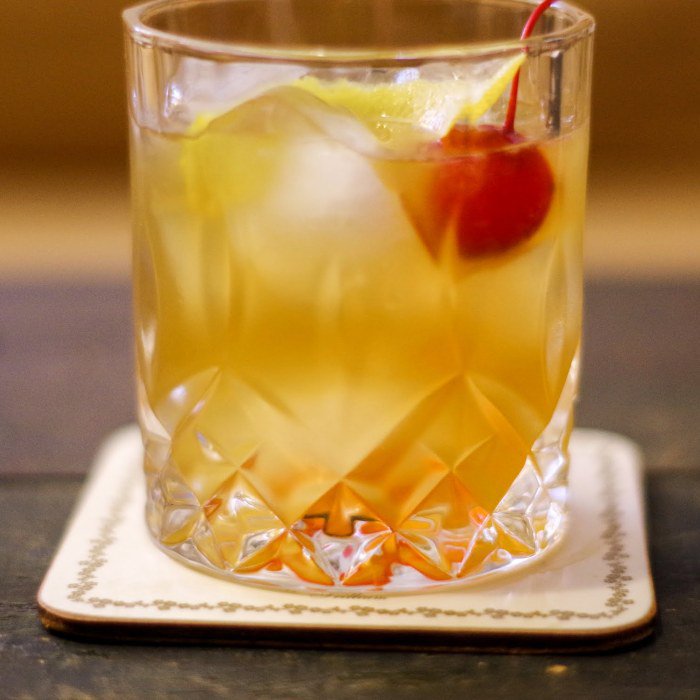
Scotch Sour
The Scotch Sour is a sophisticated twist on the classic whiskey sour, featuring a smooth blend of Scotch whisky, fresh lemon juice, and simple syrup. Served over ice and often garnished with a lemon wheel or cherry, this cocktail balances the smoky richness of Scotch with the tart brightness of citrus, creating a refreshing yet complex flavor profile. Perfect for those who appreciate the depth of Scotch while enjoying a vibrant drink.
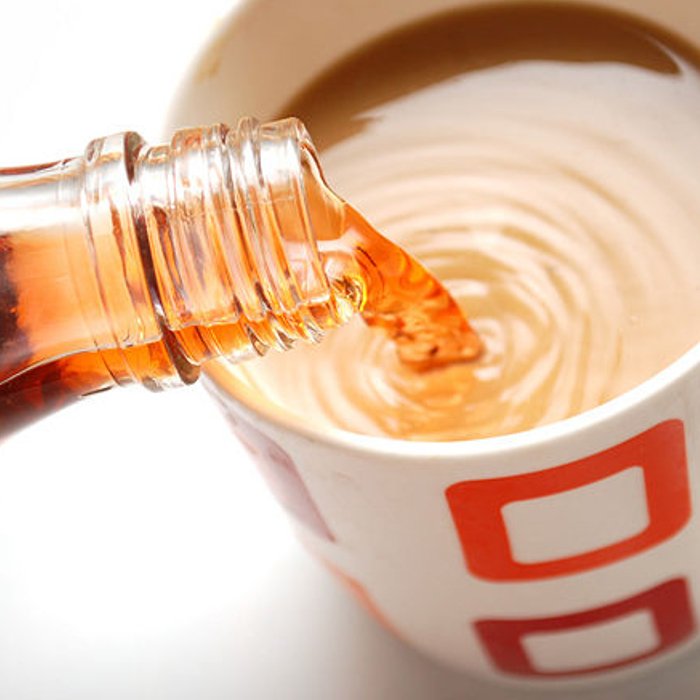
Swedish Coffee
Swedish Coffee is a delightful blend that combines rich, freshly brewed coffee with a splash of Swedish aquavit, adding a unique herbal twist. Often sweetened with sugar and topped with a dollop of whipped cream, this warming cocktail is perfect for cozy gatherings, offering a comforting balance of caffeine and warmth. Enjoy it as a delightful after-dinner drink or a festive treat during chilly evenings.
Similar Flavor Profiles

Tom and Jerry
Jerry Thomas's signature creation: a warm egg-batter punch spiked with brandy and rum, served in a hot goblet. Thomas is said to have invented it during his tenure at the Planter's House Hotel in St. Louis in the 1850s, though the drink's exact origin is disputed. It was popular enough that Thomas named his 1862 bar guide after it.
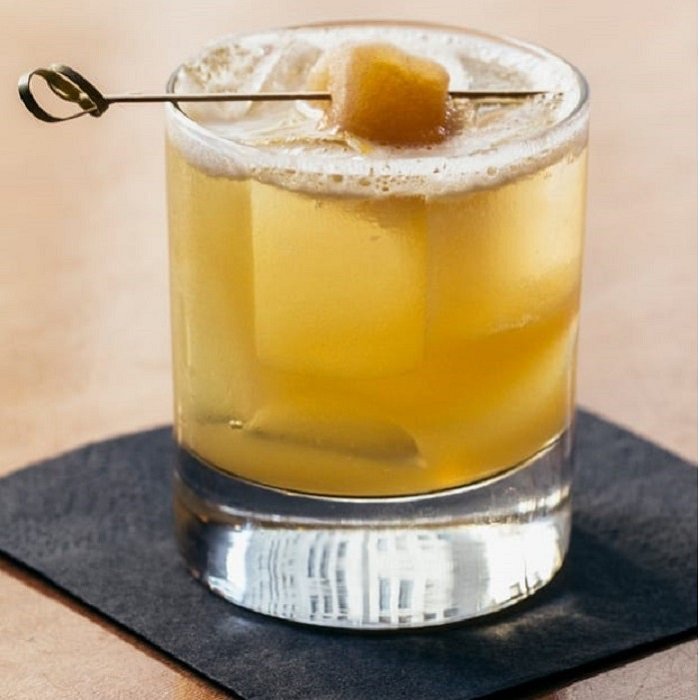
Penicillin
The Penicillin is a vibrant cocktail that artfully blends smoky Scotch whisky with fresh lemon juice and honey-ginger syrup, creating a harmonious balance of flavors. Served over ice and often garnished with a lemon twist, this drink offers a warming, soothing experience reminiscent of a comforting remedy. Its unique combination makes it a favorite among whisky lovers and cocktail enthusiasts alike.
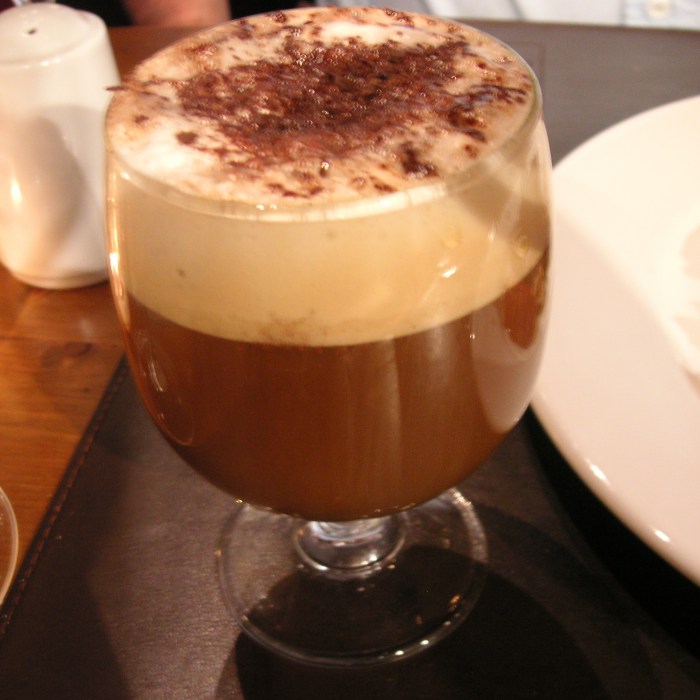
Hot Creamy Bush
The Hot Creamy Bush is a delightful cocktail that combines rich, velvety textures with a hint of warmth, making it the perfect indulgence for cozy evenings. This unique blend features a harmonious mix of creamy liqueurs, spices, and a touch of heat, tantalizing the palate with every sip. Garnished with a sprinkle of cocoa or cinnamon, it's a decadent treat that promises to warm both body and spirit.
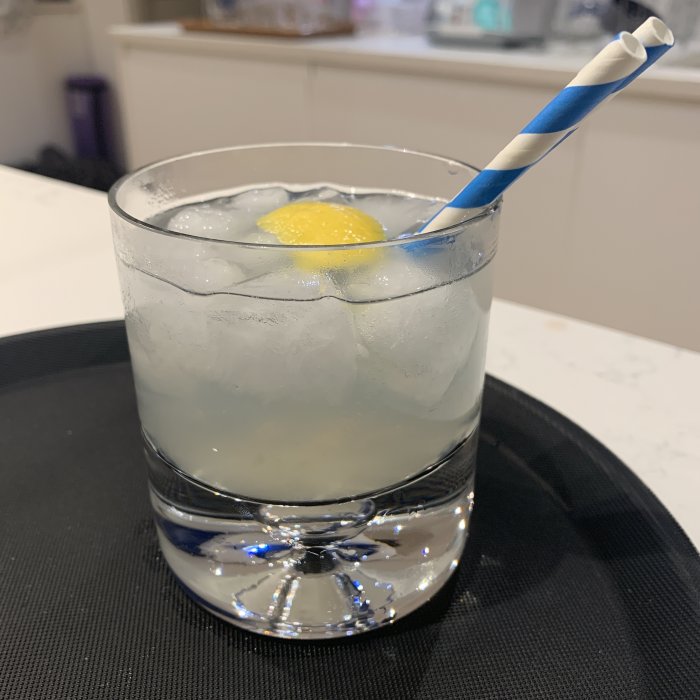
Gin Toddy
The Gin Toddy is a warm and comforting cocktail that combines the herbal notes of gin with the soothing qualities of hot water, honey, and fresh lemon juice. Perfect for chilly evenings, this drink offers a delightful balance of sweetness and acidity, making it a cozy choice for relaxation. Garnished with a lemon slice or a sprig of herbs, it’s both refreshing and revitalizing.
Advertisement