Cocktail
Manhattan
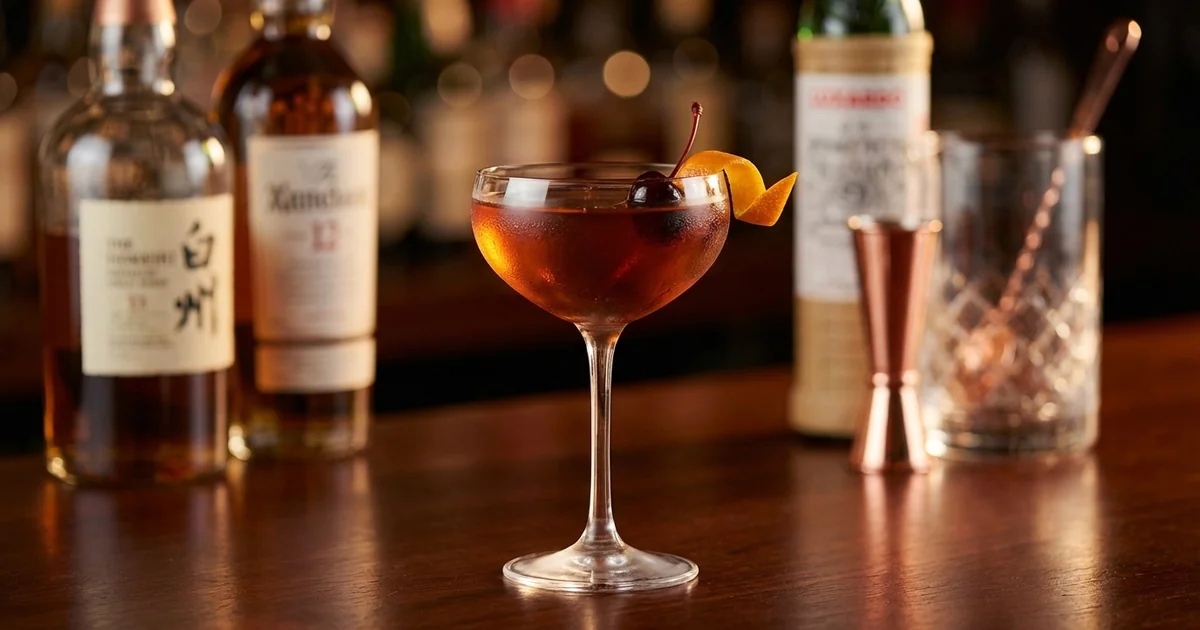
The Manhattan is a classic cocktail that combines whiskey, sweet vermouth, and aromatic bitters, creating a rich and sophisticated flavor profile. Traditionally served in a chilled coupe glass and garnished with a maraschino cherry or a twist of lemon, it embodies the elegance of New York City's cocktail culture. This timeless drink is perfect for those who appreciate a smooth and balanced libation.
- rich
- smooth
- bittersweet
- aromatic

- Prep Time
- 4 min
- Glass
- Cocktail glass
- Difficulty
- Easy
- ABV
- 30%
- Yields
- 1 serving
Few cocktail recipes deliver rich and smooth quite like the Manhattan. It leads with bourbon and comes together in about 4 minutes. If you've searched for "cocktail party", this is the recipe to bookmark.
Key Takeaways
What you’ll learn
- The Manhattan was created in 1870s New York and remains one of the world's most sophisticated cocktails.
- The classic recipe uses 2 oz whiskey, 1 oz sweet vermouth, and 2 dashes Angostura bitters — always stirred, never shaken.
- Rye whiskey provides spicy complexity while bourbon offers sweeter, smoother notes; both are legitimate and traditional.
- Always stir a Manhattan for 30–40 seconds to achieve proper dilution and the silky texture that defines the drink.
- Quality vermouth stored properly in the refrigerator and used within 3–4 weeks makes an enormous difference in the final cocktail.
Advertisement
Ingredients
- Serves
- 1 serving
- Glass
- Cocktail glass
- Prep
- 4 min
- 3/4 ozSweet Vermouth
- 2 1/2 oz BlendedBourbon
- dashAngostura bitters
- 2 or 3Ice
- 1Maraschino cherry
- 1 twist ofOrange peel
Method
Preparation
- 01
Stirred over ice, strained into a chilled glass, garnished, and served up.
Origin
History & Origins
Few cocktails embody sophistication and timeless elegance quite like the Manhattan. Born in the bustling streets of 1870s New York City, this iconic drink has graced the hands of countless cocktail enthusiasts for over 150 years. Legend has it that the Manhattan was first mixed at the Manhattan Club in New York City for a banquet hosted by Lady Randolph Churchill, Winston Churchill's mother. While historians debate the veracity of this origin story, what is undeniable is that the Manhattan emerged during America's Gilded Age as the drink of choice for the sophisticated urbanite.
The Manhattan's rise coincided with the golden age of American whiskey. Before Prohibition, rye whiskey dominated the American market, and the original Manhattan was built on rye's spicy, peppery backbone. When Prohibition took hold in 1920, the whiskey industry was devastated, and upon its repeal many distilleries had either vanished or shifted production. By the mid-20th century, bourbon had risen to prominence and many bars began defaulting to bourbon-based Manhattans, creating the sweeter, softer style that many drinkers know today.
Sweet vermouth — the Manhattan's other defining ingredient — is an often-overlooked component with its own rich history. This fortified wine, infused with herbs and spices, adds depth and complexity that lifts the drink far above a simple whiskey pour. Premium producers like Carpano Antica Formula, whose recipe dates to 18th-century Turin, and Cocchi Vermouth di Torino have driven a vermouth renaissance that has elevated Manhattan quality across the world's best bars.
Premium producers like Carpano Antica Formula, whose recipe dates to 18th-century Turin, and Cocchi Vermouth di Torino have driven a vermouth renaissance that has elevated Manhattan quality across the world's best bars.
Today, the Manhattan is a benchmark by which bartenders are often judged, a staple on craft cocktail menus worldwide, and a drink whose three-ingredient simplicity conceals a depth that reveals itself differently depending on the whiskey and vermouth chosen. Its enduring appeal lies in that beautiful tension between familiar and revelatory.
Advertisement
Bartender’s Insight
Pro Tips
Always stir, never shake. Shaking introduces air bubbles, creates cloudiness, and produces unwanted dilution. Stirring provides gentle chilling and the silky texture the Manhattan demands.
From James
Stir for a full 30–40 seconds. Under-stirred Manhattans taste harsh and boozy; the sweet spot is approximately 15–20% dilution.
Refrigerate your vermouth and use it within 3–4 weeks of opening. Oxidized vermouth smells flat and vinegary and will ruin an otherwise perfect cocktail.
Pre-chill your coupe or Nick and Nora glass while you stir — a warm glass quickly raises the temperature of a perfectly chilled Manhattan.
Express an orange peel over the finished drink before garnishing with a Luxardo cherry. The citrus oils add a bright aromatic note that complements the vermouth beautifully.
At the Table
Perfect Pairings
Beyond the Classic
Variations
Perfect Manhattan
Replace the 1 oz sweet vermouth with 1/2 oz sweet vermouth and 1/2 oz dry vermouth. "Perfect" in cocktail terminology means equal parts sweet and dry vermouth, producing a lighter, less sweet drink.
Dry Manhattan
Use dry vermouth instead of sweet vermouth and garnish with a lemon twist rather than a cherry. Much lighter and more aromatic than the classic, appealing to those who find sweet vermouth too rich.
Rob Roy
The Scottish cousin of the Manhattan: substitute a quality blended or single-malt Scotch whisky for the bourbon or rye. Named after Scottish folk hero Rob Roy MacGregor, it delivers a smoky, complex variation on the classic formula.
Black Manhattan
Substitute Averna amaro for the sweet vermouth. This creates a darker, more bitter cocktail with herbal complexity. For a middle ground, use half sweet vermouth and half Averna.
Brooklyn
Adds dry vermouth and maraschino liqueur alongside the rye whiskey and Angostura bitters, creating a drier and more complex variation that highlights the spirit's spice.
Watch
See it in action
Questions
Frequently Asked
- The Manhattan has a flavor profile that is rich, smooth, bittersweet, aromatic. It is crafted to balance these characteristics into a harmonious, satisfying drink that appeals to a wide range of palates.
- The Manhattan is ideal for cocktail parties, holiday gatherings, formal dinners. Its flavor profile and presentation make it a versatile choice that works equally well as a social cocktail or a relaxed evening drink.
- Yes, there are several ways to adapt a Manhattan. If you cannot source Sweet Vermouth, look for a similar alternative that matches its flavor profile. Keep in mind that substitutions may alter the balance of the cocktail, so start with a smaller quantity and adjust to taste. The variations section above lists popular alternatives bartenders use.
- Some of the most popular Manhattan variations include Perfect Manhattan, Dry Manhattan, Rob Roy. Each variation puts a unique twist on the original recipe while retaining the essential character of the classic cocktail.
- The Manhattan is traditionally served in a Cocktail glass. Using the right glassware is important because it affects the aroma, temperature retention, and overall drinking experience. If you do not have a Cocktail glass on hand, a similar shaped glass will work.
- Yes, a mocktail version of the Manhattan is possible. Replace the base spirit with a non-alcoholic spirit alternative (there are many quality options available) and keep all other components the same. The result will capture much of the original's flavor profile while being suitable for guests who prefer alcohol-free options.
Other Bourbon Cocktails
Allegheny
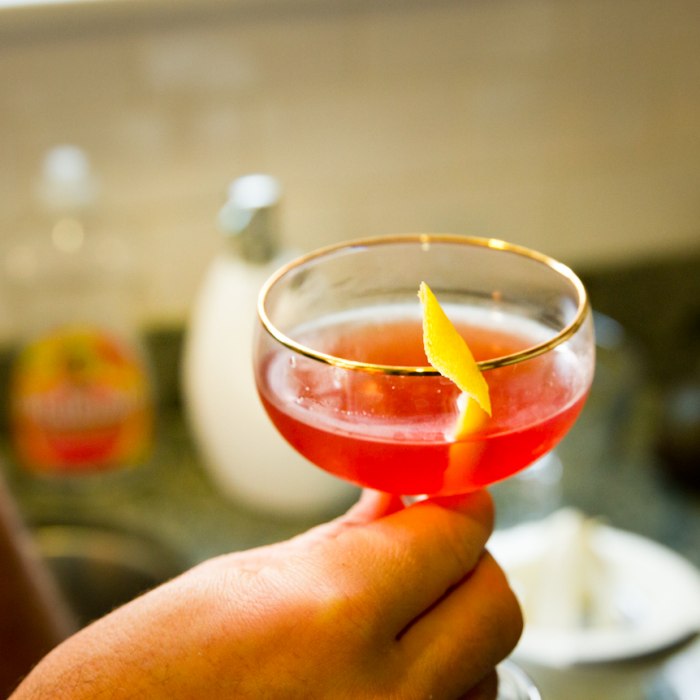
The Allegheny is a refreshing cocktail that beautifully balances the earthy notes of rye whiskey with the herbal complexity of sweet vermouth and a hint of orange bitters. Garnished with a twist of orange peel, it offers a sophisticated blend of flavors that evoke the spirit of the Allegheny River region. Perfect for sipping on a cozy evening, this drink showcases a harmonious interplay of warmth and zest.
Kentucky B And B
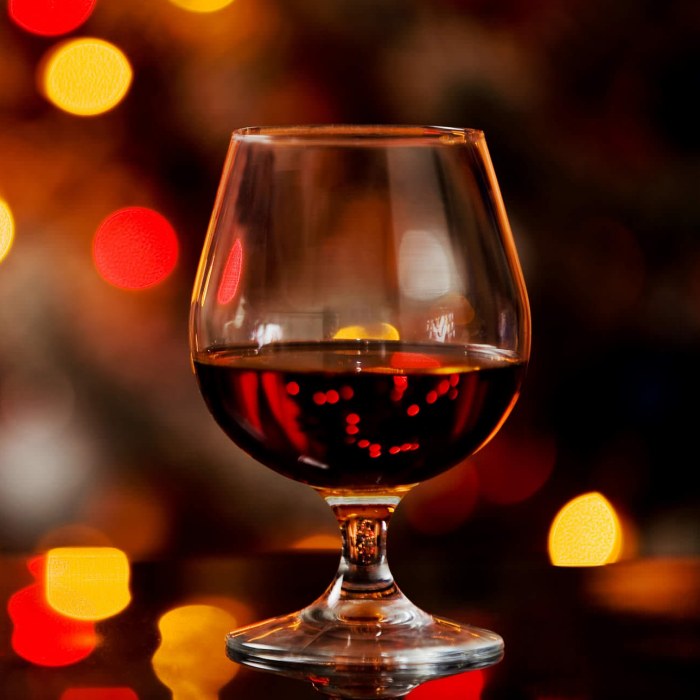
The Kentucky B and B is a delightful cocktail that blends the rich flavors of bourbon with the herbal notes of Benedictine liqueur. Served over ice with a twist of lemon, this drink offers a smooth and warming experience, perfect for sipping on a cozy evening. Its harmonious balance of sweetness and depth makes it a sophisticated choice for bourbon lovers.
Raspberry Julep
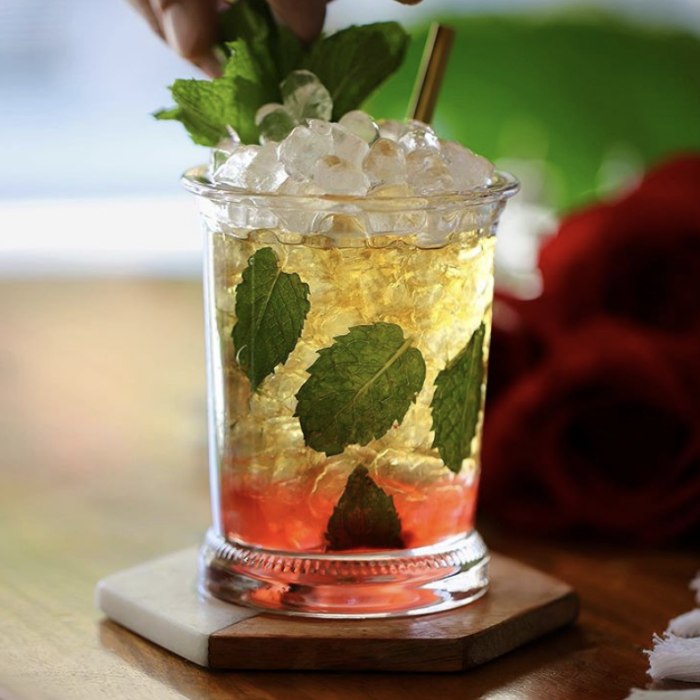
The Raspberry Julep is a refreshing twist on the classic mint julep, combining muddled fresh raspberries with fragrant mint leaves and a splash of simple syrup. Served over crushed ice and topped with bourbon, this vibrant cocktail offers a delightful balance of sweetness and herbal notes, making it the perfect drink for warm summer evenings. Garnished with a sprig of mint and a few whole raspberries, it’s as visually appealing as it is delicious.
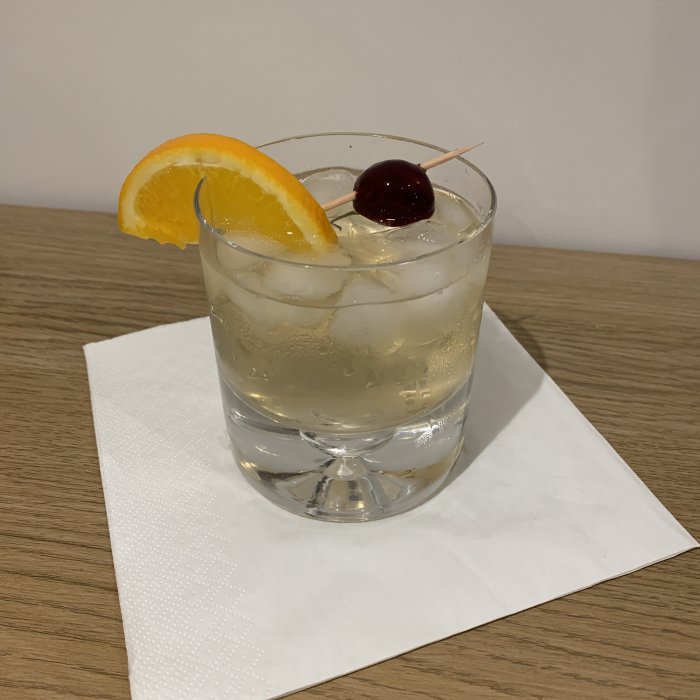
Classic Old-Fashioned
The Classic Old-Fashioned is a timeless cocktail that embodies sophistication with its simple yet rich flavors. Made with a blend of bourbon or rye whiskey, sugar, Angostura bitters, and a twist of citrus, it is served over ice and garnished with an orange slice or cherry, creating a perfect balance of sweetness and warmth. This drink is a favorite for those who appreciate the art of mixology and the elegance of traditional cocktails.
Other cocktail parties Cocktails
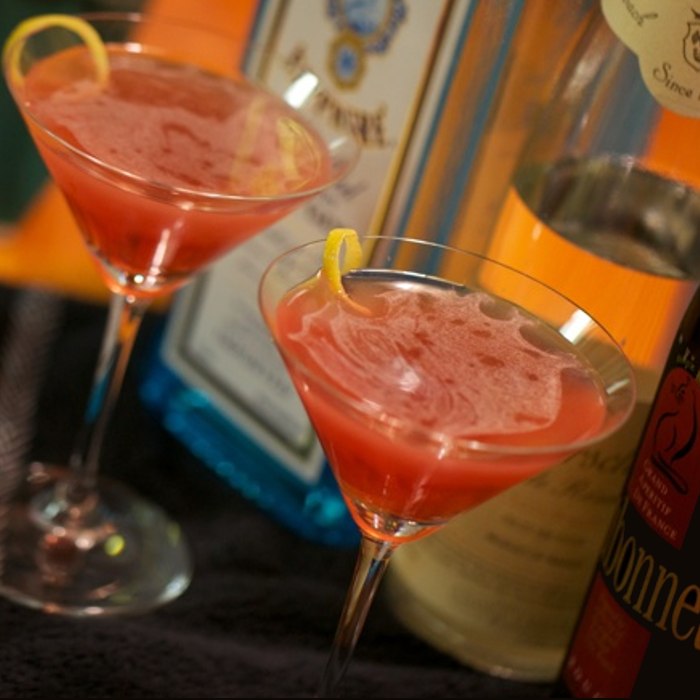
Blackthorn
The Blackthorn is a classic cocktail that combines the rich flavors of gin and sweet vermouth, enhanced by a splash of orange bitters. Often garnished with a twist of lemon or an orange peel, this drink offers a balanced blend of herbal and citrus notes, making it a sophisticated choice for any occasion. Its deep, alluring color and smooth finish make it a timeless favorite among cocktail enthusiasts.
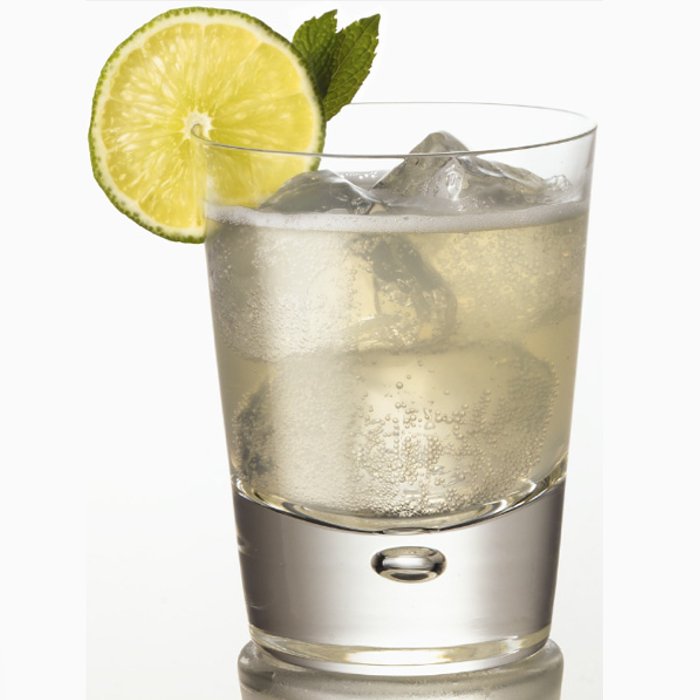
Rail Splitter
The Rail Splitter is a refreshing cocktail that combines the bold flavors of bourbon with the zesty notes of ginger beer and fresh lime juice. This invigorating drink is typically garnished with a lime wedge, making it a perfect choice for those seeking a spirited yet crisp beverage. Its harmonious blend of sweetness and spice captures the essence of classic American mixology.
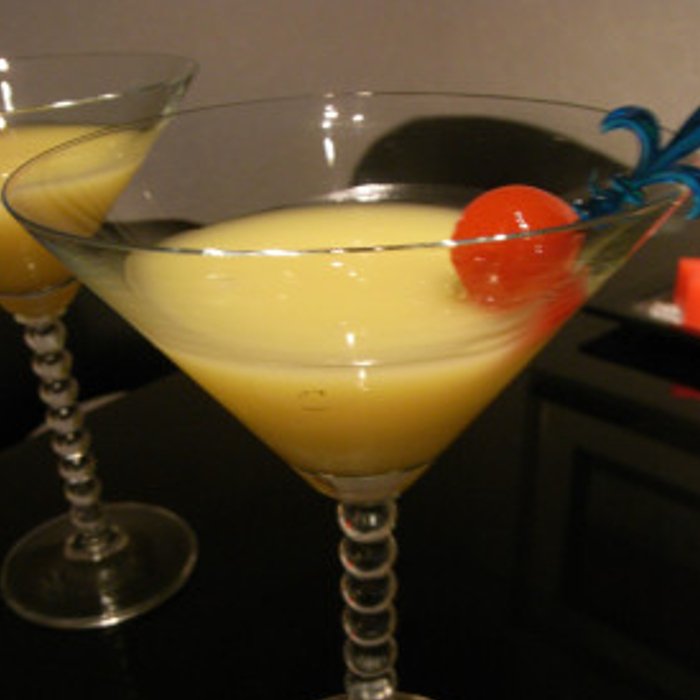
Casa Blanca
The Casa Blanca is a refreshing cocktail that combines the smoothness of white rum with the zesty brightness of fresh lime juice and the subtle sweetness of orange liqueur. Often garnished with a twist of citrus, this drink offers a delightful balance of flavors, making it a perfect choice for warm evenings or beachside lounging. Its elegant presentation and vibrant taste evoke the charm of its namesake, transporting you to a sun-soaked paradise with every sip.
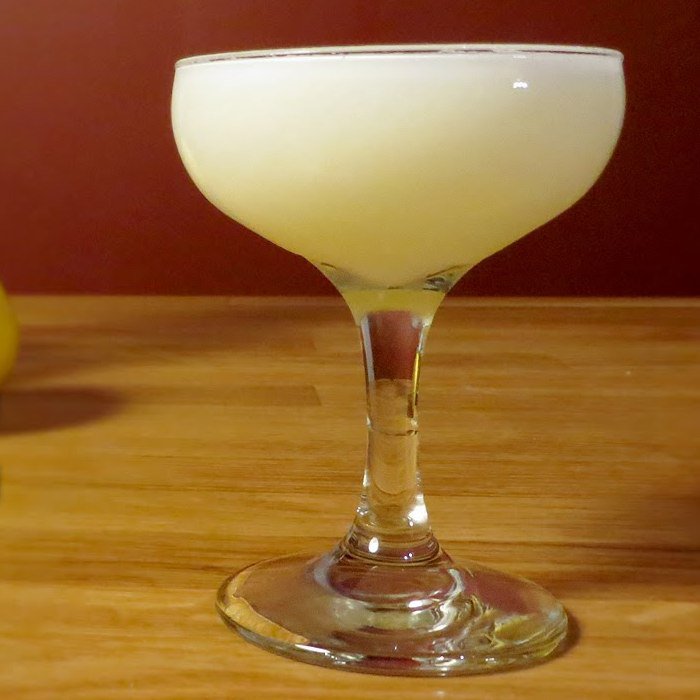
Vesuvio
The Vesuvio is a vibrant cocktail that captures the fiery spirit of its namesake volcano. Combining the bold flavors of gin, sweet vermouth, and fresh citrus, it offers a refreshing yet complex taste experience, often garnished with a twist of lemon or an olive. Perfect for those seeking a drink that ignites the senses, the Vesuvio is a delightful choice for any occasion.
Similar Flavor Profiles
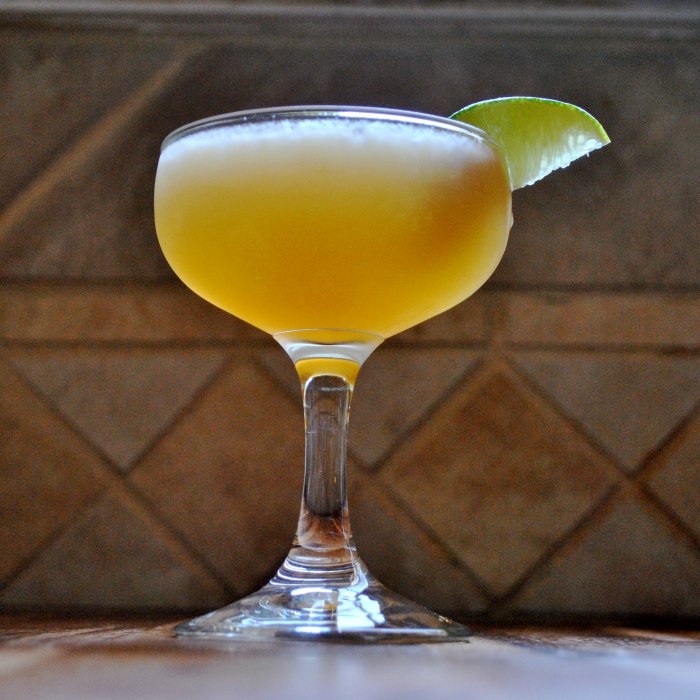
After Dinner Cocktail
The After Dinner Cocktail is a sophisticated blend designed to delight the palate after a meal. Typically featuring rich flavors from ingredients like coffee liqueur, whiskey, and a hint of bitters, this cocktail offers a warming and indulgent finish to any dining experience. Garnished with a twist of citrus or a coffee bean, it’s the perfect way to unwind and savor the evening.
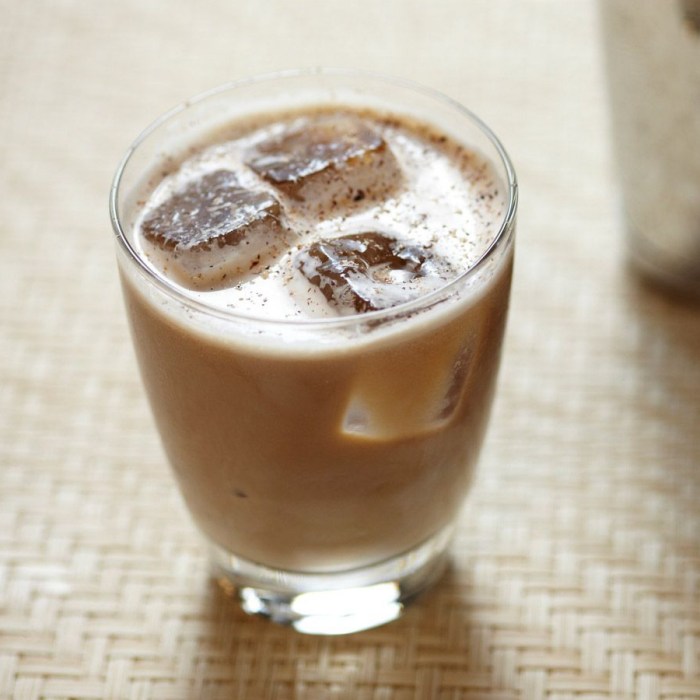
Coffee-Vodka
The Coffee-Vodka cocktail is a delightful blend that combines the rich, bold flavors of freshly brewed coffee with the smoothness of premium vodka. This invigorating drink is perfect for those who appreciate the energizing kick of caffeine paired with a spirited twist, making it an ideal choice for both daytime brunches and evening gatherings. Served over ice or shaken with a touch of cream, it offers a sophisticated yet approachable flavor profile that coffee lovers will adore.
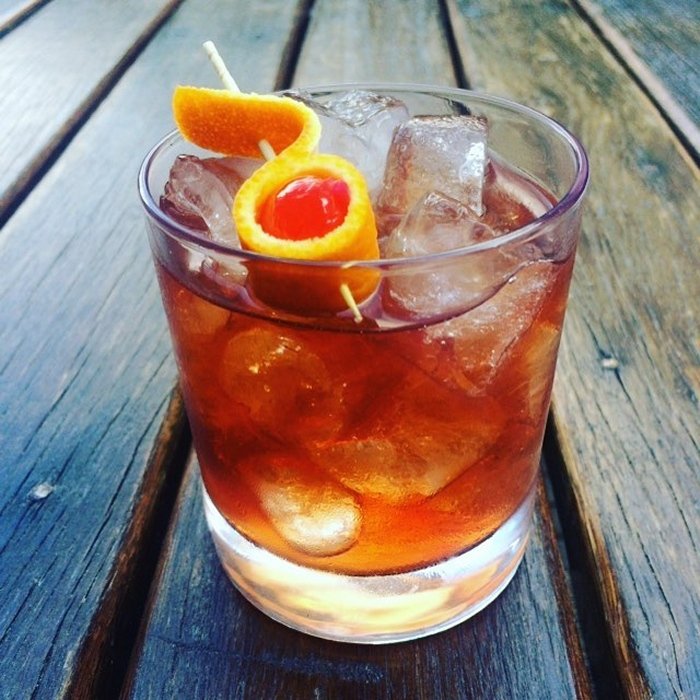
Old Fashioned
The Old Fashioned is a classic cocktail that elegantly combines bourbon or rye whiskey with a sugar cube, a few dashes of bitters, and a twist of citrus peel. Served over ice in a short glass, it highlights the rich flavors of the whiskey while offering a subtle sweetness and aromatic complexity. This timeless drink is a favorite for those who appreciate a sophisticated and robust sipping experience.
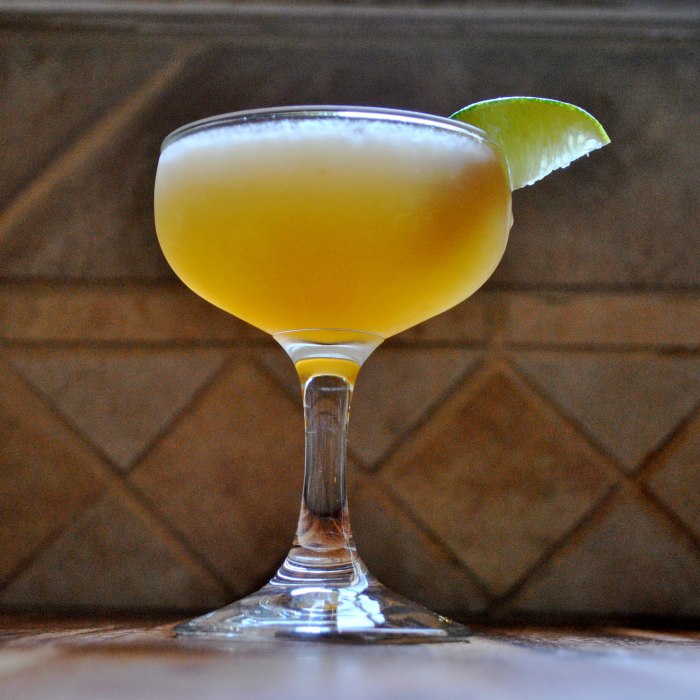
After Supper Cocktail
The After Supper Cocktail is a sophisticated blend designed to stimulate the palate following a meal. Typically featuring a harmonious mix of herbal liqueurs, bitters, and a touch of citrus, this drink offers a refreshing and aromatic finish that enhances digestion. Its elegant presentation and complex flavors make it a delightful choice for a post-dinner indulgence.
Advertisement