
Vintage Cocktail
Stone Fence
One of the oldest drinks in the American canon: whiskey poured directly into hard cider, with optional bitters. Its documented history runs from the Green Mountain Boys drinking it before the 1775 capture of Fort Ticonderoga to Jerry Thomas's 1862 recipe. Thomas kept it radically simple — whiskey, cider, ice.
- tart
- apple
- warming
- dry
- slightly spiced
- refreshing

- Prep Time
- 3 min
- Glass
- tumbler
- Difficulty
- Easy
- ABV
- 10%
- Yields
- 1 serving
At its core, the Stone Fence is a whiskey-forward vintage cocktail that takes about 3 minutes to make. The result is tart and apple — worth every second. Consistently one of the most popular stone fence searches, and for good reason.
Key Takeaways
What you’ll learn
- One of the oldest documented American drinks: the Green Mountain Boys drank it the night before the 1775 capture of Fort Ticonderoga.
- Jerry Thomas included it in 1862 without embellishment — whiskey poured into hard cider. Its simplicity is its historical signature.
- Dry, tannic New England-style hard cider is essential; sweet commercial cider makes it cloying.
- A pre-Prohibition relic of when American hard cider was as common as beer — temperance movements and Prohibition nearly destroyed both the recipe and the ingredient.
- Applejack (apple brandy) may be even more period-correct than whiskey for the colonial era version.
Advertisement
Ingredients
- Serves
- 1 serving
- Glass
- tumbler
- Prep
- 3 min
- 1 wineglass (1½ oz)Rye whiskey or bourbon
- to fillDry hard cider
- 2 dashes (optional)Angostura bitters (optional)
Method
Preparation
- 01
Fill a tumbler with ice. Add 1 wineglass (1½ oz) of rye whiskey or Bourbon. Fill with cold hard cider (dry variety preferred). Add 2 dashes of bitters if desired. Stir briefly to combine. No garnish required; a lemon peel or apple slice is a modern addition consistent with the period aesthetic.
Origin
History & Origins
No drink in the American catalogue has a better documented pedigree than the Stone Fence. Before the Revolutionary War had a name, the combination of whiskey (or rum, or cider brandy) poured into hard apple cider was already common in colonial taverns from Virginia to New Hampshire. The specific name "Stone Fence" appears in American print by the early 19th century, applied to this already-old drink.
The Fort Ticonderoga connection is documented in the memoir tradition surrounding Ethan Allen and the Green Mountain Boys. The assault on the British fort on May 10, 1775 — the first American offensive action of the Revolution, taken before the Declaration of Independence existed — was preceded by a night's drinking at Remington's Tavern in Hand's Cove. Contemporary accounts record that the men drank hard cider and whiskey, which later historians identified as the Stone Fence combination. Whether Allen called it by that name, or whether the name was attached to the drink after the fact, is less important than the historical reality: this was what Americans drank in 1775.
By 1862, when Thomas published his guide, the Stone Fence had aged into a vernacular classic — everyone knew it, nobody thought to explain it. Thomas's recipe is the shortest in the book: whiskey, cider, ice. The period cider would have been New England farmhouse hard cider, a dry, tannic, often cloudy product nothing like modern commercial cider. Apple orchards dominated New England agriculture until the temperance movement and then Prohibition systematically destroyed them; by 1933, American hard cider had nearly ceased to exist as a category.
Apple orchards dominated New England agriculture until the temperance movement and then Prohibition systematically destroyed them; by 1933, American hard cider had nearly ceased to exist as a category.
The craft cider renaissance of the 2010s restored the Stone Fence's primary ingredient to bar menus, and the drink has returned as a low-effort, high-authenticity historical cocktail. Its appeal lies in exactly what Thomas recognized: it needs nothing added.
Advertisement
Bartender’s Insight
Pro Tips
Use a dry, tannic hard cider (New England or English farmhouse style) rather than a sweet commercial cider. The tannins balance the whiskey and prevent the drink from becoming cloying.
From Arthur
High-rye bourbon or straight rye whiskey is the period-correct choice. The spice in rye cuts through cider's acidity; wheated bourbons get lost.
Serve extremely cold. The Stone Fence has no complexity to hide — temperature is its primary quality lever. Use large ice and pre-chill the glass.
Angostura bitters are a modern addition not strictly in Thomas's recipe. Add them if you want structure; omit them for the most austere historical version.
Avoid sparkling cider. Thomas's cider would have been still or lightly conditioned farmhouse cider, not the effervescent commercial product.
At the Table
Perfect Pairings
Beyond the Classic
Variations
Applejack Stone Fence
Replace rye with American applejack (Laird's Bonded is the historically correct choice). Apple-on-apple doubles down on the orchard character and is likely closer to what colonial Americans drank before distilled grain whiskey was widely available.
Rum Stone Fence
New England colonial drinking used rum as frequently as whiskey. A dark molasses rum (Gosling's, Myers's) with dry cider gives a richer, less spicy Stone Fence with caramel-apple character more typical of coastal colonial taverns.
Questions
Frequently Asked
- The Stone Fence has a flavor profile that is tart, apple, warming, dry. It is crafted to balance these characteristics into a harmonious, satisfying drink that appeals to a wide range of palates.
- The Stone Fence is ideal for autumn, harvest, historical, afternoon, casual. Its flavor profile and presentation make it a versatile choice that works equally well as a social cocktail or a relaxed evening drink.
- Yes, there are several ways to adapt a Stone Fence. If you cannot source Rye whiskey or bourbon, look for a similar alternative that matches its flavor profile. Keep in mind that substitutions may alter the balance of the cocktail, so start with a smaller quantity and adjust to taste. The variations section above lists popular alternatives bartenders use.
- Some of the most popular Stone Fence variations include Applejack Stone Fence, Rum Stone Fence. Each variation puts a unique twist on the original recipe while retaining the essential character of the classic cocktail.
- The Stone Fence is traditionally served in a tumbler. Using the right glassware is important because it affects the aroma, temperature retention, and overall drinking experience. If you do not have a tumbler on hand, a similar shaped glass will work.
- Yes, a mocktail version of the Stone Fence is possible. Replace the base spirit with a non-alcoholic spirit alternative (there are many quality options available) and keep all other components the same. The result will capture much of the original's flavor profile while being suitable for guests who prefer alcohol-free options.
Other Whiskey Cocktails
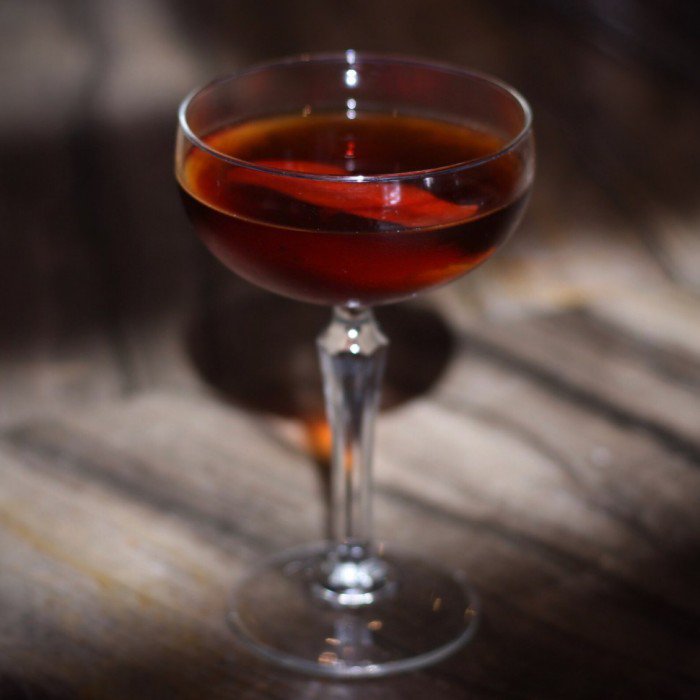
The Jimmy Conway
The Jimmy Conway is a sophisticated cocktail that combines smooth Irish whiskey with a hint of sweet vermouth and a splash of aromatic bitters, creating a rich and balanced flavor profile. Garnished with a twist of lemon peel, this drink pays homage to classic cocktail traditions while offering a modern twist that’s perfect for any occasion. Enjoy it neat or on the rocks for a refreshing sip that evokes a sense of elegance and warmth.

Jack's Vanilla Coke
Jack's Vanilla Coke is a delightful twist on a classic favorite, blending smooth bourbon with rich vanilla and a splash of cola for a refreshing finish. Garnished with a twist of lemon, this cocktail offers a perfect balance of sweetness and warmth, making it an ideal choice for any occasion. Enjoy it over ice for a satisfying sip that transports you to a laid-back summer evening.
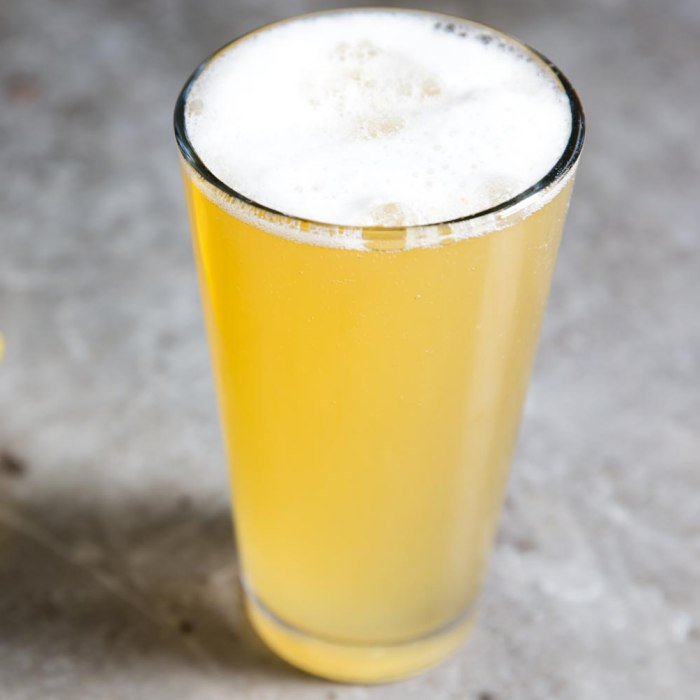
Owen's Grandmother's Revenge
Owen's Grandmother's Revenge is a bold and spirited cocktail that combines the warmth of spiced rum with the tang of fresh citrus and a hint of sweetness from homemade grenadine. This vibrant drink is garnished with a twist of orange and a cherry, making it a delightful tribute to the fiery yet loving nature of grandmothers everywhere. Perfect for those who appreciate a balance of flavors with a kick, it's sure to leave a lasting impression.

Damned if you do
The "Damned if You Do" cocktail is a tantalizing blend of gin, elderflower liqueur, and fresh lemon juice, creating a refreshing yet complex flavor profile. Garnished with a sprig of mint and a twist of lemon peel, this drink strikes a perfect balance between sweet and tart, making it an irresistible choice for any occasion. Its intriguing name hints at the delightful indulgence it offers, leaving you wanting more.
Other autumn Cocktails

Whisky Mac
The Whisky Mac is a classic cocktail that combines the rich, warming flavors of Scotch whisky with the sweet, spicy notes of ginger wine. Typically served over ice or mixed with a splash of soda, this drink offers a delightful balance of sweetness and warmth, making it a perfect choice for any occasion. Its simple yet sophisticated profile highlights the complexity of the whisky while adding a refreshing twist from the ginger.
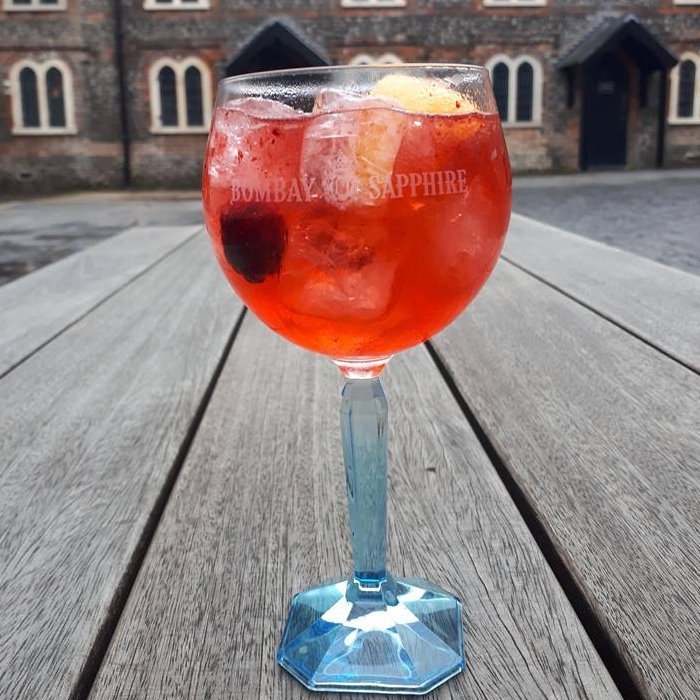
Hunter's Moon
The Hunter's Moon is a captivating cocktail that blends earthy flavors with a hint of sweetness, evoking the crispness of autumn nights. This enticing drink typically features a mix of whiskey, apple cider, and a splash of citrus, garnished with a cinnamon stick or an apple slice for an aromatic finish. Perfect for cozy gatherings, it embodies the spirit of harvest and celebration.
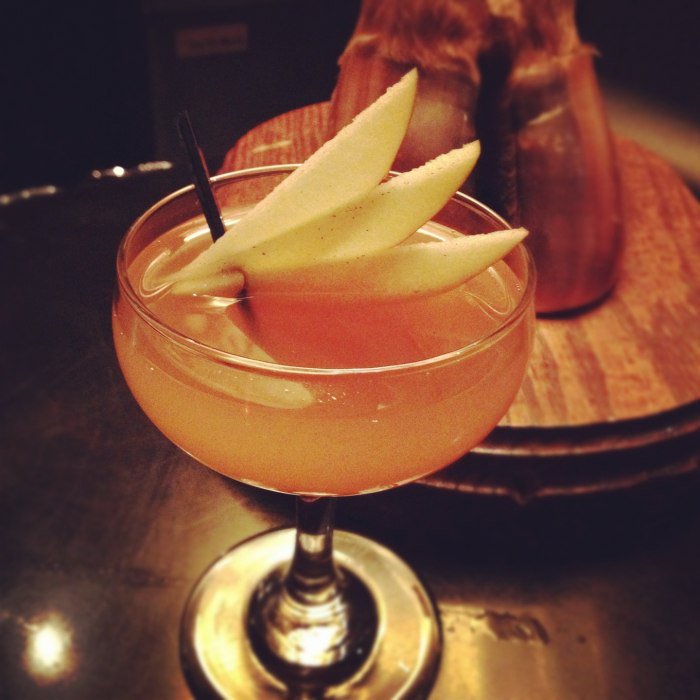
Applecar
The Applecar is a refreshing cocktail that combines the crisp flavors of apple and elderflower liqueur with a splash of tonic water for a bubbly finish. Garnished with a slice of fresh apple and a sprig of mint, this vibrant drink offers a delightful balance of sweetness and tartness, making it the perfect choice for any occasion. Enjoy it chilled for a revitalizing sip that captures the essence of autumn.
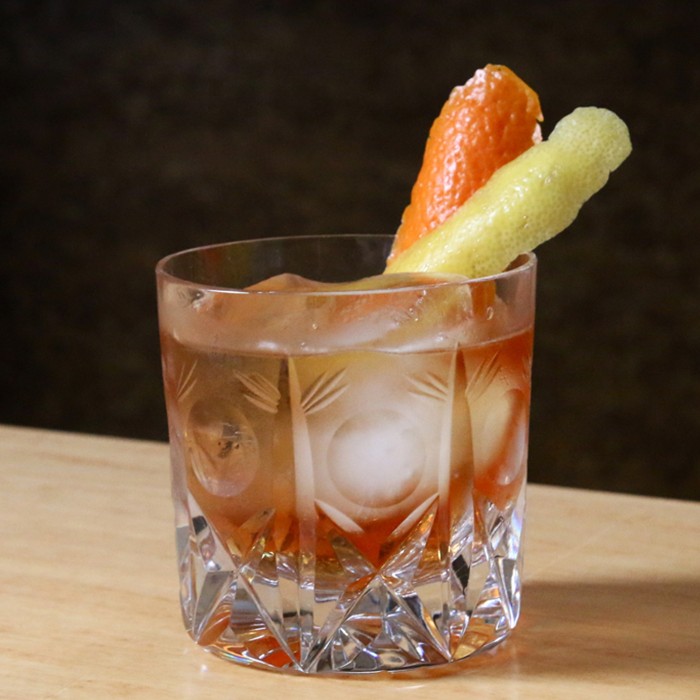
Applejack
The Applejack cocktail is a delightful blend of apple brandy, lemon juice, and simple syrup, often garnished with a twist of lemon or a slice of fresh apple. This refreshing drink captures the essence of autumn with its crisp, fruity flavors and balanced sweetness, making it a perfect choice for cozy gatherings or festive celebrations. Enjoy this classic cocktail for a taste of seasonal charm in every sip!
Similar Flavor Profiles
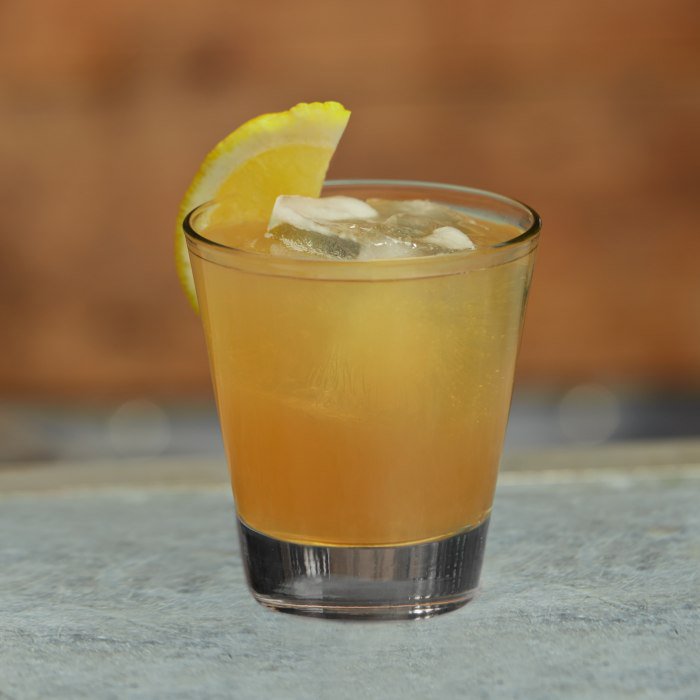
Tequila Sour
The Tequila Sour is a refreshing cocktail that combines the vibrant flavors of tequila with the tartness of fresh lemon juice and a touch of simple syrup for sweetness. Often garnished with a slice of lemon or a cherry, this drink offers a delightful balance of citrus and spirit, making it a perfect choice for warm evenings or festive gatherings. Its smooth texture and zesty profile make it a beloved twist on the classic sour cocktail family.
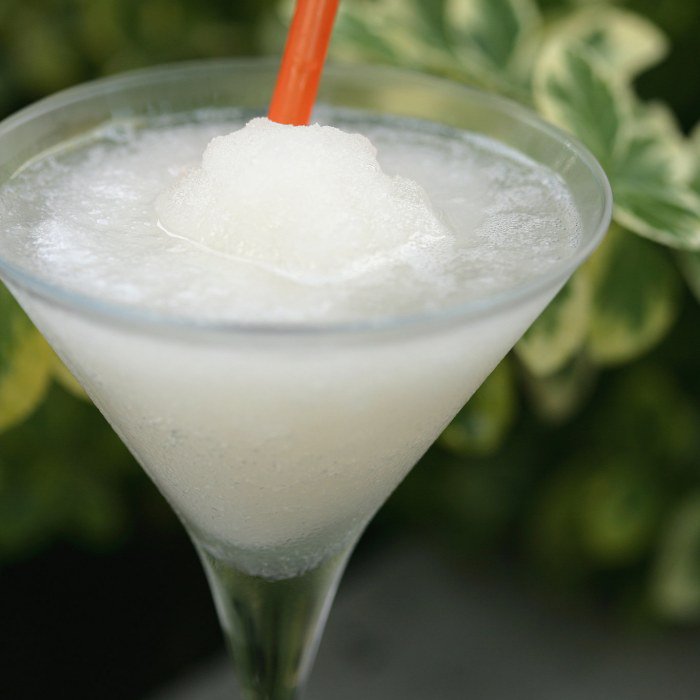
Frozen Daiquiri
The Frozen Daiquiri is a refreshing and vibrant cocktail that blends rum, fresh lime juice, and simple syrup with crushed ice, creating a slushy texture perfect for warm weather. Often garnished with a lime wheel or cherry, this tropical drink offers a delightful balance of sweetness and tartness, making it a popular choice for beachside sipping or summer gatherings. Enjoy its icy allure as you unwind and savor the flavors of the tropics!
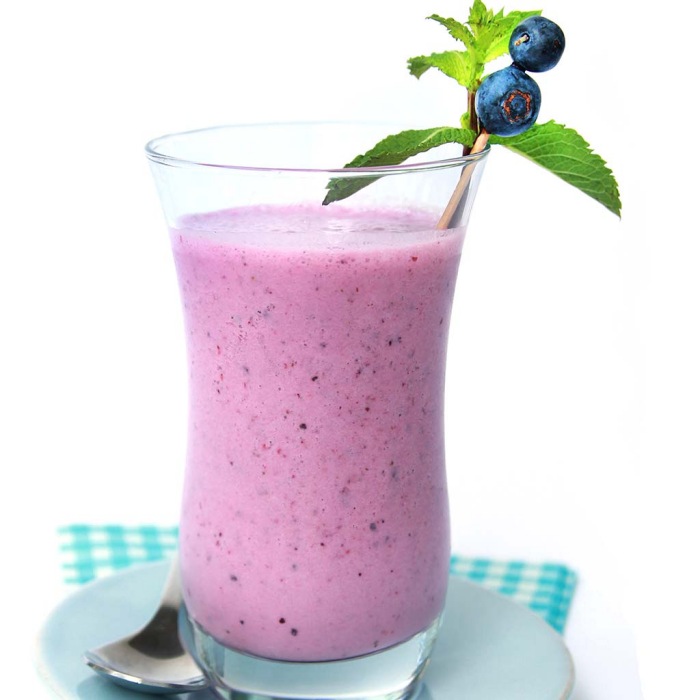
Apple Berry Smoothie
The Apple Berry Smoothie is a refreshing blend of crisp apple juice and a medley of juicy berries, creating a vibrant and fruity drink that's perfect for any occasion. With its creamy texture and natural sweetness, this cocktail is both invigorating and satisfying, making it an ideal choice for a warm day or a festive gathering. Enjoy it chilled for a delightful burst of flavor!
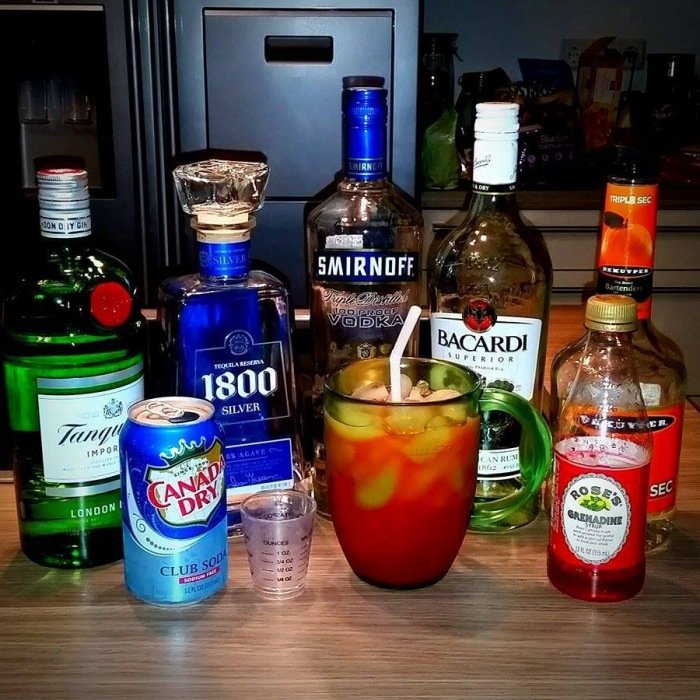
Cherry Electric Lemonade
Cherry Electric Lemonade is a vibrant and refreshing cocktail that combines the tartness of cherry and the zesty brightness of lemon. This eye-catching drink is typically crafted with cherry vodka, lemonade, and a splash of soda, creating a fizzy, fruity experience that's perfect for summer gatherings or lively nights out. Garnished with fresh cherries and a lemon wheel, it’s as delightful to look at as it is to sip.
Advertisement