
Vintage Cocktail
Knickerbocker (1862)

- Prep Time
- 5 min
- Glass
- tumbler
- Difficulty
- Easy
- ABV
- 13%
- Yields
- 1 serving
El Knickerbocker (1862) es un vintage cocktail con rum como protagonista, listo en 5 minutos.
Key Takeaways
What you’ll learn
- Named for Old New York Dutch culture, popularized by Washington Irving's 1809 satirical history — one of the earliest cocktails with a documented New York cultural identity.
- Combines rum with both raspberry syrup and curaçao — two fruit modifiers — making it an early ancestor of the tropical cocktail category.
- Thomas described it simply as "a very palatable drink," suggesting it was already well-known to his 1862 audience and needed no explanation.
- Santa Cruz (St. Croix) rum was the specified base — today Cruzan or a clean Caribbean white rum is the appropriate substitution.
- One of the earliest published shaken fruit cocktails: spirit + fruit syrup + citrus + crushed ice, built to be consumed as it dilutes.
Advertisement
Ingredients
- Serves
- 1 serving
- Glass
- tumbler
- Prep
- 5 min
- 1 wineglass (1½ oz)Santa Cruz (St. Croix) rum
- 1 tspRaspberry syrup
- juice of ½ lemonLemon juice
- 1 dashCuraçao
- to fillCrushed ice
- ½ sliceLemon (for garnish)
Origin
History & Origins
The Knickerbocker occupies a fascinating place in cocktail history: it is simultaneously a New York civic statement and a structural prototype. When Thomas published it in 1862, "Knickerbocker" had been a loaded cultural signifier for over fifty years.
Washington Irving coined the pseudonym "Diedrich Knickerbocker" for his 1809 satirical history of New York, and the name — suggesting the old Dutch-descended families who had founded the city — rapidly entered common use as a synonym for genuine, old-guard New Yorkness. By the 1840s the city's most prominent social club was the Knickerbocker Club; by the 1850s the term decorated products from beer to almanacs that wanted to signal authentic metropolitan character. Thomas naming a cocktail "Knickerbocker" in 1862 was the equivalent of naming it "New York" — a claim of civic identity.
The recipe itself is structurally ahead of its time. Most cocktails in the 1862 guide use a single modifier (sugar, or one liqueur) with a base spirit. The Knickerbocker layers raspberry syrup, curaçao, and citrus with rum — a complexity that wouldn't be formalized as a cocktail archetype until the tropical category emerged in the 1930s. The crushed ice serving format anticipates the Tiki style by seventy years.
The Knickerbocker layers raspberry syrup, curaçao, and citrus with rum — a complexity that wouldn't be formalized as a cocktail archetype until the tropical category emerged in the 1930s.
Santa Cruz rum — from the island of St. Croix in what was then the Danish West Indies — was a standard American bar spirit in the 1850s and 1860s, imported in quantity through New York Harbor. The island's distilleries produced a clean, relatively light rum that suited mixed drinks better than the heavier Jamaican pot-still rums then also popular. After Prohibition ended American rum imports, St. Croix rum largely disappeared from cocktail recipes, replaced by Puerto Rican Bacardi-style rums.
The modern craft cocktail revival has treated the Knickerbocker well — its flavour profile is immediately accessible, the ingredients are all available, and the raspberry-rum-citrus combination needs no apology.
Advertisement
Bartender’s Insight
Pro Tips
Thomas specified "Santa Cruz rum" meaning St. Croix rum from the U.S. Virgin Islands. Today, Cruzan Aged Light or Doorly's White are appropriate. The rum should be clean and relatively light; a heavy pot-still Jamaican rum competes with the fruit.
From Arthur
Make raspberry syrup from scratch: simmer equal parts fresh raspberries and sugar until dissolved, strain through muslin. Commercial raspberry syrup typically uses artificial flavour. The homemade version transforms the drink.
A dash of dry curaçao (Cointreau, Pierre Ferrand Dry Curaçao) is better here than sweet blue curaçao. Thomas's curaçao would have been a dry Dutch orange liqueur, not the technicolour modern version.
Serve extremely cold over fine crushed ice — the drink dilutes as you drink it, which is intentional. Thomas built dilution into the design.
Fresh lime juice is a superior alternative to lemon in this recipe. Lime and raspberry is a more cohesive pairing, and period Caribbean-inspired drinks frequently used lime.
At the Table
Perfect Pairings
Beyond the Classic
Variations
Knickerbocker à la Monsieur
Thomas listed a more elaborate variant titled "Knickerbocker à la Monsieur" using sherry instead of curaçao and adding pineapple syrup. Use dry Amontillado sherry and 1/4 oz pineapple syrup for a nutty, tropical riff.
Modern Knickerbocker
Shake 1.5 oz aged rum, 0.5 oz dry curaçao, 0.75 oz fresh lime juice, 0.5 oz raspberry syrup, with ice and double-strain into a chilled coupe. A cleaner, more technically precise version of the same flavour profile.
Questions
Frequently Asked
- Yes, there are several ways to adapt a Knickerbocker (1862). If you cannot source Santa Cruz (St. Croix) rum, look for a similar alternative that matches its flavor profile. Keep in mind that substitutions may alter the balance of the cocktail, so start with a smaller quantity and adjust to taste. The variations section above lists popular alternatives bartenders use.
- Some of the most popular Knickerbocker (1862) variations include Knickerbocker à la Monsieur, Modern Knickerbocker. Each variation puts a unique twist on the original recipe while retaining the essential character of the classic cocktail.
- The Knickerbocker (1862) is traditionally served in a tumbler. Using the right glassware is important because it affects the aroma, temperature retention, and overall drinking experience. If you do not have a tumbler on hand, a similar shaped glass will work.
- Yes, a mocktail version of the Knickerbocker (1862) is possible. Replace the base spirit with a non-alcoholic spirit alternative (there are many quality options available) and keep all other components the same. The result will capture much of the original's flavor profile while being suitable for guests who prefer alcohol-free options.
Other Rum Cocktails
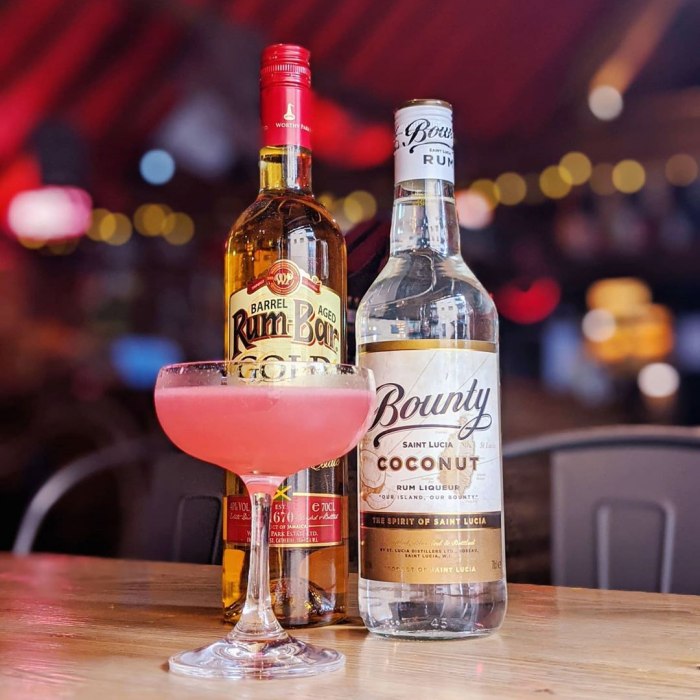
Bounty Hunter
El "Bounty Hunter" es un cóctel exótico que combina ron oscuro, jugo de piña y un toque de jarabe de coco, evocando sabores tropicales que transportan a una isla paradisíaca. Decorado con una rodaja de piña y una cereza, este trago es perfecto para aquellos que buscan una aventura refrescante en cada sorbo. Ideal para disfrutar en una tarde soleada o en una fiesta temática.
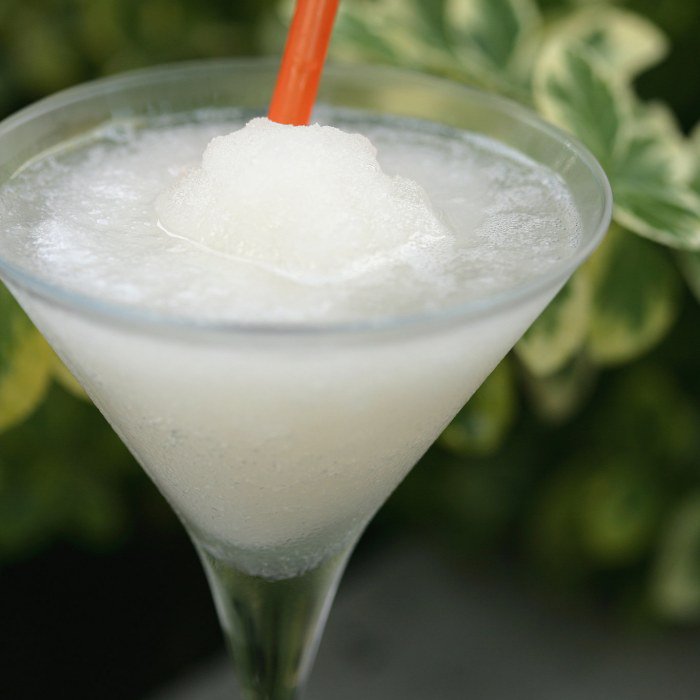
Frozen Daiquiri
El Daiquiri Helado es un cóctel refrescante y delicioso que combina ron, jugo de limón fresco y azúcar, todo mezclado con hielo triturado hasta obtener una textura suave y congelada. Perfecto para disfrutar en un día caluroso, este trago tropical ofrece un equilibrio perfecto entre acidez y dulzura. Su presentación vibrante y su sabor irresistible lo convierten en una opción ideal para cualquier ocasión festiva.
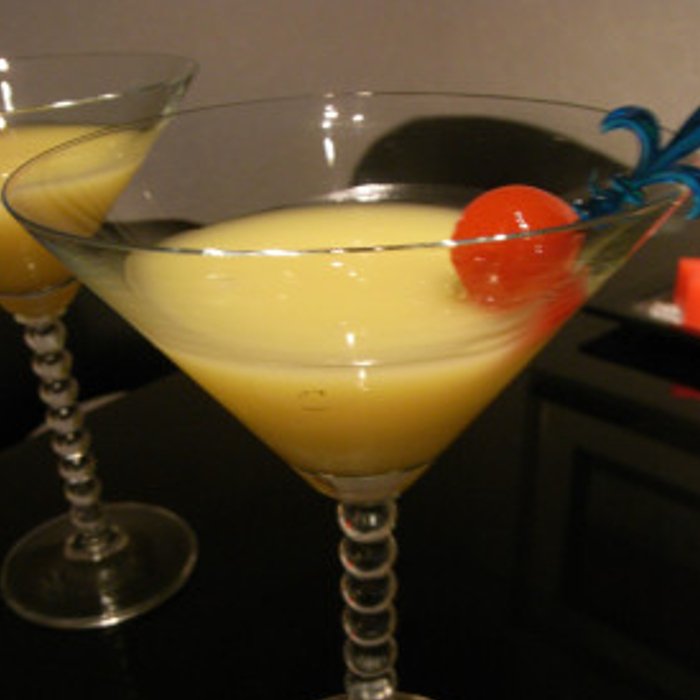
Casa Blanca
El Casa Blanca es un cóctel refrescante y elegante que combina la suavidad del ron blanco con el sabor cítrico del jugo de limón y un toque de licor de naranja. Servido en una copa de cóctel, este trago es perfecto para disfrutar en una tarde soleada. Su equilibrio de sabores lo convierte en una opción ideal para los amantes de las bebidas sofisticadas.
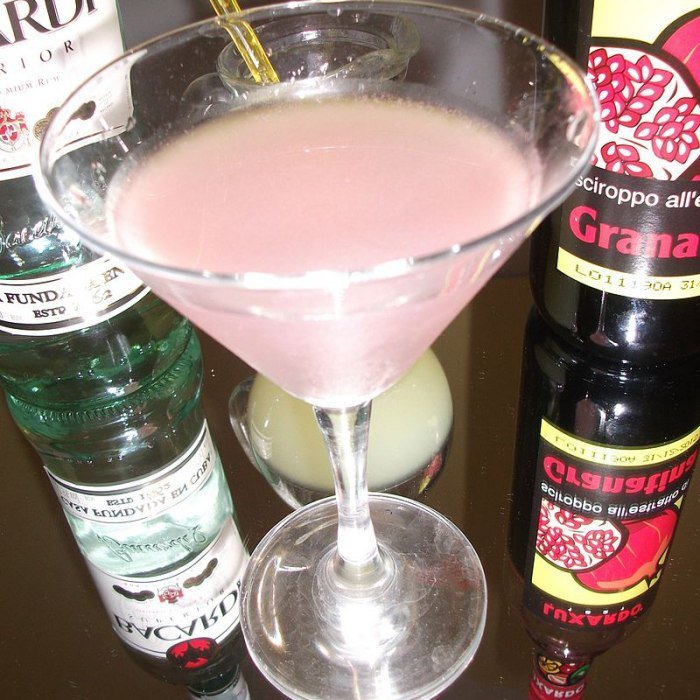
Bacardi Cocktail
El Bacardi Cocktail es una bebida refrescante y vibrante que combina ron Bacardi, jugo de limón y jarabe de granadina. Su color rojo brillante y su sabor equilibrado lo convierten en una opción perfecta para disfrutar en cualquier ocasión. Este cóctel clásico evoca el espíritu caribeño y es ideal para los amantes de los sabores tropicales.
Advertisement