Cocktail
Manhattan
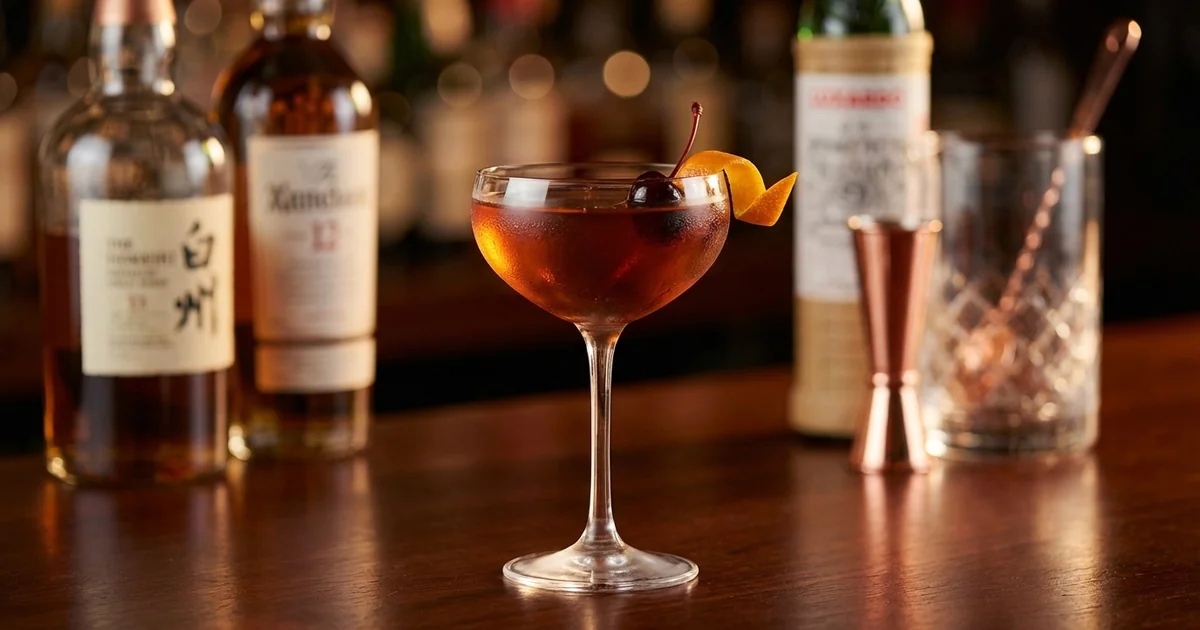
El Manhattan es un cóctel clásico que combina whisky de centeno, vermut dulce y un toque de angostura, creando una mezcla equilibrada y sofisticada. Servido en una copa de cóctel, se adorna típicamente con una cereza marrasquino, lo que le añade un toque de elegancia. Su sabor robusto y aromático lo convierte en una elección popular entre los amantes de los cócteles.
- dulce
- amargo
- especiado
- afrutado

- Prep Time
- 4 min
- Glass
- Cocktail glass
- Difficulty
- Easy
- ABV
- 30%
- Yields
- 1 serving
Pocos cócteles ofrecen ese sabor dulce and amargo como el Manhattan. Con bourbon como base, está listo en unos 4 minutos. Una de las recetas más buscadas: "cena elegante".
Key Takeaways
What you’ll learn
- The Manhattan was created in 1870s New York and remains one of the world's most sophisticated cocktails.
- The classic recipe uses 2 oz whiskey, 1 oz sweet vermouth, and 2 dashes Angostura bitters — always stirred, never shaken.
- Rye whiskey provides spicy complexity while bourbon offers sweeter, smoother notes; both are legitimate and traditional.
- Always stir a Manhattan for 30–40 seconds to achieve proper dilution and the silky texture that defines the drink.
- Quality vermouth stored properly in the refrigerator and used within 3–4 weeks makes an enormous difference in the final cocktail.
Advertisement
Ingredients
- Serves
- 1 serving
- Glass
- Cocktail glass
- Prep
- 4 min
- 3/4 ozSweet Vermouth
- 2 1/2 oz BlendedBourbon
- dashAngostura bitters
- 2 or 3Ice
- 1Maraschino cherry
- 1 twist ofOrange peel
Method
Preparation
- 01
Agitado sobre hielo, colado en un vaso frío, decorado y servido.
Origin
History & Origins
Few cocktails embody sophistication and timeless elegance quite like the Manhattan. Born in the bustling streets of 1870s New York City, this iconic drink has graced the hands of countless cocktail enthusiasts for over 150 years. Legend has it that the Manhattan was first mixed at the Manhattan Club in New York City for a banquet hosted by Lady Randolph Churchill, Winston Churchill's mother. While historians debate the veracity of this origin story, what is undeniable is that the Manhattan emerged during America's Gilded Age as the drink of choice for the sophisticated urbanite.
The Manhattan's rise coincided with the golden age of American whiskey. Before Prohibition, rye whiskey dominated the American market, and the original Manhattan was built on rye's spicy, peppery backbone. When Prohibition took hold in 1920, the whiskey industry was devastated, and upon its repeal many distilleries had either vanished or shifted production. By the mid-20th century, bourbon had risen to prominence and many bars began defaulting to bourbon-based Manhattans, creating the sweeter, softer style that many drinkers know today.
Sweet vermouth — the Manhattan's other defining ingredient — is an often-overlooked component with its own rich history. This fortified wine, infused with herbs and spices, adds depth and complexity that lifts the drink far above a simple whiskey pour. Premium producers like Carpano Antica Formula, whose recipe dates to 18th-century Turin, and Cocchi Vermouth di Torino have driven a vermouth renaissance that has elevated Manhattan quality across the world's best bars.
Premium producers like Carpano Antica Formula, whose recipe dates to 18th-century Turin, and Cocchi Vermouth di Torino have driven a vermouth renaissance that has elevated Manhattan quality across the world's best bars.
Today, the Manhattan is a benchmark by which bartenders are often judged, a staple on craft cocktail menus worldwide, and a drink whose three-ingredient simplicity conceals a depth that reveals itself differently depending on the whiskey and vermouth chosen. Its enduring appeal lies in that beautiful tension between familiar and revelatory.
Advertisement
Bartender’s Insight
Pro Tips
Usa whisky rye o bourbon de buena calidad
From James
Los bitters angostura frescos son esenciales
Revuelve con hielo, no agites
Cuela en una copa preenfriada
At the Table
Perfect Pairings
Beyond the Classic
Variations
Manhattan Seco
Usa vermut seco en lugar de dulce para menos azúcar
Manhattan Perfecto
Combina tanto vermut seco como dulce para complejidad
Manhattan de Coñac
Sustituye el coñac por whisky, creando profundidad
Watch
See it in action
Questions
Frequently Asked
- The Manhattan has a flavor profile that is dulce, amargo, especiado, afrutado. It is crafted to balance these characteristics into a harmonious, satisfying drink that appeals to a wide range of palates.
- The Manhattan is ideal for celebraciones especiales, cenas elegantes, reuniones de amigos. Its flavor profile and presentation make it a versatile choice that works equally well as a social cocktail or a relaxed evening drink.
- Yes, there are several ways to adapt a Manhattan. If you cannot source Sweet Vermouth, look for a similar alternative that matches its flavor profile. Keep in mind that substitutions may alter the balance of the cocktail, so start with a smaller quantity and adjust to taste. The variations section above lists popular alternatives bartenders use.
- Some of the most popular Manhattan variations include Manhattan Seco, Manhattan Perfecto, Manhattan de Coñac. Each variation puts a unique twist on the original recipe while retaining the essential character of the classic cocktail.
- The Manhattan is traditionally served in a Cocktail glass. Using the right glassware is important because it affects the aroma, temperature retention, and overall drinking experience. If you do not have a Cocktail glass on hand, a similar shaped glass will work.
- Yes, a mocktail version of the Manhattan is possible. Replace the base spirit with a non-alcoholic spirit alternative (there are many quality options available) and keep all other components the same. The result will capture much of the original's flavor profile while being suitable for guests who prefer alcohol-free options.
Other Bourbon Cocktails
Allegheny
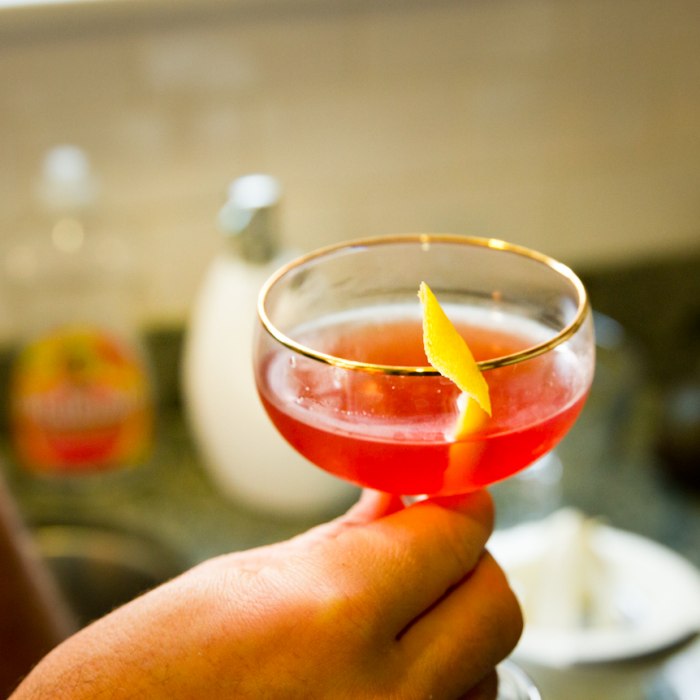
El cóctel Allegheny es una mezcla sofisticada que combina bourbon, vermut dulce y un toque de amargo de Angostura, creando un equilibrio perfecto entre dulzura y amargor. Su presentación elegante y su sabor profundo evocan la esencia de la región de los Apalaches, ideal para disfrutar en una noche especial.
Kentucky B And B
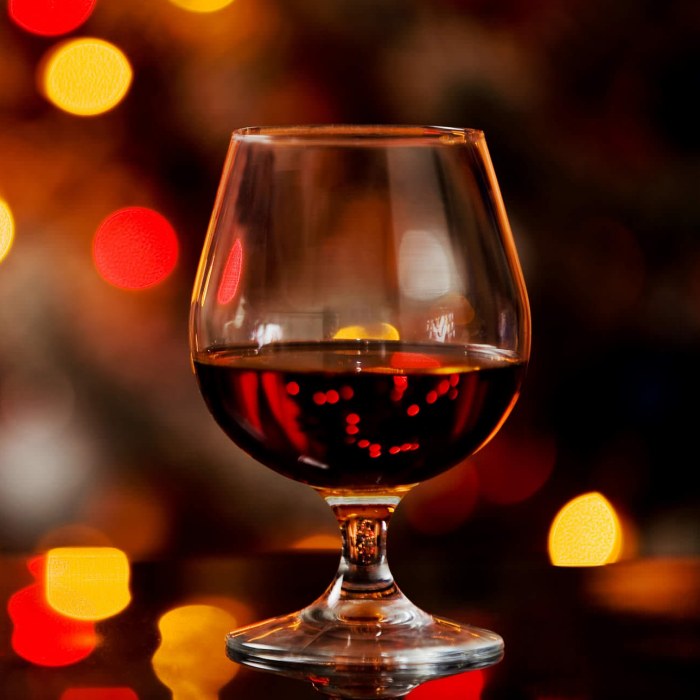
El Kentucky B And B es un cóctel sofisticado que combina la riqueza del bourbon con la suavidad del brandy. Su mezcla equilibrada se realza con un toque de amargo, creando una experiencia de sabor única y reconfortante. Ideal para disfrutar en una velada elegante o como un capricho después de un largo día.
Raspberry Julep
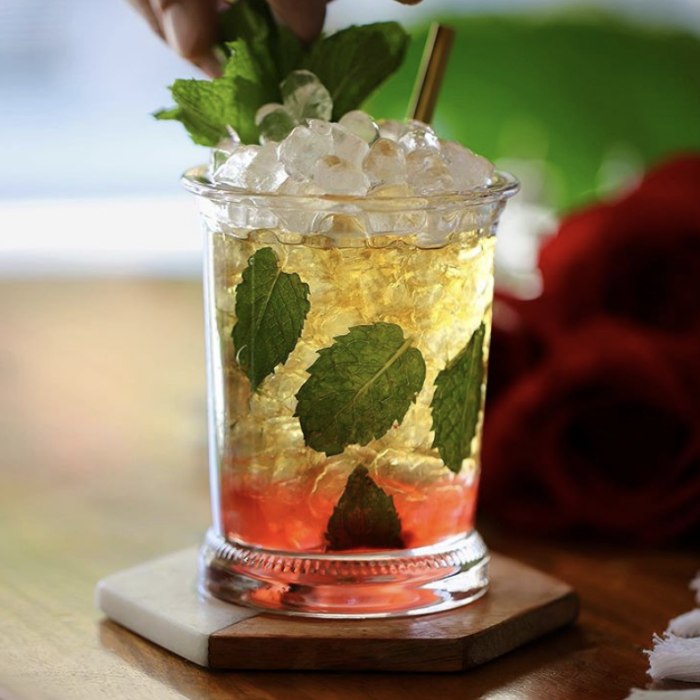
El Raspberry Julep es un refrescante cóctel que combina la dulzura de las frambuesas frescas con la suavidad del bourbon y el sabor aromático de la menta. Servido sobre hielo picado, este trago es perfecto para disfrutar en un día caluroso, ofreciendo un equilibrio delicioso entre lo afrutado y lo herbáceo. Ideal para aquellos que buscan una variante vibrante del clásico julepe de menta.
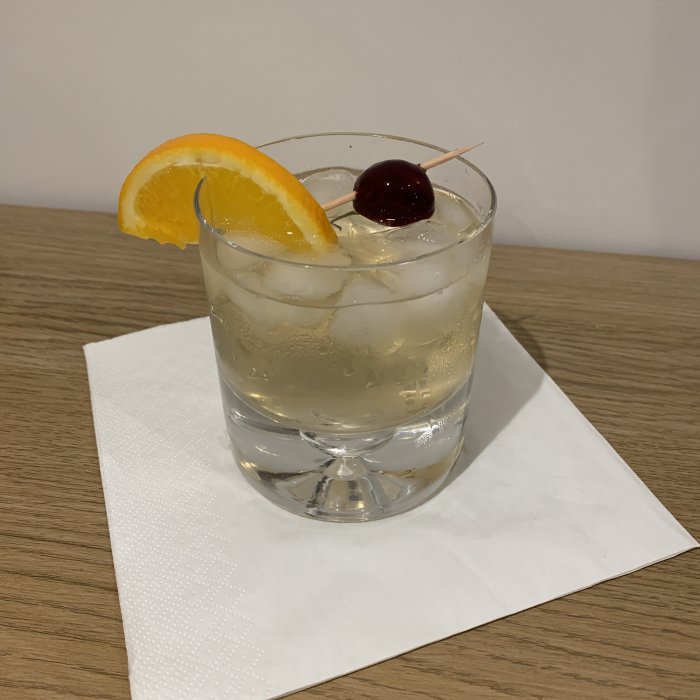
Classic Old-Fashioned
El Classic Old-Fashioned es un cóctel atemporal que combina whisky, azúcar, amargo y un toque de naranja. Servido en un vaso bajo, se mezcla con hielo y se adorna con una cáscara de naranja, ofreciendo un sabor robusto y equilibrado. Ideal para los amantes de los cócteles clásicos, evoca la elegancia de épocas pasadas.
Other celebraciones especiales Cocktails
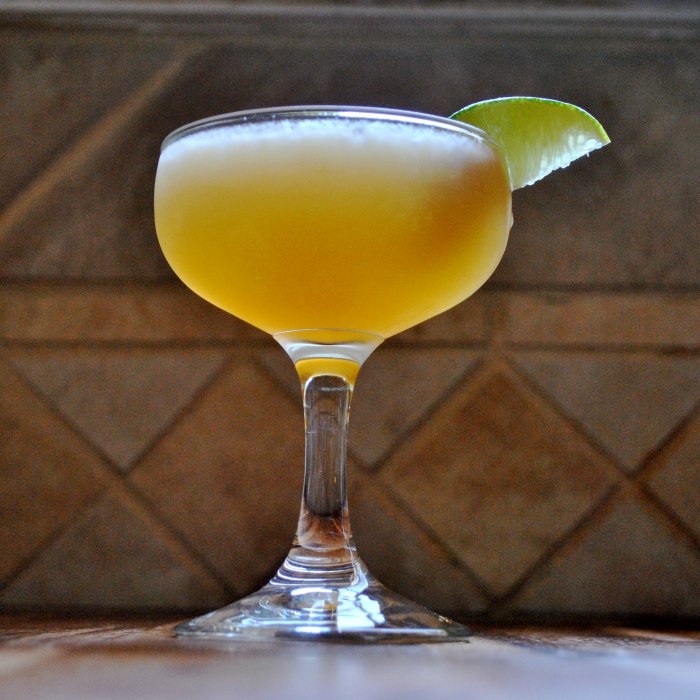
After Dinner Cocktail
El "After Dinner Cocktail" es una bebida sofisticada y reconfortante, ideal para disfrutar al finalizar una comida. Combinando sabores como el café, el licor y un toque de crema, este cóctel ofrece una experiencia placentera que invita a la conversación y el relax. Perfecto para los amantes de los sabores intensos y dulces.
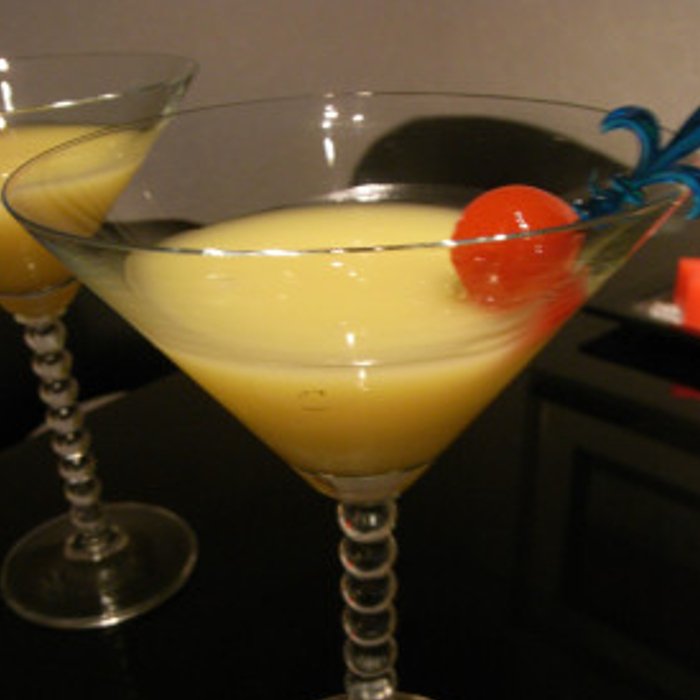
Casa Blanca
El Casa Blanca es un cóctel refrescante y elegante que combina la suavidad del ron blanco con el sabor cítrico del jugo de limón y un toque de licor de naranja. Servido en una copa de cóctel, este trago es perfecto para disfrutar en una tarde soleada. Su equilibrio de sabores lo convierte en una opción ideal para los amantes de las bebidas sofisticadas.
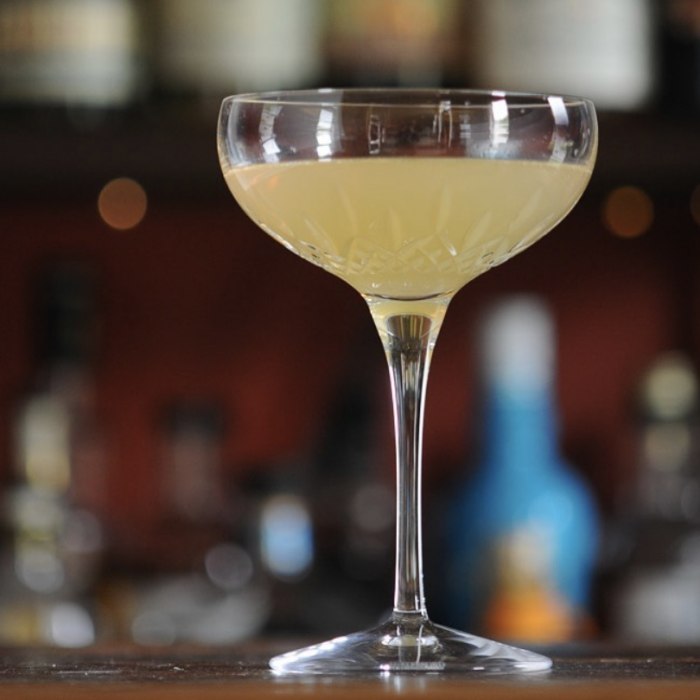
Death in the Afternoon
"Death in the Afternoon" es un cóctel elegante y refrescante que combina champán con absenta, creando una experiencia única y sofisticada. Este trago, popularizado por el famoso escritor Ernest Hemingway, ofrece un equilibrio perfecto entre la efervescencia del champán y el sabor intenso y herbal de la absenta. Ideal para brindar en ocasiones especiales, su nombre intrigante evoca un aire de misterio y aventura.
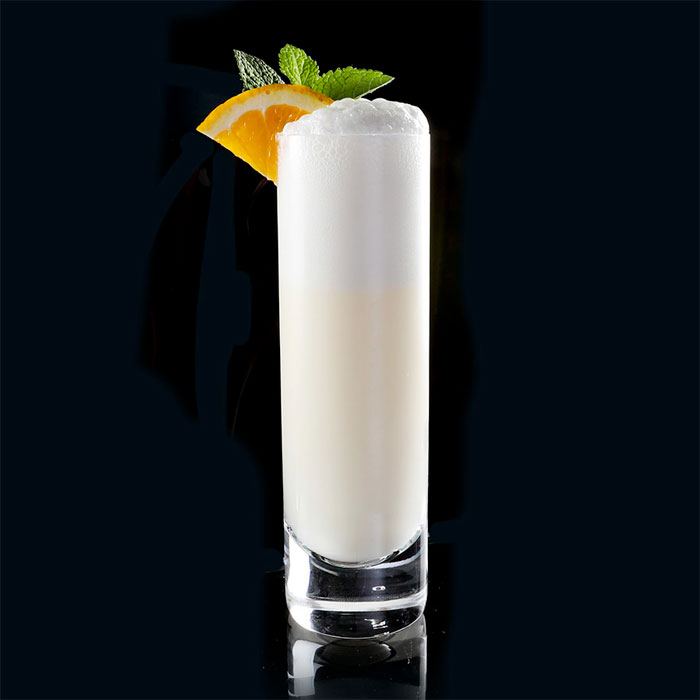
Ramos Gin Fizz
El Ramos Gin Fizz es un cóctel clásico de Nueva Orleans que combina ginebra, jugo de limón, jugo de lima, azúcar, crema y agua de flor de naranja. Su textura suave y espumosa se logra al agitar enérgicamente la mezcla, lo que resulta en una bebida refrescante y deliciosa, ideal para cualquier ocasión. Su distintivo sabor cítrico y su cremosidad lo convierten en un favorito atemporal.
Similar Flavor Profiles
After Dinner Cocktail
El "After Dinner Cocktail" es una bebida sofisticada y reconfortante, ideal para disfrutar al finalizar una comida. Combinando sabores como el café, el licor y un toque de crema, este cóctel ofrece una experiencia placentera que invita a la conversación y el relax. Perfecto para los amantes de los sabores intensos y dulces.
Classic Old-Fashioned
El Classic Old-Fashioned es un cóctel atemporal que combina whisky, azúcar, amargo y un toque de naranja. Servido en un vaso bajo, se mezcla con hielo y se adorna con una cáscara de naranja, ofreciendo un sabor robusto y equilibrado. Ideal para los amantes de los cócteles clásicos, evoca la elegancia de épocas pasadas.
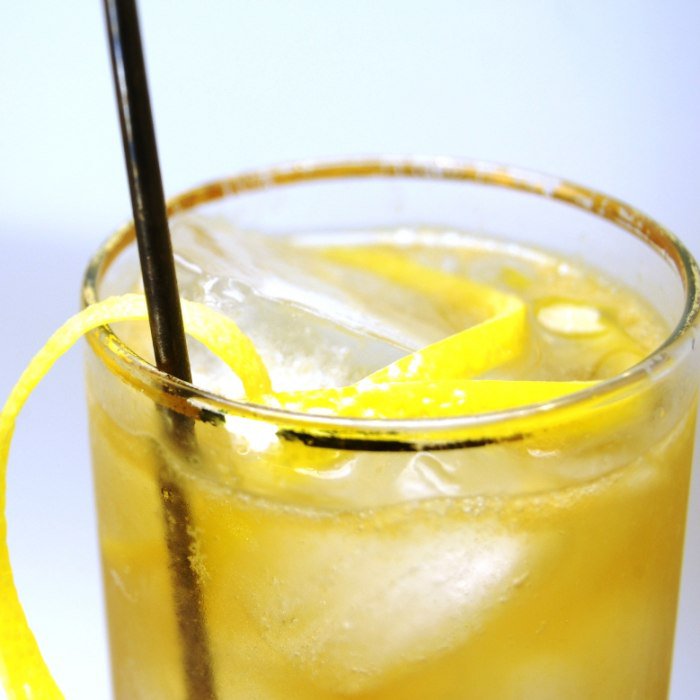
Bourbon Sling
El Bourbon Sling es un cóctel clásico que combina la riqueza del bourbon con la frescura de los sabores frutales. Esta deliciosa mezcla incluye jarabe de granadina, jugo de limón y un toque de soda, creando una bebida equilibrada y refrescante ideal para cualquier ocasión. Disfrútalo en un vaso alto con hielo y una rodaja de limón como decoración.
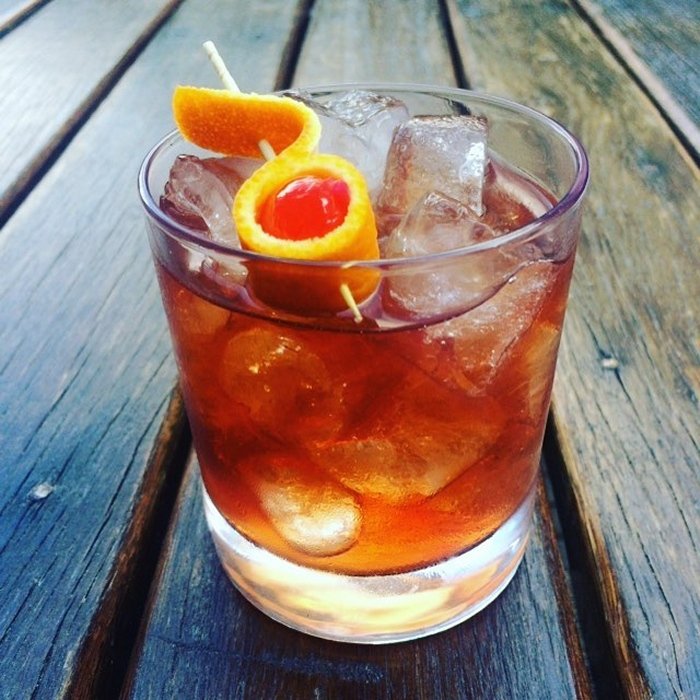
Old Fashioned
El Old Fashioned es un cóctel clásico que combina whisky, azúcar, amargo y un toque de agua, servido con un hielo grande y adornado con una cáscara de naranja o una cereza. Su sabor robusto y equilibrado lo convierte en una elección atemporal para los amantes de los cocktails. Ideal para disfrutar en una velada elegante o en una reunión con amigos.
Advertisement