Cocktail
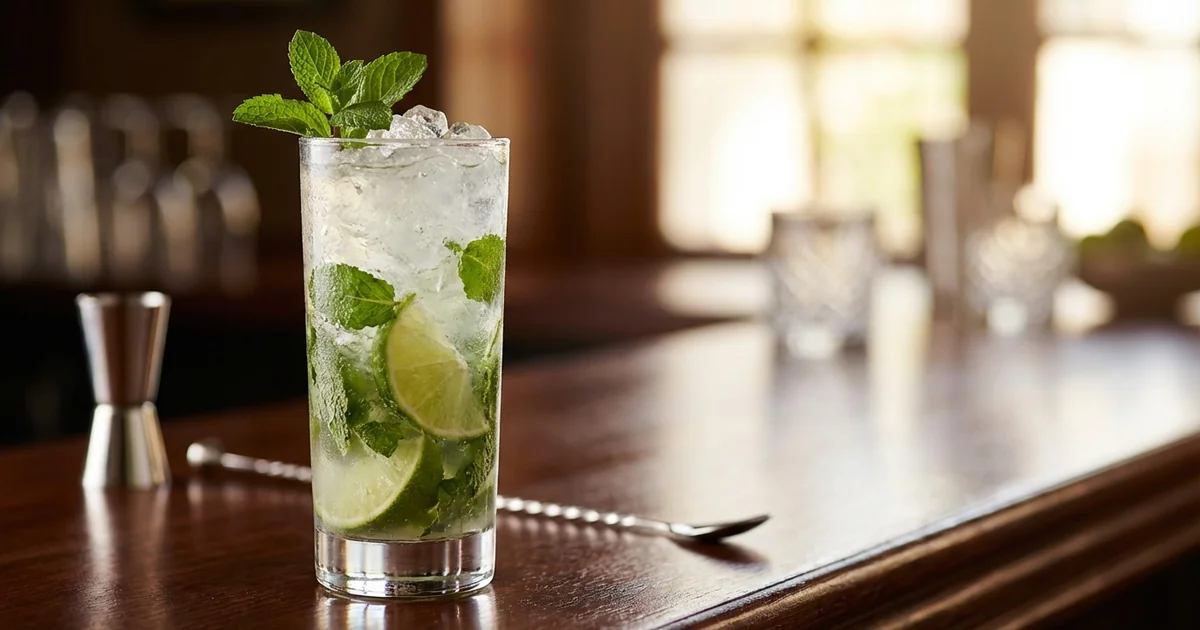
Mojito
El Mojito es un cóctel refrescante originario de Cuba, que combina ron blanco, azúcar, jugo de limón, agua con gas y hojas de menta fresca. Su sabor cítrico y herbal lo convierte en una bebida ideal para disfrutar en climas cálidos. Perfecto para aquellos que buscan una mezcla equilibrada de dulzura y frescura.
- fresco
- cítrico
- menta
- dulce
- Prep Time
- 3 min
- Glass
- Highball glass
- Difficulty
- Easy
- ABV
- 11%
- Yields
- 1 serving
El Mojito es un cocktail con rum como protagonista, listo en 3 minutos. El resultado es un sabor fresco and cítrico que merece cada minuto. Constantemente entre las búsquedas más populares de "verano".
Key Takeaways
What you’ll learn
- Gently muddle mint leaves — only 3–4 presses — to release aromatic oils without breaking cell walls and releasing bitter chlorophyll.
- Use white rum, fresh lime juice, and real cane sugar or simple syrup for authentic Cuban flavor.
- Build directly in the glass for proper dilution and layered presentation; add soda water last and stir only once.
- Quality ingredients make the difference — fresh lime juice and fresh mint are non-negotiable for a proper mojito.
- Master the classic before experimenting with fruity variations like strawberry, pineapple, or coconut.
Advertisement
Ingredients
- Serves
- 1 serving
- Glass
- Highball glass
- Prep
- 3 min
- 2-3 ozLight rum
- Juice of 1Lime
- 2 tspSugar
- 2-4Mint
- Soda water
Method
Preparation
- 01
Machaque las hojas de menta con azúcar y jugo de lima. Agregue un chorrito de agua con gas y llene el vaso con hielo triturado. Vierta el ron y complete con agua con gas. Decore y sirva con una pajilla.
Origin
History & Origins
The mojito is more than just a cocktail — it is a liquid postcard from 1950s Havana. This Cuban classic, beloved by Ernest Hemingway and beachgoers worldwide, perfectly balances fresh mint, tangy lime, and smooth white rum with just the right amount of fizz. Its roots stretch back centuries into Cuban drinking culture, with some historians tracing a proto-mojito to a medicinal drink called "El Draque," named after English privateer Sir Francis Drake, who reportedly mixed aguardiente with mint, lime, and sugar during his 16th-century Caribbean voyages.
The modern mojito as we know it crystallized in 1930s Havana, where it became the signature drink of La Bodeguita del Medio, a small bar on a narrow Havana street that opened in 1942. Ernest Hemingway, who lived in Cuba for much of the 1940s and 1950s, became the mojito's most famous ambassador. According to bar legend, he scrawled on the wall of La Bodeguita: "My mojito in La Bodeguita, my daiquiri in El Floridita" — though historians debate whether he wrote those exact words. What is certain is that Hemingway preferred his mojitos with minimal sugar and extra rum, a variation that some call the "Papa Doble" approach.
According to bar legend, he scrawled on the wall of La Bodeguita: "My mojito in La Bodeguita, my daiquiri in El Floridita" — though historians debate whether he wrote those exact words.
For much of the 20th century, the mojito remained largely a Cuban and Caribbean drink. Its global spread accelerated dramatically in the 1990s and 2000s, helped in part by tourism to Cuba and the growing craft cocktail movement that valued fresh ingredients and classic technique. Today it ranks among the world's most ordered cocktails, a testament to how a handful of simple ingredients — white rum, lime, mint, sugar, and soda — can create something universally refreshing and endlessly satisfying.
Advertisement
Bartender’s Insight
Pro Tips
Macera suavemente la menta para liberar los aceites sin magullar las hojas
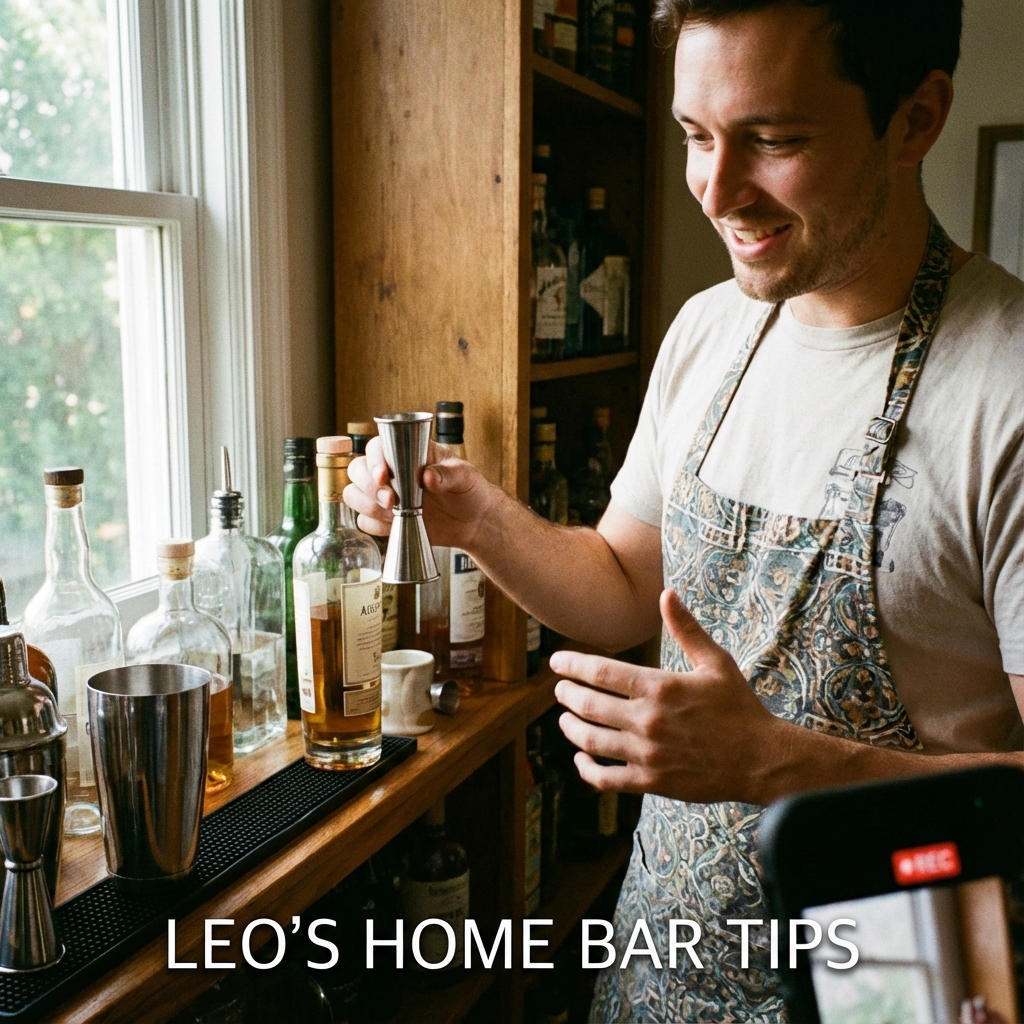
From Leo
Usa ron blanco para mejor sabor
Jugo de lima fresco esencial
Cubre con soda, nunca sirvas solo agitado
At the Table
Perfect Pairings
Beyond the Classic
Variations
Virgin Mojito
Versión sin alcohol perfecta para todas las edades
Strawberry Mojito
Agrega fresas frescas para notas frutales
Pineapple Mojito
Incorpora jugo de piña para dulzura tropical
Watch
See it in action
Questions
Frequently Asked
- The Mojito has a flavor profile that is fresco, cítrico, menta, dulce. It is crafted to balance these characteristics into a harmonious, satisfying drink that appeals to a wide range of palates.
- The Mojito is ideal for fiestas de verano, reuniones con amigos, celebraciones en la playa. Its flavor profile and presentation make it a versatile choice that works equally well as a social cocktail or a relaxed evening drink.
- Yes, there are several ways to adapt a Mojito. If you cannot source Light rum, look for a similar alternative that matches its flavor profile. Keep in mind that substitutions may alter the balance of the cocktail, so start with a smaller quantity and adjust to taste. The variations section above lists popular alternatives bartenders use.
- Some of the most popular Mojito variations include Virgin Mojito, Strawberry Mojito, Pineapple Mojito. Each variation puts a unique twist on the original recipe while retaining the essential character of the classic cocktail.
- The Mojito is traditionally served in a Highball glass. Using the right glassware is important because it affects the aroma, temperature retention, and overall drinking experience. If you do not have a Highball glass on hand, a similar shaped glass will work.
- Yes, a mocktail version of the Mojito is possible. Replace the base spirit with a non-alcoholic spirit alternative (there are many quality options available) and keep all other components the same. The result will capture much of the original's flavor profile while being suitable for guests who prefer alcohol-free options.
Other Rum Cocktails
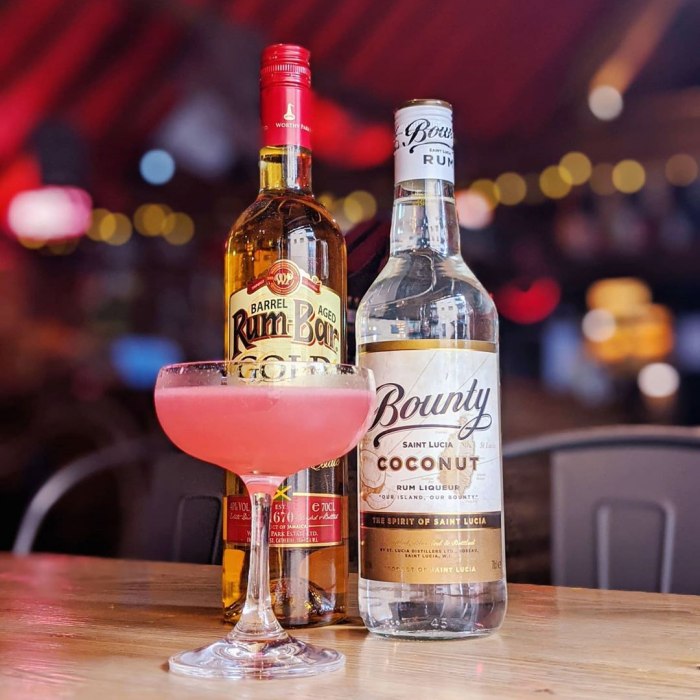
Bounty Hunter
El "Bounty Hunter" es un cóctel exótico que combina ron oscuro, jugo de piña y un toque de jarabe de coco, evocando sabores tropicales que transportan a una isla paradisíaca. Decorado con una rodaja de piña y una cereza, este trago es perfecto para aquellos que buscan una aventura refrescante en cada sorbo. Ideal para disfrutar en una tarde soleada o en una fiesta temática.
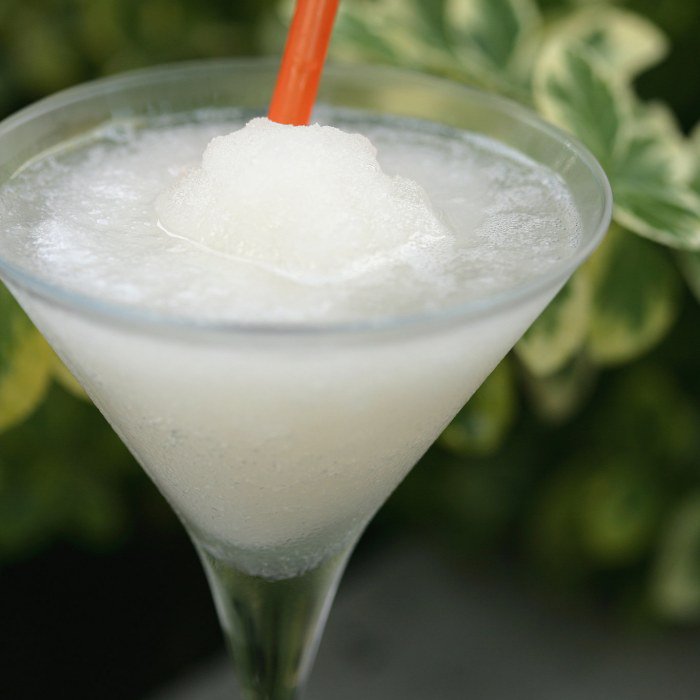
Frozen Daiquiri
El Daiquiri Helado es un cóctel refrescante y delicioso que combina ron, jugo de limón fresco y azúcar, todo mezclado con hielo triturado hasta obtener una textura suave y congelada. Perfecto para disfrutar en un día caluroso, este trago tropical ofrece un equilibrio perfecto entre acidez y dulzura. Su presentación vibrante y su sabor irresistible lo convierten en una opción ideal para cualquier ocasión festiva.
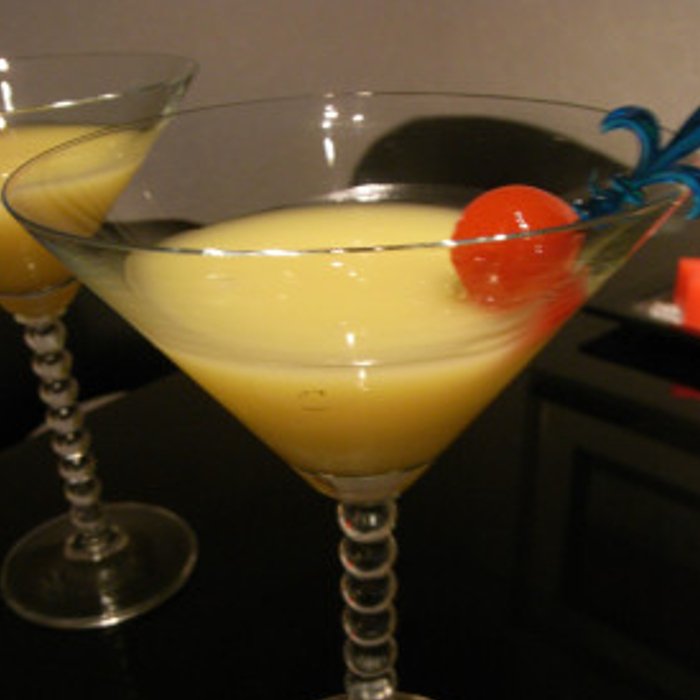
Casa Blanca
El Casa Blanca es un cóctel refrescante y elegante que combina la suavidad del ron blanco con el sabor cítrico del jugo de limón y un toque de licor de naranja. Servido en una copa de cóctel, este trago es perfecto para disfrutar en una tarde soleada. Su equilibrio de sabores lo convierte en una opción ideal para los amantes de las bebidas sofisticadas.
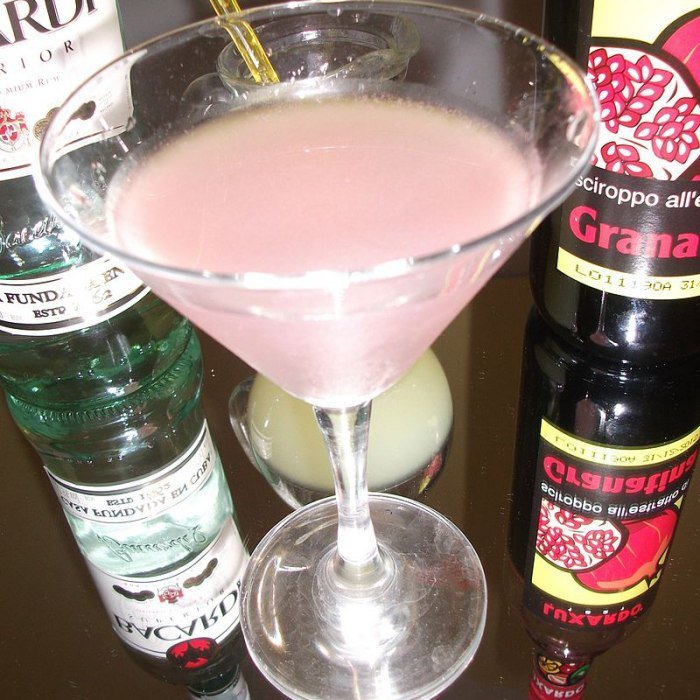
Bacardi Cocktail
El Bacardi Cocktail es una bebida refrescante y vibrante que combina ron Bacardi, jugo de limón y jarabe de granadina. Su color rojo brillante y su sabor equilibrado lo convierten en una opción perfecta para disfrutar en cualquier ocasión. Este cóctel clásico evoca el espíritu caribeño y es ideal para los amantes de los sabores tropicales.
Other fiestas de verano Cocktails
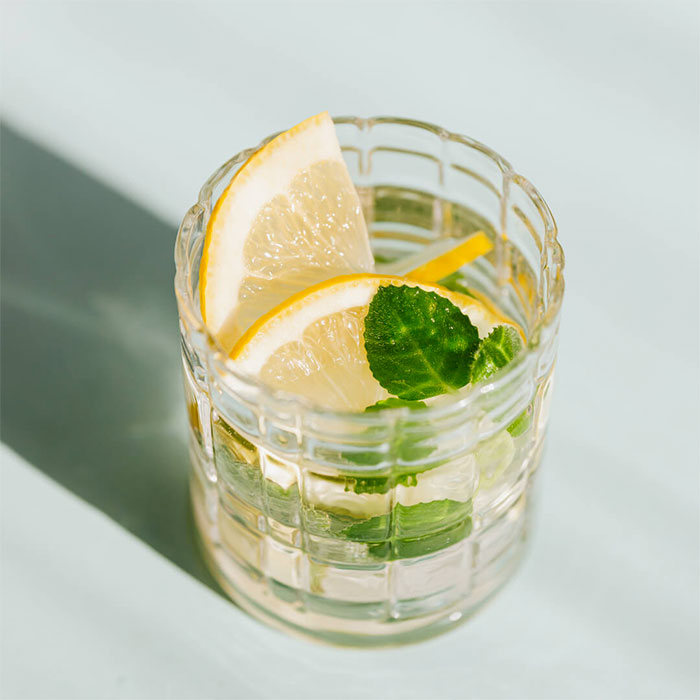
Vodka Tonic
El Vodka Tonic es un cóctel refrescante y sencillo que combina vodka de alta calidad con agua tónica, creando una bebida equilibrada y burbujeante. Se sirve generalmente en un vaso alto, adornado con una rodaja de limón o lima, lo que realza su sabor y aroma. Ideal para cualquier ocasión, es una opción popular entre los amantes de los cócteles.
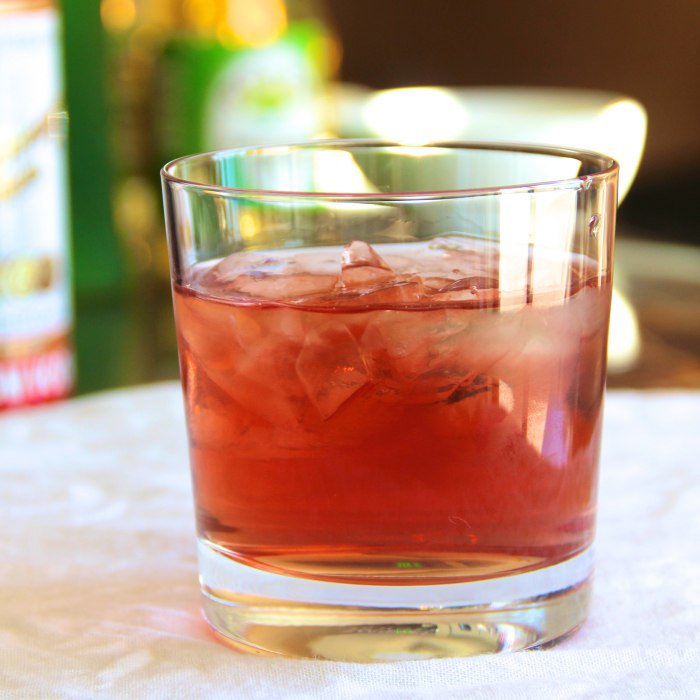
Kool-Aid Shot
El 'Kool-Aid Shot' es un cóctel vibrante y divertido que combina el sabor afrutado de Kool-Aid con un toque de licor, creando una explosión de color y sabor en cada sorbo. Perfecto para fiestas y reuniones, este trago es fácil de preparar y seguro que alegrará el ambiente. ¡Disfrútalo frío y comparte la diversión!
Blackthorn
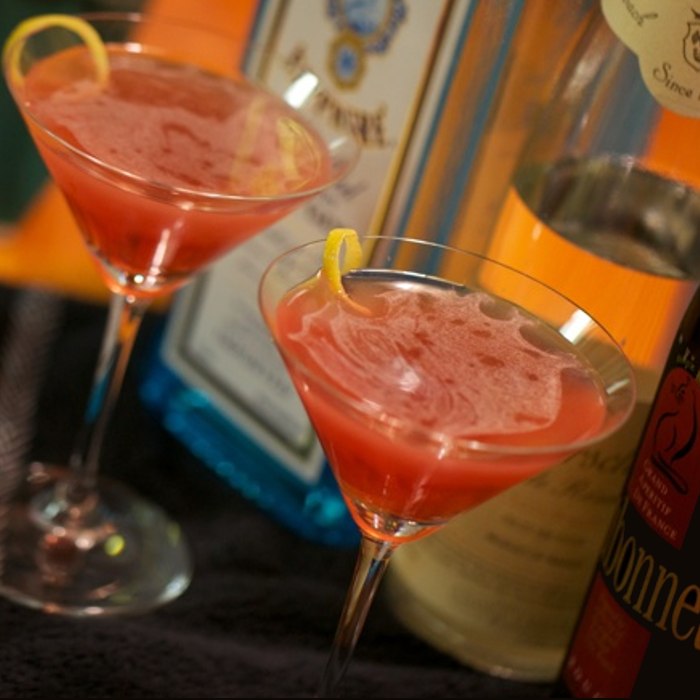
El Blackthorn es un cóctel clásico que combina la suavidad del gin con el sabor profundo del vermut dulce y un toque de amargo de angostura. Su color oscuro y seductor, junto con su perfil de sabor equilibrado, lo convierten en una opción perfecta para quienes buscan una bebida elegante y sofisticada. Ideal para disfrutar en una noche especial o como aperitivo antes de una cena.
Bounty Hunter
El "Bounty Hunter" es un cóctel exótico que combina ron oscuro, jugo de piña y un toque de jarabe de coco, evocando sabores tropicales que transportan a una isla paradisíaca. Decorado con una rodaja de piña y una cereza, este trago es perfecto para aquellos que buscan una aventura refrescante en cada sorbo. Ideal para disfrutar en una tarde soleada o en una fiesta temática.
Similar Flavor Profiles
Green Goblin
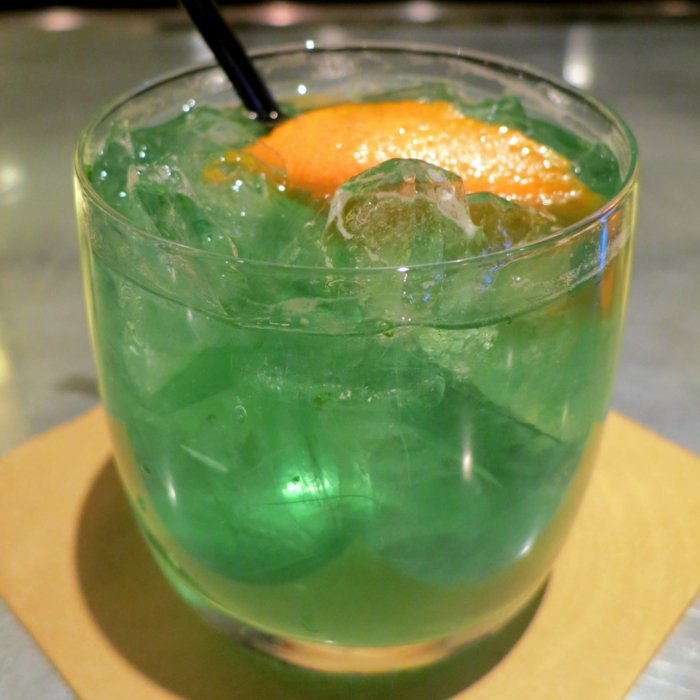
El "Green Goblin" es un cóctel vibrante y refrescante que combina sabores cítricos con un toque de hierbas. Su color verde brillante proviene de ingredientes como el licor de menta y el jugo de limón, creando una experiencia única y deliciosa. Ideal para quienes buscan un trago audaz y lleno de energía.
Absolut Evergreen
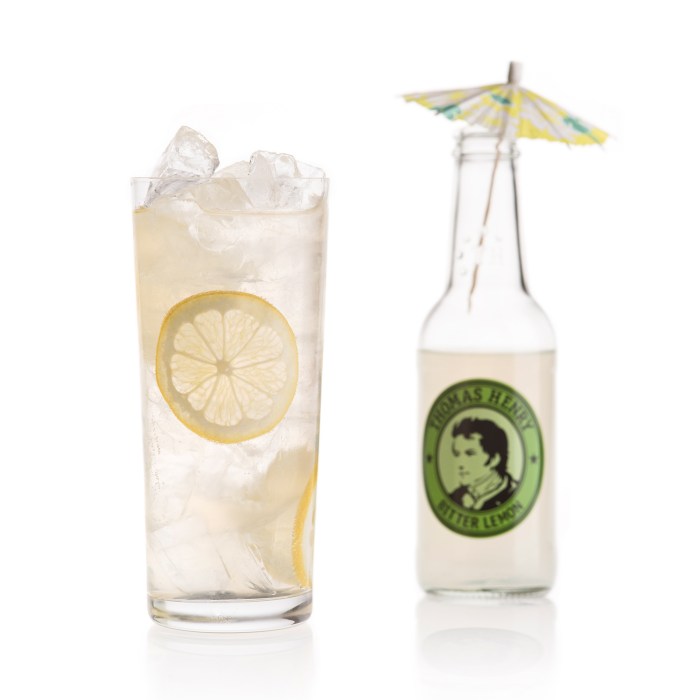
El 'Absolut Evergreen' es un cóctel refrescante que combina la suavidad del vodka Absolut con sabores herbales y cítricos. Su mezcla de ingredientes frescos y un toque de menta lo convierten en la bebida perfecta para disfrutar en cualquier ocasión. Ideal para quienes buscan una experiencia vibrante y revitalizante.
Winter Rita
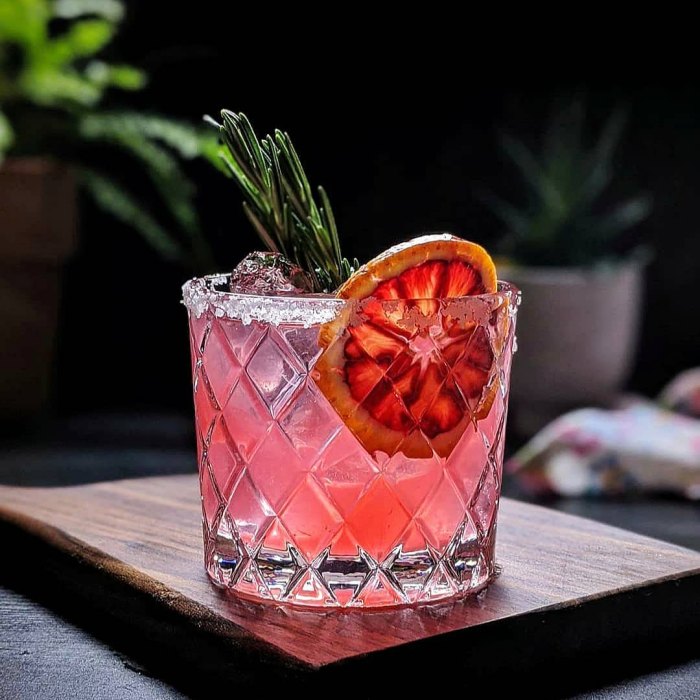
El Winter Rita es un cóctel festivo que combina el sabor refrescante del tequila con el toque cálido de los cítricos y un toque de canela. Servido en un vaso escarchado con sal y especias, es la bebida perfecta para disfrutar en las frías noches de invierno. Su equilibrio entre lo dulce y lo ácido lo convierte en una opción irresistible para las celebraciones.
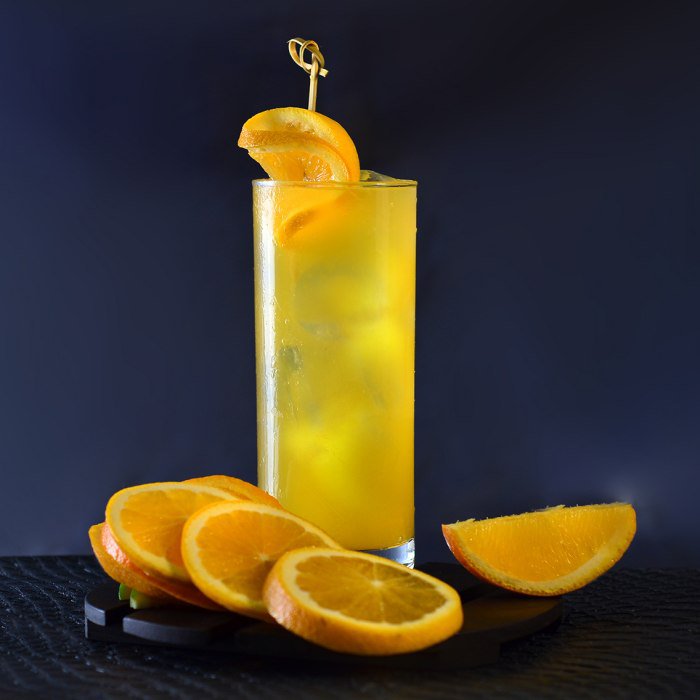
Screwdriver
El Screwdriver es un cóctel refrescante y sencillo que combina vodka con jugo de naranja fresco. Su sabor cítrico y vibrante lo convierte en una opción popular para cualquier ocasión, desde un brunch hasta una noche de fiesta. Ideal para quienes buscan una bebida fácil de preparar y deliciosa.
Advertisement