Irish Coffee Recipe - Perfect Cream Float

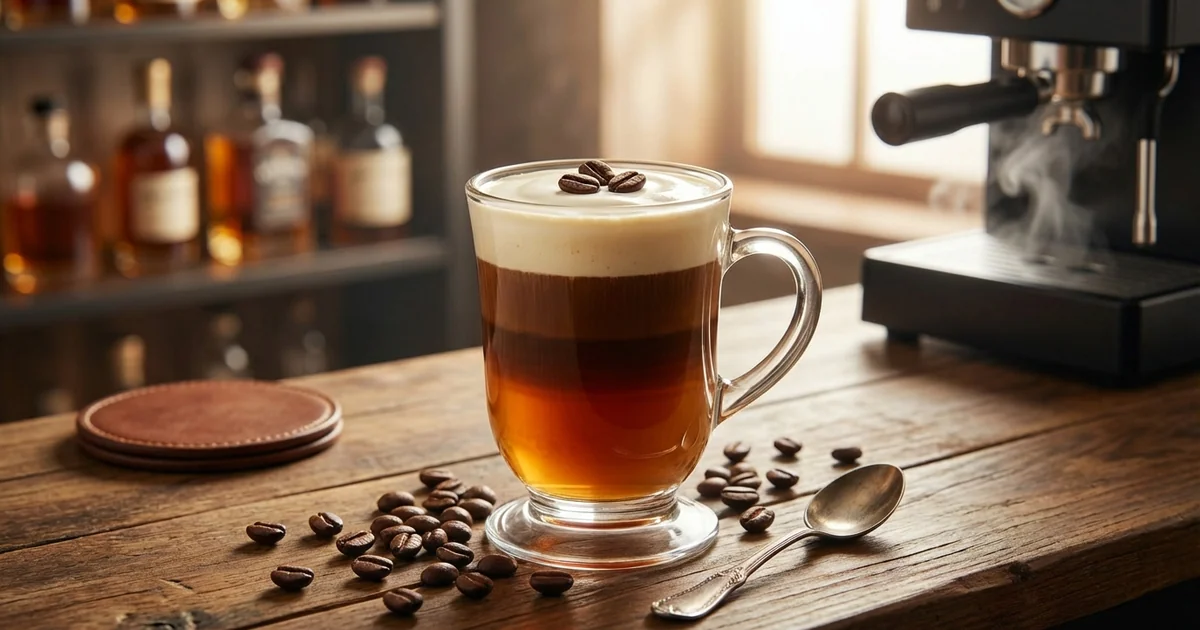
Learn how to make authentic Irish coffee recipe with our step-by-step guide. Master the cream float technique, choose the best Irish whiskey, and impress every time.
Advertisement
Irish Coffee Recipe: The Classic Warming Winter Cocktail
The Irish coffee recipe stands as one of the most beloved warming cocktails in the world, combining the rich comfort of hot coffee with the smooth warmth of Irish whiskey and the luxurious finish of floating cream. This isn't just a spiked coffee – it's a carefully crafted cocktail with a fascinating history and a technique that separates the sublime from the mediocre. If you're learning how to make Irish coffee, you're about to discover why this drink has warmed hearts for over 80 years.
Key Takeaways
- Irish Coffee was created by chef Joe Sheridan in 1943 at Shannon Airport to warm cold passengers
- The signature cream float requires lightly whipped cream poured over a spoon for perfect layering
- Traditional Irish whiskey brands like Jameson, Tullamore Dew, or Powers work best
- Proper Irish coffee glasses with handles are essential for serving the hot drink safely
The Shannon Airport Legend: A True Irish Tale
The story of the Irish Coffee begins on a cold, miserable night in 1943 at Foynes Airbase (later Shannon Airport) in County Limerick, Ireland. Chef Joe Sheridan was working at the restaurant when a Pan Am flying boat bound for New York was forced to turn back due to terrible weather conditions. The passengers, cold and exhausted after their ordeal, trudged back into the terminal seeking warmth and comfort.
Sheridan, moved by their plight, decided to add Irish whiskey to their coffee to warm them from the inside out. When one surprised American passenger asked, "Hey, is this Brazilian coffee?" Sheridan famously replied, "No, that's Irish coffee."
The drink remained a local specialty until 1952, when travel writer Stanton Delaplane discovered it and brought the recipe to the Buena Vista Cafe in San Francisco. After extensive experimentation to perfect the cream float technique, the Buena Vista helped launch the Irish coffee recipe into international fame. Today, the cafe still serves over 2,000 Irish Coffees daily, using Sheridan's original recipe.
The Classic Irish Coffee Recipe
This is the authentic Irish coffee recipe as created by Joe Sheridan, refined over decades of preparation. The beauty lies in its simplicity – just four ingredients, but executed with precision.
Ingredients
- 1.5 oz (45ml) Irish whiskey (Jameson, Tullamore Dew, or Powers)
- 6 oz (180ml) hot, freshly brewed coffee
- 2 teaspoons brown sugar (demerara or turbinado)
- 1 oz (30ml) heavy cream (lightly whipped)
Instructions
-
Warm the glass: Preheat your Irish coffee glass with hot water to prevent thermal shock and keep your drink hot longer. Swirl it around, then discard the water.
-
Add sugar and whiskey: Place 2 teaspoons of brown sugar in the warmed glass. Add 1.5 oz of Irish whiskey. The warmth will help dissolve the sugar.
-
Pour the coffee: Fill the glass with hot, freshly brewed coffee, leaving about 1 inch of space at the top for the cream layer. Aim for coffee that's hot but not boiling (around 175-180°F or 80-82°C).
-
Stir to dissolve: Stir gently with a bar spoon or regular spoon until the brown sugar is completely dissolved. This is crucial – undissolved sugar will sink and make the drink overly sweet at the bottom.
-
Float the cream: This is where the magic happens. Lightly whip your heavy cream until it just begins to thicken but remains pourable (it should have the consistency of thick paint). Pour the cream slowly over the back of a bar spoon held just above the coffee surface. The cream should float on top, creating a distinct layer.
-
Don't stir: Serve immediately. The proper way to drink Irish Coffee is to sip it through the cool cream layer, allowing the hot whiskey-spiked coffee to warm your palate while the cream provides a luxurious contrast.
The Cream Float Technique: Mastering the Signature Layer
The floating cream layer is what separates an authentic Irish Coffee from whiskey in coffee with cream stirred in. Here's how to achieve that perfect float every time.
Cream Preparation
Start with heavy cream (also called heavy whipping cream) straight from the refrigerator. It must be cold for this technique to work. You want to whip it just slightly – about 10-15 seconds with a whisk or 5 seconds with an electric mixer. The cream should thicken just enough that when you lift your whisk, it falls in a slow, thick ribbon. It should still be very pourable, not stiff peaks.
The consistency test: When you tilt your container, the cream should flow slowly but steadily. If it holds its shape completely, you've over-whipped it and the cream will sit on top like foam rather than creating that beautiful gradual layer.
Pouring Technique
Hold a bar spoon upside down (bowl side up) just above the surface of the coffee, touching the edge of the glass. Pour your lightly whipped cream slowly onto the back of the spoon. The spoon disperses the cream gently, allowing it to spread across the surface without breaking through the coffee layer.
Pro tip: Some bartenders lightly score the underside of the spoon with a knife to create tiny grooves that help distribute the cream even more evenly.
Why It Works: The Science
The cream float works because of density differences. Hot coffee is less dense than cold cream. Additionally, the lightly whipped cream has incorporated tiny air bubbles that make it even less dense, allowing it to float. The alcohol in the coffee also slightly reduces the coffee's density. If your cream sinks, it's usually because: (1) it wasn't whipped enough, (2) it's too warm, or (3) your coffee is too cool.
Selecting the Best Irish Whiskey for Irish Coffee
While the Irish coffee recipe will work with any Irish whiskey, your choice significantly impacts the final flavor. Irish whiskey is typically triple-distilled, making it smoother and lighter than many other whiskeys – perfect for cocktails.
Best Whiskey Choices
Jameson: The most popular choice and widely available. Its smooth, slightly sweet profile with hints of vanilla and toasted wood makes it ideal for Irish Coffee. It won't overpower the coffee but provides enough character to be noticed.
Tullamore Dew: Slightly softer and more approachable than Jameson, with gentle fruit notes and a creamy texture. This is excellent if you prefer a mellower whiskey presence.
Powers Gold Label: A bit more robust with spicy notes and a fuller body. This works beautifully if you're using a bold, dark roast coffee and want the whiskey to stand up to it.
Bushmills: Ireland's oldest distillery produces a light, floral whiskey that some prefer for its delicate character. It's particularly good if you're using premium, single-origin coffee.
What to Avoid
Skip the expensive single-pot still or aged Irish whiskeys for this cocktail. The heat and coffee will mask their subtle complexities. Save those for sipping neat. Also avoid Irish cream liqueurs like Baileys for the traditional recipe – we'll cover that variation later.
Coffee Selection: The Foundation of Flavor
Half of your Irish coffee recipe is coffee, so quality matters enormously. Here's how to choose and brew the perfect base. For more insights on coffee cocktails, see our comprehensive coffee liqueur cocktails guide.
Roast Level
A medium to medium-dark roast works best for Irish Coffee. You want coffee with enough body to stand up to the whiskey and cream, but not so dark that it becomes bitter or ashy. Look for roasts described as "full city" or "city+."
Flavor profiles to seek: Chocolate, caramel, nut, and mild fruit notes all complement Irish whiskey beautifully. Avoid overly acidic, bright coffees – they can clash with the whiskey and create an unbalanced drink.
Brewing Method
Drip coffee maker: The most common method. Use a ratio of about 1:16 (1 gram coffee to 16 grams water) for a strong but balanced brew. Freshly ground beans make a noticeable difference.
French press: Produces a fuller-bodied coffee that works exceptionally well in Irish Coffee. The extra oils and sediment add richness that complements the cream.
Pour-over: Gives you excellent control and creates a clean, balanced cup. Use a slightly coarser grind than you would for espresso.
What to avoid: Don't use espresso for traditional Irish Coffee – it's too concentrated and will overpower the drink's balance. Also avoid weak, old coffee or instant coffee (unless you're in a pinch).
Temperature Matters
Your coffee should be hot but not boiling when you pour it. Boiling coffee (212°F/100°C) tastes burnt and can scald the whiskey, creating off-flavors. Aim for 175-180°F (80-82°C) – hot enough to dissolve the sugar easily and create a warming drink, but not so hot that it damages the other flavors.
Proper Irish Coffee Glassware
The traditional Irish coffee glass isn't just for show – it's designed specifically for this drink's unique requirements.
The Classic Irish Coffee Glass
The iconic footed glass holds 8-10 oz and features a handle to protect your hand from the heat. The clear glass showcases the beautiful cream layer, while the pedestal base adds elegance and keeps your hand away from the hot bowl.
Why the handle matters: Irish Coffee is served very hot. Without a handle, you'd need to hold the glass awkwardly by the rim or risk burning your fingers. The handle also prevents body heat from your hand from affecting the drink's temperature.
Glass Alternatives
If you don't have Irish coffee glasses, here are acceptable substitutes:
Heat-tempered mug: A clear, handled coffee mug works well, though you lose the visual appeal of seeing the cream layer.
Toddy glass: Similar to Irish coffee glasses but often slightly larger.
Gibraltar or cortado glass: Too small for a full Irish Coffee, but perfect for a half-size version.
What to avoid: Never use a regular thin glass tumbler – the thermal shock from hot coffee could crack it, and it will be too hot to hold.
Preheating Is Essential
Always preheat your glass by filling it with hot water and letting it sit for 30 seconds before making your drink. This serves two purposes: it prevents the glass from cracking when you add hot coffee, and it keeps your Irish Coffee hot for much longer.
Common Irish Coffee Mistakes (And How to Avoid Them)
Even experienced bartenders can struggle with the Irish coffee recipe. Here are the most common pitfalls and how to avoid them.
Mistake #1: Cream That Sinks
The problem: Your cream mixes into the coffee instead of floating.
The solution: Ensure your cream is cold, lightly whipped to the right consistency (thick but pourable), and poured gently over a spoon. Also check that your coffee is hot enough – lukewarm coffee is denser and won't support the cream float.
Mistake #2: Over-Sweetening
The problem: The drink is cloying and masks the coffee and whiskey flavors.
The solution: Start with 2 teaspoons of brown sugar and adjust from there. Remember that the cream adds richness without sweetness, and some Irish whiskeys are naturally sweeter than others. Taste your coffee-whiskey mixture before adding the cream and adjust sugar accordingly.
Mistake #3: Wrong Cream Consistency
The problem: The cream is either too thick (sits on top like whipped cream) or too thin (sinks immediately).
The solution: The cream should be lightly whipped to a "paint-like" consistency. Practice makes perfect. Whip in 5-second increments and test by tilting the bowl – it should flow slowly but steadily.
Mistake #4: Cold Coffee
The problem: The drink is lukewarm and unappetizing.
The solution: Brew your coffee fresh and hot, preheat your glass, and work quickly. Irish Coffee should be served immediately while still steaming. If your coffee has been sitting, reheat it gently before making the drink.
Mistake #5: Skipping the Brown Sugar
The problem: Using white sugar changes the flavor profile significantly.
The solution: Brown sugar (demerara or turbinado) adds caramel notes that are essential to authentic Irish Coffee. It's not interchangeable with white sugar. Keep brown sugar on hand specifically for this cocktail.
Mistake #6: Not Stirring Enough
The problem: Undissolved sugar sits at the bottom, making the first sips bland and the last sips syrupy.
The solution: Stir thoroughly after adding the coffee until no sugar granules remain. The hot liquid should dissolve the sugar easily if you stir for 10-15 seconds.
Irish Coffee Variations Worth Trying
Once you've mastered the classic Irish coffee recipe, these variations offer delicious alternatives while respecting the original's spirit.
Baileys Irish Coffee
This sweeter, creamier version is perfect for dessert or those who prefer a less boozy drink.
Ingredients:
- 1 oz Irish whiskey
- 1 oz Baileys Irish Cream
- 6 oz hot coffee
- 1 teaspoon brown sugar
- Whipped cream float
Technique: Add the Baileys with the whiskey and reduce the sugar since Baileys is already sweet. The result is richer and more indulgent than the classic.
Spanish Coffee (Carajillo-Style)
This theatrical variation from Portland, Oregon adds brandy and flaming dramatics.
Ingredients:
- 1 oz overproof rum (for flaming)
- 1.5 oz Spanish brandy
- 0.5 oz Kahlua or coffee liqueur
- 6 oz hot coffee
- 1 oz whipped cream
Technique: Rim a heat-proof glass with sugar. Add rum and carefully flame it, rotating the glass to caramelize the sugar. Add brandy and coffee liqueur, then coffee. Top with whipped cream and nutmeg. Note: This requires practice and caution.
Mexican Coffee
A spiced variation with tequila that adds complexity and warmth.
Ingredients:
- 1.5 oz reposado tequila
- 6 oz hot coffee
- 1 oz Kahlua
- 1 teaspoon brown sugar
- Whipped cream float
- Cinnamon stick and star anise for garnish
Technique: Use the same method as classic Irish Coffee but with tequila. The oak aging in reposado tequila mimics whiskey's character while adding agave sweetness.
Nutty Irishman
This variation adds hazelnut liqueur for a dessert-like treat.
Ingredients:
- 1 oz Irish whiskey
- 1 oz Frangelico (hazelnut liqueur)
- 6 oz hot coffee
- 1 teaspoon brown sugar
- Whipped cream float
- Crushed hazelnuts for garnish
Technique: The Frangelico adds rich hazelnut notes that complement both coffee and whiskey beautifully. Reduce sugar slightly as the liqueur is sweet.
Frequently Asked Questions
Conclusion
The Irish coffee recipe represents more than just a drink – it's a warming embrace on a cold day, a piece of Irish hospitality, and a testament to the power of simple ingredients executed with care. From Joe Sheridan's improvisation at Shannon Airport to the Buena Vista's meticulous refinement, Irish Coffee has earned its place among the world's classic cocktails.
The beauty lies in the technique: the careful cream float, the proper glassware, the balance of whiskey warmth and coffee richness. Master these fundamentals, and you'll create a drink that has been warming souls for over 80 years. Whether you're celebrating St. Patrick's Day, warming up after winter activities, or simply enjoying a cozy evening, the Irish Coffee delivers comfort in a glass.
Now that you understand the history, technique, and secrets of the perfect Irish Coffee, it's time to warm a glass and create your own. Remember: the cream should float, the coffee should be hot, and the whiskey should be Irish.
Sláinte!
Advertisement
About James
Spirits & Whiskey Expert at Hero Cocktails, passionate about crafting exceptional cocktails and sharing mixology expertise.
Advertisement