Low ABV Cocktails: Flavorful Mindful Drinking Guide
Master low ABV cocktails for mindful drinking. Explore classic recipes like Aperol Spritz and Americano with our complete low ABV cocktails guide.
Advertisement
Low ABV Cocktails: Flavorful Mindful Drinking Guide
The cocktail landscape is shifting. Walk into any trendy bar in 2025, and you'll notice something different: more people are choosing drinks that let them enjoy the evening without the heavy buzz. This isn't about abstaining entirely—it's about drinking with intention, savoring complexity, and extending the social experience without the consequences of high-proof spirits.
Key Takeaways
- Low ABV cocktails contain 10-15% alcohol or less, offering a mindful drinking alternative
- The sober-curious movement, especially among Gen Z, is driving demand for low alcohol drinks
- Classic options include Aperol Spritz, Americano, and vermouth-based cocktails
- Wine and beer cocktails provide flavorful, sessionable alternatives to spirit-forward drinks
- Simple substitutions like fortified wines for spirits can reduce ABV while maintaining complexity
Welcome to the world of low ABV cocktails, where flavor meets mindfulness and sophistication doesn't require a hangover. Whether you're sober-curious, health-conscious, or simply looking to enjoy extended social experiences, low ABV cocktails represent the future of responsible hospitality.
The Rise of Mindful Drinking and Low ABV Cocktails
The numbers tell a compelling story. Recent studies show that over 40% of Gen Z consumers identify as "sober-curious," actively seeking alternatives to traditional high-alcohol beverages. This isn't a passing trend—it's a fundamental shift in drinking culture driven by wellness awareness, fitness goals, and a desire for more intentional social experiences.
Millennials and older generations are following suit, with the low and no-alcohol beverage market experiencing double-digit growth year over year. The appeal is clear: enjoy the ritual, the taste, and the social lubricant of a well-crafted cocktail without compromising your next day's productivity or wellbeing.
Low ABV cocktails sit at the sweet spot of this movement. They offer enough alcohol to provide that familiar warmth and complexity, but not so much that a second or third drink becomes problematic. They're the perfect answer to the question: "How do I enjoy drinking culture while still taking care of myself?"
What Exactly is Low-ABV?
Low ABV cocktails are drinks that contain approximately 10-15% alcohol by volume or less—roughly equivalent to a glass of wine or less. Compare this to a standard Martini or Manhattan, which can clock in at 30-35% ABV, and you'll understand why these session cocktails have gained such popularity.
The benefits extend beyond just moderation:
Health and Wellness: Lower alcohol consumption means fewer empty calories, better sleep quality, reduced dehydration, and less strain on your liver. You can enjoy multiple drinks over an evening without the typical negative effects.
Extended Social Experience: Session cocktails allow you to participate fully in social gatherings that span hours without becoming impaired. You maintain mental clarity while still enjoying the ritual of drinking.
Enhanced Flavor Appreciation: With less alcohol burn, your palate can better appreciate subtle flavors, botanical notes, and carefully balanced ingredients. Low ABV cocktails often showcase ingredients that would be overwhelmed by high-proof spirits.
Cost-Effective: Since these drinks use less expensive base ingredients—fortified wines, vermouths, aperitifs—they're often more budget-friendly than spirit-forward cocktails, both at home and at bars.
Classic Low-ABV Cocktails You Need to Know
Some of the most beloved cocktails in history are naturally low in alcohol. These classics have stood the test of time precisely because they're endlessly drinkable and perfectly balanced.
Aperol Spritz
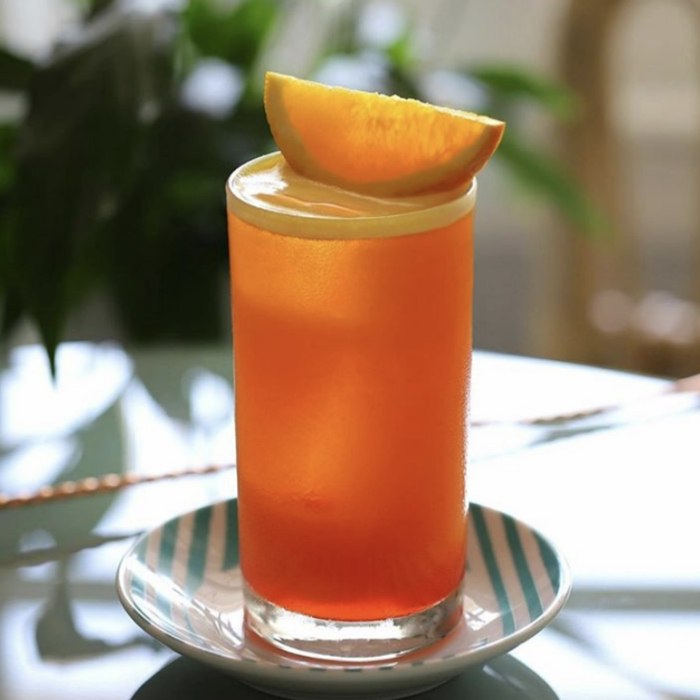
Perhaps the poster child of the low ABV movement, the Aperol Spritz has conquered summer patios worldwide. This Italian aperitivo combines Aperol (11% ABV), prosecco, and soda water over ice with an orange slice garnish. The resulting drink is refreshing, slightly bitter, and clocks in around 8-9% ABV.
The genius is in the ratios: 3 parts prosecco, 2 parts Aperol, 1 part soda. The effervescence keeps it lively, while the bittersweet orange flavor provides complexity without heaviness. Learn more about making the perfect Aperol Spritz recipe.
Americano
The Americano predates its famous descendant, the Negroni, and offers a gentler introduction to bitter Italian aperitifs. Equal parts Campari and sweet vermouth, topped with soda water, this cocktail sits around 10-12% ABV.
First created in the 1860s at Gaspare Campari's bar in Milan, the Americano became popular with American tourists during Prohibition (hence the name). Its bitter-sweet profile stimulates the appetite, making it an ideal pre-dinner drink. This low ABV cocktail proves you don't need high proof for sophisticated flavor.
Sherry Cobbler
This 19th-century classic deserves its modern renaissance. The Sherry Cobbler combines sherry (typically around 15-20% ABV on its own), simple syrup, and fresh fruit over crushed ice. The dilution from the ice brings the final drink down to around 10% ABV.
What makes this cocktail special is its versatility. Fino sherry creates a dry, nutty version; Amontillado adds richness; Pedro Ximénez makes it dessert-like. Add seasonal berries, citrus, or stone fruit to match the occasion.
Wine-Based Cocktails: Sophistication in a Glass
Wine cocktails are perhaps the most accessible entry point into low ABV drinking. With wine itself averaging 11-14% ABV, adding mixers only reduces the alcohol content further.
Spritzers Beyond Aperol
The spritz formula is infinitely adaptable. Try Campari Spritz for more bitterness, Lillet Spritz for floral notes, or Cynar Spritz for artichoke-driven complexity. The template remains the same: fortified wine or aperitif, sparkling wine or soda, citrus garnish.
For white wine spritzers, combine crisp Sauvignon Blanc or Pinot Grigio with soda water and a squeeze of lemon. For red wine, try a Tinto de Verano—Spanish red wine with lemon soda over ice, a refreshing alternative to sangria.
Kalimotxo: Don't Knock It Until You Try It
This Basque country drink sounds unusual—red wine and cola—but it's surprisingly delicious and historically significant. Popular at festivals and casual gatherings, equal parts red wine (choose something inexpensive and fruity) and cola over ice creates a drink around 6-7% ABV.
The cola's sweetness balances wine tannins, while the carbonation keeps it refreshing. Add a squeeze of lime and you have a crowd-pleasing party drink that won't knock anyone out.
Vermouth-Forward Drinks: The Aromatic Solution
Vermouth has emerged from its supporting role to become the star of low ABV cocktails. These fortified, aromatized wines (typically 15-18% ABV) offer incredible complexity with botanical, herbal, and spiced notes.
Vermouth and Tonic
Perhaps the simplest entry point: quality vermouth over ice, topped with tonic water and a citrus twist. Use blanc/bianco vermouth for floral sweetness, dry vermouth for herbaceous crispness, or red vermouth for rich, spiced notes.
The ratio is personal—start with 50/50 and adjust to taste. This drink sits around 7-8% ABV and works beautifully as an aperitif or afternoon refresher.
Bamboo Cocktail
This Japanese-inspired classic combines equal parts dry sherry and dry vermouth with a dash of orange and Angostura bitters. Stirred and served up, it's sophisticated, complex, and around 12-13% ABV.
Created in 1890s Yokohama by Louis Eppinger, the Bamboo showcases how low ABV doesn't mean low flavor. The interplay between nutty sherry and herbaceous vermouth creates layers that evolve with each sip.
Reverse Cocktails
Flip traditional recipes by reversing the spirit-to-vermouth ratio. A "Reverse Manhattan" uses more vermouth than whiskey, while a "Reverse Negroni" emphasizes vermouth over gin and Campari. This approach maintains familiar flavor profiles while significantly reducing alcohol content.
Beer Cocktails: Session Drinking Elevated
Beer averages 4-6% ABV, making it a natural base for low alcohol cocktails. While beer cocktails sometimes get dismissed as unsophisticated, several classics prove otherwise.
Michelada
This Mexican hangover cure and brunch staple combines beer with lime juice, hot sauce, Worcestershire, and savory spices, served in a salt-rimmed glass. It's refreshing, complex, and sits around 4-5% ABV.
The beauty of the Michelada is its customization. Some versions add tomato juice (bordering on a Beer Bloody Mary), while others keep it minimal with just lime and salt. Use a light Mexican lager for traditional results.
Shandy and Radler
European in origin, these simple beer cocktails mix beer with lemonade (Shandy) or grapefruit soda (Radler). The result is crushable, refreshing, and perfect for hot weather.
Use a 50/50 ratio for sweetness, or adjust to 60/40 beer-to-mixer for more beer character. At around 2-3% ABV, you can drink these all afternoon without worry.
Black Velvet
For something more refined, try this classic combination of stout and champagne. Created in 1861 to mourn Prince Albert's death, equal parts Guinness and champagne creates a surprisingly elegant drink with creamy texture and around 6-7% ABV.
Pour carefully—champagne first, then stout over the back of a spoon to create distinct layers.
Building Your Own Low-ABV Cocktails
Understanding the principles behind low ABV cocktails empowers you to create your own or modify existing recipes.
The Substitution Method
The easiest approach: replace base spirits with fortified wines or aperitifs. Instead of gin in a Tom Collins, try Lillet Blanc. Swap whiskey in an Old Fashioned for Amaro. Replace vodka in a Moscow Mule with dry sherry.
These substitutions maintain cocktail structure while reducing ABV by roughly half. You'll need to adjust sweetness and acidity, as fortified wines bring their own sugar and flavor profiles.
The Dilution Method
Add non-alcoholic ingredients to stretch drinks further. Soda water, tonic, ginger beer, fresh juices, and tea can all extend cocktails while adding flavor dimension.
A Negroni Sbagliato (the famous "mistaken Negroni") replaces gin with prosecco—an accidental invention that became a modern classic. This shows how simple modifications to traditional recipes can create delicious low ABV cocktails.
The Built-In-Glass Method
Skip the shaker and build drinks directly over ice. The extended dilution from ice melt naturally reduces ABV and creates a more sessionable drink. Many classic low ABV cocktails use this technique.
Essential Low-ABV Ingredients to Stock
Build a low ABV bar with these essentials:
- Aperitifs: Aperol, Campari, Lillet Blanc, Cocchi Americano
- Vermouths: Dry, sweet, and blanc varieties (Dolin, Carpano, Antica Formula)
- Sherries: Fino, Amontillado, Oloroso
- Amari: Cynar, Montenegro, Nonino
- Sparkling: Prosecco, Cava, quality tonic water, soda water
- Fresh ingredients: Citrus, herbs, seasonal fruit
Frequently Asked Questions
Conclusion: The Future is Balanced
The low ABV cocktail movement isn't about deprivation—it's about intention. It's choosing drinks that enhance your evening rather than end it prematurely. It's savoring complexity and extending the pleasure of a well-crafted cocktail across multiple hours.
As drinking culture continues evolving toward mindfulness and wellness, low alcohol drinks will only grow in importance. The classics we've covered here—Aperol Spritz, Americano, Bamboo—have already proven their staying power. Modern innovations continue pushing the category forward.
Whether you're sober-curious, health-focused, or simply want to enjoy a long lunch without losing your afternoon, low ABV cocktails offer the perfect solution. Start with the classics, explore the best mocktail recipes for completely alcohol-free options, experiment with substitutions, and discover that some of the most satisfying drinks don't need high proof to deliver high pleasure.
Your next great cocktail might just be your most mindful one yet.
Advertisement
About Leo
Home Bar Specialist at Hero Cocktails, passionate about crafting exceptional cocktails and sharing mixology expertise.
Advertisement