Sidecar Cocktail Recipe - Cognac Classic

Learn the perfect sidecar cocktail recipe with cognac, orange liqueur, and lemon. Master classic techniques and expert tips for this elegant, timeless drink.
Advertisement
Sidecar Cocktail Recipe - Cognac Classic
The Sidecar stands as one of the most refined and sophisticated cocktails to emerge from the roaring twenties. This elegant sidecar cocktail recipe represents the golden age of cocktail culture, when bartenders in Paris and London created timeless drinks that balanced spirit-forward complexity with refreshing citrus brightness. Like a well-tailored suit or a classic sports car, the Sidecar never goes out of style.
Key Takeaways
- The Sidecar emerged during WWI in Paris or London, becoming one of the most elegant cognac cocktails
- The classic recipe balances 2 oz cognac, 1 oz Cointreau, and 0.75 oz fresh lemon juice in perfect harmony
- The sugar rim debate divides traditionalists and modernists, with both approaches offering distinct experiences
- Quality cognac (VS or VSOP) and premium orange liqueur transform this simple three-ingredient cocktail
Born during the tumultuous years of World War I, the Sidecar has graced the finest cocktail bars for over a century. Its deceptively simple formula—cognac, orange liqueur, and lemon juice—creates a drink that's simultaneously rich and refreshing, sweet and tart, warming and invigorating. Learning how to make a sidecar properly is essential for any serious cocktail enthusiast, as it teaches the fundamental principles of balancing spirit, sweetness, and acidity.
Unlike many vintage cocktails that have been forgotten or bastardized over the years, the Sidecar has remained remarkably consistent. Its three-ingredient simplicity allows quality ingredients to shine while its perfect proportions create a harmonious balance that modern mixologists still study and admire.
The Classic Sidecar Cocktail Recipe
The beauty of the sidecar cocktail recipe lies in its elegant simplicity. With just three core ingredients, there's nowhere to hide—each component must be top-quality and perfectly measured. Here's the classic recipe that has delighted cocktail lovers for over 100 years:
Ingredients:
- 2 oz cognac or quality brandy
- 1 oz Cointreau (or premium orange liqueur)
- 0.75 oz fresh lemon juice
- Sugar for rim (optional, see debate below)
- Lemon twist for garnish
- Ice for shaking
Instructions:
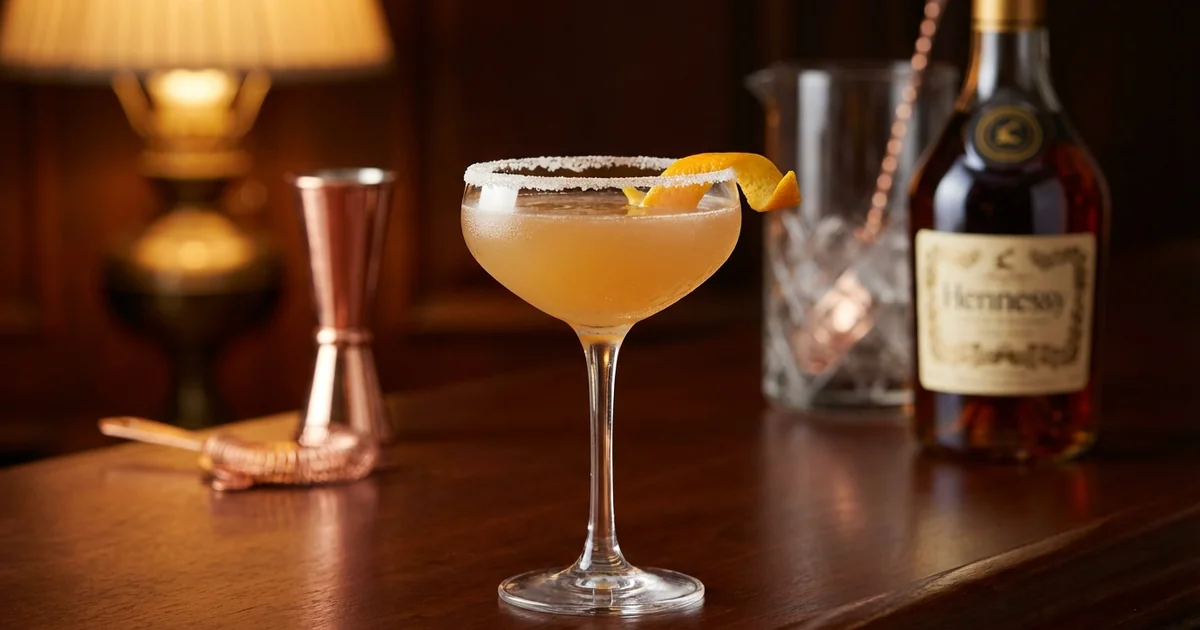
- Optional: Prepare your coupe glass with a sugar rim by running a lemon wedge around the edge and dipping in superfine sugar
- Add cognac, Cointreau, and fresh lemon juice to a cocktail shaker
- Fill the shaker with ice cubes
- Shake vigorously for 15-20 seconds until the shaker is ice-cold to the touch
- Strain into the prepared coupe glass
- Express a lemon twist over the drink by squeezing it skin-side down
- Perch the twist on the rim or drop it into the drink
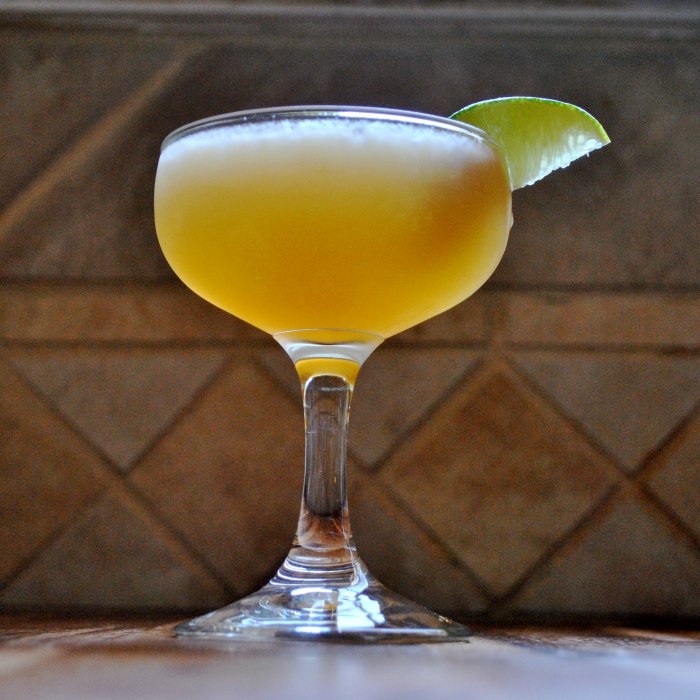
The result should be a beautifully balanced cocktail with the warmth of cognac, the sweet orange complexity of Cointreau, and the bright, tart backbone of fresh lemon juice. The drink should be crystal clear, ice-cold, and perfectly smooth from proper shaking and straining.
For essential bar tools to perfect your shaking technique, see our guide on essential bar tools.
The Great Sugar Rim Debate
Few cocktail garnishes inspire as much passionate debate as the Sidecar's sugar rim. This seemingly simple question—to sugar or not to sugar—has divided the cocktail world into two distinct camps, each with compelling arguments for their position.
The Classic Case for Sugar
Traditionalists argue that the sugar rim is integral to the original Sidecar experience. The first sip, which combines the sweet crystalline sugar with the tart cocktail, creates a sensory experience that's greater than the sum of its parts. The sugar provides textural contrast and allows drinkers to control their sweetness level by adjusting where their lips meet the glass.
Moreover, the sugar rim harks back to an era when cocktails were often sweeter than modern palates prefer. The rim decoration was as much about presentation and theater as it was about flavor—part of the glamour and sophistication that defined 1920s cocktail culture.
The Modern Minimalist Approach
Contemporary bartenders and cocktail purists often skip the sugar rim entirely, arguing that it's an unnecessary distraction from a perfectly balanced drink. They contend that if your Sidecar needs a sugar rim to taste good, your proportions are off. The cocktail should be balanced as-is, with the sugar rim being optional decoration rather than a necessary component.
Additionally, sugar rims can be messy, inconsistent, and can overwhelm the delicate balance of the cocktail if too much sugar enters the drink. Many modern craft cocktail bars serve Sidecars without the sugar rim, allowing the drink's inherent balance to speak for itself.
The Verdict
Try it both ways and decide for yourself. If you do sugar rim, use superfine (caster) sugar rather than granulated sugar for better texture, and only sugar half the rim so drinkers can choose their experience. The most important element isn't the rim—it's the quality of the ingredients and the precision of your proportions.
Selecting the Best Cognac for Sidecar
The cognac you choose fundamentally shapes your sidecar cocktail recipe experience. Since cognac comprises the majority of the cocktail, quality matters enormously. However, you don't need to break the bank—in fact, using ultra-premium cognac in cocktails is often wasteful.
Understanding Cognac Classifications
Cognac is classified by age, with several key categories:
VS (Very Special): Aged at least 2 years, VS cognac offers bright, fruity notes with less oak influence. This is often the sweet spot for cocktails, providing good flavor without excessive cost.
VSOP (Very Superior Old Pale): Aged at least 4 years, VSOP cognacs offer more complexity, deeper oak notes, and richer mouthfeel. These create more sophisticated Sidecars with layered flavor profiles.
XO (Extra Old): Aged at least 10 years, XO cognacs are premium spirits best enjoyed neat. Using them in cocktails is generally unnecessary and expensive.
Top Cognac Recommendations for Sidecars
Pierre Ferrand 1840 Original Formula is specifically designed for cocktails and has become a bartender favorite for Sidecars. Its balanced profile of fruit, spice, and oak creates an exceptionally well-rounded cocktail.
Rémy Martin VSOP offers elegant complexity at a reasonable price point. Its smooth character and vanilla notes work beautifully with orange liqueur and lemon juice.
Courvoisier VS provides excellent value for mixing, with bright fruit flavors and enough character to stand up to the other ingredients without overwhelming them.
Hennessy VS is widely available and reliable, offering classic cognac characteristics that work well in the Sidecar formula.
Pierre Ferrand Ambre splits the difference between VS and VSOP, offering extra depth without the premium price tag.
Brandy Alternatives
While purists insist on cognac, quality brandy can create excellent Sidecars. Spanish brandy like Cardenal Mendoza or American brandies like Germain-Robin offer different flavor profiles that can be equally delicious. The key is using grape-based brandy rather than fruit brandies, which would create an entirely different drink.
Orange Liqueur: The Critical Middle Ground
The orange liqueur in your sidecar cocktail recipe serves as the bridge between the cognac's richness and the lemon's tartness. This middle component is crucial—it adds sweetness, yes, but also depth, complexity, and a crucial orange essence that defines the Sidecar's character.
Cointreau: The Classic Choice
Cointreau remains the gold standard for Sidecars. This premium triple sec offers crystal-clear orange flavor from both sweet and bitter orange peels. It's lighter and more refined than many alternatives, allowing the cognac to shine while providing essential sweetness and citrus complexity.
Cointreau's 40% ABV also matters—it's stronger than many orange liqueurs, which means it contributes more to the cocktail's overall structure and doesn't make the drink overly sweet. For classic Sidecars, Cointreau is hard to beat.
Grand Marnier: The Rich Alternative
Grand Marnier is essentially cognac-based orange liqueur, making it a natural partner for Sidecars. Using Grand Marnier creates a richer, more complex cocktail with deeper orange flavors and additional cognac character. The result is a heavier, more spirit-forward Sidecar that some prefer, especially in colder months.
The trade-off is that Grand Marnier can overwhelm the delicate balance that makes Sidecars so appealing. If using Grand Marnier, consider reducing the amount slightly to 0.75 oz and increasing the lemon juice to maintain balance.
Dry Curaçao: The Historical Choice
Before Cointreau became standard, many classic Sidecars were made with dry curaçao. Quality dry curaçao like Pierre Ferrand Dry Curaçao offers a different orange profile—less sweet, more complex, with subtle spice notes. It creates a more sophisticated, less candy-like Sidecar that appeals to those who find Cointreau too sweet.
Budget Options
If premium orange liqueurs are beyond your budget, Combier and DeKuyper's premium triple sec offer decent alternatives. Avoid bottom-shelf triple sec, which tastes artificial and will ruin an otherwise good Sidecar.
The History of the Sidecar: Paris vs London
The exact origin of the sidecar cocktail recipe remains one of cocktail history's most debated mysteries, with both Paris and London claiming parentage of this classic drink.
The Paris Origin Story
The most popular legend credits Harry MacElhone of Harry's New York Bar in Paris with inventing the Sidecar around 1922. According to this story, the drink was named after a military motorcycle sidecar, supposedly because a regular customer who traveled by sidecar motorcycle always ordered this cocktail.
Harry's New York Bar was the epicenter of 1920s cocktail culture in Paris, creating or popularizing numerous classics including the French 75 and the Bloody Mary. The bar's influence on cocktail history lends credibility to the Sidecar origin claim.
The London Claim
London's Buck's Club also claims to have invented the Sidecar around the same time period. Pat MacGarry, the head bartender at Buck's Club, is sometimes credited as the creator. The London version of the story also involves a customer who arrived by motorcycle sidecar.
The Truth
Like many classic cocktails, the true origin will probably never be definitively proven. What's certain is that the Sidecar emerged during the early 1920s in either Paris or London, created for the international set of officers, artists, and sophisticates who frequented European cocktail bars during and after World War I.
The drink appears in cocktail books by the mid-1920s, including Harry MacElhone's own "Harry's ABC of Mixing Cocktails" (1922) and Robert Vermeire's "Cocktails: How to Mix Them" (1922). These early recipes show some variation in proportions but establish the fundamental trinity of cognac, orange liqueur, and lemon juice.
The Sidecar belongs to a family of brandy sours that includes the earlier Brandy Crusta (1850s) and later variations like Between the Sheets. For more on classic brandy-based cocktails, see our cognac cocktails guide. This genealogy suggests the Sidecar may have evolved from earlier brandy-based cocktails rather than being invented wholesale.
Mastering Sidecar Technique: Ratios, Shaking, and Straining
Unlike stirred cocktails like the Manhattan or Martini, the sidecar cocktail recipe requires shaking—and proper shaking technique matters enormously. The difference between a mediocre Sidecar and an exceptional one often comes down to execution.
The Ratio Revolution
The original Sidecar recipes called for equal parts of all three ingredients (1:1:1). However, this creates an overly sweet, citrus-heavy cocktail that buries the cognac. Modern bartenders have evolved to a 2:1:0.75 ratio (cognac:Cointreau:lemon juice), which better showcases the base spirit while maintaining balance.
Some variations include:
- Classic Revival: 2:1:1 for a more citrus-forward drink
- Spirit-Forward: 2.5:0.75:0.5 for cognac lovers
- Balanced Modern: 2:1:0.75 (recommended)
Start with the 2:1:0.75 ratio and adjust to your taste. The key is that you should taste the cognac clearly, with the orange liqueur and lemon juice supporting rather than dominating.
The Art of Shaking
Shaking a Sidecar serves multiple purposes: it chills the drink rapidly, properly dilutes the spirits, and aerates the mixture to create a silky texture. Unlike stirred drinks, shaken cocktails should be vigorous and energetic.
Proper Shaking Technique:
- Fill with ice: Use plenty of ice—the shaker should be nearly full
- Shake hard: Shake vigorously over your shoulder, not in front of your body
- Duration matters: Shake for 15-20 seconds until the shaker is painfully cold
- Listen for the sound: Initially loud, the sound should quiet as ice begins breaking down
- The frost test: The shaker should develop frost on the outside when properly shaken
Under-shaken Sidecars taste harsh and boozy with insufficient dilution. Over-shaken drinks become watery and lose definition. The sweet spot is when the cocktail reaches around 20-25% dilution, creating a perfectly balanced, ice-cold drink.
Straining for Clarity
Always use a Hawthorne strainer to catch ice shards. Some bartenders advocate for double-straining (using both a Hawthorne and a fine-mesh strainer) to create an exceptionally smooth texture and remove any small ice chips or pulp.
The Sidecar should be crystal clear and free of ice shards. Proper straining contributes to both appearance and mouthfeel, creating a silken texture that glides across the palate.
Glassware Selection
The Sidecar is traditionally served in a coupe glass, which should be chilled before use. The wide, shallow bowl allows the aromatic citrus and cognac vapors to reach your nose with every sip, enhancing the overall experience. A chilled coupe also helps maintain the proper serving temperature.
Alternative glassware includes a Nick and Nora glass or a chilled martini glass, though the coupe remains the classic choice. Avoid rocks glasses—the Sidecar is an "up" cocktail, served without ice in the glass.
Classic Sidecar Variations
Once you've mastered the classic sidecar cocktail recipe, these variations offer new perspectives on this timeless template:
Between the Sheets
This variation adds white rum to the mix, creating a more complex, layered cocktail. The classic recipe uses equal parts cognac, white rum, and Cointreau (0.75 oz each) with 0.75 oz lemon juice. The rum adds a lighter, more tropical character while maintaining the Sidecar's essential structure.
Recipe:
- 0.75 oz cognac
- 0.75 oz white rum
- 0.75 oz Cointreau
- 0.75 oz fresh lemon juice
- Lemon twist garnish
The Brandy Crusta
The Sidecar's predecessor from the 1850s, the Brandy Crusta includes a sugared rim, a long lemon peel lining the glass, and often includes maraschino liqueur and aromatic bitters. This more elaborate drink shows the lineage from which the Sidecar emerged.
Recipe:
- 2 oz cognac
- 0.5 oz Cointreau
- 0.5 oz fresh lemon juice
- 1 bar spoon maraschino liqueur
- 2 dashes Angostura bitters
- Sugar rim and long lemon peel garnish
The Chelsea Sidecar
This variation substitutes gin for cognac, creating a completely different character while maintaining the basic structure. Use a quality London Dry gin for best results.
Recipe:
- 2 oz London Dry gin
- 1 oz Cointreau
- 0.75 oz fresh lemon juice
- Lemon twist garnish
The Bourbon Sidecar
American whiskey enthusiasts can create a Bourbon Sidecar that works surprisingly well. The vanilla and caramel notes of bourbon complement the orange liqueur differently than cognac, creating a richer, sweeter variation.
Recipe:
- 2 oz bourbon
- 1 oz Cointreau
- 0.75 oz fresh lemon juice
- Orange twist garnish
For more bourbon cocktail ideas, explore our guide to bourbon cocktails for beginners.
Frequently Asked Questions
What's the difference between a Sidecar and a Margarita?
The basic structure is similar—both are spirit, orange liqueur, and citrus juice—but the base spirits are different (cognac vs tequila) and the Margarita uses lime juice instead of lemon. The Sidecar is more refined and elegant, while the Margarita is brighter and more refreshing. Learn more about the Margarita's history and variations in our Margarita cocktail guide.
Can I make a Sidecar with whiskey instead of cognac?
Yes, though it technically becomes a different cocktail. Whiskey-based versions are sometimes called "Continental Sidecars" or simply "Whiskey Sours with Cointreau." They're delicious but offer a different flavor profile than the classic cognac version.
Why does my Sidecar taste too sweet?
You're likely using too much orange liqueur relative to the other ingredients, or your lemon juice isn't fresh enough. Try adjusting to a 2:1:0.75 ratio and ensure you're using freshly squeezed lemon juice. Bottled lemon juice tastes flat and won't provide proper balance.
Should I shake or stir a Sidecar?
Always shake, never stir. The citrus juice requires vigorous shaking to properly integrate and aerate. Stirring won't provide enough dilution or the silky texture that makes a Sidecar special.
How do I make a sugar rim that doesn't fall off?
Use superfine (caster) sugar rather than granulated sugar, and moisten only the outer edge of the rim with lemon juice (not the entire rim). Press gently into the sugar and allow it to dry for 30 seconds before pouring the cocktail. Don't over-wet the rim or use too much sugar.
What if I don't have cognac?
Quality brandy works well as a substitute. Spanish brandy like Torres 10 or American brandy like Germain-Robin creates excellent Sidecars. Avoid using fruit brandies like apple brandy, which create an entirely different drink.
Can I batch Sidecars for a party?
Yes, but add the lemon juice last and as close to serving time as possible. Multiply the recipe by the number of servings, combine cognac and Cointreau, then add fresh lemon juice just before serving. Shake individual portions with ice as guests arrive, or shake in large batches and serve immediately.
How strong is a Sidecar?
After dilution from shaking, a Sidecar is approximately 20-25% ABV, making it a moderately strong cocktail. It's more potent than wine but less intense than a Martini or Manhattan.
The sidecar cocktail recipe endures because it achieves what the greatest cocktails do: it takes quality spirits and elevates them through perfect balance and technique. This elegant drink from the Jazz Age continues to captivate modern cocktail enthusiasts with its sophisticated simplicity and timeless appeal.
Whether you prefer the classic sugar rim or the modern minimalist approach, whether you choose Cointreau or Grand Marnier, VS or VSOP cognac, the Sidecar offers a template for understanding how spirit, sweetness, and acidity can be balanced to create something greater than the sum of its parts.
Master the classic recipe first, paying attention to proportions, shaking technique, and ingredient quality. Then experiment with variations that speak to your palate. The Sidecar has survived over a century not by chasing trends, but by remaining true to its core principle: exceptional cognac, perfectly balanced with orange and lemon, expertly prepared. That's a legacy worth preserving, and a cocktail worth mastering.
Advertisement
About Arthur
Cocktail Historian at Hero Cocktails, passionate about crafting exceptional cocktails and sharing mixology expertise.
Advertisement