Ordinary Drink
Sidecar
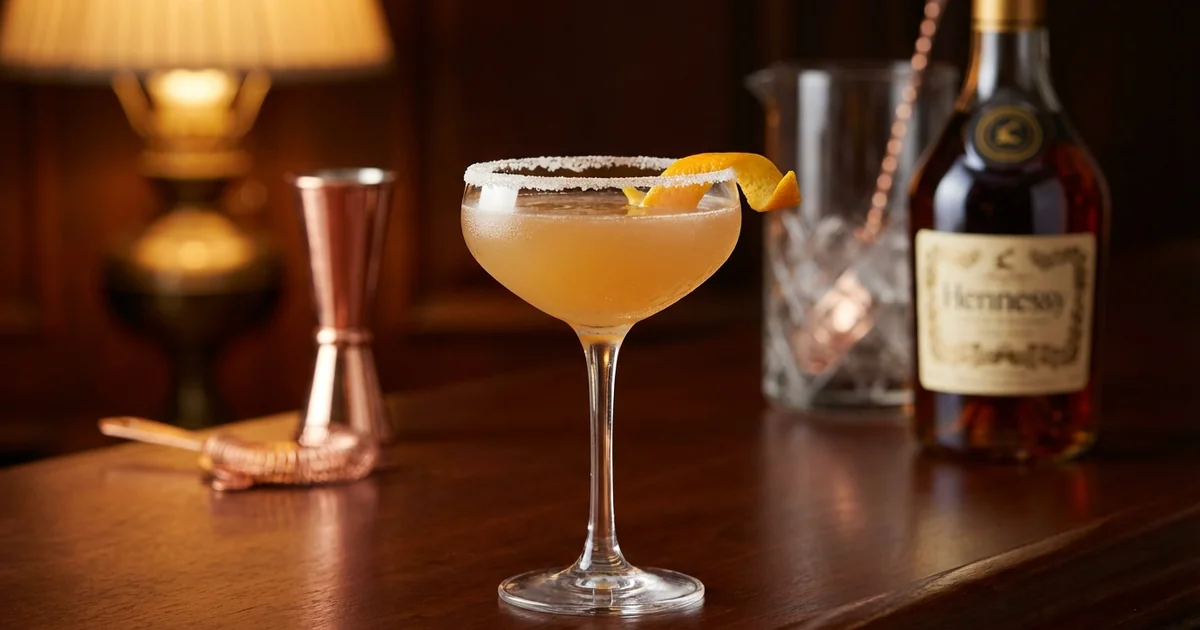
Der Sidecar ist ein klassischer Cocktail, der aus Cognac, Orangenlikör (wie Cointreau) und frischem Zitronensaft zubereitet wird. Er besticht durch seine ausgewogene Mischung aus süßen und sauren Aromen und wird oft mit einem Zuckerrand serviert. Dieser zeitlose Drink ist besonders beliebt in der Cocktailkultur und verkörpert Eleganz und Raffinesse.
- sauer
- fruchtig
- würzig
- frisch

- Prep Time
- 3 min
- Glass
- Cocktail glass
- Difficulty
- Intermediate
- ABV
- 22%
- Yields
- 1 serving
Nur wenige ordinary drink Rezepte bieten dieses sauer and fruchtig Erlebnis wie der Sidecar. Mit Cognac als Basis ist er in etwa 3 Minuten fertig. Eines der meistgeklickten Rezepte: "Cocktailparty".
Key Takeaways
What you’ll learn
- The Sidecar emerged during WWI in Paris or London, becoming one of the most elegant cognac cocktails and a foundational template for the sour family.
- The modern classic recipe balances 2 oz cognac, 1 oz Cointreau, and 0.75 oz fresh lemon juice — a 2:1:0.75 ratio that showcases the base spirit.
- The sugar rim debate divides traditionalists and modernists: try both and decide. The sugar creates textural contrast; omitting it lets proportions speak for themselves.
- Quality VS or VSOP cognac and premium Cointreau (rather than budget triple sec) transform this three-ingredient cocktail dramatically.
Advertisement
Ingredients
- Serves
- 1 serving
- Glass
- Cocktail glass
- Prep
- 3 min
- 2 ozCognac
- 1/2 ozCointreau
- 1 ozLemon juice
Method
Preparation
- 01
Gießen Sie alle Zutaten in einen mit Eis gefüllten Cocktailshaker. Gut schütteln und in ein Cocktailglas abseihen.
Origin
History & Origins
The Sidecar stands as one of the most refined cocktails to emerge from the 1920s, and its exact origin remains one of cocktail history's most pleasantly debated mysteries. Two cities claim parentage: Harry MacElhone of Harry's New York Bar in Paris credits himself with creating it around 1922, while London's Buck's Club credits head bartender Pat MacGarry with the same invention at approximately the same time. Both stories involve a customer who arrived by motorcycle sidecar — though whether this is historical fact or convenient legend is impossible to determine.
What is certain is that the drink appears in cocktail books from the mid-1920s including Harry MacElhone's own "Harry's ABC of Mixing Cocktails" (1922) and Robert Vermeire's "Cocktails: How to Mix Them" (1922). The early recipes show variation in proportions — many called for equal parts of all three ingredients — but establish the fundamental trinity of cognac, orange liqueur, and lemon juice that defines the Sidecar to this day.
The early recipes show variation in proportions — many called for equal parts of all three ingredients — but establish the fundamental trinity of cognac, orange liqueur, and lemon juice that defines the Sidecar to this day.
The Sidecar belongs to a family of brandy sours that includes the earlier Brandy Crusta (1850s) and later variations like Between the Sheets, suggesting the cocktail may have evolved from established templates rather than being invented wholesale. Regardless, the Sidecar refined its predecessors into something distinctly elegant: the 2:1:0.75 ratio that modern bartenders favour showcases the cognac's complexity while providing refreshing citrus balance that makes the drink simultaneously rich and lively. The IBA lists it as an official cocktail.
Advertisement
Bartender’s Insight
Pro Tips
Verwenden Sie Premium-Cognac als Grundlage für Tiefe und Komplexität
From Arthur
hochwertiger Cointreau ist für Balance und Orangengeschmack unerlässlich
frischer Zitronensaft muss verwendet werden—niemals aus der Flasche
in einem gekühlten Coupé-Glas mit Zucker servieren
das Verhältnis sollte Cognac gegenüber anderen Zutaten betonen.
At the Table
Perfect Pairings
Beyond the Classic
Variations
Brandy Sidecar
Ersetzt französischen Cognac durch Brandy für eine leichtere, neutralere Spirituosenbasis
Sidecar Perfekt
fügt trockenen Vermouth für zusätzliche Komplexität und Tiefe hinzu
Moderner Sidecar
integriert zeitgenössische Likööre und aktualisierte Techniken.
Questions
Frequently Asked
- The Sidecar has a flavor profile that is sauer, fruchtig, würzig, frisch. It is crafted to balance these characteristics into a harmonious, satisfying drink that appeals to a wide range of palates.
- The Sidecar is ideal for Cocktailpartys, Jubiläen, romantische Abendessen. Its flavor profile and presentation make it a versatile choice that works equally well as a social cocktail or a relaxed evening drink.
- Yes, there are several ways to adapt a Sidecar. If you cannot source Cognac, look for a similar alternative that matches its flavor profile. Keep in mind that substitutions may alter the balance of the cocktail, so start with a smaller quantity and adjust to taste. The variations section above lists popular alternatives bartenders use.
- Some of the most popular Sidecar variations include Brandy Sidecar, Sidecar Perfekt, Moderner Sidecar. Each variation puts a unique twist on the original recipe while retaining the essential character of the classic cocktail.
- The Sidecar is traditionally served in a Cocktail glass. Using the right glassware is important because it affects the aroma, temperature retention, and overall drinking experience. If you do not have a Cocktail glass on hand, a similar shaped glass will work.
- Yes, a mocktail version of the Sidecar is possible. Replace the base spirit with a non-alcoholic spirit alternative (there are many quality options available) and keep all other components the same. The result will capture much of the original's flavor profile while being suitable for guests who prefer alcohol-free options.
Other Cognac Cocktails
ABC
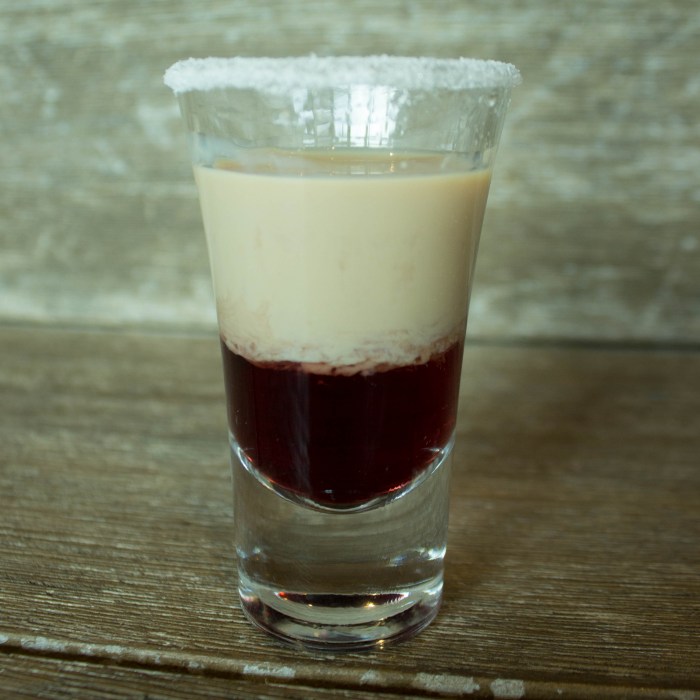
Der Cocktail "ABC" ist eine erfrischende Mischung aus Apfel-, Birnen- und Cranberrysaft, die mit einem Spritzer Limettensaft verfeinert wird. Serviert auf Eis und garniert mit frischen Früchten, bietet er eine perfekte Balance aus Süße und Säure. Ideal für gesellige Abende oder als erfrischender Genuss an warmen Tagen!
French Connection
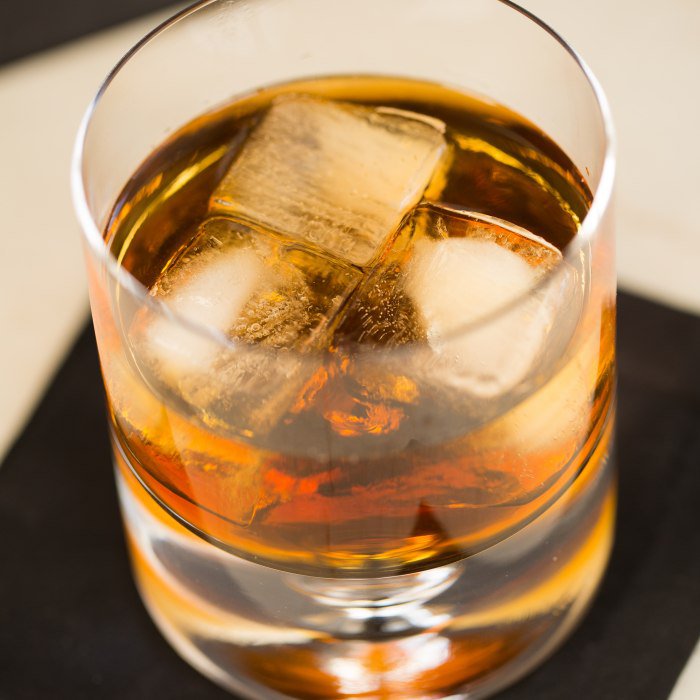
Der French Connection ist ein klassischer Cocktail, der aus einer harmonischen Mischung von Cognac und Amaretto besteht. Sein süßer, nussiger Geschmack wird durch die warmen Aromen des Cognacs perfekt ergänzt, was ihn zu einem eleganten Drink für besondere Anlässe macht. Genießen Sie ihn pur auf Eis oder als Digestif nach dem Essen.
Apple Highball
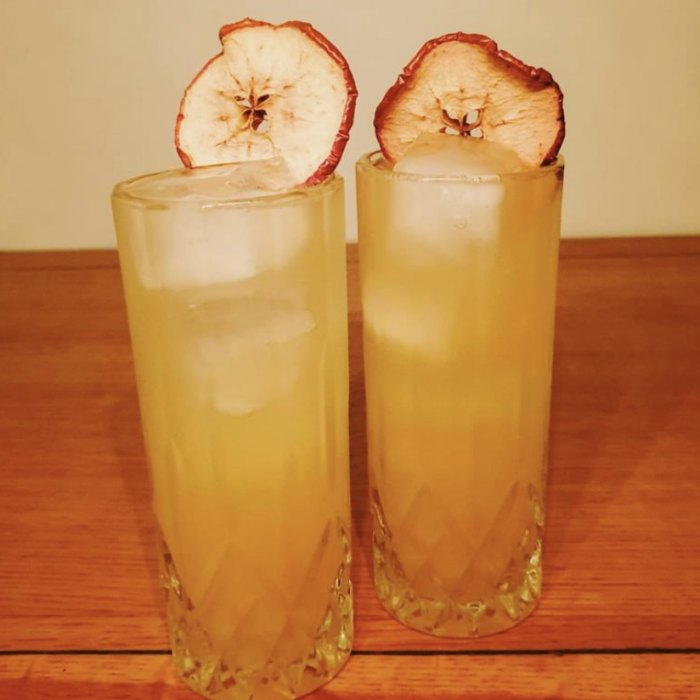
Der Apple Highball ist ein erfrischender Cocktail, der die spritzige Kombination aus Apfel- und Zitrusnoten perfekt zur Geltung bringt. Mit einer Basis aus hochwertigem Apfelbrand und prickelndem Mineralwasser ist er der ideale Drink für gesellige Anlässe. Serviert in einem hohen Glas mit Eis und einem Apfelspiegel, ist er sowohl geschmacklich als auch optisch ein Genuss.
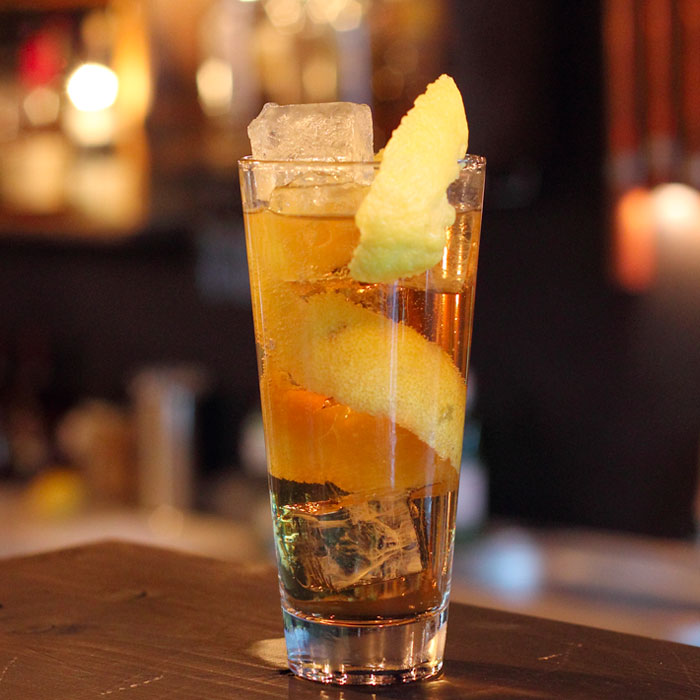
Cocktail Horse’s Neck
Der Cocktail Horse’s Neck ist ein erfrischendes Getränk, das traditionell aus Bourbon oder Rye Whiskey, frischem Zitronensaft und Ginger Ale besteht. Seine markante Garnitur aus einem langen Zitronenschalenstreifen, der wie ein Hals geformt ist, verleiht ihm ein elegantes Aussehen und unterstreicht den fruchtigen Geschmack. Dieser Cocktail ist perfekt für einen geselligen Abend oder als erfrischender Genuss an warmen Tagen.
Other Cocktailpartys Cocktails
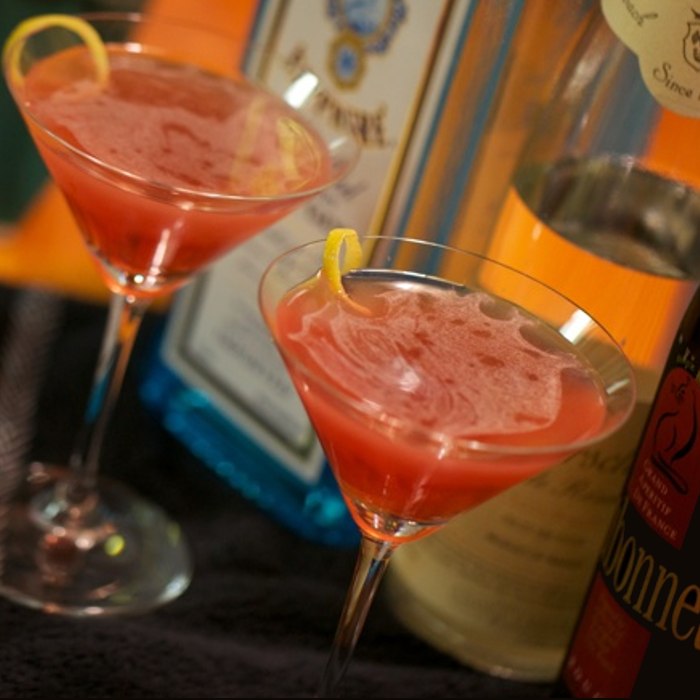
Blackthorn
Der Blackthorn ist ein klassischer Cocktail, der aus Gin, Süßem Wermut und einem Hauch von Bitterstoffen besteht. Sein ausgewogenes Geschmacksprofil kombiniert die herben Noten des Gins mit der Süße des Wermuts, während die Bitterkeit eine erfrischende Tiefe hinzufügt. Oft garniert mit einer Zitronenzeste, ist dieser Drink sowohl elegant als auch aromatisch.
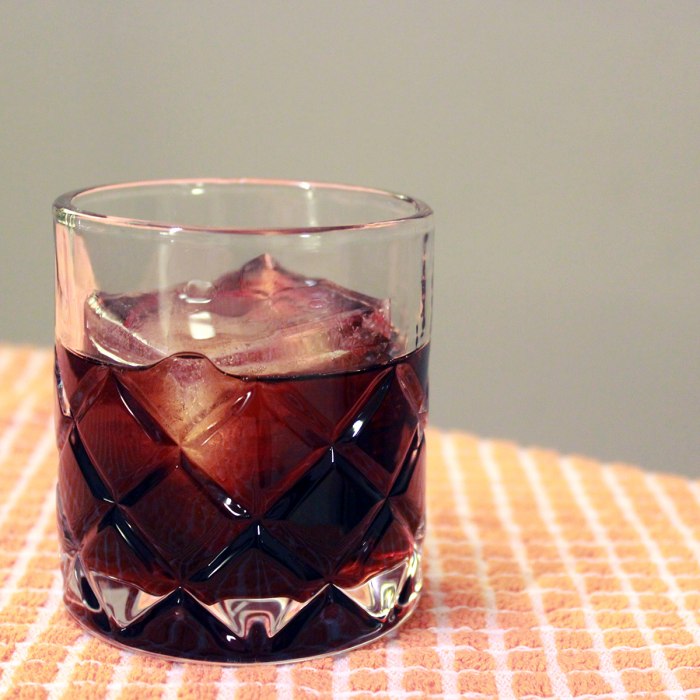
Black Russian
Der Black Russian ist ein klassischer Cocktail, der aus Wodka und Kaffeelikör besteht. Er wird in einem Lowball-Glas serviert und zeichnet sich durch seine dunkle Farbe und den intensiven Kaffeegeschmack aus. Ideal für Liebhaber von kräftigen, aromatischen Drinks.
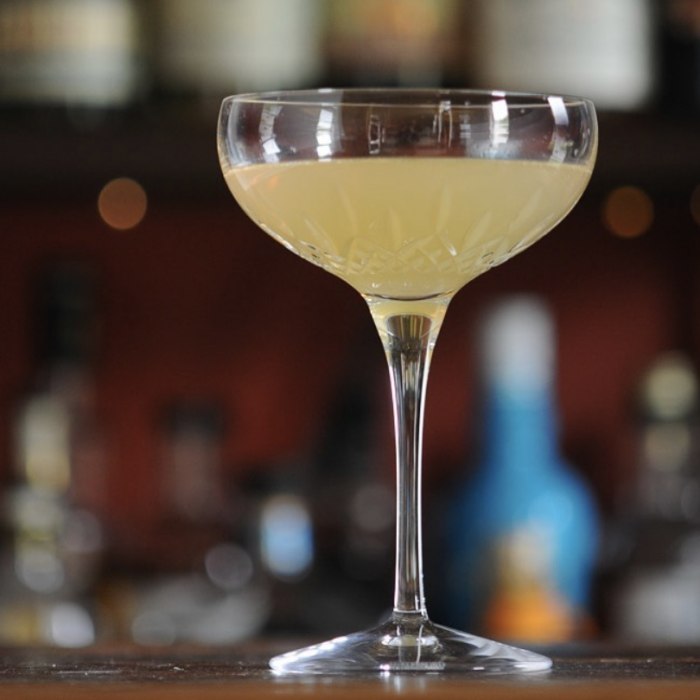
Death in the Afternoon
"Death in the Afternoon" ist ein erfrischender Cocktail, der aus einer Mischung von Champagner und Absinth besteht. Diese einzigartige Kombination kreiert einen komplexen Geschmack, der sowohl bitter als auch spritzig ist und perfekt für besondere Anlässe geeignet ist. Inspiriert von Ernest Hemingways berühmtem Rezept, verspricht dieser Drink ein unvergessliches Erlebnis.
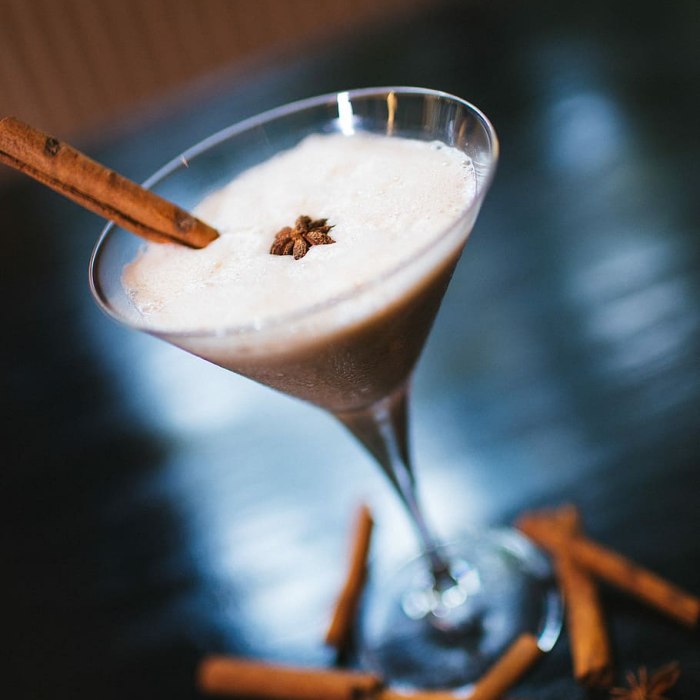
Alexander
Der Alexander ist ein klassischer Cocktail, der aus einer Mischung von Gin, Crème de Cacao und Sahne besteht. Diese cremige und süße Kombination wird oft mit Muskatnuss bestreut und ist bekannt für ihren luxuriösen Geschmack. Ideal als Dessert-Drink, verführt der Alexander mit seiner samtigen Textur und feinen Aromen.
Similar Flavor Profiles
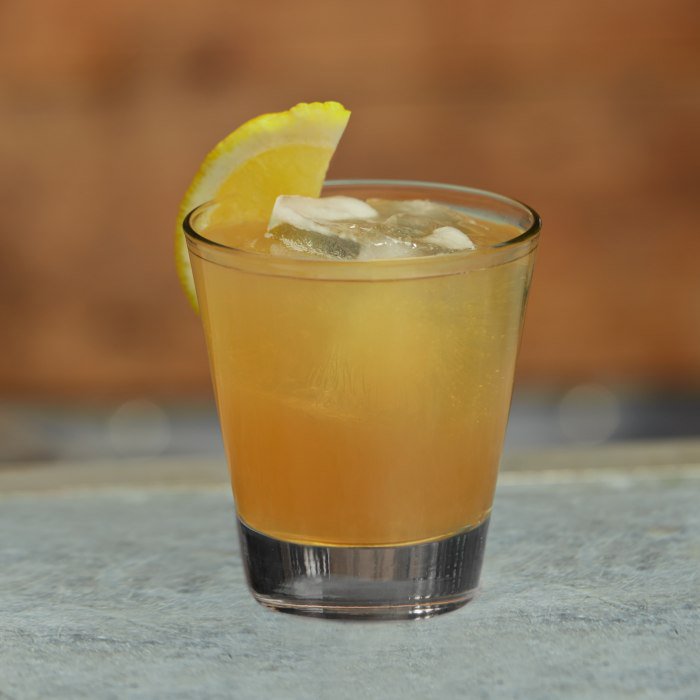
Tequila Sour
Der Tequila Sour ist ein erfrischender Cocktail, der die herben Noten von Tequila mit der spritzigen Säure von frischem Zitronensaft kombiniert. Oft verfeinert mit einem Hauch von Zuckersirup und einem Eiweiß für eine samtige Textur, bietet er ein ausgewogenes Geschmackserlebnis, das sowohl süß als auch sauer ist. Ideal für Tequila-Liebhaber, die eine neue, aufregende Variante genießen möchten
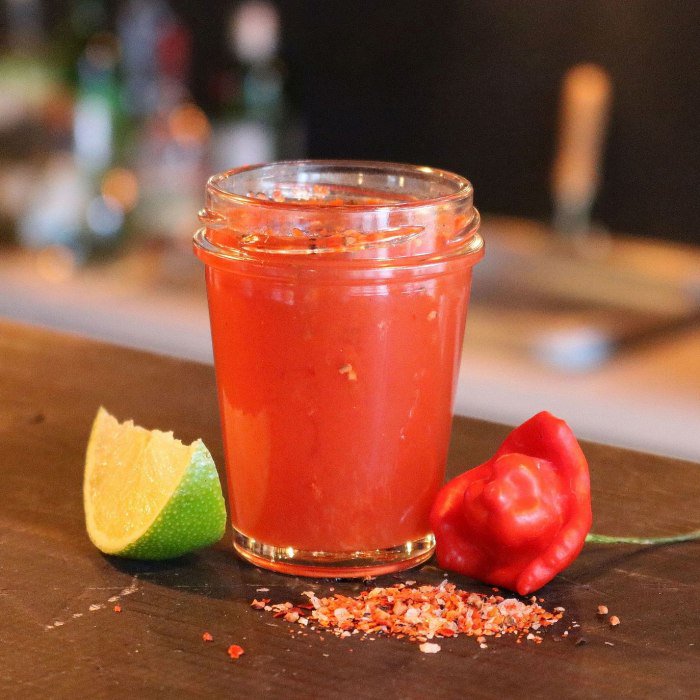
Vampiro
Der Vampiro ist ein erfrischender mexikanischer Cocktail, der Tequila und frischen Limettensaft mit einer würzigen Tomatensaftbasis kombiniert. Oft verfeinert mit einer Prise Chili und einem Salzkanten, bietet dieser Drink eine perfekte Balance zwischen süß, sauer und herzhaft. Ideal für eine gesellige Runde oder als aufregende Erfrischung an warmen Tagen.
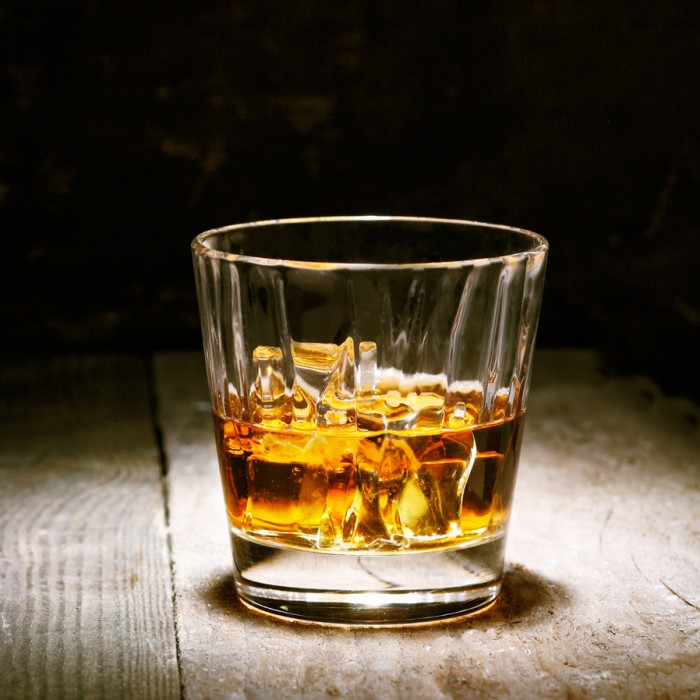
ACID
Der Cocktail 'ACID' ist ein erfrischendes und spritziges Getränk, das mit einer harmonischen Mischung aus Zitrusfrüchten und einem Hauch von Kräutern begeistert. Seine lebendige Säure und die ausgewogene Süße machen ihn zu einem perfekten Begleiter für gesellige Abende. Genießen Sie diesen aufregenden Drink, der sowohl den Gaumen als auch die Sinne anspricht.
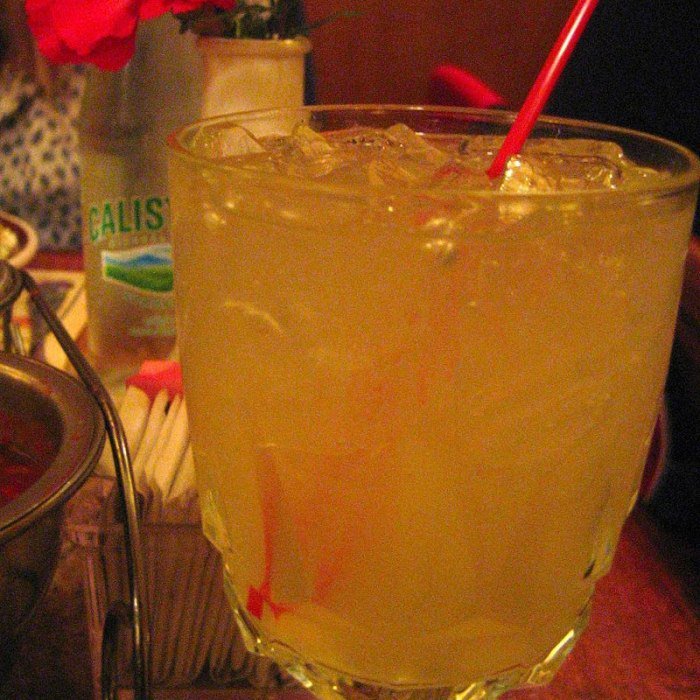
Tommy's Margarita
Tommy's Margarita ist eine erfrischende Variation des klassischen Cocktails, die aus hochwertigem Tequila, frischem Limettensaft und agavendicksaft besteht. Diese Kombination sorgt für einen puren, unverfälschten Geschmack, der die Aromen des Tequilas perfekt zur Geltung bringt. Ideal für Liebhaber von klaren, fruchtigen Cocktails!
Advertisement