10 Essential Champagne Cocktails for Any Celebration
Master champagne cocktails with expert recipes for French 75, Mimosa, Bellini & more. Learn techniques, sparkling wine alternatives & celebration tips.
Advertisement
10 Essential Champagne Cocktails for Any Celebration
There's something undeniably special about the pop of a champagne cork. Whether you're toasting to the New Year, celebrating a milestone, or simply elevating your Sunday brunch, champagne cocktails bring an air of sophistication and festivity that few other drinks can match. The gentle effervescence, delicate flavors, and visual elegance of sparkling wine cocktails make them the perfect choice for life's most memorable moments.
Key Takeaways
- Champagne cocktails elevate any celebration with elegance and sophistication
- Always add sparkling wine last and stir gently to preserve carbonation
- Prosecco and Cava offer budget-friendly alternatives without sacrificing quality
- Master these 10 essential recipes for every occasion from brunch to New Year's Eve
But champagne cocktails are more than just festive showpieces. They're versatile, surprisingly easy to make, and offer endless opportunities for creativity. From the classic French 75 that's graced cocktail menus for over a century to modern interpretations that push boundaries, these bubbly creations deserve a place in every home bartender's repertoire.
In this comprehensive guide, you'll discover everything you need to know about crafting exceptional champagne cocktails. We'll explore the differences between champagne, prosecco, and cava, master essential mixing techniques, and dive deep into 10 must-know recipes that will impress your guests and elevate your celebrations.
Understanding Your Bubbles: Champagne vs Prosecco vs Cava
Before we start mixing champagne cocktails, let's clarify what sets these sparkling wines apart and how each performs in cocktails.
Champagne is the gold standard, produced exclusively in France's Champagne region using the traditional method (méthode champenoise). It offers complex flavors with notes of brioche, apple, and citrus, along with fine, persistent bubbles. The crisp acidity and sophisticated character make it ideal for spirit-forward champagne cocktails like the French 75 or classic Champagne Cocktail.
Prosecco hails from Italy's Veneto region and is made using the Charmat method, which creates lighter, fruitier bubbles. With its approachable sweetness and notes of pear, apple, and white peach, Prosecco shines in fruit-forward champagne cocktails like Bellinis and Mimosas. It's also notably more affordable, making it perfect for batch cocktails and large gatherings.
Cava is Spain's answer to champagne, also made using the traditional method but at a fraction of the price. It offers a middle ground between champagne's complexity and prosecco's fruit-forward character, with flavors of citrus, almond, and toast. Cava works beautifully in virtually any champagne cocktail recipe.
The bottom line? While true champagne brings unmatched elegance, Prosecco and Cava are excellent alternatives that allow you to enjoy sophisticated champagne cocktails without breaking the bank.
10 Essential Champagne Cocktails You Need to Know
1. French 75
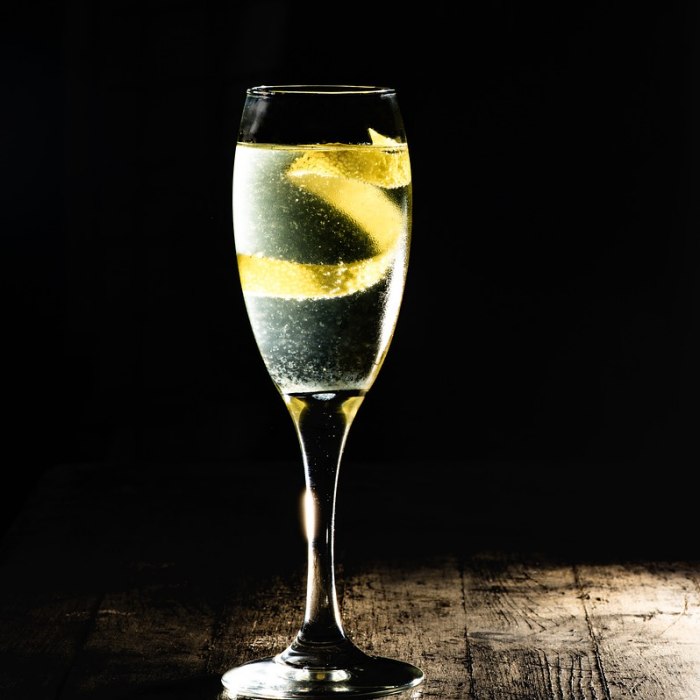
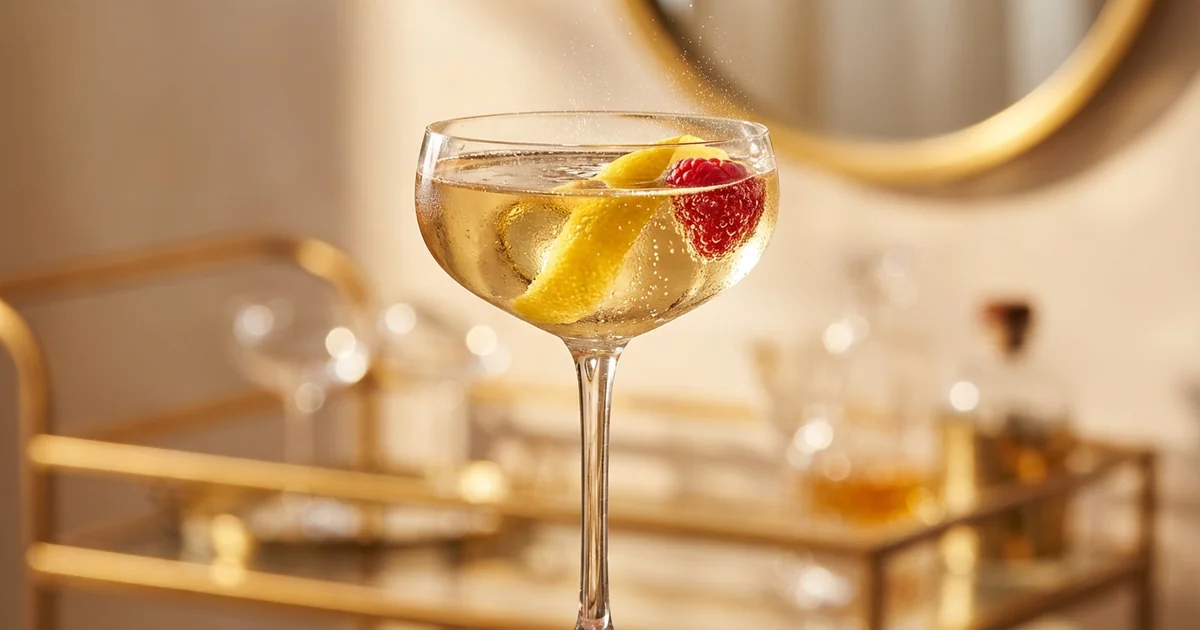
The quintessential champagne cocktail, the French 75 combines gin, lemon juice, simple syrup, and champagne for a perfectly balanced drink that's both refreshing and sophisticated. Created during World War I and named after the French 75mm field gun, this classic champagne cocktail packs a delightful punch.
Recipe: Shake 1.5 oz gin, 0.75 oz fresh lemon juice, and 0.5 oz simple syrup with ice. Strain into a champagne flute and top with 3 oz champagne. Garnish with a lemon twist.
For more details on this iconic drink, explore our complete French 75 champagne cocktail guide.
2. Mimosa
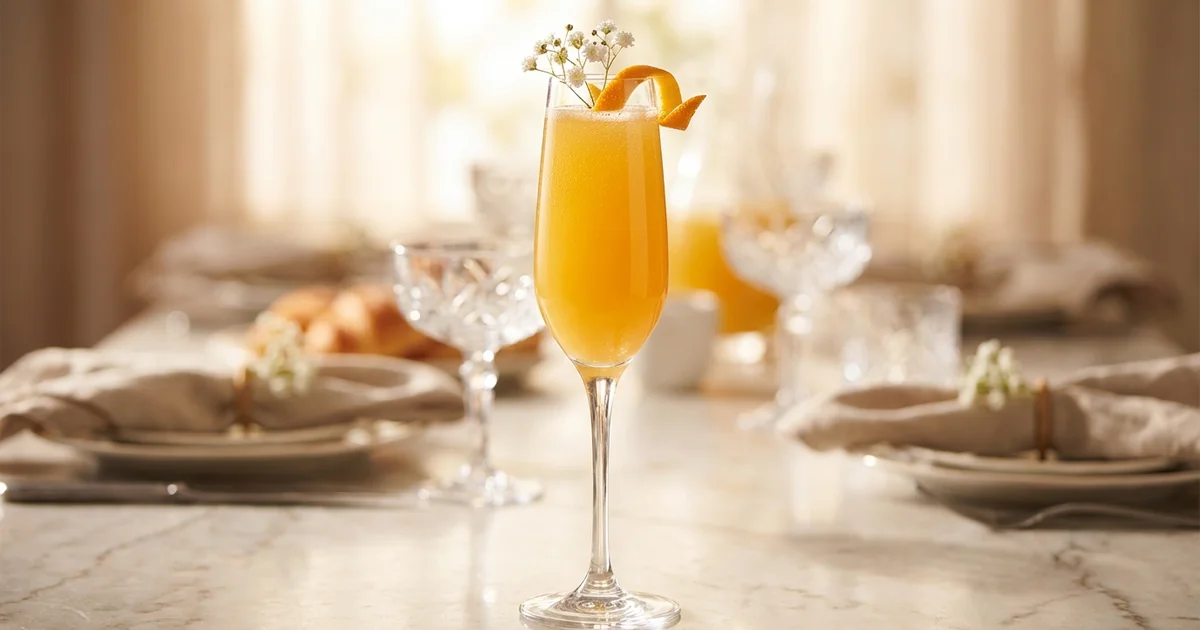
The brunch champion, the Mimosa is simplicity at its finest. Equal parts orange juice and champagne create a light, refreshing cocktail that's dangerously easy to drink. For the best results, use fresh-squeezed orange juice and keep both ingredients well-chilled.
Recipe: Pour 3 oz champagne into a flute, then gently add 3 oz fresh orange juice. Garnish with an orange slice.
3. Bellini
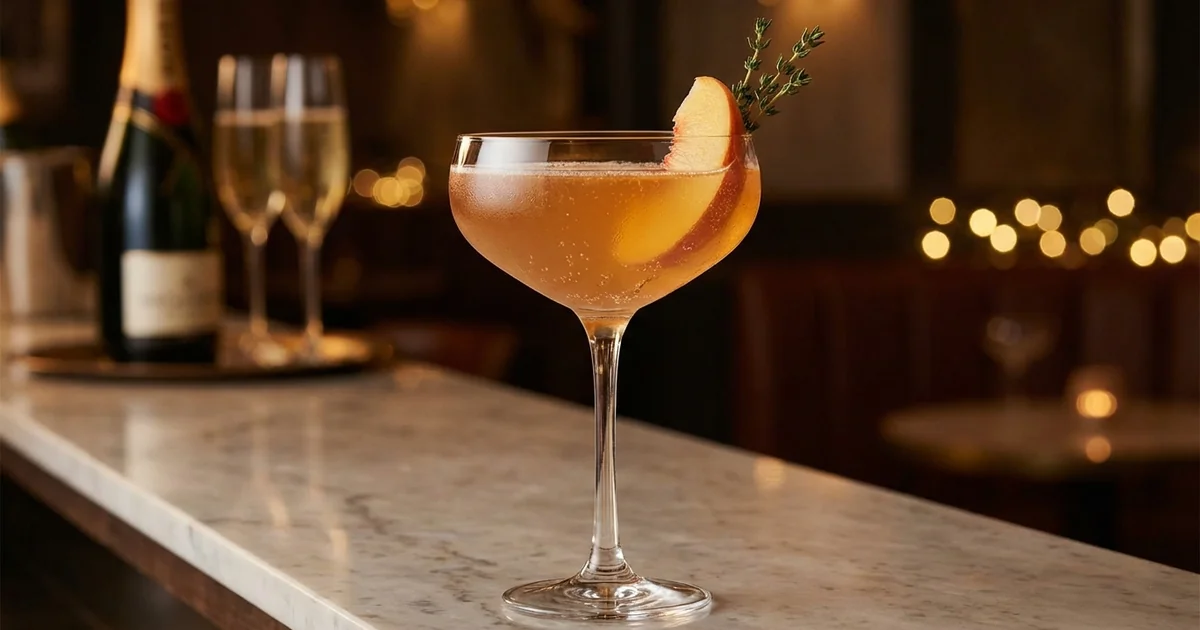
Born at Harry's Bar in Venice, the Bellini blends white peach puree with Prosecco for an elegantly fruity champagne cocktail. The original recipe calls for fresh white peaches, but you can adapt it with other fruits like strawberries or raspberries.
Recipe: Add 2 oz white peach puree to a champagne flute, then gently top with 4 oz Prosecco. Stir delicately.
4. Kir Royale
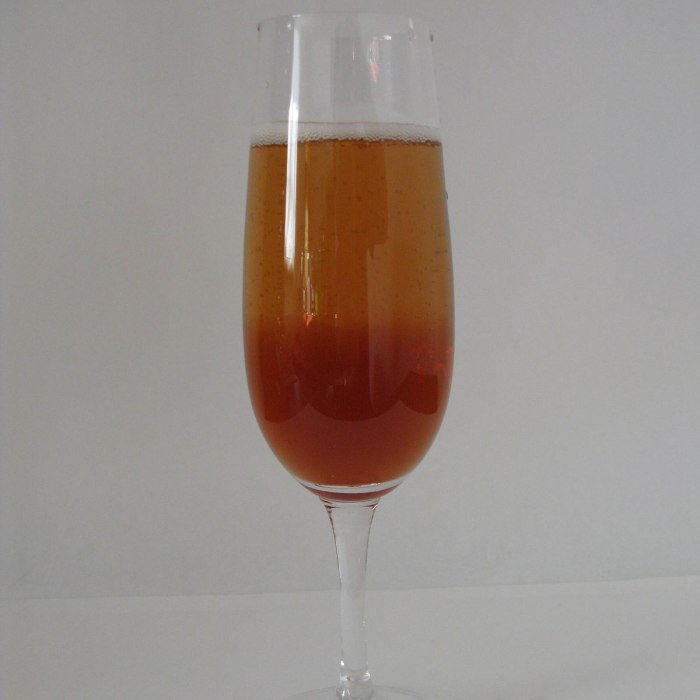
A French aperitif champagne cocktail that combines the sweet, fruity notes of crème de cassis (blackcurrant liqueur) with dry champagne. It's elegant, simple, and utterly delicious.
Recipe: Pour 0.5 oz crème de cassis into a champagne flute, then top with 5 oz champagne. Garnish with fresh blackberries or a lemon twist.
5. Champagne Cocktail (Classic)
The original champagne cocktail dates back to the 1860s and remains a timeless choice. A sugar cube soaked in Angostura bitters slowly dissolves in champagne, creating an evolving flavor profile that becomes more complex with each sip.
Recipe: Place a sugar cube in a champagne flute and saturate it with 2-3 dashes of Angostura bitters. Add 6 oz champagne and garnish with a lemon twist.
6. Death in the Afternoon
Ernest Hemingway's notorious creation combines absinthe with champagne for a potent, anise-flavored champagne cocktail. The name references Hemingway's book about bullfighting, and this drink is just as bold.
Recipe: Pour 1 oz absinthe into a champagne flute, then slowly top with 4-5 oz champagne until it achieves an opalescent cloudiness.
7. Airmail
A tropical twist on the champagne cocktail, the Airmail combines rum, honey, lime, and champagne for a refreshing drink that bridges tiki and classic cocktail styles.
Recipe: Shake 1.5 oz gold rum, 0.5 oz honey syrup, and 0.75 oz lime juice with ice. Strain into a coupe and top with 2 oz champagne. Garnish with a lime wheel.
8. Champagne Mojito
This sparkling twist on the Cuban classic adds champagne to the traditional mint, lime, and rum combination. It's refreshing, herbaceous, and perfect for warm-weather celebrations.
Recipe: Muddle 8 mint leaves with 0.5 oz simple syrup and 0.75 oz lime juice in a glass. Add 1.5 oz white rum and ice, then top with 3 oz champagne. Garnish with mint sprigs and lime.
9. Seelbach
Created at Louisville's Seelbach Hotel, this champagne cocktail combines bourbon, Cointreau, bitters, and champagne for a sophisticated sipper that's perfect for Kentucky Derby parties or New Year's Eve.
Recipe: Add 1 oz bourbon, 0.5 oz Cointreau, 7 dashes Angostura bitters, and 7 dashes Peychaud's bitters to a champagne flute. Top with 4 oz champagne and garnish with an orange twist.
10. Black Velvet
This Irish creation pairs champagne with stout beer (traditionally Guinness) for a surprisingly harmonious combination. The rich, roasted flavors of stout balance beautifully with champagne's acidity.
Recipe: Slowly pour 3 oz champagne into a glass, then gently layer 3 oz stout over the back of a spoon to create distinct layers.
Essential Techniques for Perfect Champagne Cocktails
Mastering champagne cocktails requires understanding a few key techniques that preserve the wine's delicate bubbles and ensure balanced flavors.
Always Add Bubbles Last: Whether you're shaking, stirring, or building in the glass, champagne should always be the final ingredient. This preserves carbonation and prevents overflow.
Stir Gently, Never Shake: Once champagne is in the glass, avoid aggressive stirring. A gentle swirl or a single delicate stir is sufficient. Shaking champagne will result in flat, lifeless champagne cocktails.
Chill Everything: Cold ingredients are essential. Warm mixers will cause champagne to fizz excessively and lose carbonation quickly. Pre-chill your glasses, juices, and spirits when possible.
Use Fresh Ingredients: The delicate flavors of champagne are easily overwhelmed by artificial mixers. Fresh citrus juice, real fruit purees, and quality spirits make all the difference.
Mind Your Proportions: Champagne's subtle flavors mean balance is crucial. Too much of other ingredients will mask the wine's character, while too little creates an unbalanced drink.
Choose Appropriate Glassware: While champagne flutes are traditional, coupes and even white wine glasses work beautifully for many champagne cocktails, offering more surface area for aromatics.
Planning for New Year's Eve and Celebrations
Champagne cocktails are the natural choice for New Year's Eve, weddings, anniversaries, and special celebrations. Here's how to plan like a pro:
Batch When Possible: For parties, prepare base mixtures (everything except champagne) in advance. Refrigerate, then simply add champagne when serving. This works excellently for French 75s, Airmail cocktails, and champagne punch.
Calculate Quantities: A standard 750ml champagne bottle yields about five to six servings. For a party of 20 guests drinking two cocktails each, plan on seven to eight bottles.
Set Up a DIY Bar: Create a champagne cocktail station with various mixers, fresh juices, liqueurs, and garnishes. Let guests customize their drinks while you enjoy the party.
Timing Matters: For midnight toasts, prep cocktails at 11:45 PM so they're ready right when the clock strikes twelve. Nothing kills momentum like waiting for drinks during the countdown.
Ice Strategy: Invest in plenty of ice. You'll need it for shaking cocktails and keeping champagne bottles cold. Plan on about a pound of ice per guest.
Budget-Friendly Alternatives That Don't Sacrifice Quality
Quality champagne cocktails don't require breaking the bank. Here are smart strategies for celebrating on a budget:
Choose Prosecco or Cava: These alternatives cost 30-70% less than champagne while delivering excellent results in champagne cocktails. For most recipes, guests won't notice the difference.
Buy Smart: Look for trusted brands like Segura Viudas (Cava), La Marca (Prosecco), or Gruet (American sparkling wine). These offer exceptional quality at $12-18 per bottle.
Focus on Technique: Perfect execution with affordable sparkling wine beats sloppy preparation with expensive champagne every time.
Seasonal Ingredients: Use in-season fruits for purees and garnishes. Frozen fruit works beautifully for pureed champagne cocktails like Bellinis.
Strategic Splurging: Reserve true champagne for simple preparations like Kir Royales or classic Champagne Cocktails where its complexity shines. Use Prosecco for fruit-forward drinks where subtle nuances get masked.
Frequently Asked Questions
Q: Can I make champagne cocktails ahead of time? A: You can prepare base mixtures (everything except the champagne) several hours ahead and refrigerate them. Add champagne just before serving to ensure optimal carbonation and freshness. Never add champagne more than 15 minutes before serving.
Q: What's the best champagne for cocktails? A: For champagne cocktails, look for Brut champagne (dry style) or Extra Brut. Avoid sweet styles like Demi-Sec unless the recipe specifically calls for it. Budget-friendly options like Prosecco or Cava work beautifully in most champagne cocktail recipes.
Q: How do I prevent champagne from going flat? A: Keep bottles well-chilled (40-45°F is ideal), use a champagne stopper to preserve opened bottles, and add champagne to cocktails just before serving. Avoid stirring aggressively, which releases carbonation.
Q: Can I substitute sparkling water for champagne? A: While you can create mocktails with sparkling water, they won't replicate the complex flavors and acidity that champagne brings. For non-alcoholic champagne cocktail versions, try non-alcoholic sparkling wines, which better mimic the real thing.
Q: How long does opened champagne stay good? A: With a proper champagne stopper, opened bottles maintain carbonation for 1-3 days when refrigerated. For best results in champagne cocktails, use opened champagne within 24 hours.
Q: Should I use vintage champagne for cocktails? A: Vintage champagne's nuanced complexity is often lost when mixed with other ingredients. Save vintage bottles for sipping and use non-vintage champagne, Prosecco, or Cava for champagne cocktails.
Conclusion: Elevate Every Celebration
Champagne cocktails represent the perfect marriage of elegance and approachability. Whether you're crafting a classic French 75 for a sophisticated soiree or mixing up a batch of Mimosas for Sunday brunch, these sparkling creations bring joy, celebration, and a touch of luxury to any occasion.
The beauty of champagne cocktails lies in their versatility. Master the fundamentals we've covered, understand the role of different sparkling wines, perfect your technique, and you'll be equipped to create stunning champagne cocktails that impress without intimidating.
Remember: the best champagne cocktail isn't necessarily made with the most expensive bottle. It's the one mixed with care, served with love, and enjoyed with people who matter. So pop that cork, pour with confidence, and toast to life's beautiful moments.
Cheers to your champagne cocktail journey!
Tags:
Advertisement
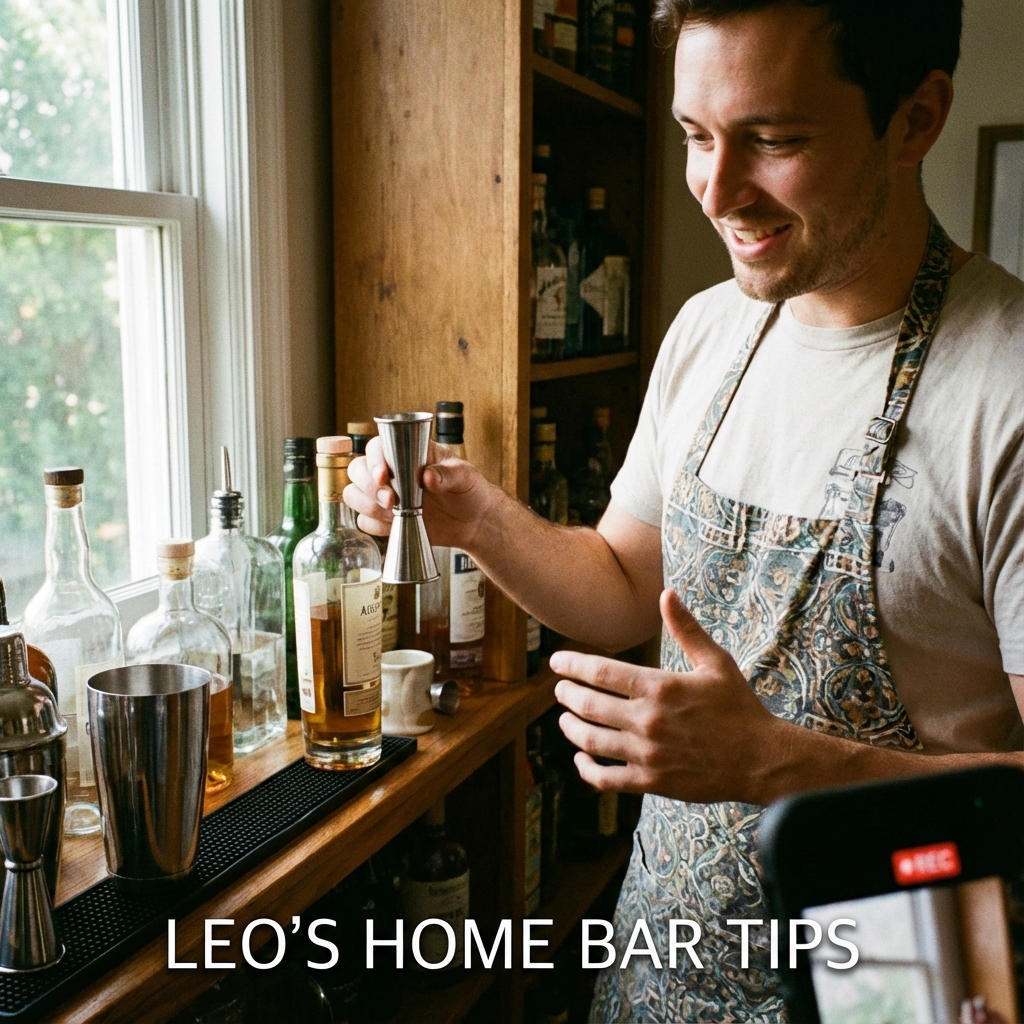
About Leo
Home Bar Specialist at Hero Cocktails, passionate about crafting exceptional cocktails and sharing mixology expertise.
Advertisement