Ordinary Drink
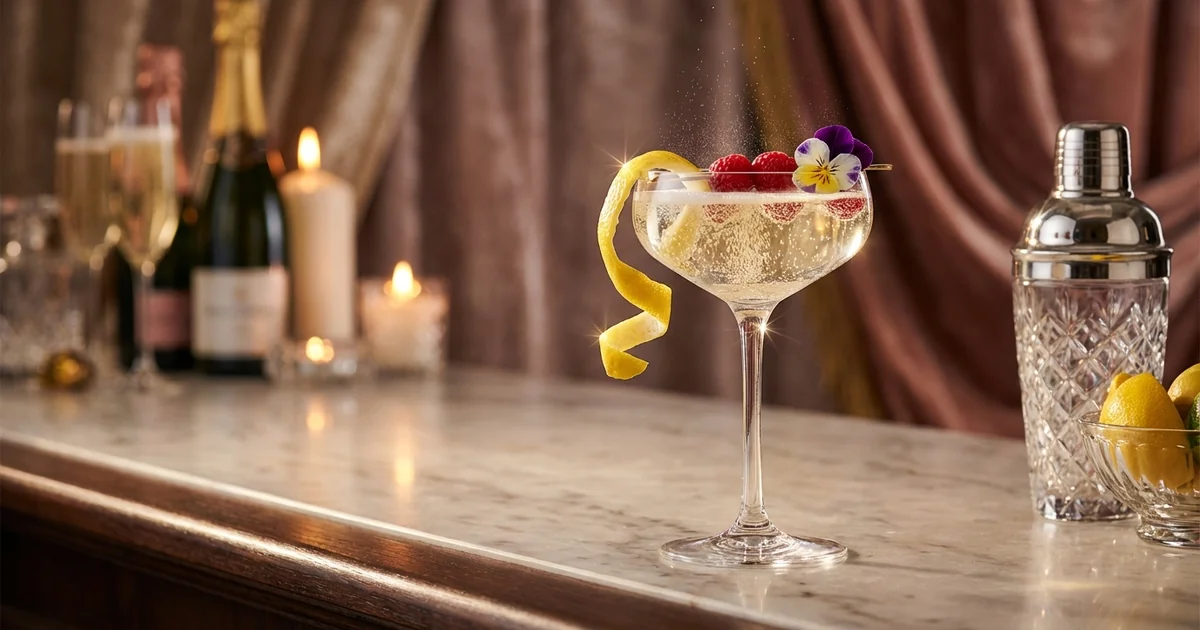
French 75
The French 75 is a classic cocktail that combines the elegance of gin, fresh lemon juice, and simple syrup, topped with sparkling Champagne. This refreshing drink is known for its bright, citrusy flavor and effervescent finish, making it a perfect choice for celebrations or a sophisticated evening. Its origins date back to World War I, evoking a sense of timeless sophistication and joie de vivre.
- citrusy
- effervescent
- herbal
- refreshing
- Prep Time
- 5 min
- Glass
- Collins glass
- Difficulty
- Easy
- ABV
- 14%
- Yields
- 1 serving
The French 75 is a ordinary drink built on gin, celebrated for its citrusy and effervescent character — a consistently top-searched celebration. Whether you're after a reliable brunch gatherings option or simply want to master a classic, this 5-minute recipe is straightforward enough for home bars yet refined enough to impress. Perfect if you've been searching for the best brunch.
Key Takeaways
What you’ll learn
- The French 75 was named after the powerful WWI-era 75mm field gun for its reputedly fierce kick.
- Both gin and cognac versions are historically valid; gin is the most popular modern interpretation while cognac is the French original.
- Proper technique requires shaking the base ingredients with ice before topping with champagne — never shake the sparkling wine itself.
- Always use brut champagne or quality sparkling wine to balance the simple syrup's sweetness.
Advertisement
Ingredients
- Serves
- 1 serving
- Glass
- Collins glass
- Prep
- 5 min
- 1 1/2 ozGin
- 2 tsp superfineSugar
- 1 1/2 ozLemon juice
- 4 oz ChilledChampagne
- 1Orange
- 1Maraschino cherry
Method
Preparation
- 01
Combine gin, sugar, and lemon juice in a cocktail shaker filled with ice. Shake vigorously and strain into a chilled champagne glass. Top up with Champagne. Stir gently.
Origin
History & Origins
The French 75's origin story is as debated as the recipe itself. Most cocktail historians credit Harry MacElhone, the Scottish bartender who founded Harry's New York Bar in Paris, with creating the drink around 1925. Some accounts trace it back to the interwar period in London, while others suggest a WWI-era provenance — French and American soldiers in France were supposedly mixing gin with champagne as early as 1915.
What is certain is that the cocktail's name invokes the Canon de 75 modèle 1897, the rapid-fire French field gun that became the signature artillery piece of World War I. Early drinkers claimed the cocktail had such a kick that it felt like being hit by the cannon's shell — a claim that speaks more to its deceptive drinkability than any literal comparison. The drink appeared in "The Savoy Cocktail Book" in 1930 with a gin base, cementing its place in the classic canon.
Early drinkers claimed the cocktail had such a kick that it felt like being hit by the cannon's shell — a claim that speaks more to its deceptive drinkability than any literal comparison.
The gin-versus-cognac debate persists to this day. French sources from the same era often specified cognac, suggesting the cognac version may be the authentic Parisian recipe while the gin variant was popularised in English-speaking countries. Today the IBA lists the French 75 as an official cocktail with gin as the canonical spirit. Some bartenders serve the cognac version as "French 75 Moderne." Both versions are historically valid, and choosing between them is an exercise in personal preference and cocktail philosophy.
Advertisement
Bartender’s Insight
Pro Tips
Use fresh-squeezed lemon juice — this is non-negotiable. The citrus brightness is half the cocktail's appeal and bottled juice falls flat.
From Elena
Shake the gin, lemon, and simple syrup hard for 10–15 seconds with ice, then strain into the flute before adding champagne gently down the side of the glass.
Choose brut champagne or brut prosecco — the simple syrup provides sweetness, so a dry sparkling wine creates the right balance.
Pre-chill the champagne flute or coupe while you shake the base components.
Express a lemon twist over the finished drink to release aromatic oils before dropping or perching it on the rim.
At the Table
Perfect Pairings
Beyond the Classic
Variations
French 75 with Cognac
Substitute 1 oz VS or VSOP cognac for gin. The result is softer, richer, and more decidedly French — preferred in France itself. Pierre Ferrand 1840 cognac is an excellent choice.
French 77
Add 0.5 oz elderflower liqueur (St-Germain) to the original gin recipe. The floral notes create a spring-and-summer variation that is particularly popular with brunch crowds.
French 95
Replace gin with bourbon for an American twist. The whiskey's vanilla and caramel notes create a richer, warmer variation on the champagne cocktail template.
Rosé French 75
Replace brut champagne with rosé sparkling wine for a beautiful pink hue and subtle berry notes alongside the classic citrus and gin profile.
Questions
Frequently Asked
- The French 75 has a flavor profile that is citrusy, effervescent, herbal, refreshing. It is crafted to balance these characteristics into a harmonious, satisfying drink that appeals to a wide range of palates.
- The French 75 is ideal for brunch gatherings, anniversaries, holiday celebrations. Its flavor profile and presentation make it a versatile choice that works equally well as a social cocktail or a relaxed evening drink.
- Yes, there are several ways to adapt a French 75. If you cannot source Gin, look for a similar alternative that matches its flavor profile. Keep in mind that substitutions may alter the balance of the cocktail, so start with a smaller quantity and adjust to taste. The variations section above lists popular alternatives bartenders use.
- Some of the most popular French 75 variations include French 75 with Cognac, French 77, French 95. Each variation puts a unique twist on the original recipe while retaining the essential character of the classic cocktail.
- The French 75 is traditionally served in a Collins glass. Using the right glassware is important because it affects the aroma, temperature retention, and overall drinking experience. If you do not have a Collins glass on hand, a similar shaped glass will work.
- Yes, a mocktail version of the French 75 is possible. Replace the base spirit with a non-alcoholic spirit alternative (there are many quality options available) and keep all other components the same. The result will capture much of the original's flavor profile while being suitable for guests who prefer alcohol-free options.
Other Gin Cocktails
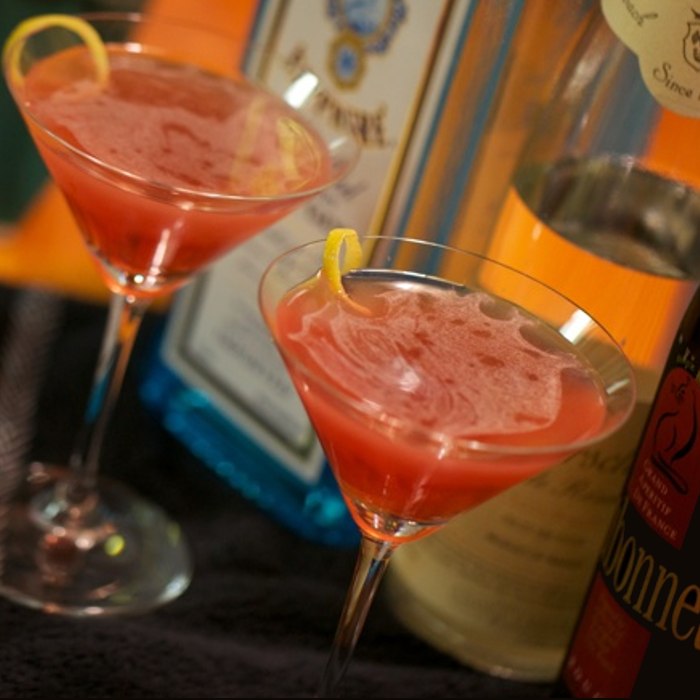
Blackthorn
The Blackthorn is a classic cocktail that combines the rich flavors of gin and sweet vermouth, enhanced by a splash of orange bitters. Often garnished with a twist of lemon or an orange peel, this drink offers a balanced blend of herbal and citrus notes, making it a sophisticated choice for any occasion. Its deep, alluring color and smooth finish make it a timeless favorite among cocktail enthusiasts.
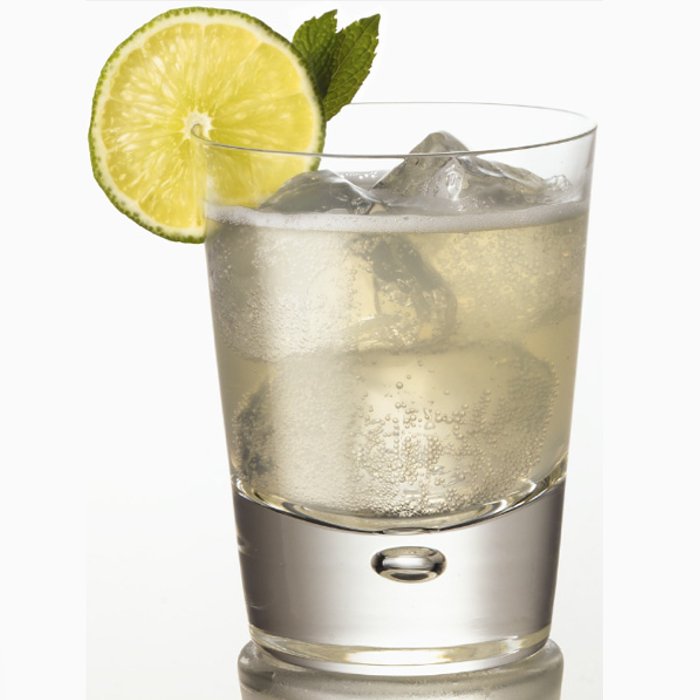
Rail Splitter
The Rail Splitter is a refreshing cocktail that combines the bold flavors of bourbon with the zesty notes of ginger beer and fresh lime juice. This invigorating drink is typically garnished with a lime wedge, making it a perfect choice for those seeking a spirited yet crisp beverage. Its harmonious blend of sweetness and spice captures the essence of classic American mixology.
The Philosopher
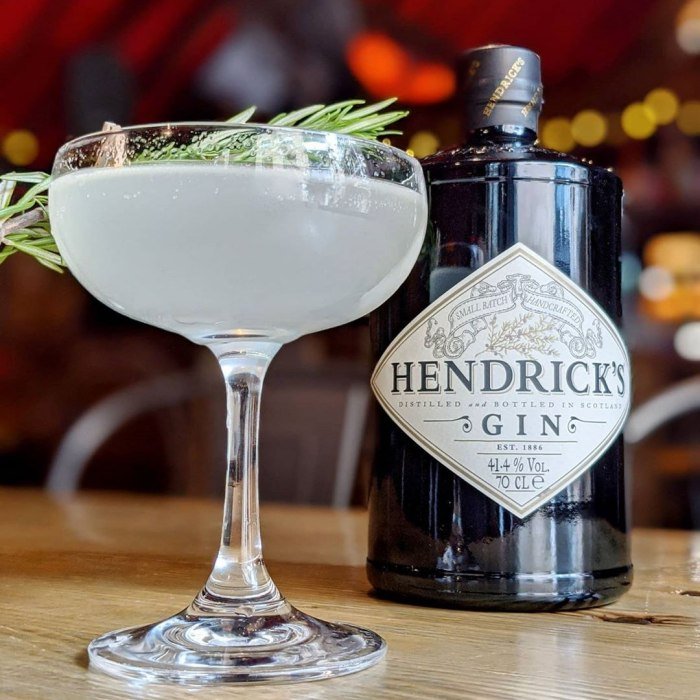
The Philosopher is a thought-provoking cocktail that blends the complexities of life in a glass, featuring a harmonious mix of gin, elderflower liqueur, fresh lemon juice, and a hint of herbal bitters. Garnished with a sprig of rosemary, this refreshing drink invites contemplation and conversation, making it the perfect companion for deep discussions or a quiet evening of introspection. Sip slowly and ponder the mysteries of existence with each delightful taste.
Ace
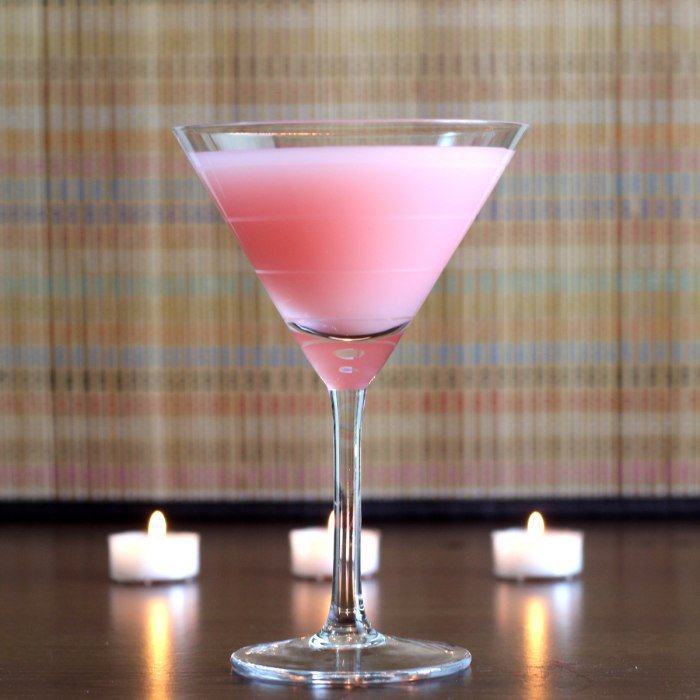
The Ace cocktail is a refreshing blend of gin, elderflower liqueur, and fresh lemon juice, creating a vibrant and zesty flavor profile. Garnished with a sprig of mint and a twist of lemon peel, it offers a delightful balance of sweetness and tartness, making it the perfect drink for any occasion. Enjoy it chilled to elevate your spirits!
Other brunch gatherings Cocktails
Yoghurt Cooler
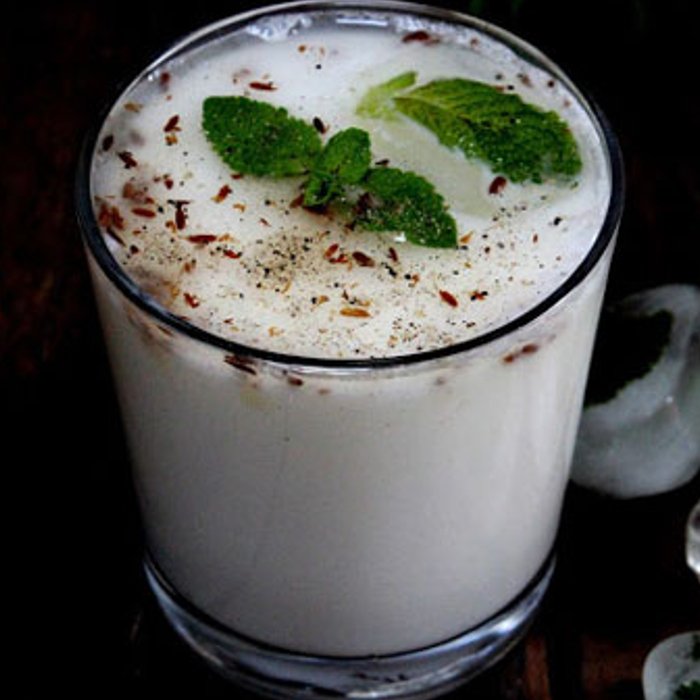
The Yoghurt Cooler is a refreshing cocktail that combines creamy yogurt with zesty citrus and a hint of sweetness, creating a delightful balance of flavors. Served over ice and garnished with fresh mint or fruit, this drink is perfect for warm days or as a unique addition to any gathering. Its smooth texture and vibrant taste make it a standout choice for those looking to indulge in something both light and satisfying.
Vodka Lemon
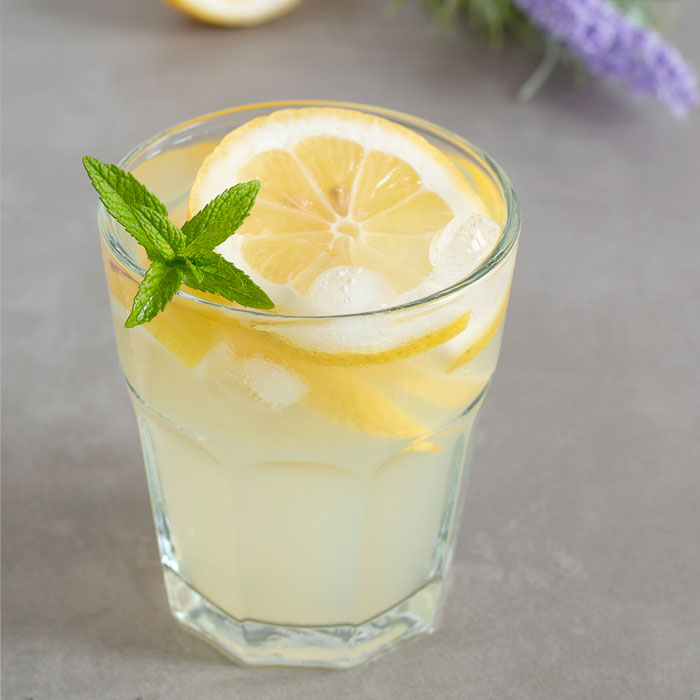
Vodka Lemon is a refreshing cocktail that combines smooth vodka with zesty lemon juice, creating a perfect balance of tartness and sweetness. Often served over ice, it can be garnished with a lemon slice or twist for an extra burst of citrus flavor. This simple yet invigorating drink is ideal for warm days or casual gatherings.
Ace
The Ace cocktail is a refreshing blend of gin, elderflower liqueur, and fresh lemon juice, creating a vibrant and zesty flavor profile. Garnished with a sprig of mint and a twist of lemon peel, it offers a delightful balance of sweetness and tartness, making it the perfect drink for any occasion. Enjoy it chilled to elevate your spirits!
Bumble Bee
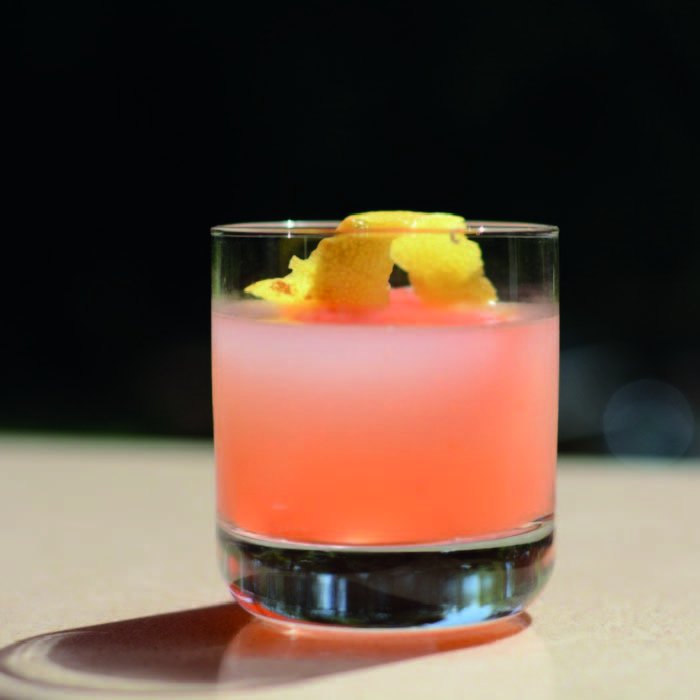
The Bumble Bee is a delightful cocktail that combines the sweetness of honey with the bright flavors of fresh citrus. Typically made with gin, lemon juice, and honey syrup, it offers a refreshing balance of tart and sweet, making it a perfect choice for warm evenings. Garnished with a lemon twist, this drink is as visually appealing as it is delicious.
Similar Flavor Profiles
Gin Fizz
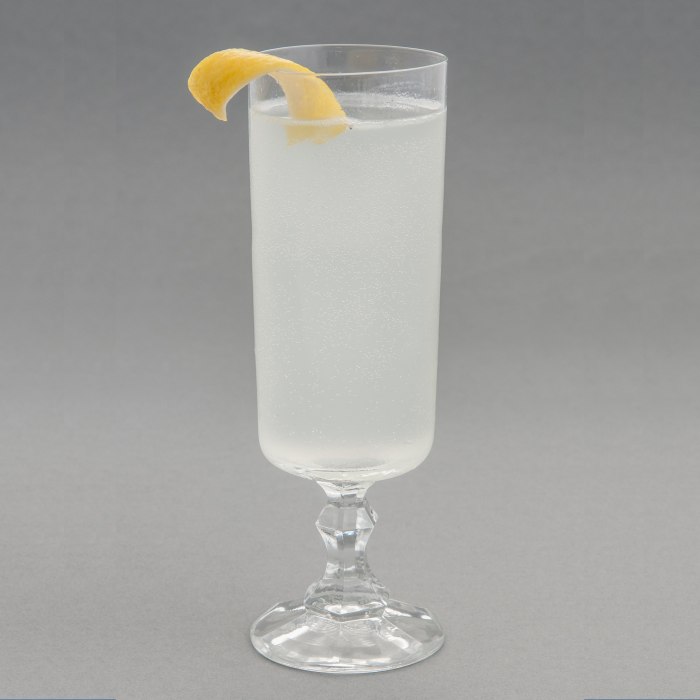
The Gin Fizz is a refreshing cocktail that combines gin, fresh lemon juice, sugar, and soda water, creating a light and effervescent drink. Served over ice, this classic concoction is known for its bright citrus flavor and bubbly texture, making it a perfect choice for warm weather or festive occasions. Garnished with a lemon slice or twist, the Gin Fizz is both invigorating and timeless.
Tom Collins
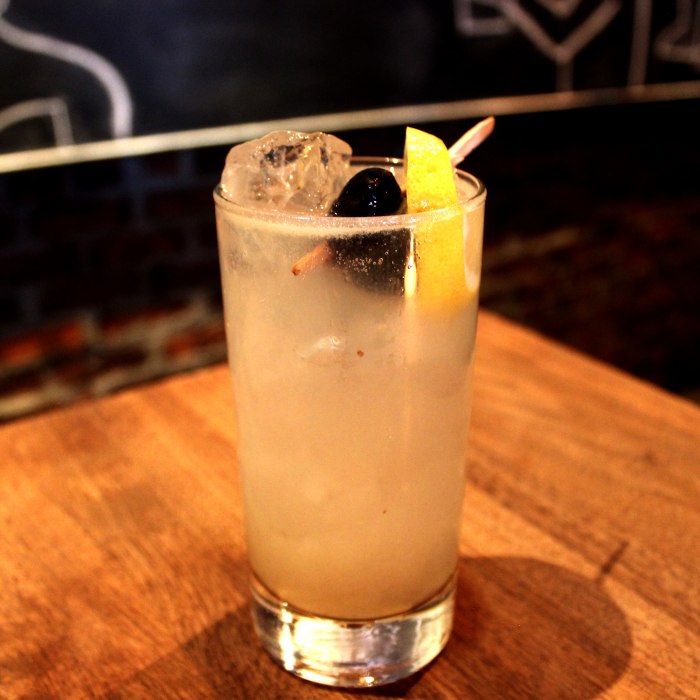
The Tom Collins is a classic cocktail that combines gin, fresh lemon juice, simple syrup, and soda water, served over ice in a tall glass. Garnished with a slice of lemon and a cherry, this refreshing drink is known for its crisp, citrusy flavor and effervescent finish, making it a perfect choice for warm weather or any festive occasion.
Gin Rickey
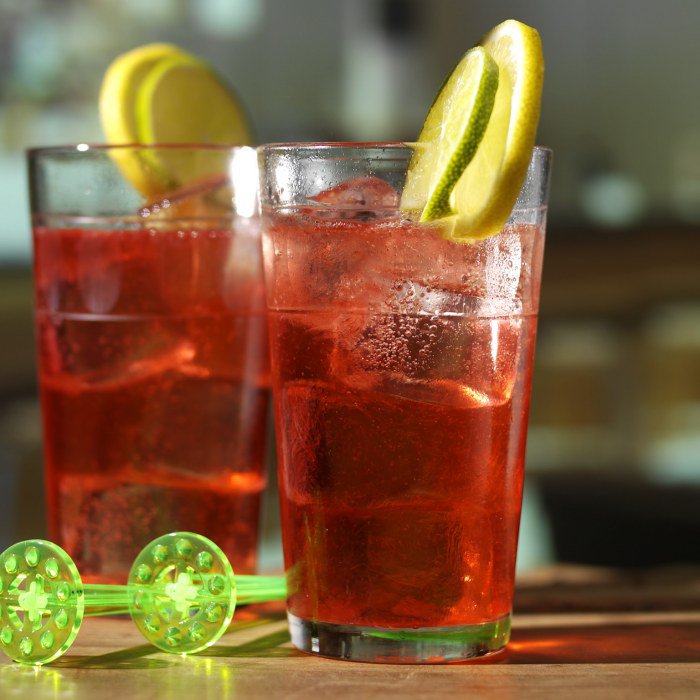
The Gin Rickey is a refreshing cocktail that combines gin, fresh lime juice, and soda water, served over ice in a highball glass. Its crisp and invigorating flavor makes it a perfect choice for warm weather, while the tartness of the lime balances the botanicals of the gin. This classic drink is a simple yet sophisticated option for any cocktail enthusiast.
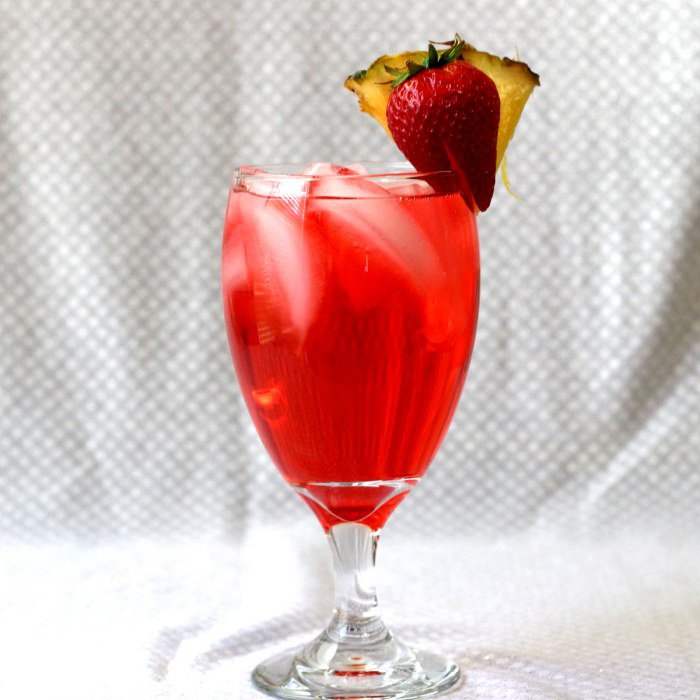
Gin Squirt
The Gin Squirt is a refreshing cocktail that combines the crispness of gin with the zesty brightness of citrus. Typically garnished with a slice of lemon or lime, this invigorating drink offers a delightful balance of herbal and tangy flavors, making it a perfect choice for warm weather or a casual gathering. Enjoy it over ice for a revitalizing sip!
Advertisement