Gin Cocktails Guide: 10 Essential Recipes

Master 10 essential gin cocktails from Martini to Bramble. Learn gin styles, selection tips, botanical pairings, and expert cocktail techniques.
Advertisement
Gin stands as cocktail culture's most versatile spirit, a botanical-infused canvas that transforms simple ingredients into extraordinary drinks. From the elegant simplicity of a perfectly chilled Martini to the complex interplay of a Negroni, gin cocktails have shaped drinking culture for centuries. This comprehensive guide explores the essential gin cocktails every enthusiast should master, the styles that define the spirit, and the principles that separate good gin drinks from unforgettable ones.
Key Takeaways
- Gin's botanical complexity makes it the most versatile cocktail spirit, capable of creating drinks ranging from crisp and refreshing to bold and herbaceous
- Understanding the four main gin styles (London Dry, Plymouth, Old Tom, New Western) helps you select the perfect base for any cocktail profile
- Classic gin cocktails like the Martini and Negroni showcase the spirit's ability to shine in both spirit-forward and balanced compositions
- Building a home gin collection starts with a quality London Dry, then expands to include botanical-diverse options for different cocktail applications
Understanding Gin Styles: The Foundation of Great Cocktails
Before diving into specific gin cocktails, understanding gin's primary styles helps you select the right bottle for each drink.
London Dry Gin remains the category standard, defined by its juniper-forward profile and crisp, clean finish. Despite the name, London Dry can be produced anywhere and represents the driest gin style. Brands like Tanqueray, Beefeater, and Bombay Sapphire exemplify this category, making them ideal for classic gin cocktails that demand clarity and botanical punch.
Plymouth Gin, historically produced only in Plymouth, England, offers a softer, slightly sweeter profile than London Dry. Its earthy character and full mouthfeel make it exceptional in stirred cocktails and those requiring a smoother gin presence.
Old Tom Gin bridges the gap between genever and modern gin, featuring subtle sweetness that recalls pre-Prohibition cocktail culture. This historical style has experienced a revival, bringing authenticity to classic recipes that originally called for sweeter gin profiles.
New Western (Contemporary) Gin represents modern innovation, where juniper shares the spotlight with other botanicals. Distillers like Hendrick's, with its cucumber and rose notes, or The Botanist, showcasing 22 Islay botanicals, create unique flavor profiles that inspire creative mixology while challenging traditional gin definitions.
10 Essential Gin Cocktails Every Enthusiast Should Master
1. Martini
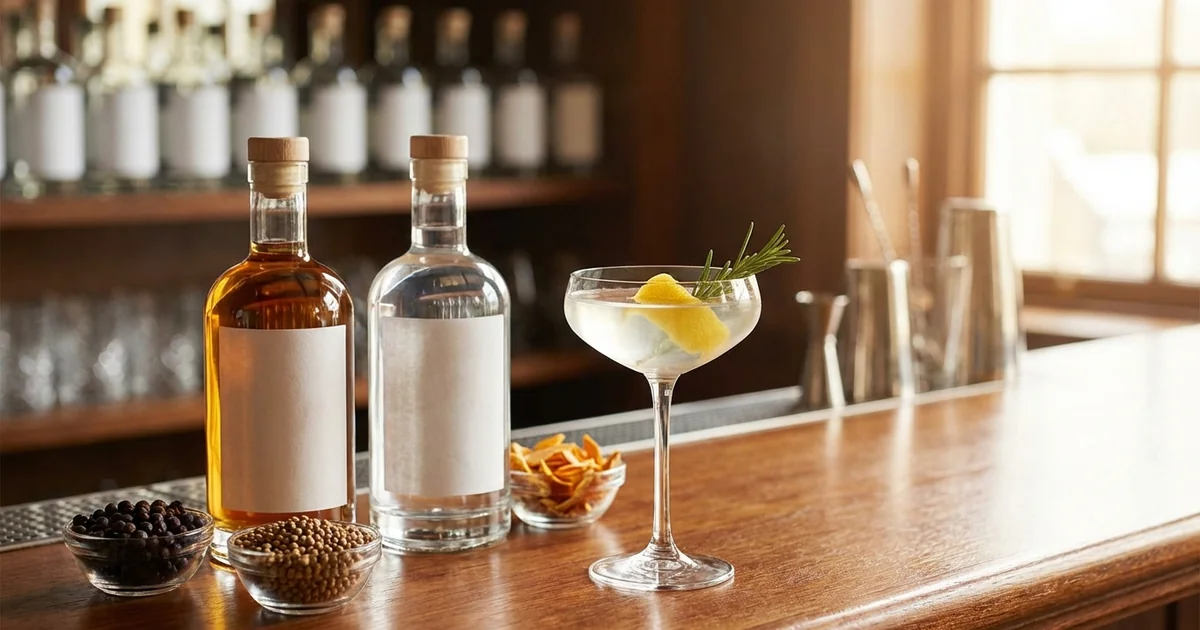
The ultimate gin cocktail, the Martini is simplicity perfected: gin and dry vermouth, stirred with ice, strained into a chilled coupe, and garnished with a lemon twist or olive. The ratio varies by preference, from equal parts to ultra-dry versions with barely a whisper of vermouth. This cocktail demands quality ingredients and proper technique—the difference between a good Martini and a transcendent one lies in the details.
Related: Explore more classic gin cocktails in our gin and tonic guide for additional techniques.
2. Negroni
Equal parts gin, Campari, and sweet vermouth create this Italian aperitivo icon. The Negroni's bitter-sweet complexity showcases gin's ability to hold its own alongside bold ingredients. Stirred over ice and served in a rocks glass with an orange peel, this drink has spawned countless variations while remaining timelessly perfect in its original form. Learn about innovative variations in our negroni variations guide.
3. Gin & Tonic
Perhaps the world's most popular gin cocktail, the G&T proves that simple done right beats complicated done poorly. Quality gin, premium tonic water, plenty of ice, and the right garnish (citrus for citrus-forward gins, cucumber for floral gins, juniper berries for traditional styles) transform this everyday drink into something special. Master the technique in our detailed gin and tonic guide.
4. Tom Collins
This refreshing tall drink combines gin, fresh lemon juice, simple syrup, and soda water. Served over ice in a Collins glass, it represents the perfect balance of sweet, sour, and effervescent. The Tom Collins is summer in a glass, endlessly drinkable and easily customizable with different gin styles or flavored syrups.
5. Gimlet
Gin and lime cordial (or fresh lime juice and simple syrup) shaken and strained into a coupe create this sleek, sophisticated cocktail. The Gimlet's sharp, citrus-forward profile makes it an ideal aperitif, while its minimal ingredient list puts the spotlight squarely on gin quality.
6. Bee's Knees
Born during Prohibition when honey masked inferior spirits, the Bee's Knees deserves modern appreciation with quality gin. Gin, fresh lemon juice, and honey syrup shaken until properly chilled create a silky, floral cocktail that highlights gin's botanical character while adding natural sweetness.
7. Last Word
Equal parts gin, green Chartreuse, maraschino liqueur, and fresh lime juice create this pre-Prohibition classic rediscovered in the early 2000s. The Last Word is complex, herbal, and perfectly balanced—a bartender's favorite that showcases how gin interacts beautifully with other botanical spirits.
8. Aviation
This pale violet cocktail combines gin, maraschino liqueur, fresh lemon juice, and creme de violette. The Aviation balances floral, tart, and subtly sweet elements, creating a drink that's both visually stunning and deliciously complex. Its delicate flavor profile requires a gin that won't overwhelm the other ingredients.
9. French 75
Gin, fresh lemon juice, simple syrup, and Champagne come together in this elegant cocktail that bridges aperitif and celebration. Traditionally served in a Champagne flute, the French 75 is effervescent, refreshing, and sophisticated—perfect for special occasions or when a regular cocktail simply won't do.
10. Bramble
This modern classic from legendary bartender Dick Bradsell features gin, fresh lemon juice, simple syrup, and a drizzle of creme de mure (blackberry liqueur) over crushed ice. The Bramble is visually striking as the dark liqueur bleeds through the ice, creating a drink that's as beautiful as it is delicious.
Selecting Gin for Specific Cocktail Types
Matching gin style to cocktail type elevates your gin cocktails from good to exceptional.
For spirit-forward cocktails like Martinis and Negronis, choose bold, juniper-forward London Dry gins that can stand up to minimal dilution and strong companion ingredients. These drinks showcase gin's character directly, so quality matters immensely.
For citrus-based cocktails such as Gimlets, Tom Collins, and French 75, look for gins with pronounced citrus botanicals. The gin's citrus notes amplify fresh juice, creating harmonious rather than competing flavors.
For herbal and floral cocktails like the Aviation and Bee's Knees, select gins with complementary botanical profiles. New Western gins with lavender, elderflower, or chamomile work beautifully in these delicate drinks.
For tall, refreshing drinks including the G&T and Bramble, versatility matters more than specificity. A well-balanced London Dry provides the classic profile most people expect, though experimental drinkers might enjoy contemporary gins with unique botanical signatures.
Botanical Pairing Principles
Understanding how gin's botanicals interact with other ingredients unlocks creative gin cocktail possibilities.
Juniper, gin's defining botanical, pairs excellently with citrus, herbal liqueurs, and bitter ingredients. Its piney, resinous character provides structure that supports complex cocktails.
Citrus botanicals (lemon peel, orange peel, grapefruit) naturally complement fresh citrus juices while adding aromatic depth. These gins shine in sours and fizzes.
Floral botanicals (lavender, rose, elderflower) pair beautifully with fruit liqueurs, honey, and Champagne. Exercise restraint—too much floral character can taste soapy or perfumed.
Spice botanicals (coriander, cardamom, black pepper) add complexity and work well with sweet vermouth, amaros, and rich syrups. These are your Negroni and Martinez gins.
Herbal botanicals (angelica, orris root, sage) provide earthy depth that grounds brighter ingredients. These versatile botanicals work across gin cocktail styles.
Building Your Gin Collection
Start with one excellent London Dry gin—your workhorse for classic gin cocktails. Tanqueray, Beefeater, or Sipsmith provide the juniper-forward profile that defines gin.
Add a New Western gin with distinctive character for creative drinks and G&Ts. Hendrick's, The Botanist, or Monkey 47 offer unique botanical profiles that inspire experimentation.
Consider an Old Tom gin if you're passionate about historical cocktails. Hayman's or Ransom Old Tom bring authenticity to Martinez, Tom Collins, and other pre-Prohibition recipes.
Explore navy strength gins (57% ABV or higher) for cocktails that need extra punch, especially those with significant dilution like G&Ts or tropical drinks. The higher proof ensures gin flavor survives ice and mixers.
FAQ: Gin Cocktails Guide
What makes gin different from vodka in gin cocktails?
Gin's botanical infusion, led by juniper berries, provides complex flavor that vodka lacks. While vodka aims for neutrality, gin adds aromatic depth, herbal character, and botanical nuance that transforms cocktails. This is why a Gin Martini tastes dramatically different from a Vodka Martini—the gin actively contributes flavor rather than simply providing alcohol content.
Should I shake or stir gin cocktails?
The classic rule applies: shake cocktails with citrus juice, cream, or egg whites; stir cocktails with only spirits and fortified wines. Shaking aerates and chills quickly while adding dilution and texture. Stirring maintains clarity and silky texture. Martinis and Negronis should be stirred; Gimlets and Tom Collins should be shaken.
How long does opened gin last?
Properly stored gin (sealed tightly, kept away from direct sunlight and heat) maintains quality for years after opening. Unlike wine or vermouth, gin's high alcohol content prevents spoilage. However, delicate botanical flavors may gradually fade over 2-3 years in an opened bottle, so use your special bottles within reasonable timeframes.
What's the best gin for a beginner's collection?
Start with a classic London Dry like Tanqueray or Beefeater. These versatile, juniper-forward gins work in virtually every classic cocktail recipe, provide the traditional gin flavor profile, and offer excellent quality at reasonable prices. Once you've mastered the classics, branch into contemporary styles to explore gin's creative diversity.
Can I substitute gin styles in cocktail recipes?
Yes, but expect different results. Substituting New Western gin in a classic Martini recipe creates a different drink than using London Dry. The cocktail won't be wrong, just different. Part of gin cocktail exploration is discovering how various gins transform classic recipes. Use recipes as starting points, then adjust based on your gin's specific character.
Mastering gin cocktails opens a world of botanical complexity and mixological creativity. Start with these essential gin cocktail recipes, understand how gin styles and botanicals interact with other ingredients, and don't be afraid to experiment. The best gin cocktail is the one you enjoy making and drinking, whether that's a perfect Martini or a creative modern interpretation. Cheers to your gin cocktail journey!
Tags:
Advertisement
About Elena
Classic Cocktails & Gin Expert at Hero Cocktails, passionate about crafting exceptional cocktails and sharing mixology expertise.
Advertisement