The History of the Martini: From Victorian Era to Modern Icon

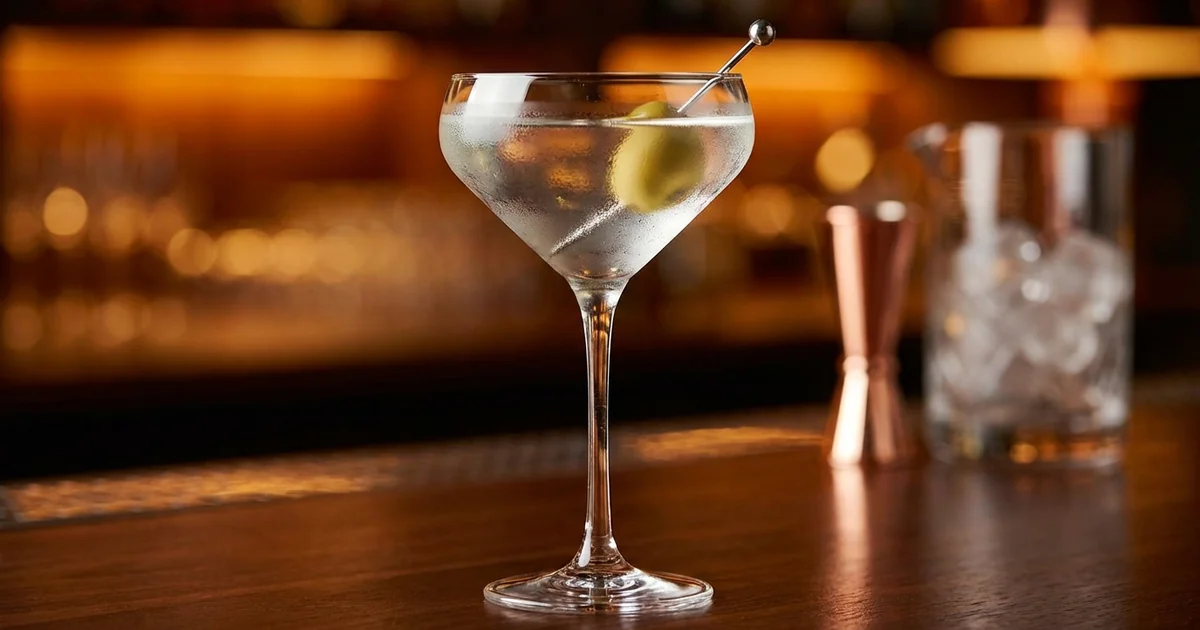
Discover the fascinating history of the Martini cocktail, from its mysterious origins in the 1800s to becoming the most iconic drink of the 20th century.
Advertisement
The Martini stands as the undisputed king of cocktails, a symbol of sophistication that has graced the hands of everyone from politicians to movie stars. But where did this legendary drink come from, and how did it become the cultural icon we know today?
Key Takeaways
- The Martini's exact origins remain disputed, with multiple cities claiming invention
- The drink evolved from sweet vermouth-heavy to the modern dry style
- James Bond popularized the "shaken not stirred" variation, though purists prefer stirred
- The classic ratio is 2:1 gin to vermouth, but preferences vary widely
The Mysterious Origins
The true origins of the Martini are shrouded in mystery, with several cities and bartenders claiming its invention. The most popular theories trace it back to the 1860s-1880s:
The Martinez Connection
One widely accepted theory suggests the Martini evolved from the Martinez, a cocktail created in Martinez, California, or at the Occidental Hotel in San Francisco. This early version was quite different from today's Martini:
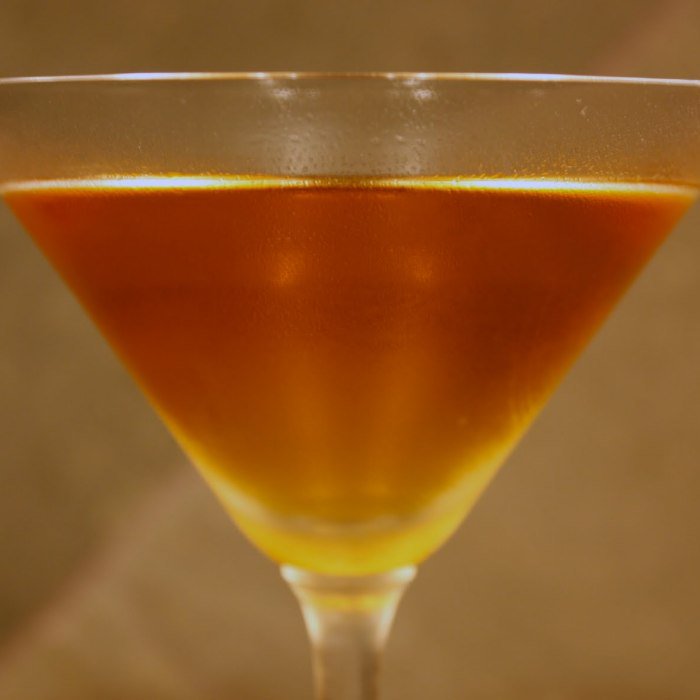
The Martinez was sweeter, using Old Tom gin and sweet vermouth, with added maraschino liqueur and orange bitters.
The New York Story
Another theory credits Martini di Arma di Taggia, a bartender at the Knickerbocker Hotel in New York City, who allegedly created the drink in 1911 for John D. Rockefeller. However, this timeline conflicts with earlier mentions of the drink.
Evolution Through the Decades
The Gilded Age (1880s-1900s)
Early Martinis bore little resemblance to the modern classic. They typically featured:
- Equal parts gin and sweet vermouth
- Orange bitters
- Garnishes of lemon peel or olives
- Old Tom gin (sweeter than modern London Dry)
The Dry Revolution (1900s-1920s)
As tastes evolved, bartenders began using less vermouth, creating what became known as the "Dry Martini." The shift to dry vermouth also occurred during this period.
The term "dry" in Martini has dual meaning - it refers to both the type of vermouth used and the reduced amount of vermouth in the cocktail.
Prohibition Era (1920-1933)
Prohibition nearly killed the Martini. Poor-quality bathtub gin and lack of proper vermouth led to inconsistent drinks. However, the cocktail survived in speakeasies and among those with access to smuggled spirits.
The Golden Age (1940s-1960s)
Post-Prohibition, the Martini experienced its golden age:
- World War II: GIs returning from Europe brought refined tastes
- 1950s: The three-Martini lunch became a business staple
- 1960s: James Bond popularized the "shaken, not stirred" vodka Martini
The Modern Martini
Today's classic Martini follows this general template:
Classic Dry Martini Recipe
Ingredients:
- 2.5 oz London Dry Gin
- 0.5 oz Dry Vermouth
- Lemon twist or olives for garnish
- Ice
Instructions:
- Chill a coupe or Martini glass
- Add gin and vermouth to a mixing glass with ice
- Stir for 30 seconds until well-chilled
- Strain into the chilled glass
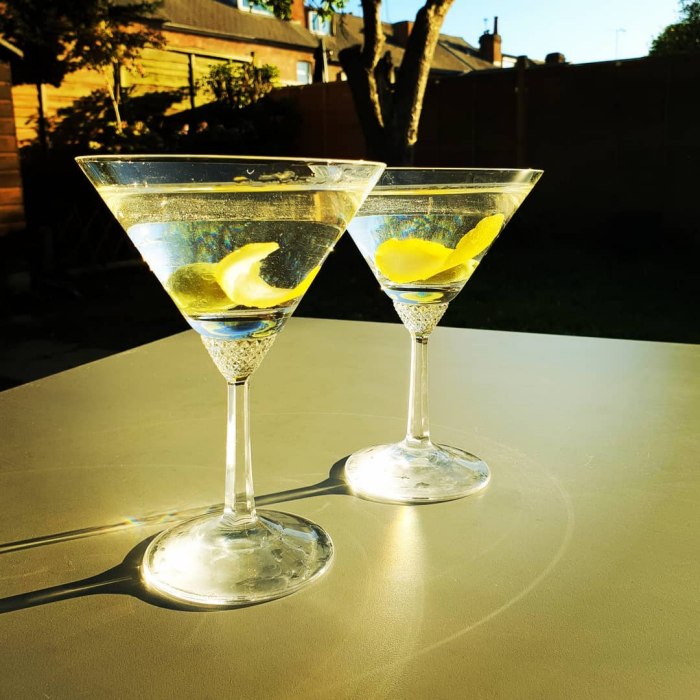
- Express lemon oils over the drink and garnish
The proper technique is to stir, not shake. Shaking can bruise the gin and create a cloudy drink, though Bond fans would disagree.
Variations Through History
The Martini has inspired countless variations:
Classic Variations
- Dry Martini: Less vermouth (up to 7:1 ratio)
- Wet Martini: More vermouth (2:1 or 3:1 ratio)
- Dirty Martini: Add olive brine
- Gibson: Cocktail onion garnish instead of olive
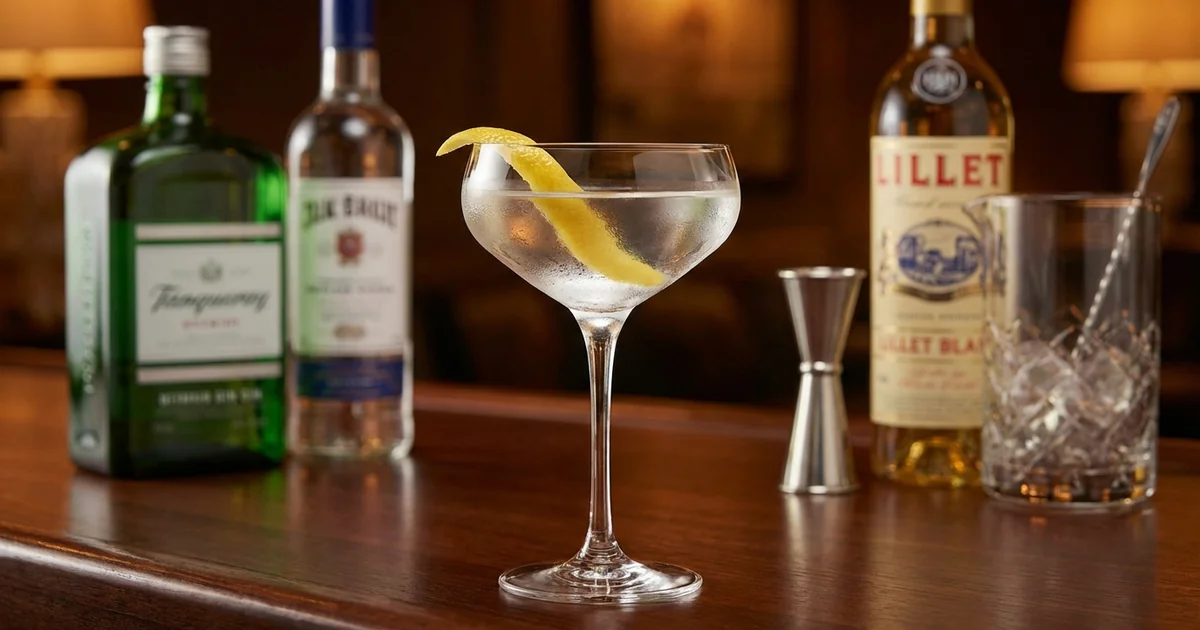
- Vesper: Bond's creation with gin, vodka, and Lillet Blanc
Modern Interpretations
Contemporary bartenders have created numerous riffs:
- Espresso Martini: Vodka, coffee liqueur, espresso
- Pornstar Martini: Vanilla vodka, passion fruit, prosecco
- Breakfast Martini: Gin, Cointreau, lemon, marmalade
Cultural Impact
The Martini transcended the bar to become a cultural phenomenon:
In Film and Literature
- The Thin Man series: Popularized sophisticated cocktail culture
- James Bond: Made the Martini synonymous with spy elegance
- Mad Men: Revived mid-century Martini culture
- The West Wing: Continued the tradition of power and Martinis
Power and Prestige
The Martini became associated with:
- Political power (Churchill, JFK)
- Literary giants (Hemingway, Parker)
- Hollywood glamour (Sinatra, Bogart)
- Wall Street success (the three-Martini lunch)
The Great Debates
Gin vs. Vodka
Traditionalists insist on gin, arguing vodka creates a different drink entirely. The vodka Martini gained popularity in the 1950s-60s when vodka entered the American market.
Shaken vs. Stirred
This debate rages on:
Stirred (Traditional):
- Smoother, silkier texture
- Crystal clear appearance
- Gentle dilution
- Preserves gin's botanicals
Shaken (Bond Method):
- Colder temperature
- Slight cloudiness
- More dilution
- Sharper, more aggressive flavor
Over-stirring or over-shaking can over-dilute the drink. Aim for 30 seconds of stirring or 10-15 seconds of shaking.
How to Make the Perfect Martini
The Essential Elements
- Quality Gin: London Dry style (Tanqueray, Beefeater, Bombay Sapphire)
- Fresh Vermouth: Vermouth oxidizes; use within a month of opening
- Proper Dilution: Ice quality matters; use large, dense ice cubes
- Correct Glassware: Chilled coupe or Martini glass
- Garnish: Fresh lemon twist or quality olives
The Perfect Ratio
While preferences vary, most experts recommend:
- Classic: 2:1 (gin to vermouth)
- Dry: 3:1 to 5:1
- Extra Dry: 7:1 or just a vermouth rinse
- Wet: 1:1 to 2:1
Temperature Matters
A Martini should be served ice-cold:
- Pre-chill your glass in the freezer
- Use plenty of ice when stirring
- Work quickly to avoid over-dilution
- Serve immediately
Frequently Asked Questions
The Modern Martini Renaissance
Today's cocktail renaissance has brought renewed respect for the classic Martini while encouraging creative variations. Craft distilleries produce small-batch gins with unique botanical profiles, and artisanal vermouths offer new flavor dimensions.
The Martini remains what it's always been: a canvas for the bartender's skill and the drinker's preferences. Whether you prefer it bone-dry with a twist, dirty with olives, or shaken like 007, the Martini continues to reign supreme.
The next time you order a Martini, remember you're not just ordering a drink - you're participating in over a century of cocktail history, joining the ranks of everyone from FDR to Frank Sinatra in appreciating the most iconic cocktail ever created.
Tags:
Advertisement
About Elena
Classic Cocktails & Gin Expert at Hero Cocktails, passionate about crafting exceptional cocktails and sharing mixology expertise.
Advertisement