How to Build a Home Bar: Beginner Guide
Build a home bar with our guide to essential spirits, bar tools, and glassware. Learn budget-friendly setup tips, basic techniques, and make 50+ cocktails at home.
Advertisement
Building a home bar has become one of the most popular home improvement trends, with approximately 7% of homeowners planning to add a bar area to their homes in 2025. Whether you're looking to recreate your favorite restaurant cocktails or explore mixology as a hobby, learning how to build a home bar is more accessible than you might think.
Key Takeaways
- [object Object]
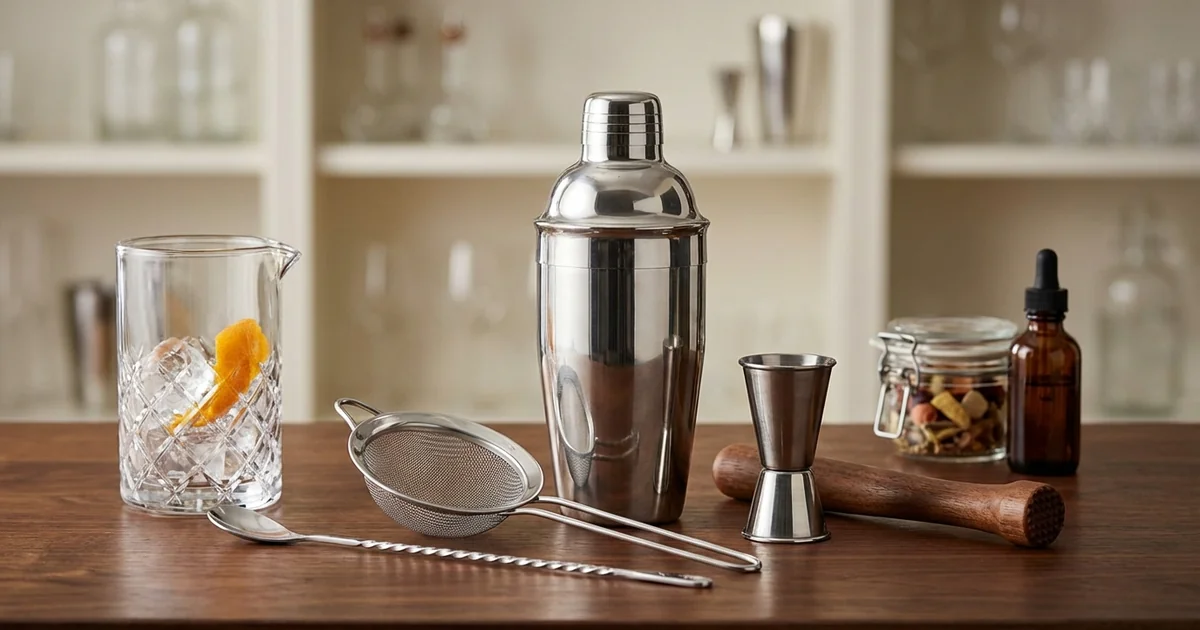
- Essential bar tools include a shaker, jigger, strainer, and muddler
- Budget tiers range from $100 starter setups to $500+ premium collections
- A well-stocked home bar can make 50+ classic cocktails
- Organization matters - choose between bar carts and cabinets based on your space
This comprehensive guide will walk you through everything you need to know about how to build a home bar, from selecting essential spirits and tools to organizing your setup on any budget. By the end, you'll have a clear roadmap to creating a functional, stylish home bar that lets you craft impressive cocktails for yourself and your guests.
Why Build a Home Bar?
Before diving into the specifics, let's consider why investing in a home bar makes sense. First, there's the financial aspect - a craft cocktail at a bar typically costs $12-18, while making the same drink at home costs $2-4. Over time, your home bar setup pays for itself.
Beyond savings, a home bar gives you complete creative control. You can experiment with recipes, adjust ingredients to your taste, and discover new favorites without the pressure of ordering at a busy bar. It's also perfect for entertaining, allowing you to be the host who serves professional-quality drinks.
Essential Spirits: The Core Six
The foundation of any great home bar starts with what bartenders call "the core six" spirits. These versatile bottles form the base of hundreds of classic cocktails and should be your first purchases when learning how to build a home bar.
Vodka
Vodka's neutral profile makes it the most versatile spirit in your arsenal. Look for mid-range options like Tito's, Svedka, or Absolut. You don't need top-shelf vodka for mixing - save premium bottles for drinking neat or on the rocks. With vodka, you can make Moscow Mules, Cosmopolitans, Vodka Martinis, and countless other classics.
Gin
Choose a London Dry style gin like Beefeater, Tanqueray, or Bombay Sapphire for your starter bar. These gins work beautifully in everything from Gin and Tonics to Negronis and Martinis. The juniper-forward flavor profile is what most classic gin cocktails were designed around.
Rum
For maximum versatility, start with a light rum (like Bacardi or Flor de Caña) which works in Mojitos, Daiquiris, and Cuba Libres. As you expand, add a dark rum (like Gosling's or Myers's) for richer cocktails like Dark and Stormys and Mai Tais.
Tequila
A quality blanco (silver) tequila is essential for Margaritas, Palomas, and Tequila Sunrises. Look for 100% agave tequilas like Espolòn, Olmeca Altos, or Milagro. These offer excellent quality without breaking the bank and mix beautifully in cocktails.
Whiskey
Your whiskey choice depends on personal preference, but bourbon is the most versatile for cocktails. Brands like Buffalo Trace, Maker's Mark, or Wild Turkey work well in Old Fashioneds, Whiskey Sours, and Manhattans. If you prefer rye, Rittenhouse or Bulleit Rye are excellent choices.
Triple Sec (Orange Liqueur)
This sweet orange liqueur is essential for Margaritas, Cosmopolitans, and Sidecars. Cointreau is the gold standard, but Combier or even basic triple sec works fine for beginners. This bottle will get surprisingly heavy use in your home bar.
With just these six bottles, you can already make over 30 classic cocktails. That's the beauty of the core six approach - maximum versatility with minimal investment.
Secondary Bottles: Expanding Your Options
Once you've mastered the core six, these secondary bottles will dramatically expand your cocktail repertoire:
Vermouth
Both sweet (red) and dry (white) vermouth are essential for classic cocktails. Sweet vermouth (Carpano Antica, Dolin Rouge) is crucial for Manhattans and Negronis, while dry vermouth (Dolin Dry, Noilly Prat) goes into Martinis. Remember, vermouth is wine-based and should be refrigerated after opening - it lasts about a month.
Campari
This bitter Italian aperitif is the key to Negronis, Boulevardiers, and countless other sophisticated cocktails. Its distinctive bitter-sweet flavor profile is unlike anything else in your bar.
Amaro
Italian amari (bitter liqueurs) like Fernet-Branca, Averna, or Montenegro add complexity to cocktails and are delicious served neat as digestifs. They're not essential for beginners but elevate your home bar to the next level.
Liqueurs
Build your liqueur collection based on your favorite cocktails. Coffee liqueur (Kahlúa) for White Russians and Espresso Martinis, Irish cream (Baileys) for indulgent drinks, and amaretto (Disaronno) for Amaretto Sours are popular starting points.
Bar Tools Essentials
The right tools make cocktail-making easier, faster, and more enjoyable. Check out our complete guide to essential bar tools for detailed recommendations, but here's what every home bar needs:
Cocktail Shaker
Choose between a Boston shaker (two-piece: mixing tin and smaller tin or glass) or a cobbler shaker (three-piece with built-in strainer). Boston shakers are more professional and versatile, while cobbler shakers are more beginner-friendly. Expect to spend $15-30 for a quality shaker.
Jigger
Accurate measurements are crucial for balanced cocktails. A double-sided jigger with 1 oz and 2 oz measurements (or 0.75 oz and 1.5 oz) is standard. Japanese-style jiggers with interior measurement marks offer more precision. Budget $10-20.
Strainer
If using a Boston shaker, you'll need a Hawthorne strainer (the one with the spring) for shaken drinks and a julep strainer for stirred drinks. A fine mesh strainer is also useful for double-straining cocktails to remove ice chips and pulp. Total investment: $15-25.
Bar Spoon
A long-handled bar spoon (typically 12 inches) is essential for stirring cocktails like Martinis and Manhattans. The twisted handle also helps with layering drinks. Quality bar spoons cost $8-15.
Muddler
For cocktails like Mojitos, Old Fashioneds, and Caipirinhas, a wooden or stainless steel muddler releases flavors from herbs, fruits, and sugar. A flat-bottomed muddler (not grooved) works best. Expect to pay $10-15.
Additional Tools
Round out your toolkit with a citrus juicer (fresh juice is non-negotiable), a channel knife or peeler for garnishes, a cutting board specifically for bar use, and a Lewis bag and mallet if you enjoy crushed ice cocktails.
Glassware Guide
The right glass enhances both presentation and drinking experience. Start with these four essential types:
Rocks Glass (Old Fashioned Glass)
These short, wide glasses (8-10 oz) are perfect for spirit-forward cocktails served over ice: Old Fashioneds, Negronis, and Whiskey on the rocks. Buy at least four to start.
Highball Glass
Tall, straight-sided glasses (10-12 oz) work for any cocktail with a higher proportion of mixer: Gin and Tonics, Moscow Mules, Mojitos, and Tom Collins. These are your most versatile glasses - get six to eight.
Coupe Glass
These elegant, shallow bowls on stems (5-7 oz) are perfect for shaken cocktails served "up" (without ice): Daiquiris, Sidecars, and Whiskey Sours. They're more stable than Martini glasses and easier to drink from. Start with four.
Martini Glass (V-Shaped Cocktail Glass)
While coupe glasses are more practical, traditional V-shaped Martini glasses (4-6 oz) have their place for classic Martinis and Manhattans. Two to four glasses are sufficient unless you entertain frequently.
As you expand, consider adding specialty glasses like Nick and Nora glasses (smaller, more elegant coupes), Collins glasses (taller than highballs), and tiki mugs for tropical drinks.
Budget Tiers: What to Buy at Every Price Point
Building a home bar doesn't require a massive upfront investment. Here's how to approach it at three budget levels:
$100 Starter Setup
At this entry level, focus on versatility:
- Spirits: Vodka ($20), light rum ($18), and either gin or tequila ($25)
- Tools: Basic cobbler shaker ($15), jigger ($10), bar spoon ($8)
- Glassware: Four rocks glasses, four highballs ($25 total)
- Extras: One bottle citrus juice if fresh isn't available ($4)
This minimal setup lets you make 15-20 cocktails, perfect for occasional home entertaining.
$300 Mid-Range Setup
This budget gets you a well-rounded home bar:
- Spirits: All core six spirits ($140-160)
- Liqueurs: Sweet vermouth, dry vermouth, triple sec ($40)
- Tools: Boston shaker set with strainers ($30), quality jigger ($15), bar spoon ($12), muddler ($12), citrus juicer ($15)
- Glassware: Complete set of all four essential glass types ($60)
- Extras: Bitters, simple syrup, cocktail picks ($16)
With this setup, you can make 50+ cocktails and handle most guest requests.
$500+ Premium Setup
For serious home bartenders:
- Spirits: Premium versions of core six plus aged rum and rye whiskey ($250-300)
- Liqueurs: Vermouths, Campari, coffee liqueur, amaretto, St-Germain ($100)
- Tools: Professional-grade tools, Lewis bag, channel knife, quality citrus press ($80)
- Glassware: Full collection including specialty glasses ($80)
- Extras: Multiple bitters, orgeat, grenadine, tonic syrup, premium garnishes ($60)
This level supports serious cocktail exploration and impressive entertaining.
Storage & Organization
How you store and organize your home bar affects both functionality and aesthetics. Two main approaches dominate:
Bar Carts
Bar carts offer mobility, visual appeal, and easy access. They're ideal for smaller spaces or renters who want flexibility. Look for carts with:
- Two or three tiers for bottles, tools, and glassware
- Sturdy construction (avoid wobbly models)
- Wheels with locks
- A tray top to contain spills
Style your cart with your most attractive bottles on top, tools and mixers on the middle shelf, and backup bottles or glassware below. Add a small plant or decorative element for visual interest.
Bar Cabinets
Cabinets provide more storage and a cleaner look when not in use. They're perfect if you have wall space or a dedicated room. Consider:
- Built-in or freestanding options based on commitment level
- Interior lighting to highlight bottles
- Drawer space for tools and accessories
- Glass rack if including stemware storage
For either option, organize bottles by spirit type, keep frequently used items at the front, and store vermouth and other perishables in the refrigerator after opening.
Your First 10 Cocktails
With a basic home bar setup, you can immediately start making these crowd-pleasing cocktails:
- Margarita - Tequila, triple sec, lime juice
- Moscow Mule - Vodka, ginger beer, lime juice
- Gin and Tonic - Gin, tonic water, lime
- Mojito - Rum, lime, mint, simple syrup, soda water
- Old Fashioned - Whiskey, sugar, bitters, orange peel
- Daiquiri - Rum, lime juice, simple syrup
- Whiskey Sour - Whiskey, lemon juice, simple syrup
- Cosmopolitan - Vodka, triple sec, cranberry, lime juice
- Tom Collins - Gin, lemon juice, simple syrup, soda water
- Cuba Libre - Rum, cola, lime juice
Master these ten drinks, and you'll understand the fundamental techniques that apply to hundreds of other cocktails. Each one teaches important skills: shaking, stirring, muddling, and building drinks directly in the glass. If you're just starting out, our article on cocktail techniques for beginners covers the fundamentals you need to master.
Bourbon and Whiskey Cocktails for Beginners
Once you've mastered the basics, explore bourbon cocktails. We have a comprehensive guide on bourbon cocktails for beginners that shows you how to make the most of your whiskey collection.
Tips for Long-Term Success
Building a home bar is just the beginning. Here's how to maintain and grow your setup:
Buy based on what you drink. Don't stock bottles you won't use. If you love Negronis, invest in quality Campari and sweet vermouth. If tiki drinks are your passion, prioritize rum varieties.
Rotate your stock. Spirits don't spoil, but they taste best within a few years of opening. Use older bottles first and date bottles when opened.
Invest in fresh ingredients. Premium spirits can't compensate for bottled lime juice or flat tonic water. Fresh citrus, quality mixers, and proper ice make the difference between good and great cocktails.
Learn the classics first. Master fundamental cocktails before experimenting with elaborate recipes. Understanding why a Daiquiri works helps you create your own balanced drinks.
Keep a cocktail journal. Note what you make, recipe variations, and what worked or didn't. This creates your personal cocktail reference over time.
Common Mistakes to Avoid
New home bartenders often stumble in predictable ways. Avoid these pitfalls:
Don't skip measuring. Eyeballing ingredients leads to unbalanced drinks. Use your jigger every time until you develop precise pours.
Don't over-buy initially. Start with essentials and expand based on actual use. That dusty bottle of cinnamon schnapps from 2019 could have been a nice bottle of bourbon.
Don't forget ice. Quality ice matters. Large format ice, clear ice, or properly crushed ice elevates your cocktails. Consider investing in better ice molds.
Don't ignore dilution. Shaking and stirring aren't just for mixing - they add essential water that balances cocktails. Under-diluted drinks taste harsh; over-diluted drinks taste weak.
Frequently Asked Questions
Conclusion
Building a home bar is an investment in countless enjoyable evenings, impressive hosting moments, and the satisfaction of mastering a valuable skill. Whether you start with a modest $100 setup or dive in with a premium collection, the key is beginning with quality essentials and expanding based on what you actually enjoy drinking.
Remember, the best home bar isn't necessarily the most extensive or expensive - it's the one you use regularly and enjoy maintaining. Start with the core six spirits, invest in proper tools, learn the fundamental cocktails, and let your collection grow organically based on your tastes and interests.
With the knowledge from this guide, you're ready to set up your home bar and start crafting professional-quality cocktails. Your friends will be impressed, your wallet will thank you, and you'll have developed a rewarding hobby that brings joy for years to come. Cheers to your new home bar journey!
Tags:
Advertisement
About Leo
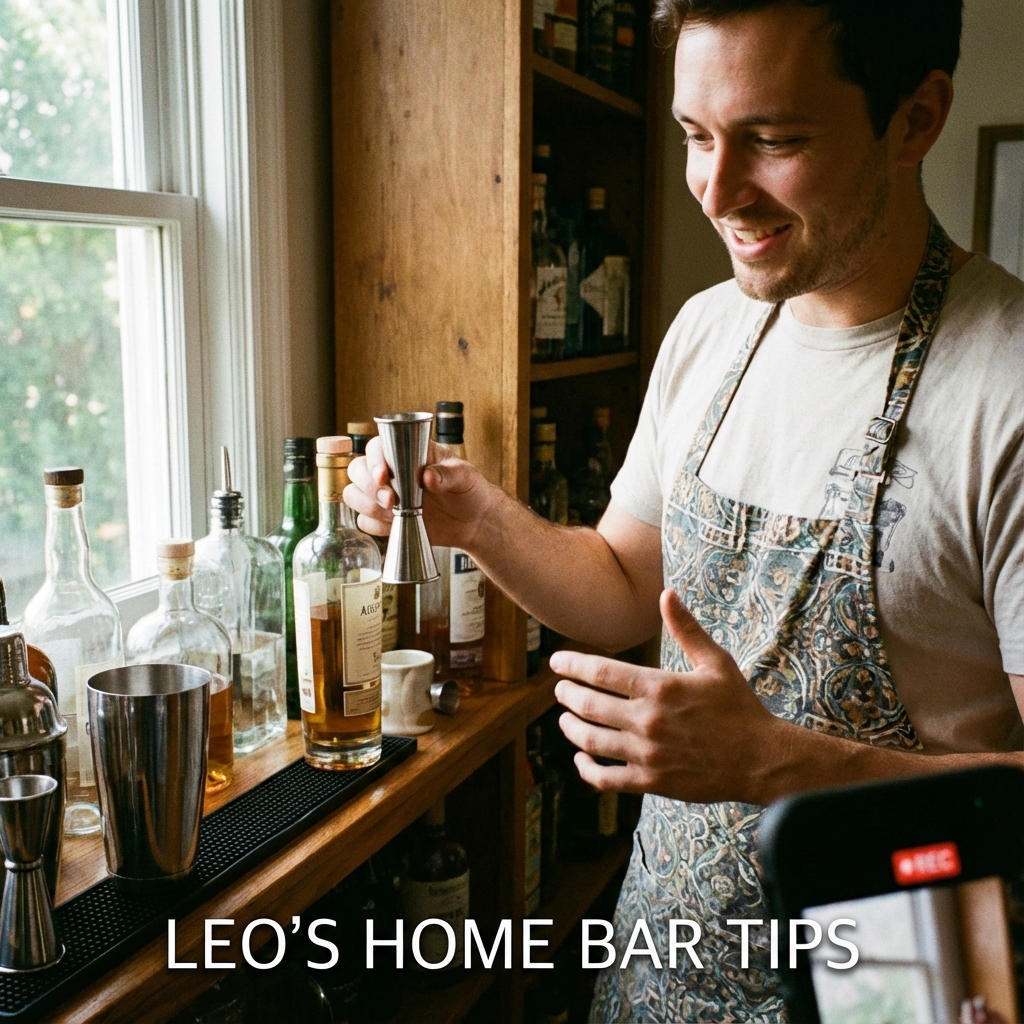
Home Bar Specialist at Hero Cocktails, passionate about crafting exceptional cocktails and sharing mixology expertise.
Advertisement