
Vintage Cocktail
Sherry Cobbler (1862)
The most popular drink in mid-19th-century America according to contemporary accounts. Jerry Thomas's 1862 Sherry Cobbler is sherry, sugar, and orange slices churned with crushed ice in a large tumbler, served with a straw. It is historically responsible for popularising both the drinking straw and the widespread use of ice in American bars.
- nutty
- orange
- refreshing
- slightly sweet
- low-alcohol
- wine-forward
- fruity

- Prep Time
- 5 min
- Glass
- large tumbler
- Difficulty
- Easy
- ABV
- 8%
- Yields
- 1 serving
The Sherry Cobbler (1862) is a vintage cocktail, celebrated for its nutty and orange character — a consistently top-searched sherry cobbler. Whether you're after a reliable summer option or simply want to master a classic, this 5-minute recipe is straightforward enough for home bars yet refined enough to impress. Perfect if you've been searching for the best cobbler cocktail.
Key Takeaways
What you’ll learn
- Thomas called the Sherry Cobbler "the most popular beverage in the country" in 1862 — and contemporary accounts from Dickens onward confirm this was accurate.
- The Cobbler was historically responsible for popularizing two bar technologies: the drinking straw (initially rye grass stalks) and widespread commercial ice distribution.
- Frederic Tudor's Northeastern ice harvesting industry, begun in the 1810s, made the Cobbler possible — crushed ice at scale was not available before the 1830s.
- Lower ABV than other period cocktails made it accessible to "ladies as well as gentlemen" — Thomas's own marketing observation in the 1862 text.
- Amontillado or dry Oloroso sherry is correct; Fino is too delicate over crushed ice, and cream sherry makes the drink cloying.
Advertisement
Ingredients
- Serves
- 1 serving
- Glass
- large tumbler
- Prep
- 5 min
- 2–3 slicesFresh orange
- 1 tbspSugar
- 1.5 wineglasses (approx. 2 oz)Dry sherry (Amontillado or dry Oloroso)
- to fillCrushed ice
- as garnishSeasonal fruit (for garnish)
- as garnishFresh mint sprigs (for garnish)
Method
Preparation
- 01
Place 2–3 slices of fresh orange in the bottom of a large tumbler. Add 1 tablespoon of sugar and press the orange slices firmly to extract their juice. Fill the tumbler 2/3 with crushed ice. Add 1.5 wineglasses (approximately 2 oz) of sherry (Amontillado or dry Oloroso). Fill remaining space with more crushed ice. Stir gently to combine. Garnish with a seasonal fruit and a few sprigs of mint. Serve with a straw. Thomas wrote of the Sherry Cobbler: "This delicious potation is the most popular beverage in the country, with ladies as well as gentlemen."
Origin
History & Origins
The Sherry Cobbler is the cocktail that changed everything, and it almost never appears on modern bar menus. Jerry Thomas placed it first in the opening chapter of his 1862 guide, before the Juleps, the Smashes, the Punches, and the spirit cocktails — not alphabetically, but by prominence. The Sherry Cobbler was the most famous drink in America.
Charles Dickens, visiting the United States in 1842, wrote about the Sherry Cobbler with the enthusiasm of a travel writer discovering something genuinely new. His description in "American Notes" (1842) introduced the drink to British readers and cemented its reputation internationally. What transfixed Dickens — and thousands of American drinkers before and after him — was the cold. In an era before mechanical refrigeration, crushed ice in a glass on a summer afternoon was a genuine luxury and a minor technological miracle.
The ice came from Frederic Tudor of Boston, who had spent the early 19th century building the infrastructure to harvest, ship, and sell New England pond ice across the American continent and eventually to India and the Caribbean. By 1842, Tudor's network had made commercial ice available in every major American city, and the Sherry Cobbler was the drink of the moment — a direct beneficiary of the ice trade. David Wondrich, in "Imbibe!" (2007), argues that the Cobbler's popularity drove the ice trade as much as the ice trade enabled the Cobbler.
The ice came from Frederic Tudor of Boston, who had spent the early 19th century building the infrastructure to harvest, ship, and sell New England pond ice across the American continent and eventually to India and the Caribbean.
The drinking straw owes its existence to the Cobbler as well. The crushed ice format meant the drink was difficult to sip directly from the glass; thin hollow reeds of rye grass were used as straws in the 1830s–1840s, eventually standardized into glass tubes. The rye straw gave way to glass, then paper, then plastic — one of the more remarkable industrial lineages in food history, beginning with Jerry Thomas's favourite drink.
The Cobbler declined after Prohibition. Sherry fell out of fashion in American bar culture, ice became mundane, and the drink's low ABV made it an afterthought in the high-proof post-Prohibition landscape. It has never fully recovered its historical dominance, though craft cocktail programs occasionally revive it as a summer special.
Advertisement
Bartender’s Insight
Pro Tips
Sherry choice matters significantly. Amontillado is the most versatile — its nuttiness and light oxidative character suit the orange and ice perfectly. Fino is too delicate; Oloroso is excellent but richer. Avoid cream sherry entirely.
From Arthur
Muddle the orange slices with purpose. Thomas's method — press the fruit firmly to express juice and oil before adding spirit — creates a fresh citrus base that bottled orange juice cannot replicate.
Serve immediately. Crushed ice dilutes faster than large-format ice; the Cobbler has a window of roughly 5–7 minutes before it becomes watery.
Period straws were made from actual rye grass — long, straight, and hollow. A metal or bamboo straw is closest in character; paper straws disintegrate too quickly in a crushed-ice drink.
Seasonal fruit garnish was always abundant with Thomas. Slices of peach, pineapple, and berries in season were the standard. This is not decoration — the garnish is eaten between sips.
At the Table
Perfect Pairings
Beyond the Classic
Variations
Champagne Cobbler
Thomas listed this in the same chapter: substitute dry champagne or sparkling wine for the sherry. Build identically over crushed ice with muddled orange and sugar. The effervescence adds vivacity; reduce the sugar slightly.
Claret Cobbler
Red wine (Bordeaux or Côtes du Rhône) in place of sherry. Thomas listed a Claret Cobbler as well. The red wine version is darker, less sweet, and drier — more suited to aperitif than afternoon service.
Whiskey Cobbler
A spirit-forward version substituting rye whiskey for the sherry. Not in Thomas's original chapter but consistent with his Cobbler architecture. Use a lower-proof rye (95 proof or under) to keep the balance approachable.
Questions
Frequently Asked
- The Sherry Cobbler (1862) has a flavor profile that is nutty, orange, refreshing, slightly sweet. It is crafted to balance these characteristics into a harmonious, satisfying drink that appeals to a wide range of palates.
- The Sherry Cobbler (1862) is ideal for summer, afternoon, brunch, low-ABV, historical, garden party. Its flavor profile and presentation make it a versatile choice that works equally well as a social cocktail or a relaxed evening drink.
- Yes, there are several ways to adapt a Sherry Cobbler (1862). If you cannot source Fresh orange, look for a similar alternative that matches its flavor profile. Keep in mind that substitutions may alter the balance of the cocktail, so start with a smaller quantity and adjust to taste. The variations section above lists popular alternatives bartenders use.
- Some of the most popular Sherry Cobbler (1862) variations include Champagne Cobbler, Claret Cobbler, Whiskey Cobbler. Each variation puts a unique twist on the original recipe while retaining the essential character of the classic cocktail.
- The Sherry Cobbler (1862) is traditionally served in a large tumbler. Using the right glassware is important because it affects the aroma, temperature retention, and overall drinking experience. If you do not have a large tumbler on hand, a similar shaped glass will work.
- Yes, a mocktail version of the Sherry Cobbler (1862) is possible. Replace the base spirit with a non-alcoholic spirit alternative (there are many quality options available) and keep all other components the same. The result will capture much of the original's flavor profile while being suitable for guests who prefer alcohol-free options.
Other summer Cocktails
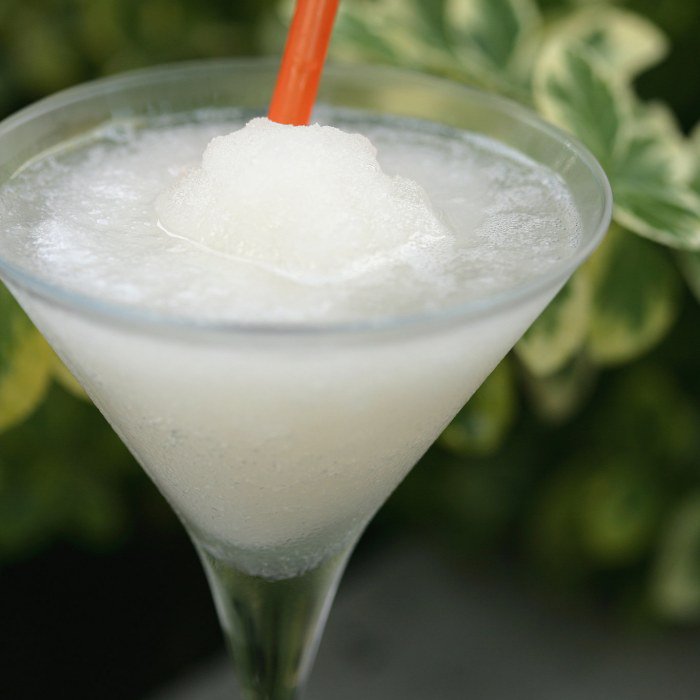
Frozen Daiquiri
The Frozen Daiquiri is a refreshing and vibrant cocktail that blends rum, fresh lime juice, and simple syrup with crushed ice, creating a slushy texture perfect for warm weather. Often garnished with a lime wheel or cherry, this tropical drink offers a delightful balance of sweetness and tartness, making it a popular choice for beachside sipping or summer gatherings. Enjoy its icy allure as you unwind and savor the flavors of the tropics!
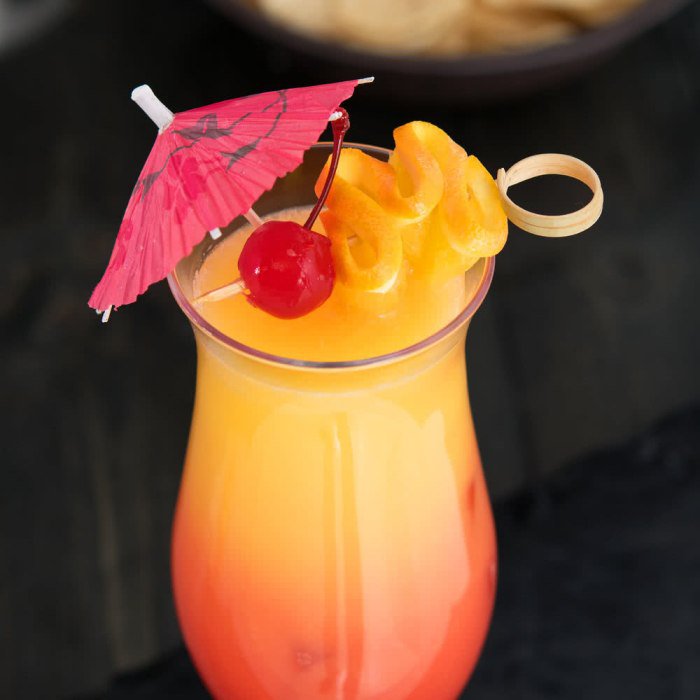
Orange Push-up
The Orange Push-up is a refreshing and nostalgic cocktail that captures the essence of a classic frozen treat. This vibrant drink blends citrusy orange flavors with a creamy texture, reminiscent of the beloved ice cream popsicle. Perfect for warm days, it offers a delightful balance of sweetness and tang, making it a fun and flavorful choice for any gathering.
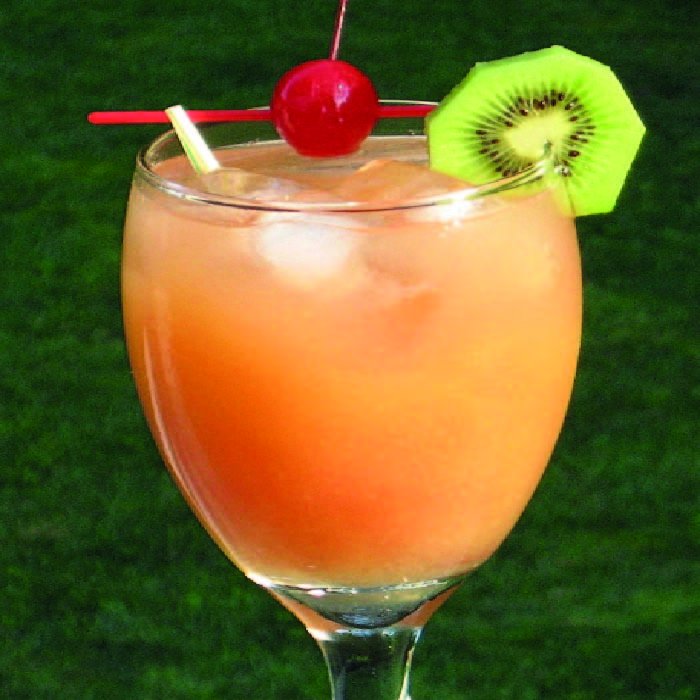
A Gilligan's Island
A Gilligan's Island is a tropical cocktail that transports you to a sun-soaked paradise with every sip. This refreshing blend typically features rum, coconut cream, pineapple juice, and a splash of grenadine, garnished with a cherry and a slice of pineapple. Perfect for a beach getaway or a backyard gathering, it captures the essence of carefree island living.
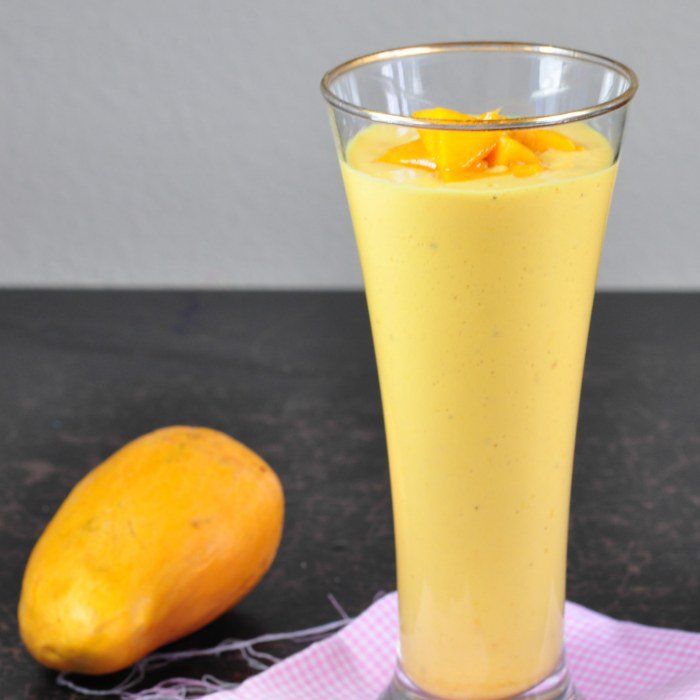
Lassi - Mango
The Mango Lassi is a refreshing and creamy Indian beverage that combines ripe mangoes, yogurt, milk, and a hint of cardamom for a delightful flavor explosion. This vibrant cocktail is perfect for warm days, offering a perfect balance of sweetness and tanginess, making it a favorite among both cocktail enthusiasts and those seeking a taste of exotic indulgence. Enjoy it chilled for a truly refreshing experience!
Similar Flavor Profiles
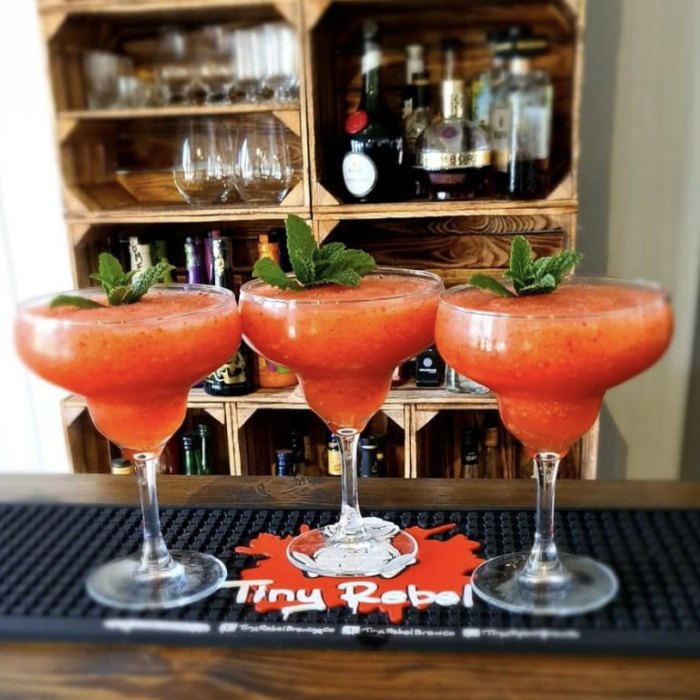
Frosé
Frosé, short for frozen rosé, is a refreshing and vibrant cocktail that blends chilled rosé wine with fresh fruit and a touch of sweetness, typically in the form of simple syrup. Served slushy and icy, it’s the perfect summer drink, offering a delightful balance of fruity flavors and a hint of tartness. Garnished with berries or citrus, Frosé is both visually appealing and utterly refreshing.
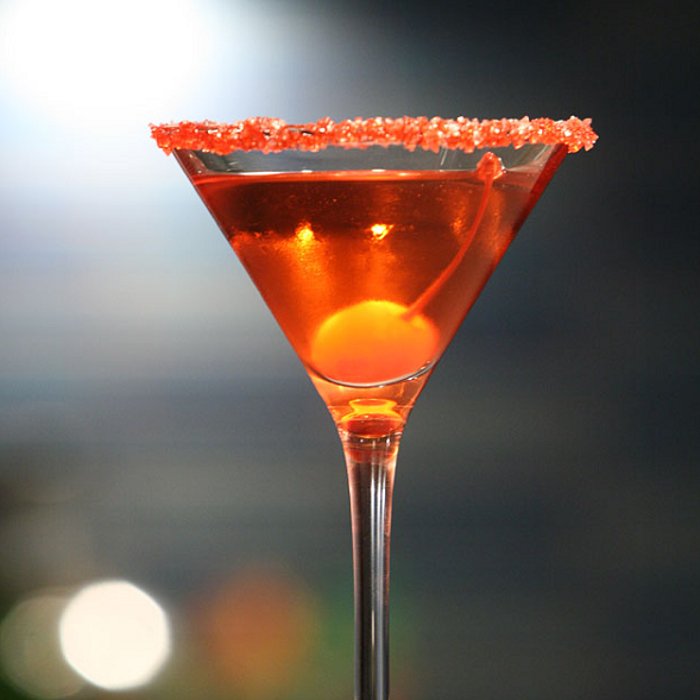
English Rose Cocktail
The English Rose Cocktail is a delightful blend of gin, elderflower liqueur, and fresh lemon juice, creating a refreshing and floral drink that's perfect for any occasion. Garnished with a twist of cucumber and a sprig of mint, this cocktail captures the essence of a blooming English garden in every sip. Its light and elegant flavor profile makes it a favorite for spring and summer gatherings.
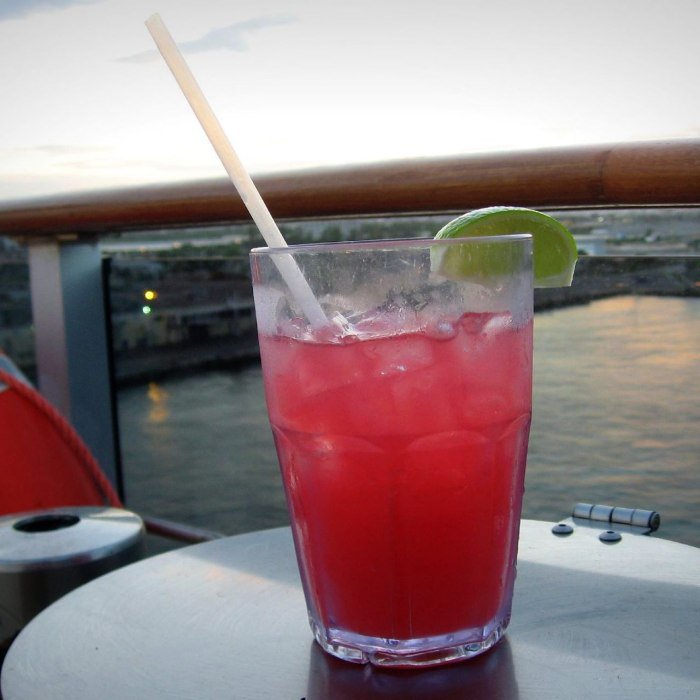
Sea breeze
The Sea Breeze is a refreshing cocktail that combines vodka, cranberry juice, and grapefruit juice, creating a perfect balance of sweet and tart flavors. Served over ice and garnished with a lime wedge, this vibrant drink is ideal for warm weather and beachside relaxation. Its light and invigorating profile makes it a popular choice for those seeking a crisp and fruity escape.
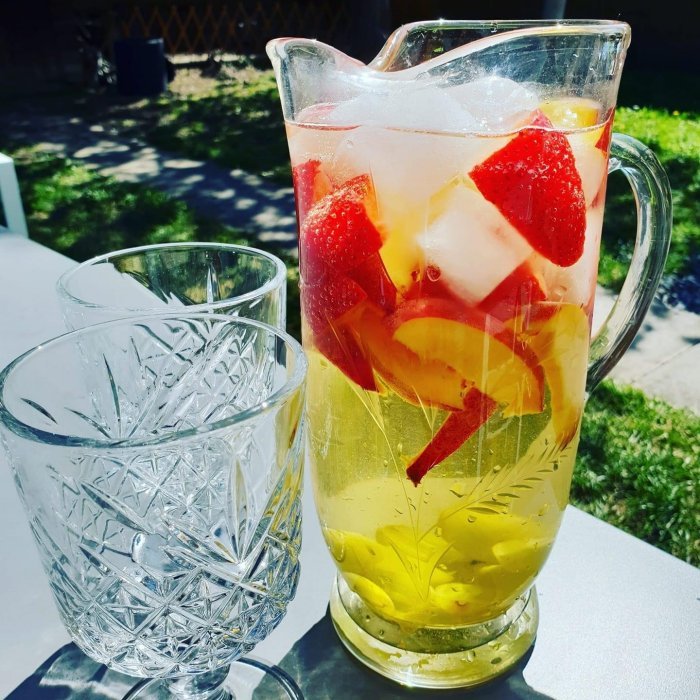
White Wine Sangria
White Wine Sangria is a refreshing and vibrant cocktail that combines crisp white wine with a medley of fresh fruits, such as citrus, berries, and apples. Often enhanced with a splash of soda or fruit juice, this delightful drink is perfect for warm weather gatherings, offering a light and fruity flavor profile that is both invigorating and easy to sip. Serve it over ice for a refreshing twist on a classic favorite.
Advertisement