Punch / Party Drink
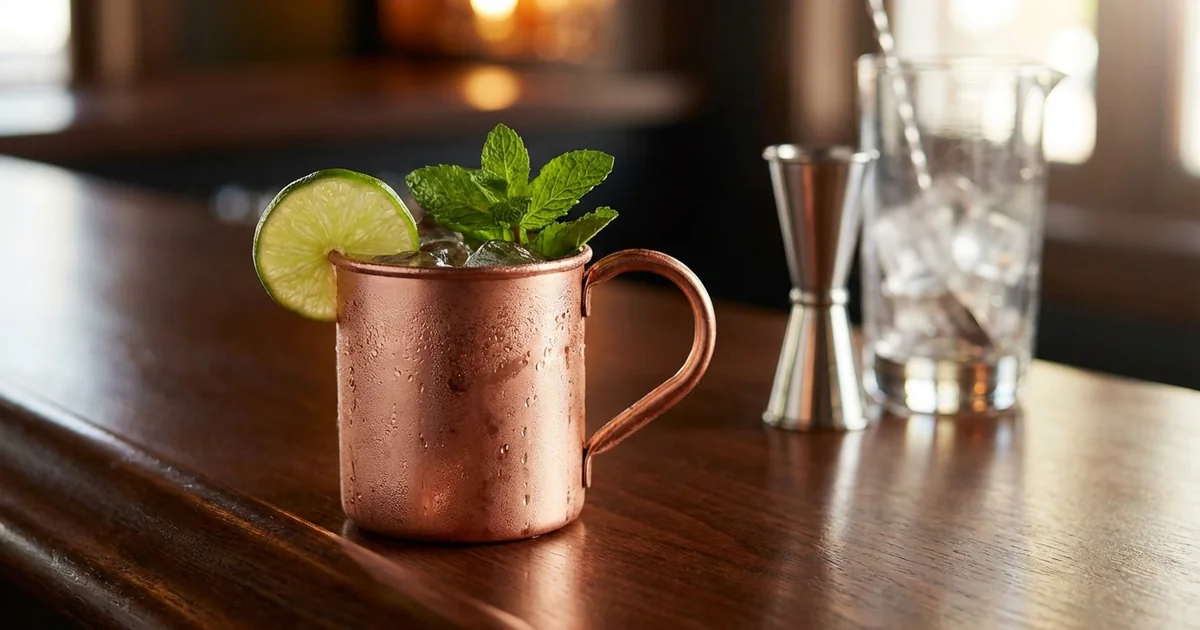
Moscow Mule
El Moscow Mule es un cóctel refrescante que combina vodka, jugo de lima fresco y cerveza de jengibre, servido tradicionalmente en una taza de cobre. Su sabor equilibrado y picante lo convierte en una opción popular para disfrutar en cualquier ocasión. Ideal para los amantes de las bebidas cítricas y especiadas.
- picante
- cítrico
- refrescante
- especiado

- Prep Time
- 2 min
- Glass
- Copper Mug
- Difficulty
- Easy
- ABV
- 9%
- Yields
- 1 serving
Pocos cócteles ofrecen ese sabor picante and cítrico como el Moscow Mule. Con vodka como base, está listo en unos 2 minutos. Una de las recetas más buscadas: "fiesta".
Key Takeaways
What you’ll learn
- The Moscow Mule was born from a 1941 marketing collaboration between a vodka importer, a ginger beer brewer, and a copper mug manufacturer — one of cocktail history's greatest marketing stories.
- Use quality ginger beer (not ginger ale) for authentic spicy kick; ginger beer is fundamentally different from ginger ale and cannot be substituted.
- The copper mug is not merely decorative — copper's thermal conductivity keeps drinks ice-cold longer and creates the signature frosted exterior.
- Build directly in the mug over ice with fresh lime juice; never shake or pre-mix.
Advertisement
Ingredients
- Serves
- 1 serving
- Glass
- Copper Mug
- Prep
- 2 min
- 2 ozVodka
- 2 ozLime juice
- 8 ozGinger ale
Method
Preparation
- 01
Combina vodka y cerveza de jengibre en un vaso highball lleno de hielo. Agrega jugo de lima. Revuelve suavemente. Decora.
Origin
History & Origins
In 1941, three businessmen found themselves with complementary inventory problems: John G. Martin had purchased the rights to Smirnoff vodka but couldn't sell it to Americans who didn't drink vodka; Jack Morgan owned the Cock'n Bull tavern in Hollywood and had created his own ginger beer that wasn't selling; and Sophie Berezinski had inherited a copper mug manufacturing business with unsold inventory. The three met at the Chatham Hotel in New York and devised a solution — combine all three products into a single cocktail.
The resulting Moscow Mule was as much a marketing campaign as a recipe. Martin and Morgan traveled to bars across America carrying a Polaroid camera, photographing bartenders holding copper mugs with their cocktails. The photos went on each bar's wall as social proof, and customers began ordering "that drink in the copper mug." The name was pure marketing brilliance: "Moscow" invoked vodka's Russian origins (exotic and intriguing to 1940s Americans) while "Mule" referenced the ginger beer's kick.
The photos went on each bar's wall as social proof, and customers began ordering "that drink in the copper mug." The name was pure marketing brilliance: "Moscow" invoked vodka's Russian origins (exotic and intriguing to 1940s Americans) while "Mule" referenced the ginger beer's kick.
By the 1950s, the campaign had helped establish vodka as America's spirit of choice — a position it holds to this day. The Moscow Mule spawned an entire family of "Mule" cocktails: the Kentucky Mule (bourbon), Mexican Mule (tequila), London Mule (gin), and many others, all following the same spirit-ginger beer-lime formula. The IBA recognises it as a Contemporary Classic. Today it remains one of the most ordered cocktails in the United States, proof that a great flavour combination can outlast even the most calculated marketing scheme.
Advertisement
Bartender’s Insight
Pro Tips
Servir en una taza de cobre para mule congelada para una retención óptima de temperatura y presentación tradicional
From James
usar cerveza de jengibre fría para el sabor más fresco y especias auténticas
exprimir jugo de limón fresco sobre hielo y revolver suavemente para combinar sin aplastar la carbonatación de la cerveza de jengibre.
At the Table
Perfect Pairings
Beyond the Classic
Variations
Dark and Stormy Mule
Añadir ron oscuro para una variación de ron especiado
Ginger Beer Punch
aumentar cerveza de jengibre y coronar con un splash de amargos Angostura para notas más profundas y especiadas
Kentucky Mule
sustituir vodka con bourbon para una interpretación más dulce y enfocada en whisky.
Questions
Frequently Asked
- The Moscow Mule has a flavor profile that is picante, cítrico, refrescante, especiado. It is crafted to balance these characteristics into a harmonious, satisfying drink that appeals to a wide range of palates.
- The Moscow Mule is ideal for fiestas de verano, reuniones con amigos, celebraciones al aire libre. Its flavor profile and presentation make it a versatile choice that works equally well as a social cocktail or a relaxed evening drink.
- Yes, there are several ways to adapt a Moscow Mule. If you cannot source Vodka, look for a similar alternative that matches its flavor profile. Keep in mind that substitutions may alter the balance of the cocktail, so start with a smaller quantity and adjust to taste. The variations section above lists popular alternatives bartenders use.
- Some of the most popular Moscow Mule variations include Dark and Stormy Mule, Ginger Beer Punch, Kentucky Mule. Each variation puts a unique twist on the original recipe while retaining the essential character of the classic cocktail.
- The Moscow Mule is traditionally served in a Copper Mug. Using the right glassware is important because it affects the aroma, temperature retention, and overall drinking experience. If you do not have a Copper Mug on hand, a similar shaped glass will work.
- Yes, a mocktail version of the Moscow Mule is possible. Replace the base spirit with a non-alcoholic spirit alternative (there are many quality options available) and keep all other components the same. The result will capture much of the original's flavor profile while being suitable for guests who prefer alcohol-free options.
Other Vodka Cocktails
Vodka Tonic
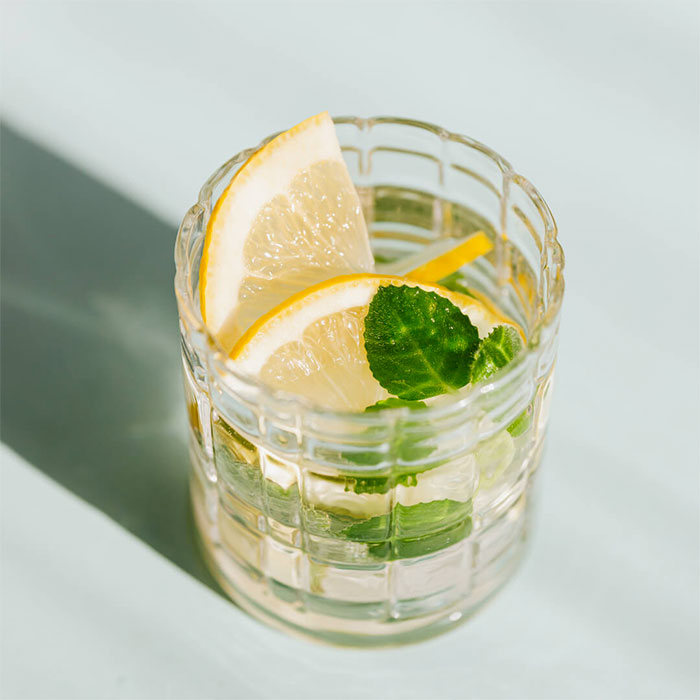
El Vodka Tonic es un cóctel refrescante y sencillo que combina vodka de alta calidad con agua tónica, creando una bebida equilibrada y burbujeante. Se sirve generalmente en un vaso alto, adornado con una rodaja de limón o lima, lo que realza su sabor y aroma. Ideal para cualquier ocasión, es una opción popular entre los amantes de los cócteles.
Kool-Aid Shot
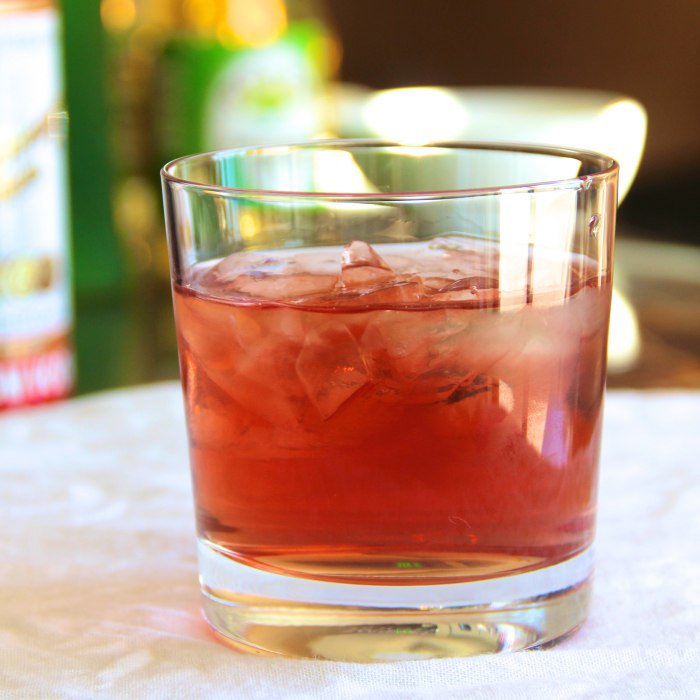
El 'Kool-Aid Shot' es un cóctel vibrante y divertido que combina el sabor afrutado de Kool-Aid con un toque de licor, creando una explosión de color y sabor en cada sorbo. Perfecto para fiestas y reuniones, este trago es fácil de preparar y seguro que alegrará el ambiente. ¡Disfrútalo frío y comparte la diversión!
Black Russian
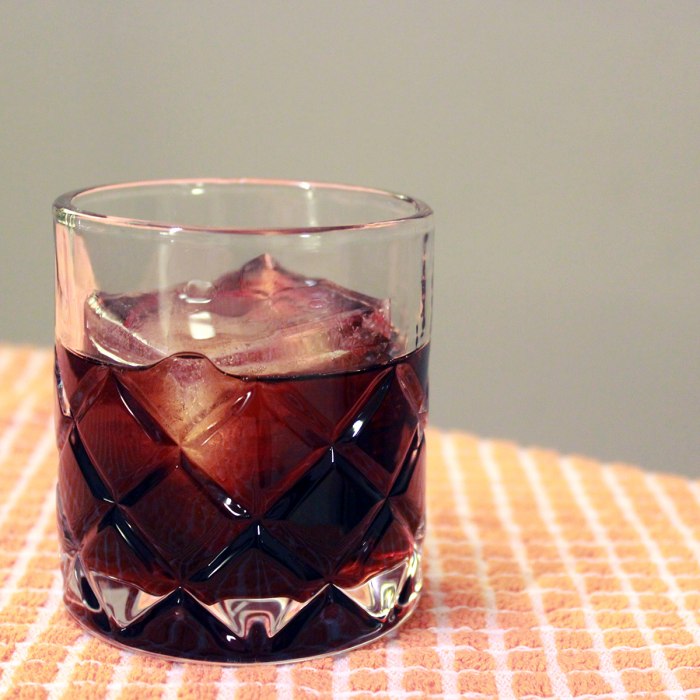
El Black Russian es un cóctel clásico que combina vodka y licor de café, creando una mezcla rica y suave. Servido generalmente en un vaso corto con hielo, su sabor intenso y ligeramente dulce lo convierte en una opción popular para los amantes de las bebidas con carácter. Perfecto para disfrutar en una noche de relajación o como un digestivo después de la cena.
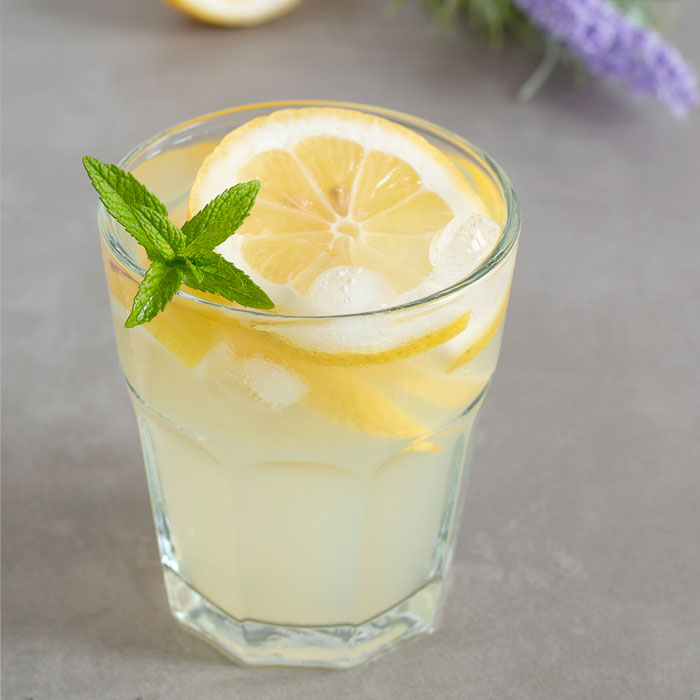
Vodka Lemon
El Vodka Lemon es un cóctel refrescante y vibrante que combina vodka de alta calidad con jugo de limón fresco y un toque de soda. Ideal para disfrutar en días calurosos, su sabor cítrico y burbujeante lo convierte en una opción perfecta para cualquier ocasión. ¡Un trago sencillo que nunca pasa de moda!
Other fiestas de verano Cocktails
Vodka Tonic
El Vodka Tonic es un cóctel refrescante y sencillo que combina vodka de alta calidad con agua tónica, creando una bebida equilibrada y burbujeante. Se sirve generalmente en un vaso alto, adornado con una rodaja de limón o lima, lo que realza su sabor y aroma. Ideal para cualquier ocasión, es una opción popular entre los amantes de los cócteles.
Kool-Aid Shot
El 'Kool-Aid Shot' es un cóctel vibrante y divertido que combina el sabor afrutado de Kool-Aid con un toque de licor, creando una explosión de color y sabor en cada sorbo. Perfecto para fiestas y reuniones, este trago es fácil de preparar y seguro que alegrará el ambiente. ¡Disfrútalo frío y comparte la diversión!
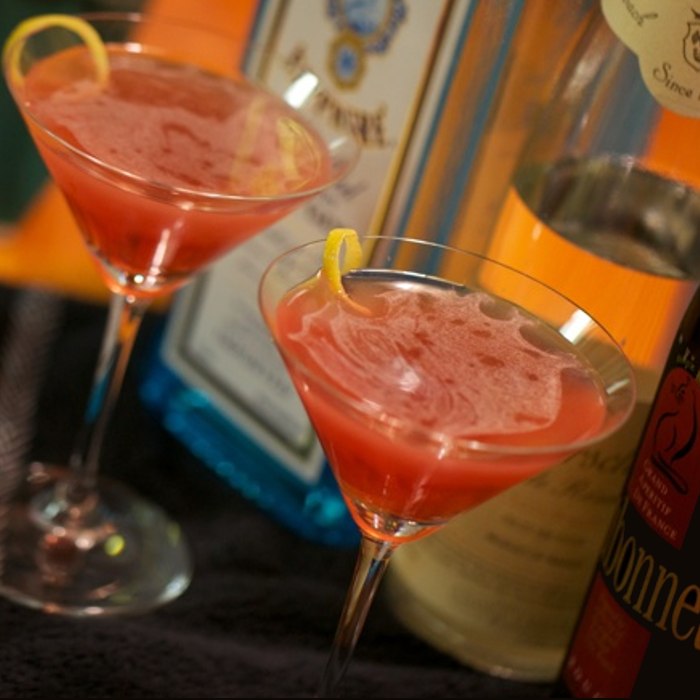
Blackthorn
El Blackthorn es un cóctel clásico que combina la suavidad del gin con el sabor profundo del vermut dulce y un toque de amargo de angostura. Su color oscuro y seductor, junto con su perfil de sabor equilibrado, lo convierten en una opción perfecta para quienes buscan una bebida elegante y sofisticada. Ideal para disfrutar en una noche especial o como aperitivo antes de una cena.
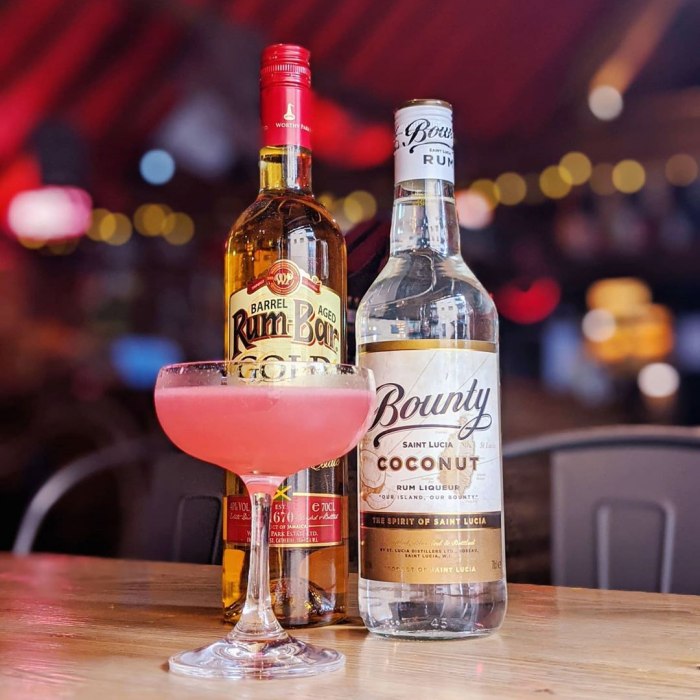
Bounty Hunter
El "Bounty Hunter" es un cóctel exótico que combina ron oscuro, jugo de piña y un toque de jarabe de coco, evocando sabores tropicales que transportan a una isla paradisíaca. Decorado con una rodaja de piña y una cereza, este trago es perfecto para aquellos que buscan una aventura refrescante en cada sorbo. Ideal para disfrutar en una tarde soleada o en una fiesta temática.
Similar Flavor Profiles
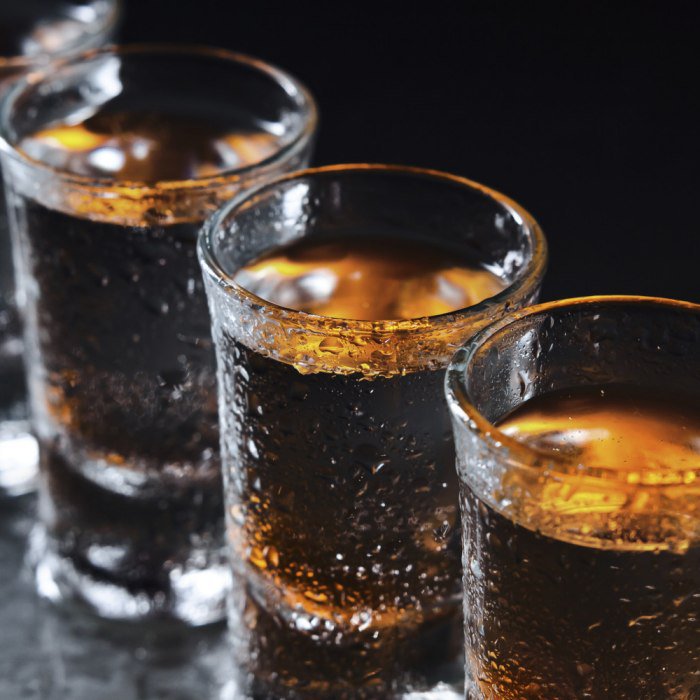
Zinger
El 'Zinger' es un cóctel refrescante y vibrante que combina la intensidad del jengibre con la suavidad del vodka y un toque de limón. Su sabor picante y cítrico lo convierte en la bebida perfecta para animar cualquier celebración. Ideal para quienes buscan una experiencia única y estimulante en cada sorbo.
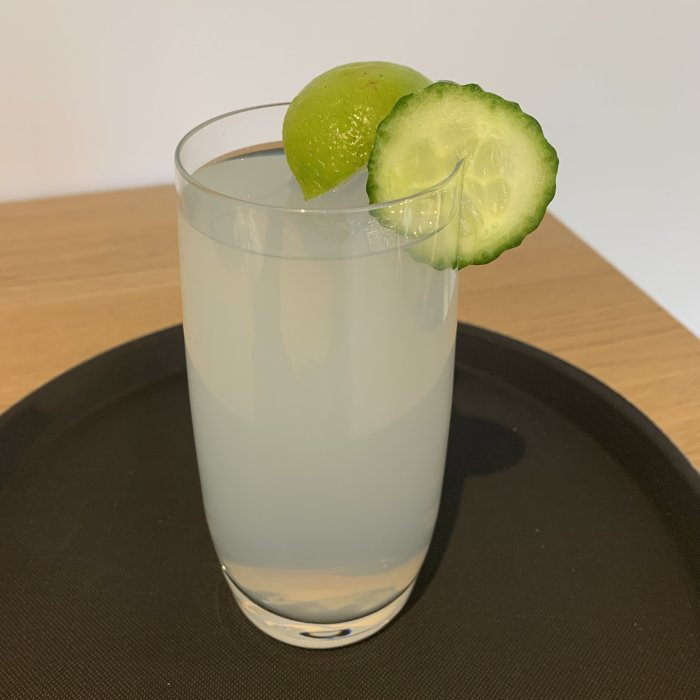
Munich Mule
El Munich Mule es una refrescante variante del clásico Moscow Mule, que combina vodka, cerveza de jengibre y jugo de lima, servido en una tradicional taza de cobre. Este cóctel se destaca por su sabor picante y burbujeante, ideal para disfrutar en una tarde soleada. Su toque alemán se realza con la adición de hierbas frescas o un toque de manzana, aportando un giro único a esta bebida clásica.
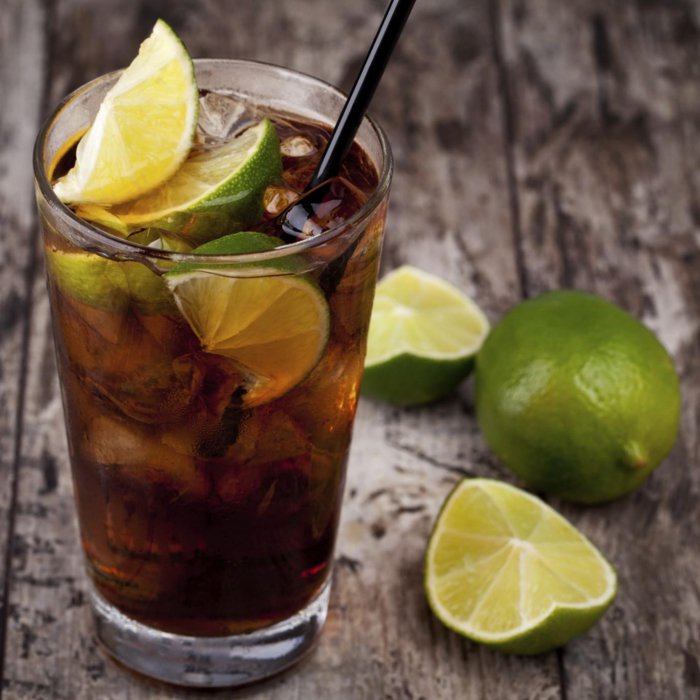
Cuba Libra
El Cuba Libre es un cóctel clásico que combina ron, cola y un toque de jugo de lima, creando una mezcla refrescante y equilibrada. Su origen se remonta a Cuba, donde se popularizó entre los soldados estadounidenses durante la guerra de independencia. Este trago es ideal para disfrutar en una tarde soleada o en una celebración con amigos.
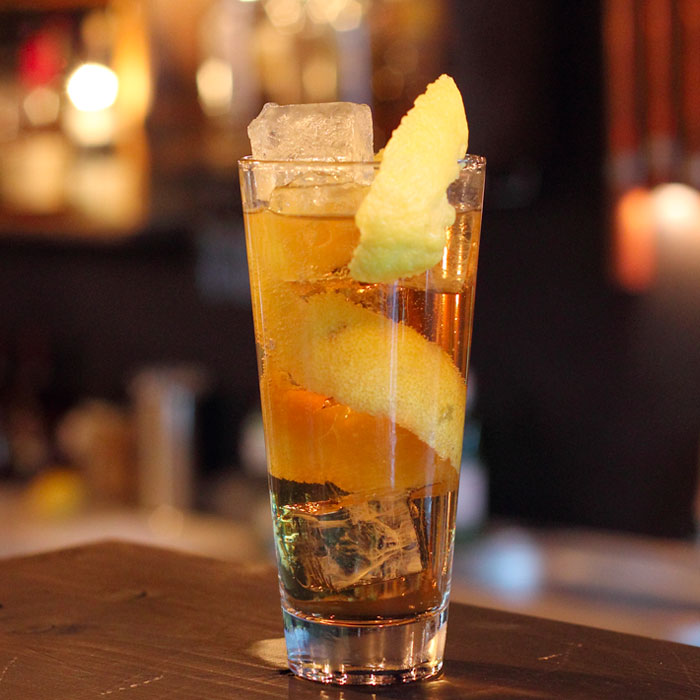
Cocktail Horse’s Neck
El Cocktail Horse’s Neck es una bebida clásica que combina bourbon o brandy con ginger ale, creando un equilibrio perfecto entre dulzura y especias. Se caracteriza por su distintiva decoración de una cáscara de limón en forma de espiral que se asemeja a un cuello de caballo. Ideal para disfrutar en una ocasión especial, este cóctel ofrece una experiencia refrescante y elegante.
Advertisement