Cocktail
Paloma
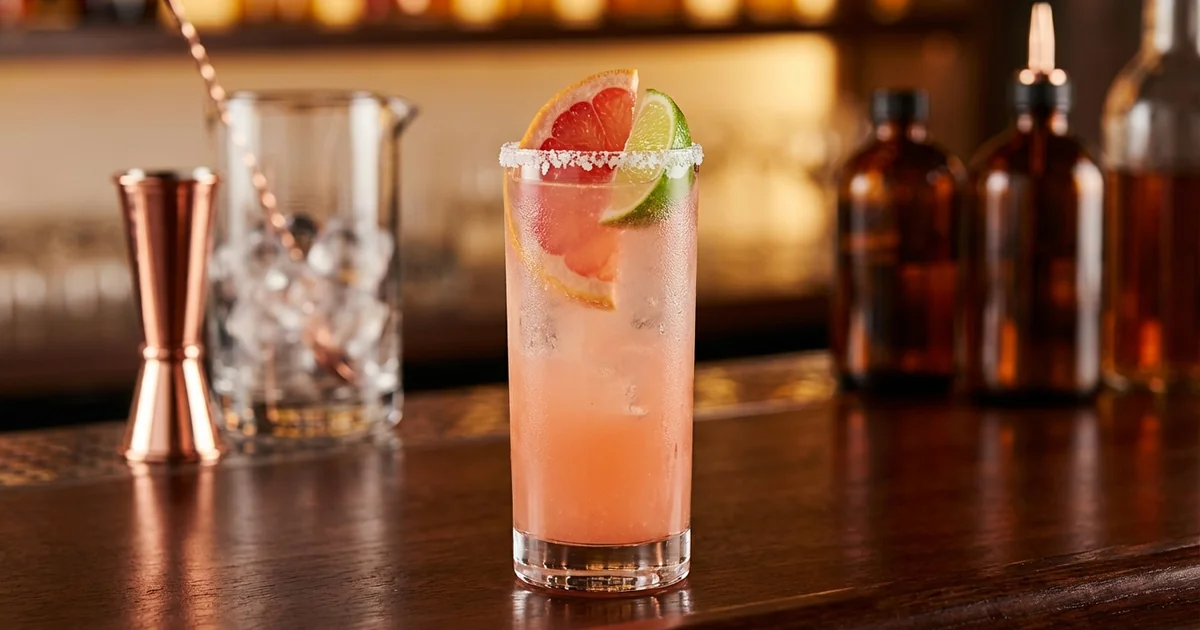
La Paloma es un refrescante cóctel mexicano que combina tequila, jugo de limón fresco y refresco de toronja. Servido en un vaso alto con hielo, es conocido por su equilibrio perfecto entre lo dulce y lo ácido, convirtiéndolo en una bebida ideal para disfrutar en días calurosos. Su nombre, que significa "paloma" en español, refleja la ligereza y frescura de esta deliciosa mezcla.
- cítrico
- amargo
- refrescante
- ligeramente dulce

- Prep Time
- 5 min
- Glass
- Collins glass
- Difficulty
- Easy
- ABV
- 11%
- Yields
- 1 serving
El Paloma es un cocktail con tequila como protagonista, listo en 5 minutos. El resultado es un sabor cítrico and amargo que merece cada minuto. Constantemente entre las búsquedas más populares de "fiesta".
Key Takeaways
What you’ll learn
- The Paloma is Mexico's most popular tequila cocktail, surpassing the Margarita in local consumption.
- Authentic Palomas use grapefruit soda (Squirt or Jarritos Toronja) for proper effervescence; fresh grapefruit juice with club soda is the craft alternative.
- Blanco tequila is traditional, but reposado adds vanilla and oak complexity for a more sophisticated result.
- A salt or Tajin rim is essential for balancing the sweet-tart grapefruit flavour — not merely decorative.
Advertisement
Ingredients
- Serves
- 1 serving
- Glass
- Collins glass
- Prep
- 5 min
- 3 ozGrape Soda
- 1 1/2 ozTequila
Method
Preparation
- 01
Mezcla bien y sirve sobre hielo.
Origin
History & Origins
When most people think of Mexican tequila cocktails, the Margarita comes to mind. But in Mexico itself, the Paloma has reigned supreme since the 1950s. "Paloma" means dove in Spanish, and while the drink's exact origin remains disputed, it likely emerged in Mexican cantinas where Squirt grapefruit soda — introduced in the late 1930s — became a natural companion for locally produced tequila. The combination was simple, thirst-quenching, and perfectly suited to Mexico's warm climate.
The Paloma gained international recognition slowly, held back by the Margarita's global marketing success and by the fact that Squirt and Jarritos (the traditional sodas) were not widely available outside North America. The craft cocktail movement of the 2010s changed this: bartenders began building fresh-juice versions using grapefruit juice, club soda, and agave nectar, making the recipe reproducible anywhere in the world. The IBA includes the Paloma among its official Contemporary Classics.
The Paloma gained international recognition slowly, held back by the Margarita's global marketing success and by the fact that Squirt and Jarritos (the traditional sodas) were not widely available outside North America.
Today the Paloma's rise mirrors the broader recognition of Mexican drinking culture beyond tequila-and-lime simplifications. Mezcal Palomas, spicy variations with jalapeño or Tajin, and frozen versions have proliferated on menus worldwide. The drink's accessibility — requiring fewer special ingredients than a Margarita and being more forgiving of proportion variation — has made it a favourite for home bartenders and professional programmes alike.
Advertisement
Bartender’s Insight
Pro Tips
Elige una tequila 100% agave de alta calidad—la simplicidad de la bebida significa que ningún elemento puede ocultar espíritus inferiores
From Sofia
Usa jugo de pomelo fresco en lugar de mezclas preparadas siempre que sea posible, o sustituye refresco Grapefruit Jarritos si el jugo fresco no está disponible
Equilibra la amargura natural del pomelo con una medición precisa de jugo de lima—esto es crítico para el éxito de la bebida
Sirve sobre hielo grande en un vaso highball con borde de sal para máximo refresco y trayectoria de dilución adecuada.
At the Table
Perfect Pairings
Beyond the Classic
Variations
Paloma Picante
Agrega rodajas de jalapeño remojadas en la bebida y un borde de sal con chile para calidez y complejidad
Paloma Rosé
Usa jugo de pomelo rosa y un toque de arándano para variación de color y sabor afrutado
Paloma Negra
Incorpora mezcal para ahumado y añade un carácter más oscuro y complejo a la receta básica.
Questions
Frequently Asked
- The Paloma has a flavor profile that is cítrico, amargo, refrescante, ligeramente dulce. It is crafted to balance these characteristics into a harmonious, satisfying drink that appeals to a wide range of palates.
- The Paloma is ideal for fiestas de verano, celebraciones familiares, reuniones con amigos. Its flavor profile and presentation make it a versatile choice that works equally well as a social cocktail or a relaxed evening drink.
- Yes, there are several ways to adapt a Paloma. If you cannot source Grape Soda, look for a similar alternative that matches its flavor profile. Keep in mind that substitutions may alter the balance of the cocktail, so start with a smaller quantity and adjust to taste. The variations section above lists popular alternatives bartenders use.
- Some of the most popular Paloma variations include Paloma Picante, Paloma Rosé, Paloma Negra. Each variation puts a unique twist on the original recipe while retaining the essential character of the classic cocktail.
- The Paloma is traditionally served in a Collins glass. Using the right glassware is important because it affects the aroma, temperature retention, and overall drinking experience. If you do not have a Collins glass on hand, a similar shaped glass will work.
- Yes, a mocktail version of the Paloma is possible. Replace the base spirit with a non-alcoholic spirit alternative (there are many quality options available) and keep all other components the same. The result will capture much of the original's flavor profile while being suitable for guests who prefer alcohol-free options.
Other Tequila Cocktails
Tequila Sour
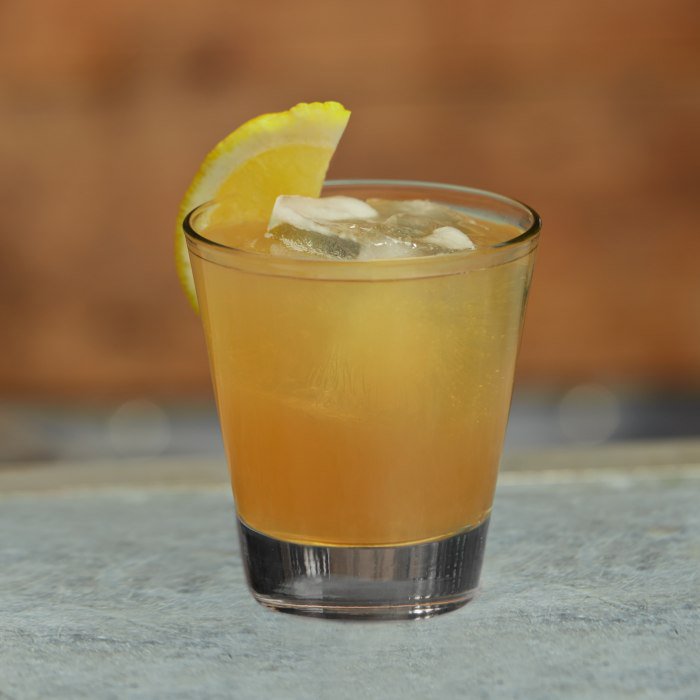
El Tequila Sour es un cóctel refrescante que combina la suavidad del tequila con la acidez del jugo de limón y la dulzura del jarabe simple. Se agita con hielo y se sirve en un vaso corto, a menudo adornado con una rodaja de limón o una cereza. Su equilibrio entre sabores cítricos y el característico toque del tequila lo convierte en una opción ideal para cualquier ocasión.
Whitecap Margarita
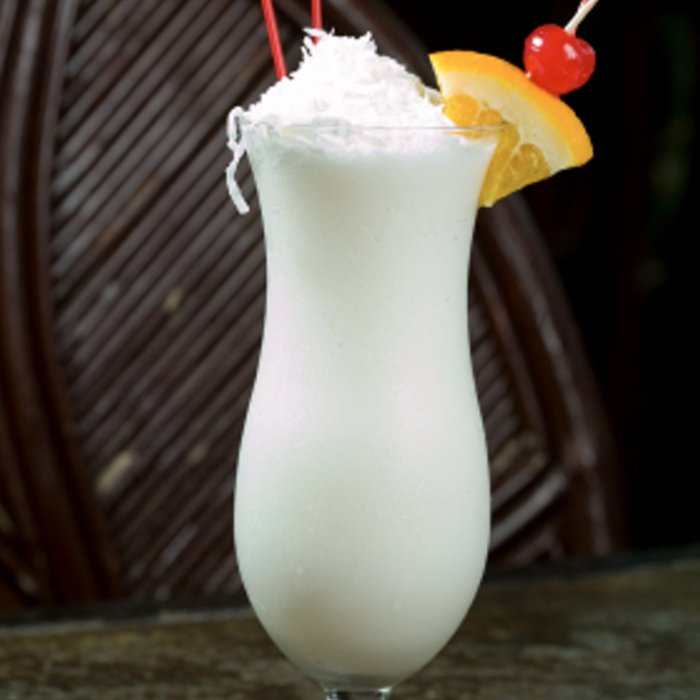
La Whitecap Margarita es una refrescante y deliciosa mezcla de tequila, licor de naranja y jugo de limón fresco, que se sirve en un vaso escarchado con sal. Este cóctel, con su toque de crema de coco, ofrece una experiencia tropical perfecta para disfrutar en cualquier ocasión. Su sabor equilibrado y suave la convierte en una opción ideal para los amantes de las margaritas.
Apple Grande
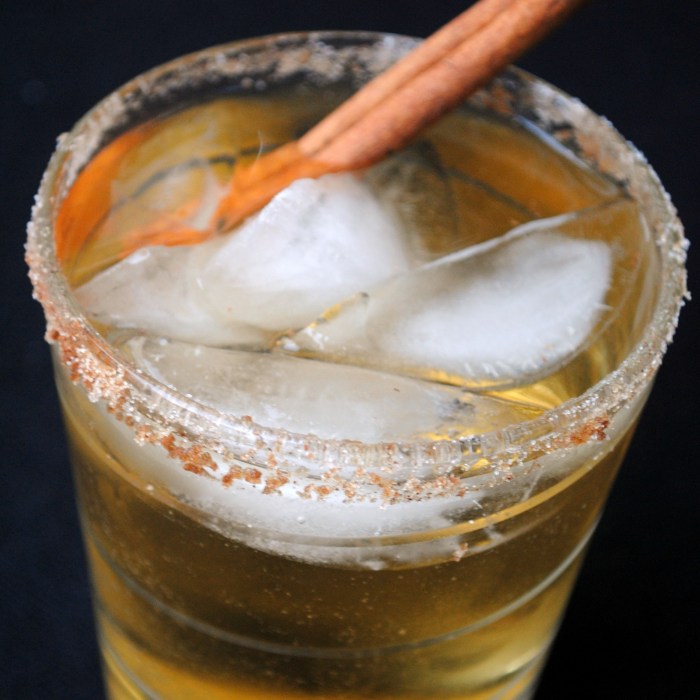
El Apple Grande es un cóctel refrescante que combina la dulzura de la sidra de manzana con un toque de canela y un chorrito de limón. Servido en un vaso alto, se decora con rodajas de manzana fresca y una ramita de canela, creando una experiencia deliciosa y aromática. Perfecto para disfrutar en una tarde soleada o en una reunión con amigos.
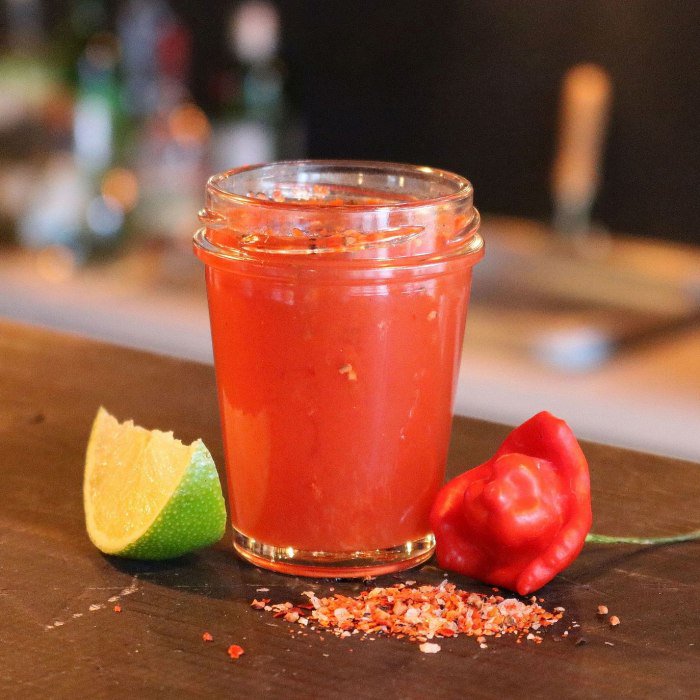
Vampiro
El Vampiro es un cóctel mexicano vibrante y refrescante que combina tequila, jugo de tomate y jugo de limón, sazonado con salsa tipo Worcestershire y un toque de picante. Servido en un vaso escarchado con sal y chile en polvo, este trago es perfecto para aquellos que buscan una experiencia intensa y llena de sabor. Ideal para disfrutar en una noche de fiesta o como aperitivo.
Other fiestas de verano Cocktails
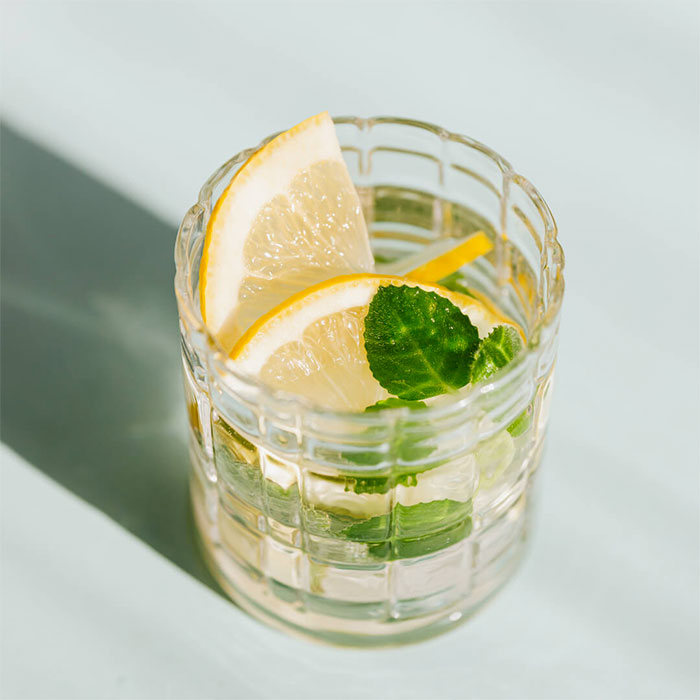
Vodka Tonic
El Vodka Tonic es un cóctel refrescante y sencillo que combina vodka de alta calidad con agua tónica, creando una bebida equilibrada y burbujeante. Se sirve generalmente en un vaso alto, adornado con una rodaja de limón o lima, lo que realza su sabor y aroma. Ideal para cualquier ocasión, es una opción popular entre los amantes de los cócteles.
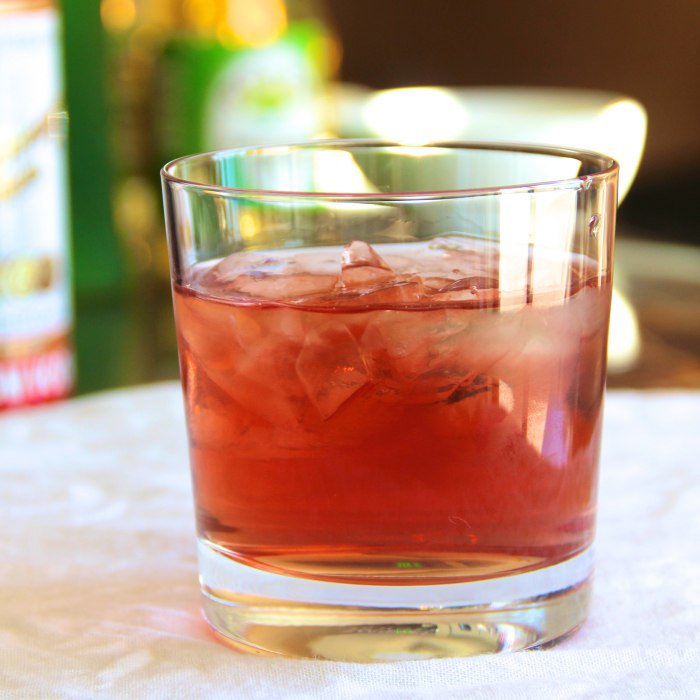
Kool-Aid Shot
El 'Kool-Aid Shot' es un cóctel vibrante y divertido que combina el sabor afrutado de Kool-Aid con un toque de licor, creando una explosión de color y sabor en cada sorbo. Perfecto para fiestas y reuniones, este trago es fácil de preparar y seguro que alegrará el ambiente. ¡Disfrútalo frío y comparte la diversión!
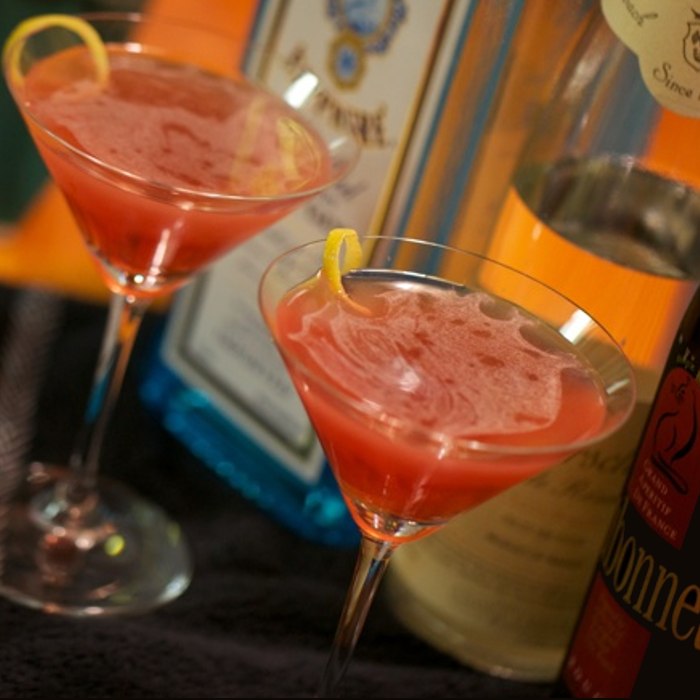
Blackthorn
El Blackthorn es un cóctel clásico que combina la suavidad del gin con el sabor profundo del vermut dulce y un toque de amargo de angostura. Su color oscuro y seductor, junto con su perfil de sabor equilibrado, lo convierten en una opción perfecta para quienes buscan una bebida elegante y sofisticada. Ideal para disfrutar en una noche especial o como aperitivo antes de una cena.
Bounty Hunter
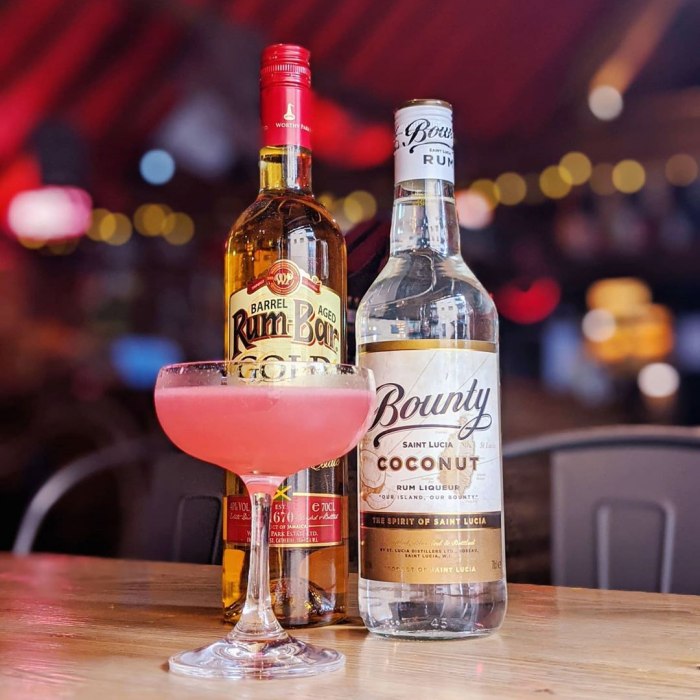
El "Bounty Hunter" es un cóctel exótico que combina ron oscuro, jugo de piña y un toque de jarabe de coco, evocando sabores tropicales que transportan a una isla paradisíaca. Decorado con una rodaja de piña y una cereza, este trago es perfecto para aquellos que buscan una aventura refrescante en cada sorbo. Ideal para disfrutar en una tarde soleada o en una fiesta temática.
Similar Flavor Profiles
Vodka Tonic
El Vodka Tonic es un cóctel refrescante y sencillo que combina vodka de alta calidad con agua tónica, creando una bebida equilibrada y burbujeante. Se sirve generalmente en un vaso alto, adornado con una rodaja de limón o lima, lo que realza su sabor y aroma. Ideal para cualquier ocasión, es una opción popular entre los amantes de los cócteles.
Radler
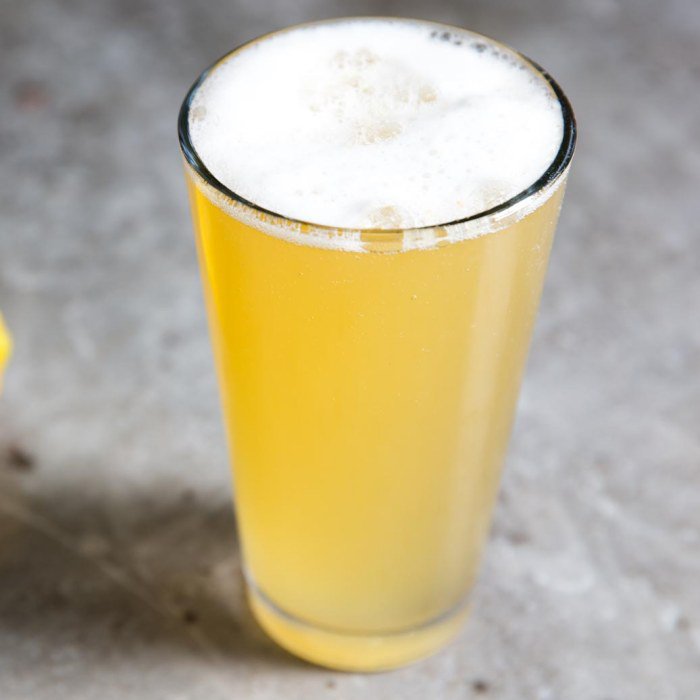
El Radler es una refrescante bebida alemana que combina cerveza con limonada o soda de limón, creando un equilibrio perfecto entre el sabor amargo de la cerveza y la dulzura cítrica. Ideal para los días calurosos, se sirve generalmente en un vaso grande y es muy popular entre quienes buscan una opción ligera y burbujeante. Su origen se remonta a la década de 1920, cuando se creó para refrescar a los ciclistas después de un largo recorrido
Corpse Reviver
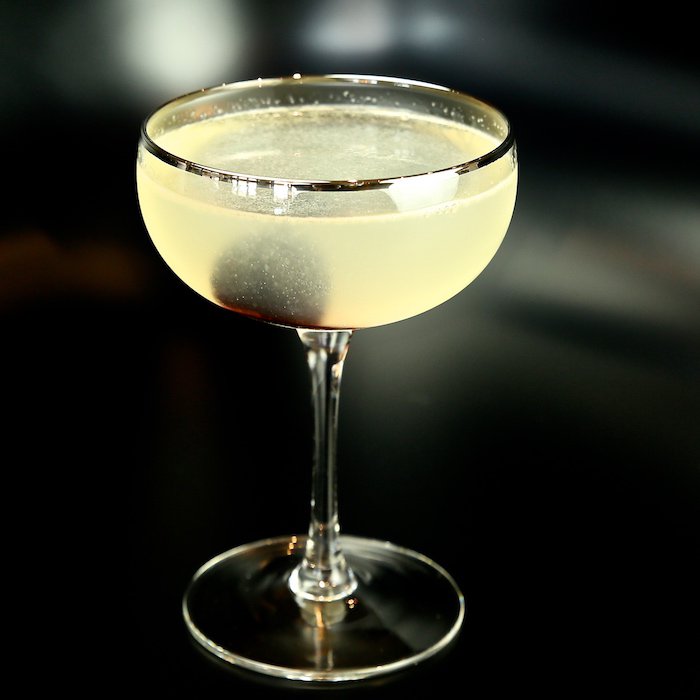
El "Corpse Reviver" es un cóctel clásico que combina sabores refrescantes y revitalizantes, ideal para reanimar los sentidos. Generalmente preparado con ginebra, licor de naranja, vermut dulce y un toque de limón, su nombre sugiere su capacidad para "revivir" a quienes lo prueban. Perfecto para cualquier ocasión, este trago ofrece un equilibrio entre lo dulce y lo ácido, convirtiéndolo en una experiencia única.
Cocktail Horse’s Neck
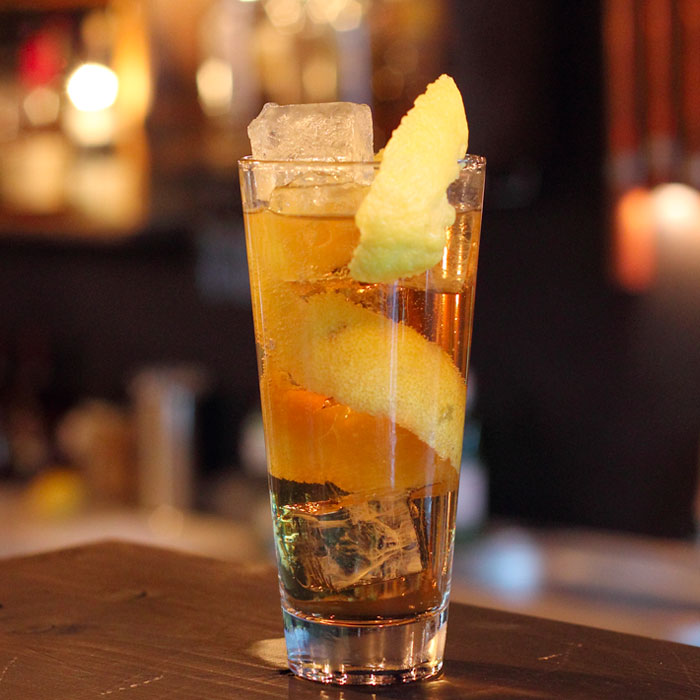
El Cocktail Horse’s Neck es una bebida clásica que combina bourbon o brandy con ginger ale, creando un equilibrio perfecto entre dulzura y especias. Se caracteriza por su distintiva decoración de una cáscara de limón en forma de espiral que se asemeja a un cuello de caballo. Ideal para disfrutar en una ocasión especial, este cóctel ofrece una experiencia refrescante y elegante.
Advertisement