Cocktail
Paloma
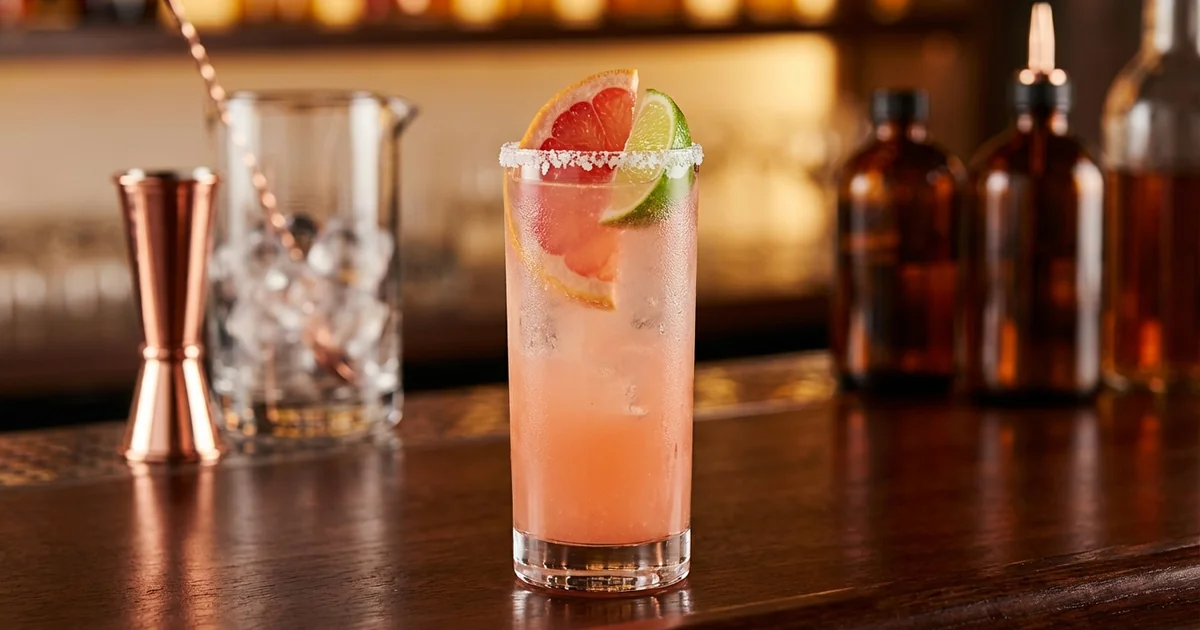
La Paloma est un cocktail rafraîchissant originaire du Mexique, composé de tequila, de jus de citron vert et de soda au pamplemousse. Sa saveur acidulée et légèrement sucrée en fait une boisson idéale pour les journées ensoleillées. Servie dans un verre rempli de glace, elle évoque des notes de fraîcheur et d'exotisme.
- amer
- fruité
- pétillant
- rafraîchissant

- Prep Time
- 5 min
- Glass
- Collins glass
- Difficulty
- Easy
- ABV
- 11%
- Yields
- 1 serving
Le Paloma est un cocktail dominé par le tequila, à préparer en 5 minutes. Le résultat : des saveurs amer and fruité qui valent chaque instant de préparation. Régulièrement en tête des recherches pour "été".
Key Takeaways
What you’ll learn
- The Paloma is Mexico's most popular tequila cocktail, surpassing the Margarita in local consumption.
- Authentic Palomas use grapefruit soda (Squirt or Jarritos Toronja) for proper effervescence; fresh grapefruit juice with club soda is the craft alternative.
- Blanco tequila is traditional, but reposado adds vanilla and oak complexity for a more sophisticated result.
- A salt or Tajin rim is essential for balancing the sweet-tart grapefruit flavour — not merely decorative.
Advertisement
Ingredients
- Serves
- 1 serving
- Glass
- Collins glass
- Prep
- 5 min
- 3 ozGrape Soda
- 1 1/2 ozTequila
Method
Preparation
- 01
Mélangez et servez sur de la glace.
Origin
History & Origins
When most people think of Mexican tequila cocktails, the Margarita comes to mind. But in Mexico itself, the Paloma has reigned supreme since the 1950s. "Paloma" means dove in Spanish, and while the drink's exact origin remains disputed, it likely emerged in Mexican cantinas where Squirt grapefruit soda — introduced in the late 1930s — became a natural companion for locally produced tequila. The combination was simple, thirst-quenching, and perfectly suited to Mexico's warm climate.
The Paloma gained international recognition slowly, held back by the Margarita's global marketing success and by the fact that Squirt and Jarritos (the traditional sodas) were not widely available outside North America. The craft cocktail movement of the 2010s changed this: bartenders began building fresh-juice versions using grapefruit juice, club soda, and agave nectar, making the recipe reproducible anywhere in the world. The IBA includes the Paloma among its official Contemporary Classics.
The Paloma gained international recognition slowly, held back by the Margarita's global marketing success and by the fact that Squirt and Jarritos (the traditional sodas) were not widely available outside North America.
Today the Paloma's rise mirrors the broader recognition of Mexican drinking culture beyond tequila-and-lime simplifications. Mezcal Palomas, spicy variations with jalapeño or Tajin, and frozen versions have proliferated on menus worldwide. The drink's accessibility — requiring fewer special ingredients than a Margarita and being more forgiving of proportion variation — has made it a favourite for home bartenders and professional programmes alike.
Advertisement
Bartender’s Insight
Pro Tips
Choisissez une tequila 100% agave de haute qualité—la simplicité de la boisson signifie qu'aucun élément ne peut cacher des alcools inférieur
From Sofia
Utilisez du jus de pamplemousse frais plutôt que des mélanges préparés chaque fois que possible, ou substituez du soda Grapefruit Jarritos si le jus frais n'est pas disponible
Équilibrez l'amertume naturelle du pamplemousse avec une mesure de jus de citron vert précise—c'est critique pour le succès de la boisson
Servez sur de la glace grosse dans un verre highball bordé de sel pour une fraîcheur maximale et une trajectoire de dilution appropriée.
At the Table
Perfect Pairings
Beyond the Classic
Variations
Paloma Épicée
Ajoute des tranches de jalapeño trempées dans la boisson et un bord de sel au piment pour la chaleur et la complexité
Paloma Rosé
Utilise du jus de pamplemousse rose et une touche de cranberry pour la variation de couleur et de saveur fruitée
Paloma Negra
Incorpore du mezcal pour le fumé et ajoute un caractère plus sombre et plus complexe à la recette de base.
Questions
Frequently Asked
- The Paloma has a flavor profile that is amer, fruité, pétillant, rafraîchissant. It is crafted to balance these characteristics into a harmonious, satisfying drink that appeals to a wide range of palates.
- The Paloma is ideal for fêtes d'été, barbecues, célébrations familiales. Its flavor profile and presentation make it a versatile choice that works equally well as a social cocktail or a relaxed evening drink.
- Yes, there are several ways to adapt a Paloma. If you cannot source Grape Soda, look for a similar alternative that matches its flavor profile. Keep in mind that substitutions may alter the balance of the cocktail, so start with a smaller quantity and adjust to taste. The variations section above lists popular alternatives bartenders use.
- Some of the most popular Paloma variations include Paloma Épicée, Paloma Rosé, Paloma Negra. Each variation puts a unique twist on the original recipe while retaining the essential character of the classic cocktail.
- The Paloma is traditionally served in a Collins glass. Using the right glassware is important because it affects the aroma, temperature retention, and overall drinking experience. If you do not have a Collins glass on hand, a similar shaped glass will work.
- Yes, a mocktail version of the Paloma is possible. Replace the base spirit with a non-alcoholic spirit alternative (there are many quality options available) and keep all other components the same. The result will capture much of the original's flavor profile while being suitable for guests who prefer alcohol-free options.
Other Tequila Cocktails
Tequila Sour
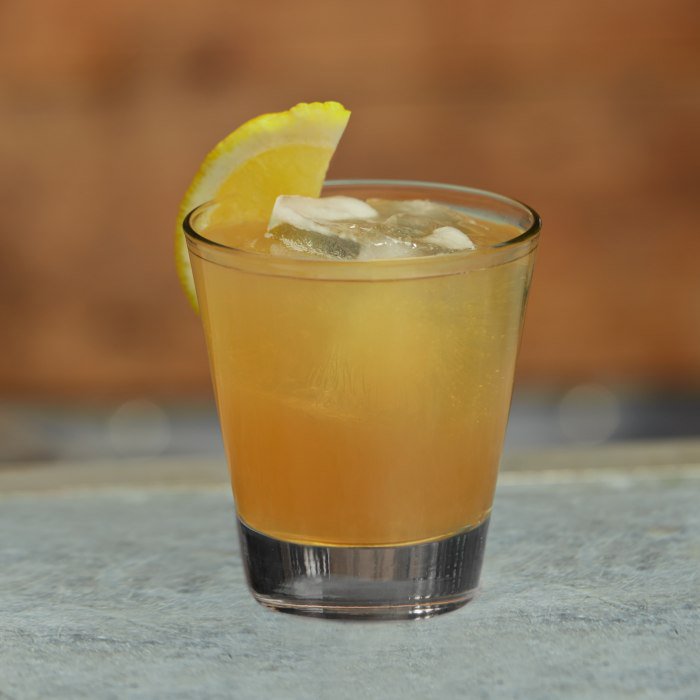
Le Tequila Sour est un cocktail rafraîchissant qui allie la douceur de la tequila à l'acidité du jus de citron frais. Équilibré avec un peu de sirop simple et souvent agrémenté d'un blanc d'œuf pour une texture veloutée, il offre une expérience gustative à la fois vive et onctueuse. Parfait pour les amateurs de cocktails qui recherchent une touche mexicaine dans leur verre.
Whitecap Margarita
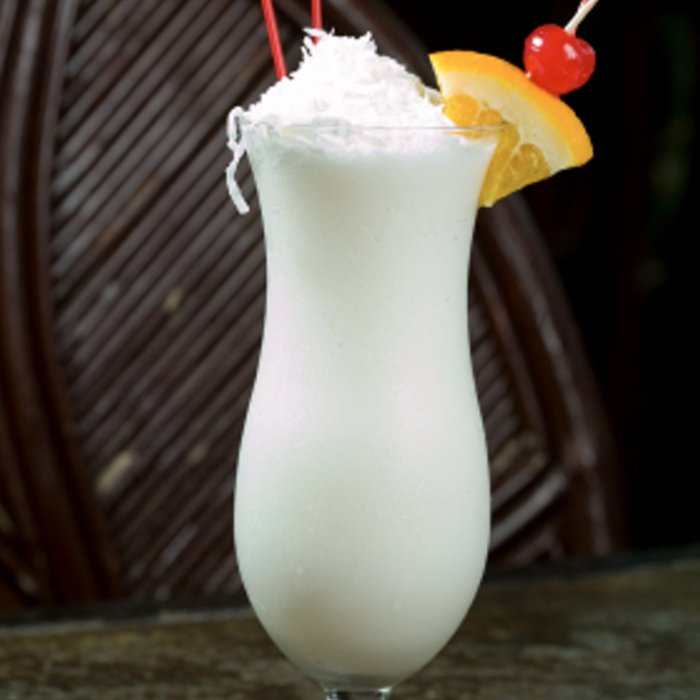
Le Whitecap Margarita est un cocktail rafraîchissant qui allie la douceur de la tequila à la fraîcheur du citron vert, tout en étant rehaussé d'une touche de crème de noix de coco. Servi sur glace avec un bord salé, il évoque des sensations de plage et de vacances. Ce mélange parfait offre une expérience gustative unique, idéale pour se détendre sous le soleil.
Apple Grande
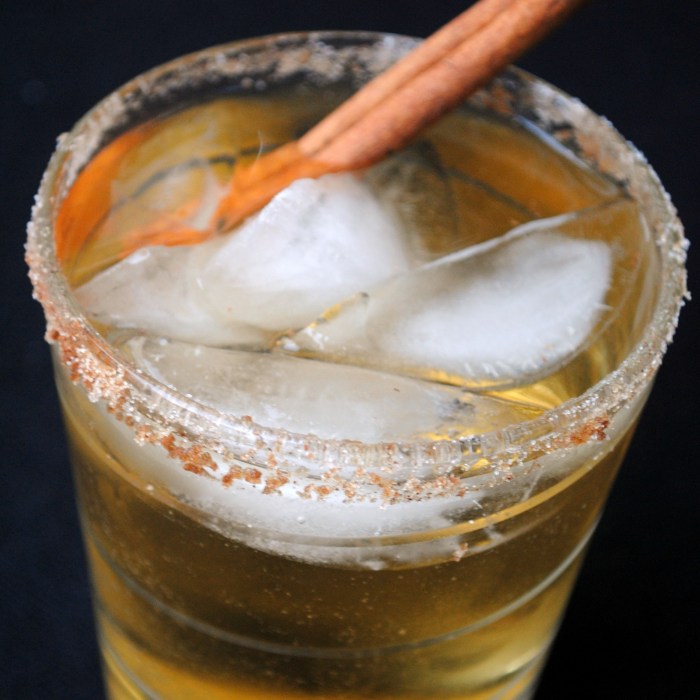
L'Apple Grande est un cocktail rafraîchissant qui allie la douceur du cidre de pomme à une touche de vodka et de liqueur de pomme. Garnie de tranches de pomme et d'une pincée de cannelle, cette boisson fruitée et pétillante est parfaite pour les soirées d'automne. À savourer bien frais pour une expérience délicieuse et réconfortante.
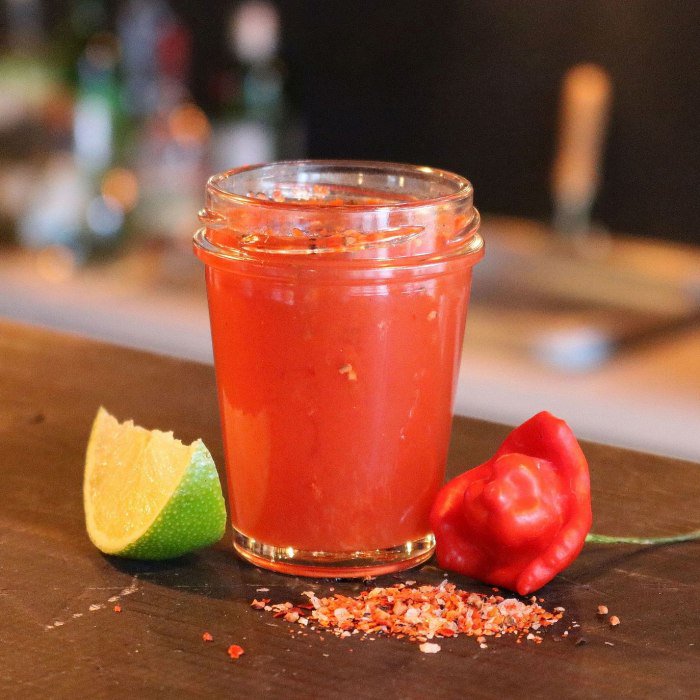
Vampiro
Le Vampiro est un cocktail mexicain audacieux et rafraîchissant, alliant la tequila à un mélange de jus de tomate épicé, de citron vert et de sauce Worcestershire. Servi avec un bord de sel et souvent garni de piments ou de légumes, il offre une expérience savoureuse qui ravira les amateurs de cocktails originaux. Parfait pour ceux qui recherchent une boisson à la fois piquante et revigorante.
Other fêtes d'été Cocktails
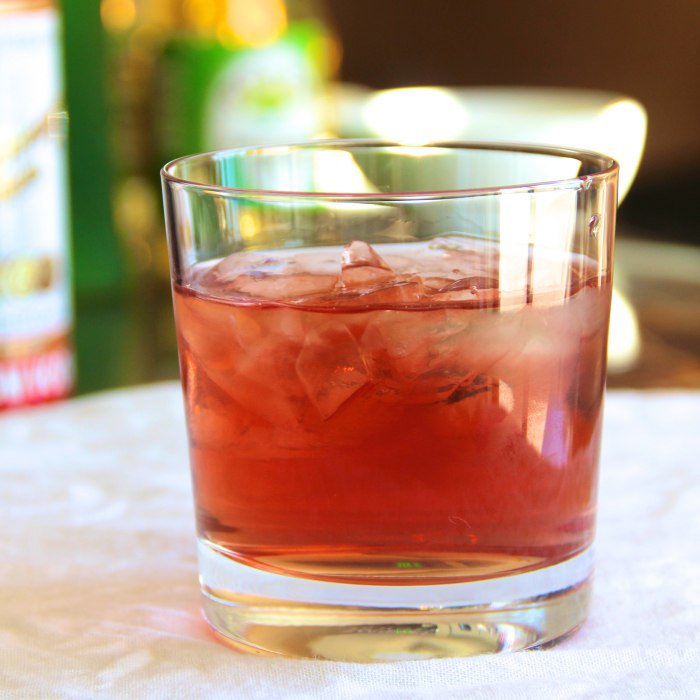
Kool-Aid Shot
Le "Kool-Aid Shot" est un cocktail vibrant et fruité qui évoque les souvenirs d'enfance avec sa couleur vive et son goût sucré. Mélangeant des liqueurs aux saveurs de fruits et une touche de Kool-Aid, ce shot rafraîchissant est parfait pour les fêtes et les soirées entre amis. Sa simplicité et son côté ludique en font un choix populaire pour ceux qui cherchent à s'amuser.
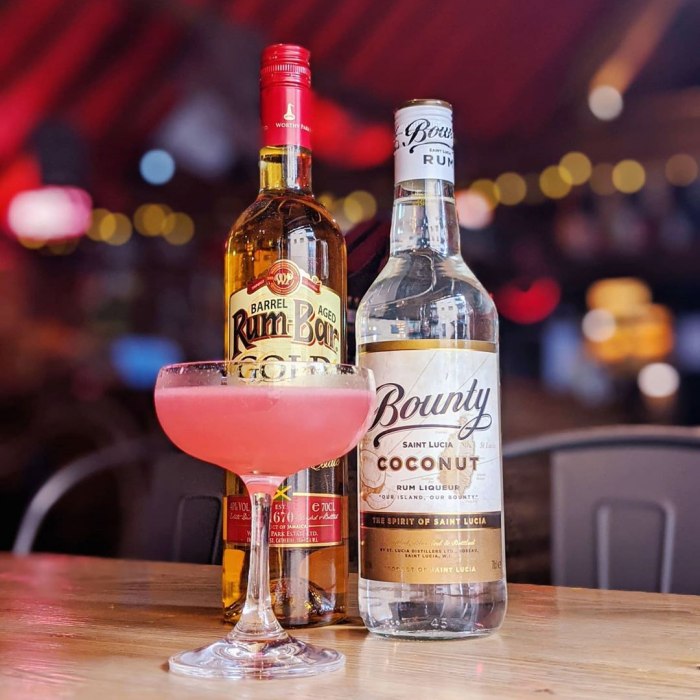
Bounty Hunter
Le cocktail "Bounty Hunter" est une délicieuse combinaison de saveurs exotiques qui évoque des paysages tropicaux. Mélangeant des notes de rhum, de noix de coco et d'agrumes, il offre une expérience rafraîchissante et envoûtante, parfaite pour les amateurs de cocktails d'été. Sa présentation colorée et son goût unique en font un véritable trésor à découvrir.
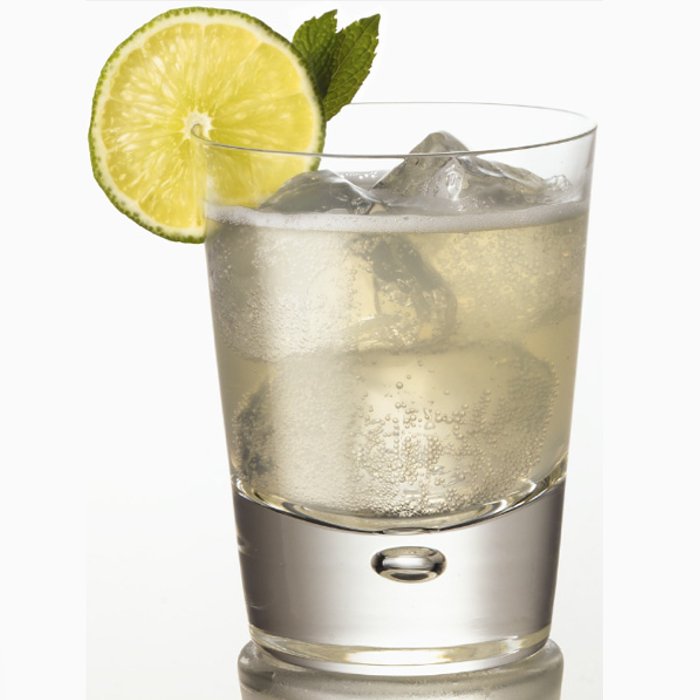
Rail Splitter
Le Rail Splitter est un cocktail audacieux qui marie habilement le bourbon, le jus de citron frais et un soupçon de sirop d'érable. Servi sur glace, il offre une expérience à la fois douce et réconfortante, évoquant les saveurs rustiques du terroir américain. Parfait pour les amateurs de cocktails classiques revisités, il saura séduire vos papilles.
Tequila Sour
Le Tequila Sour est un cocktail rafraîchissant qui allie la douceur de la tequila à l'acidité du jus de citron frais. Équilibré avec un peu de sirop simple et souvent agrémenté d'un blanc d'œuf pour une texture veloutée, il offre une expérience gustative à la fois vive et onctueuse. Parfait pour les amateurs de cocktails qui recherchent une touche mexicaine dans leur verre.
Similar Flavor Profiles
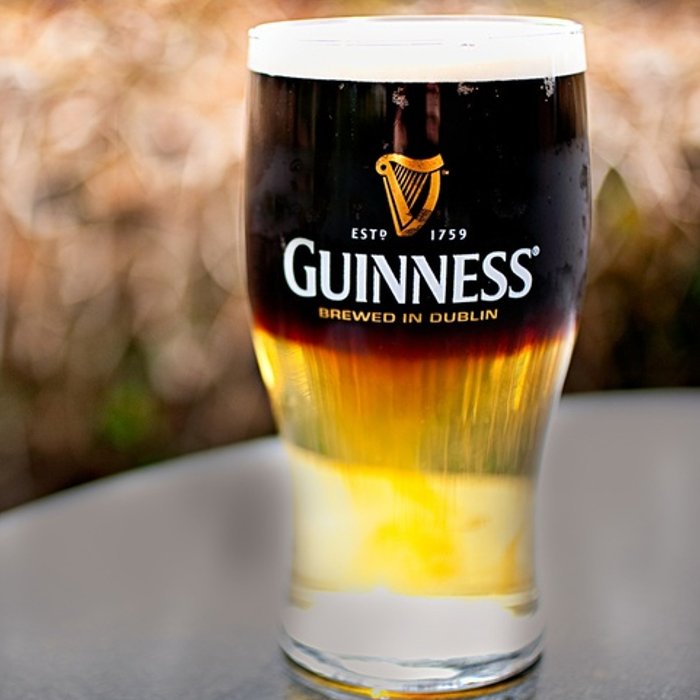
Snake Bite (UK)
Le Snake Bite est un cocktail britannique rafraîchissant, composé d'un mélange de cidre de pomme et de bière blonde, souvent agrémenté d'une touche de crème de menthe pour une saveur unique. Servi bien frais, il est apprécié pour son goût fruité et pétillant, parfait pour les soirées entre amis.
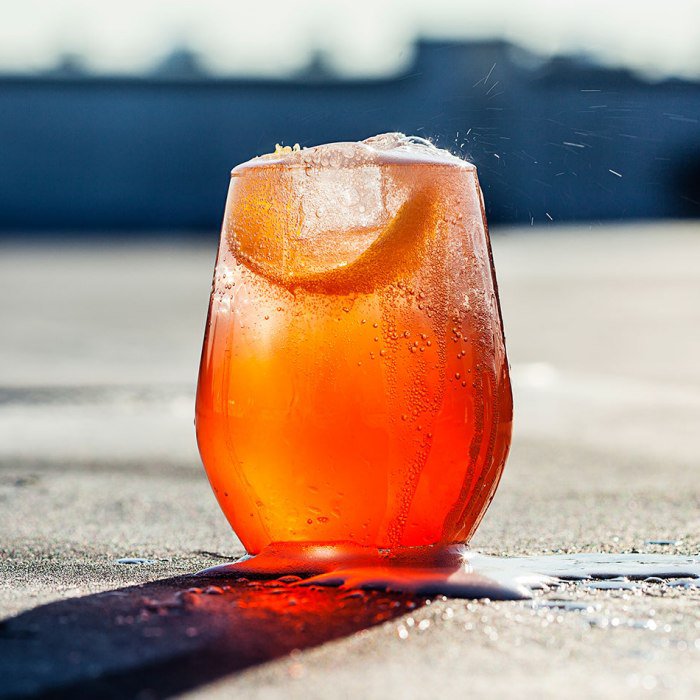
Spritz
Le Spritz est un cocktail rafraîchissant et pétillant, originaire d'Italie, qui combine généralement du prosecco, de l'eau gazeuse et un apéritif amer comme l'Aperol ou le Campari. Servi avec des glaçons et une tranche d'orange, il est parfait pour les apéritifs en terrasse lors des chaudes journées d'été. Sa couleur vibrante et son goût légèrement sucré en font une boisson prisée des amateurs de cocktails
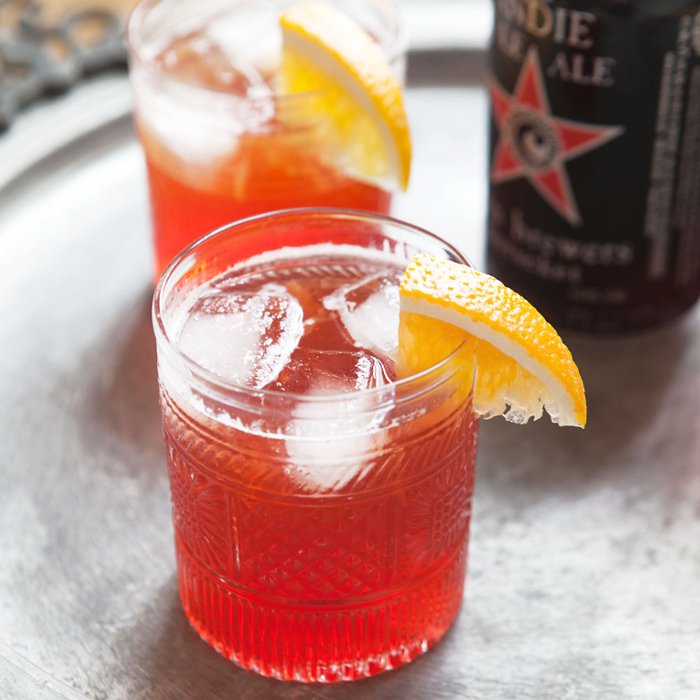
Campari Beer
Le Campari Beer est un cocktail rafraîchissant qui combine l'amertume distinctive du Campari avec la légèreté d'une bière, créant ainsi un équilibre parfait entre saveurs. Servi sur glace, il est souvent agrémenté d'une tranche d'orange pour rehausser son arôme. Idéal pour les apéritifs, ce mélange audacieux séduit les amateurs de boissons originales.
Rail Splitter
Le Rail Splitter est un cocktail audacieux qui marie habilement le bourbon, le jus de citron frais et un soupçon de sirop d'érable. Servi sur glace, il offre une expérience à la fois douce et réconfortante, évoquant les saveurs rustiques du terroir américain. Parfait pour les amateurs de cocktails classiques revisités, il saura séduire vos papilles.
Advertisement