
Vintage Cocktail
Fancy Gin Cocktail
Thomas's upgraded version of the plain Gin Cocktail: Holland gin stirred with sugar, bitters, and a dash of curaçao, strained into a small cocktail glass and garnished with a lemon twist. The qualifier "Fancy" in 1862 indicated curaçao was added to the base recipe — one of the earliest records of a cocktail differentiated by a single luxury modifier.
- botanical
- orange
- bitter
- aromatic
- dry
- spirit-forward

- Prep Time
- 4 min
- Glass
- cocktail glass
- Difficulty
- Easy
- ABV
- 28%
- Yields
- 1 serving
Few vintage cocktail recipes deliver botanical and orange quite like the Fancy Gin Cocktail. It leads with gin and comes together in about 4 minutes. If you've searched for "fancy gin cocktail", this is the recipe to bookmark.
Key Takeaways
What you’ll learn
- Thomas defined "Fancy" cocktails explicitly in 1862: a plain cocktail plus curaçao — one of the earliest printed cocktail taxonomy distinctions.
- The original gin was Holland Genever, not London Dry — a maltier, heavier spirit closer to light whiskey than modern gin.
- Boker's Bitters, the specified brand, was lost during Prohibition and recreated in 2009 by Scottish bartender Adam Elmegirab from historical formulas.
- The Fancy Gin Cocktail is a structural ancestor of the Martinez and Martini — spirit, vermouth (here: curaçao), bitters, expressed citrus.
- By 1862 the cocktail category already had a "luxury tier" — the Fancy variants cost more and signaled sophistication. The curaçao was the premium signal.
Advertisement
Ingredients
- Serves
- 1 serving
- Glass
- cocktail glass
- Prep
- 4 min
- 1 wineglass (1½ oz)Holland gin (Genever)
- 1/2 tspFine powdered sugar
- 2 dashesBoker's bitters (or Angostura)
- 1 dashCuraçao
- 1 piece, expressedLemon peel
Method
Preparation
- 01
Fill a mixing glass with ice. Add 1 wineglass (1½ oz) of Holland gin (Genever), 1/2 teaspoon of fine powdered sugar, 2 dashes of Boker's (or Angostura) bitters, and 1 dash of curaçao. Stir well until chilled and diluted. Strain into a small cocktail glass. Squeeze a piece of lemon peel on top to express the oils, then drop it in. Thomas noted the Fancy Cocktail differed from the plain Cocktail solely by the addition of curaçao.
Origin
History & Origins
Jerry Thomas understood marketing. The 1862 guide does not merely provide recipes — it establishes a hierarchy. Plain cocktails were for quick service; Fancy cocktails were for clients who wanted something more, and were priced accordingly. The distinction was a single ingredient: curaçao.
Boker's Bitters, which Thomas specified for all his cocktail recipes in 1862, was the dominant American cocktail bitters of the mid-19th century. Produced by Johan G. Boker in New York, it had a flavour profile that historical researchers and Adam Elmegirab (who recreated it from a period formula in 2009) describe as containing cardamom, cassia bark, bitter orange, and ginger — darker and more complex than Angostura's cinnamon-clove profile. The bitters all but disappeared during Prohibition, and most bartenders making 19th-century recipes had to substitute Angostura until the recreation became available.
The Holland gin (Genever) requirement is the other historical crux. American bars in the 1840s–1860s primarily stocked Dutch Genever imported via New York Harbor. London Dry gin as a commercial category barely existed; it emerged in the 1870s–1880s as continuous column distillation allowed English distillers to produce a lighter, cleaner spirit. When cocktail historians trace the development of the Martini from the Martinez, they are tracking the gradual replacement of malty Genever with clean London Dry gin — a transition that happened between Thomas's 1862 guide and the late 1880s.
When cocktail historians trace the development of the Martini from the Martinez, they are tracking the gradual replacement of malty Genever with clean London Dry gin — a transition that happened between Thomas's 1862 guide and the late 1880s.
The Fancy Gin Cocktail's structure — stirred spirit with bitters, sweetener, and a small quantity of orange liqueur, served in a cocktail glass with expressed citrus — is almost exactly the structure of the Martinez (which appeared in print in the 1880s), the direct ancestor of the Martini. The connecting tissue is visible: swap the Genever for London Dry, adjust the curaçao to sweet vermouth, and you have crossed the bridge between 1862 and the modern Martini canon.
Advertisement
Bartender’s Insight
Pro Tips
Use Genever, not London Dry. The malted grain base of Genever (Bols Genever or Anchor Genevieve) creates the flavor Thomas intended. London Dry gin produces a sharper, more botanical drink that reads differently.
From Arthur
Boker's Bitters (Adam Elmegirab's recreation) is widely available and historically correct. Angostura works as a substitute but shifts the profile from spiced chocolate-orange toward cinnamon-clove.
The "Fancy" qualifier specifically means add curaçao. Omit it and you have Thomas's plain Gin Cocktail — a useful comparison drink to understand what the curaçao actually contributes.
Stir, do not shake. Thomas stirred all cocktails that were spirit-and-modifier only. Shaking is for drinks with dairy, citrus, or egg.
A lemon oil expression (not a twist — just the squeezed oils) is the garnish. The peel goes in the glass, but the primary action is the oil spray over the surface.
At the Table
Perfect Pairings
Beyond the Classic
Variations
Fancy Brandy Cocktail
The same formula with Cognac or domestic brandy instead of gin. Thomas listed it in the same chapter. Use VSOP Cognac, same quantities; the curaçao integrates differently with the grape base, producing a rounder, fruit-forward cocktail.
Fancy Whiskey Cocktail
Rye whiskey in place of gin. The spicy grain character handles the curaçao's sweetness differently than gin or brandy. This is arguably the direct ancestor of the modern Cocktail family (the word "cocktail" originally specified whiskey as default).
Modern London Dry Fancy Gin Cocktail
If using London Dry gin, reduce to 1 oz, add 0.25 oz dry vermouth to soften the juniper edge, and maintain the curaçao dash. This adaptation produces something close to a precursor of the Martinez — a credible historical bridge to the Martini.
Questions
Frequently Asked
- The Fancy Gin Cocktail has a flavor profile that is botanical, orange, bitter, aromatic. It is crafted to balance these characteristics into a harmonious, satisfying drink that appeals to a wide range of palates.
- The Fancy Gin Cocktail is ideal for aperitif, historical, before dinner, classic bar. Its flavor profile and presentation make it a versatile choice that works equally well as a social cocktail or a relaxed evening drink.
- Yes, there are several ways to adapt a Fancy Gin Cocktail. If you cannot source Holland gin (Genever), look for a similar alternative that matches its flavor profile. Keep in mind that substitutions may alter the balance of the cocktail, so start with a smaller quantity and adjust to taste. The variations section above lists popular alternatives bartenders use.
- Some of the most popular Fancy Gin Cocktail variations include Fancy Brandy Cocktail, Fancy Whiskey Cocktail, Modern London Dry Fancy Gin Cocktail. Each variation puts a unique twist on the original recipe while retaining the essential character of the classic cocktail.
- The Fancy Gin Cocktail is traditionally served in a cocktail glass. Using the right glassware is important because it affects the aroma, temperature retention, and overall drinking experience. If you do not have a cocktail glass on hand, a similar shaped glass will work.
- Yes, a mocktail version of the Fancy Gin Cocktail is possible. Replace the base spirit with a non-alcoholic spirit alternative (there are many quality options available) and keep all other components the same. The result will capture much of the original's flavor profile while being suitable for guests who prefer alcohol-free options.
Other Gin Cocktails
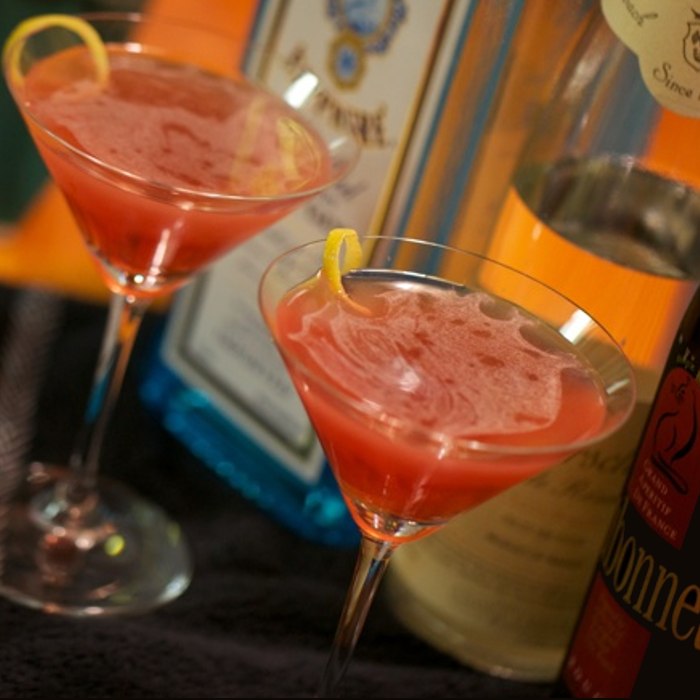
Blackthorn
The Blackthorn is a classic cocktail that combines the rich flavors of gin and sweet vermouth, enhanced by a splash of orange bitters. Often garnished with a twist of lemon or an orange peel, this drink offers a balanced blend of herbal and citrus notes, making it a sophisticated choice for any occasion. Its deep, alluring color and smooth finish make it a timeless favorite among cocktail enthusiasts.
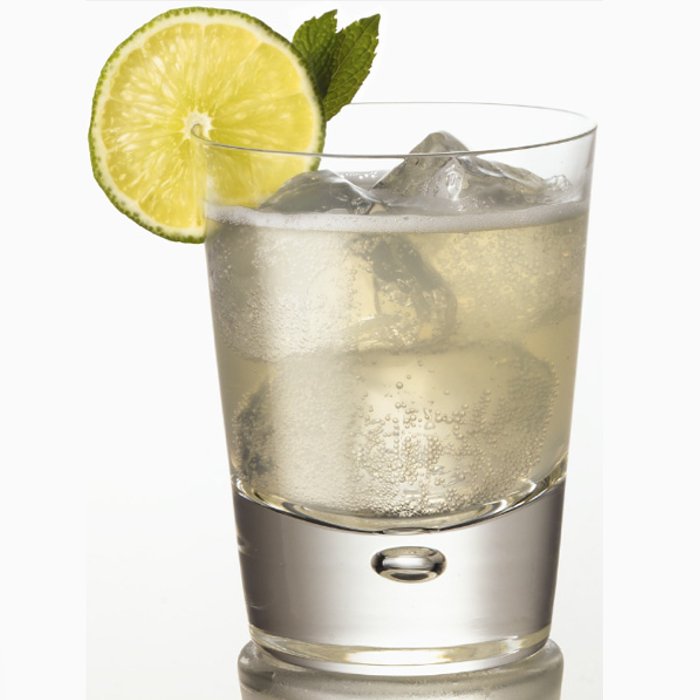
Rail Splitter
The Rail Splitter is a refreshing cocktail that combines the bold flavors of bourbon with the zesty notes of ginger beer and fresh lime juice. This invigorating drink is typically garnished with a lime wedge, making it a perfect choice for those seeking a spirited yet crisp beverage. Its harmonious blend of sweetness and spice captures the essence of classic American mixology.
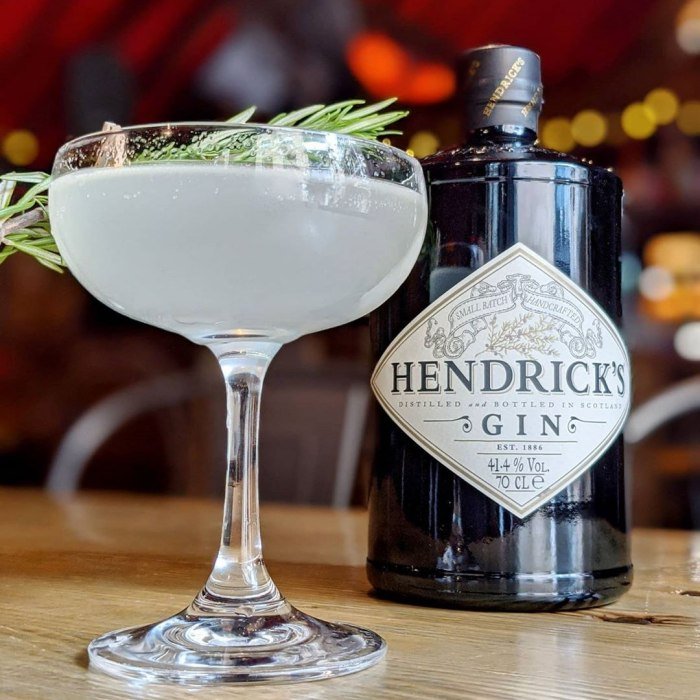
The Philosopher
The Philosopher is a thought-provoking cocktail that blends the complexities of life in a glass, featuring a harmonious mix of gin, elderflower liqueur, fresh lemon juice, and a hint of herbal bitters. Garnished with a sprig of rosemary, this refreshing drink invites contemplation and conversation, making it the perfect companion for deep discussions or a quiet evening of introspection. Sip slowly and ponder the mysteries of existence with each delightful taste.
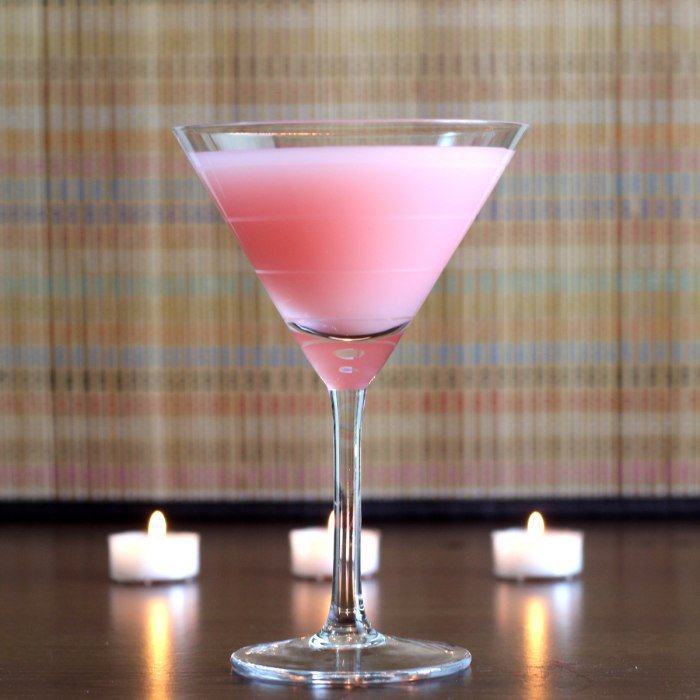
Ace
The Ace cocktail is a refreshing blend of gin, elderflower liqueur, and fresh lemon juice, creating a vibrant and zesty flavor profile. Garnished with a sprig of mint and a twist of lemon peel, it offers a delightful balance of sweetness and tartness, making it the perfect drink for any occasion. Enjoy it chilled to elevate your spirits!
Other aperitif Cocktails

Similar Flavor Profiles
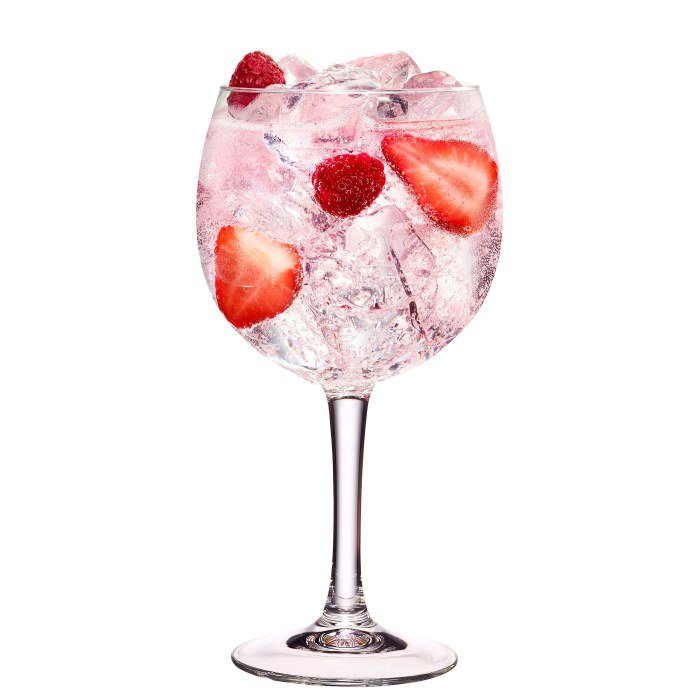
Pink Gin
Pink Gin is a refreshing cocktail that combines gin with a splash of aromatic bitters, giving it a distinctive pink hue. Traditionally served chilled and garnished with a lemon twist or a cherry, this drink offers a delightful balance of herbal notes and a hint of sweetness, making it a sophisticated choice for gin lovers. Its origins can be traced back to the British Navy, where it was originally used as a remedy for seasickness.
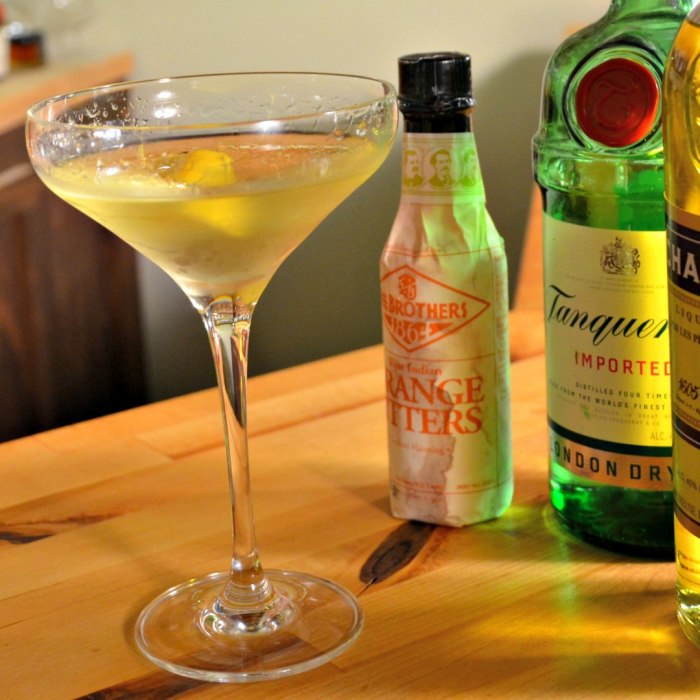
Alaska Cocktail
The Alaska Cocktail is a sophisticated mix of gin, yellow Chartreuse, and orange bitters, creating a refreshing and aromatic drink with a hint of herbal complexity. Served chilled in a coupe glass, it is garnished with a lemon twist, offering a delightful balance of flavors that evoke the pristine beauty of its namesake. Perfect for those seeking a unique and elegant cocktail experience.
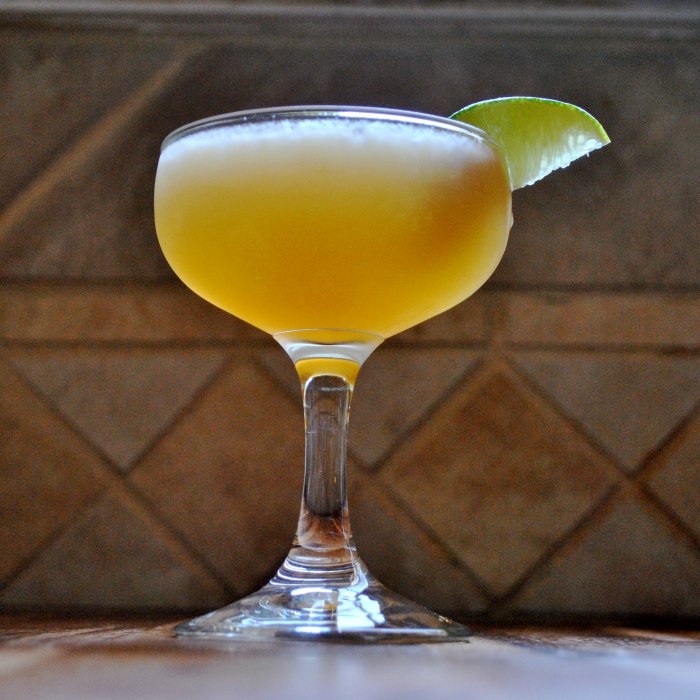
After Dinner Cocktail
The After Dinner Cocktail is a sophisticated blend designed to delight the palate after a meal. Typically featuring rich flavors from ingredients like coffee liqueur, whiskey, and a hint of bitters, this cocktail offers a warming and indulgent finish to any dining experience. Garnished with a twist of citrus or a coffee bean, it’s the perfect way to unwind and savor the evening.
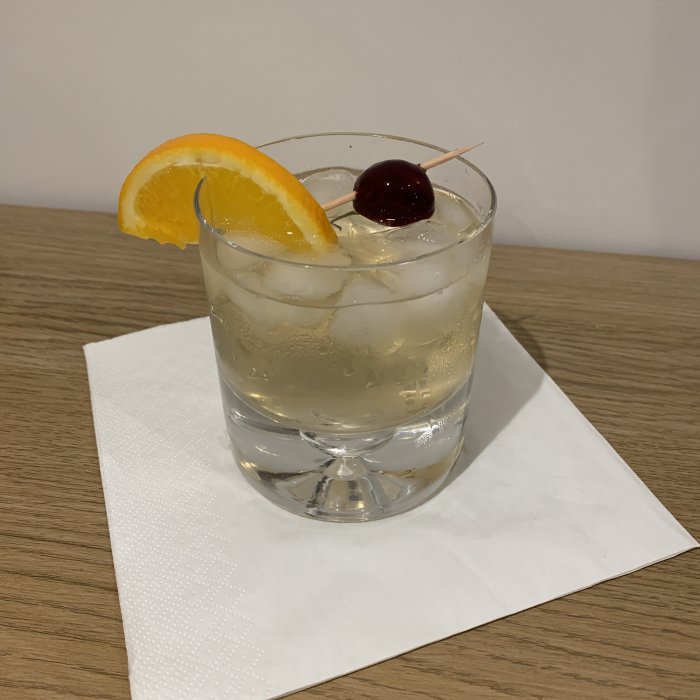
Classic Old-Fashioned
The Classic Old-Fashioned is a timeless cocktail that embodies sophistication with its simple yet rich flavors. Made with a blend of bourbon or rye whiskey, sugar, Angostura bitters, and a twist of citrus, it is served over ice and garnished with an orange slice or cherry, creating a perfect balance of sweetness and warmth. This drink is a favorite for those who appreciate the art of mixology and the elegance of traditional cocktails.
Advertisement