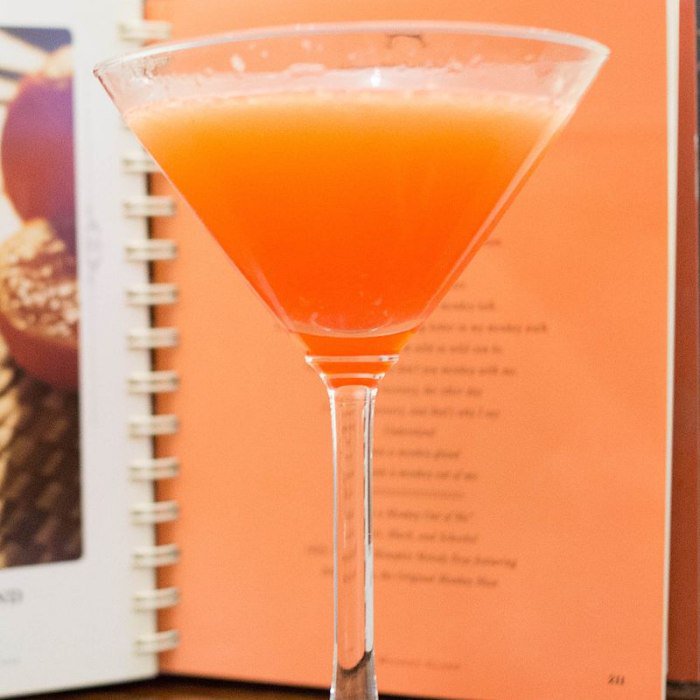
Ordinary Drink
Monkey Gland
The Monkey Gland is a classic cocktail that combines gin and orange juice with a splash of grenadine and a few drops of absinthe or orange bitters, creating a vibrant and fruity concoction. Its unique name and colorful appearance make it a playful choice for adventurous drinkers, while the balance of sweetness and herbal notes adds depth to its flavor profile. Often garnished with an orange slice or cherry, the Monkey Gland is a delightful nod to the roaring twenties.
- fruity
- tart
- aromatic
- slightly sweet
- Prep Time
- 5 min
- Glass
- Cocktail glass
- Difficulty
- Easy
- Yields
- 1 serving
At its core, the Monkey Gland is a gin-forward ordinary drink that takes about 5 minutes to make. The result is fruity and tart — worth every second. Consistently one of the most popular speakeasy searches, and for good reason.
Advertisement
Ingredients
- Serves
- 1 serving
- Glass
- Cocktail glass
- Prep
- 5 min
- 2 ozGin
- 1 tspBenedictine
- 1/2 ozOrange juice
- 1 tspGrenadine
Method
Preparation
- 01
Shake well over ice cubes in a shaker, strain into a chilled cocktail glass.
Origin
History & Origins
Created by Harry MacElhone at Harry's New York Bar in Paris during the 1920s, the Monkey Gland emerged during the height of the Jazz Age and reflects the period's fascination with exotic ingredients and bold flavor combinations. The name, inspired by 1920s scientific fascination with rejuvenation, captures the era's playful irreverence and cocktail culture's embrace of theatrical nomenclature. This gin-based sour became a staple of sophisticated Parisian nightlife.
Advertisement
Bartender’s Insight
Pro Tips
Use a premium London Dry gin to ensure the juniper doesn't overpower the delicate citrus notes
From Elena
Always use fresh orange juice, preferably from blood oranges for deeper color and complexity
Add absinthe as a rinse or float on top to preserve its distinctive anise character
Chill the glass thoroughly and stir the spirit base before adding juice to prevent separation.
At the Table
Perfect Pairings
Beyond the Classic
Variations
Monkey Gland #2
Substitutes cognac for gin to create a richer, more rounded profile with dried fruit notes that complement the grenadine
Monk's Gland
Uses white creme de menthe instead of absinthe for a sweeter, mint-forward variation popular in tropical bars
Parisian Gland
Replaces grenadine with fresh pomegranate juice and adds a splash of champagne for a lighter, more elegant aperitif version.
Questions
Frequently Asked
- The Monkey Gland has a flavor profile that is fruity, tart, aromatic, slightly sweet. It is crafted to balance these characteristics into a harmonious, satisfying drink that appeals to a wide range of palates.
- The Monkey Gland is ideal for themed parties, cocktail nights, retro events. Its flavor profile and presentation make it a versatile choice that works equally well as a social cocktail or a relaxed evening drink.
- Yes, there are several ways to adapt a Monkey Gland. If you cannot source Gin, look for a similar alternative that matches its flavor profile. Keep in mind that substitutions may alter the balance of the cocktail, so start with a smaller quantity and adjust to taste. The variations section above lists popular alternatives bartenders use.
- Some of the most popular Monkey Gland variations include Monkey Gland #2, Monk's Gland, Parisian Gland. Each variation puts a unique twist on the original recipe while retaining the essential character of the classic cocktail.
- The Monkey Gland is traditionally served in a Cocktail glass. Using the right glassware is important because it affects the aroma, temperature retention, and overall drinking experience. If you do not have a Cocktail glass on hand, a similar shaped glass will work.
- Yes, a mocktail version of the Monkey Gland is possible. Replace the base spirit with a non-alcoholic spirit alternative (there are many quality options available) and keep all other components the same. The result will capture much of the original's flavor profile while being suitable for guests who prefer alcohol-free options.
Other Gin Cocktails
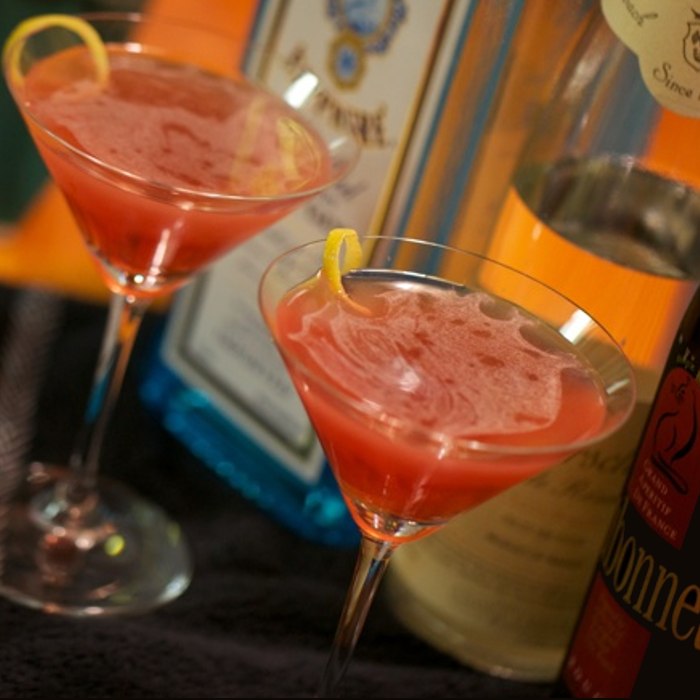
Blackthorn
The Blackthorn is a classic cocktail that combines the rich flavors of gin and sweet vermouth, enhanced by a splash of orange bitters. Often garnished with a twist of lemon or an orange peel, this drink offers a balanced blend of herbal and citrus notes, making it a sophisticated choice for any occasion. Its deep, alluring color and smooth finish make it a timeless favorite among cocktail enthusiasts.
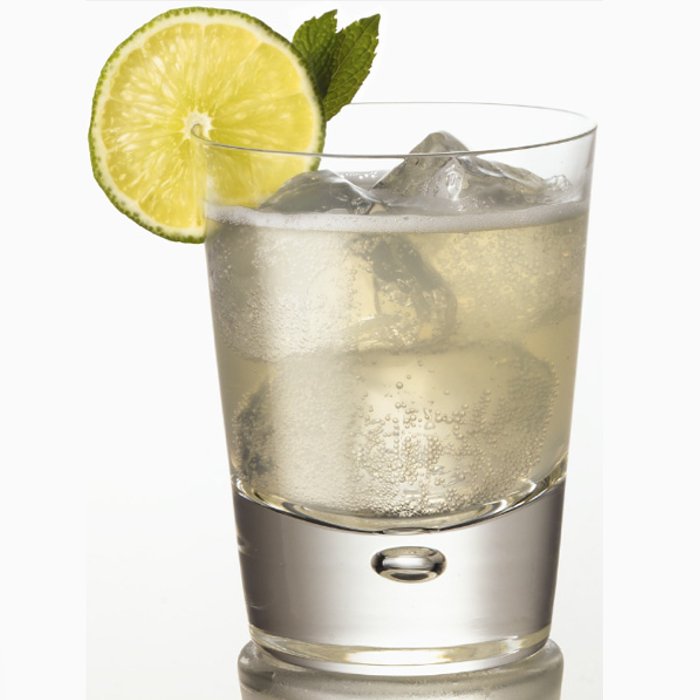
Rail Splitter
The Rail Splitter is a refreshing cocktail that combines the bold flavors of bourbon with the zesty notes of ginger beer and fresh lime juice. This invigorating drink is typically garnished with a lime wedge, making it a perfect choice for those seeking a spirited yet crisp beverage. Its harmonious blend of sweetness and spice captures the essence of classic American mixology.
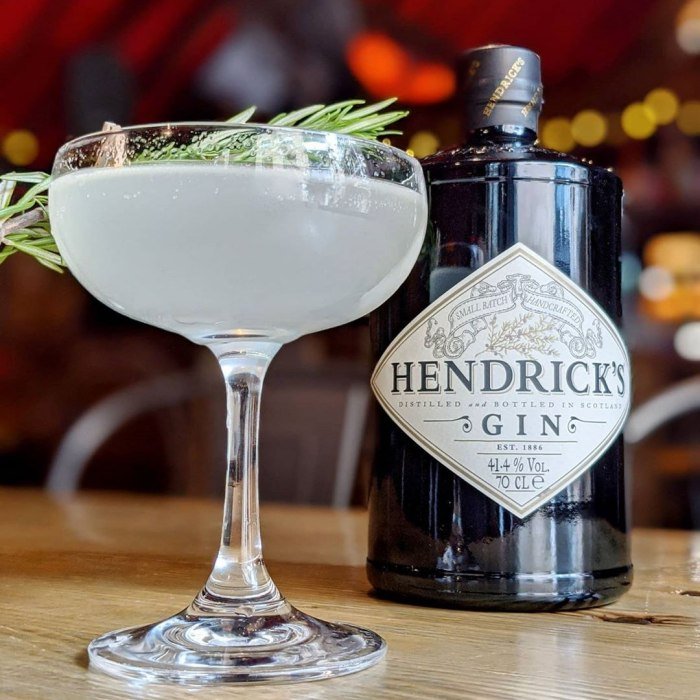
The Philosopher
The Philosopher is a thought-provoking cocktail that blends the complexities of life in a glass, featuring a harmonious mix of gin, elderflower liqueur, fresh lemon juice, and a hint of herbal bitters. Garnished with a sprig of rosemary, this refreshing drink invites contemplation and conversation, making it the perfect companion for deep discussions or a quiet evening of introspection. Sip slowly and ponder the mysteries of existence with each delightful taste.
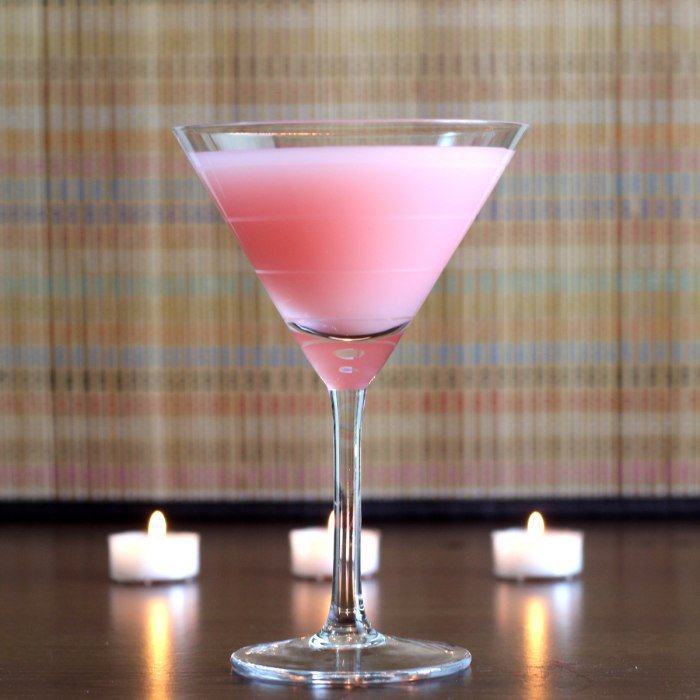
Ace
The Ace cocktail is a refreshing blend of gin, elderflower liqueur, and fresh lemon juice, creating a vibrant and zesty flavor profile. Garnished with a sprig of mint and a twist of lemon peel, it offers a delightful balance of sweetness and tartness, making it the perfect drink for any occasion. Enjoy it chilled to elevate your spirits!
Other themed parties Cocktails
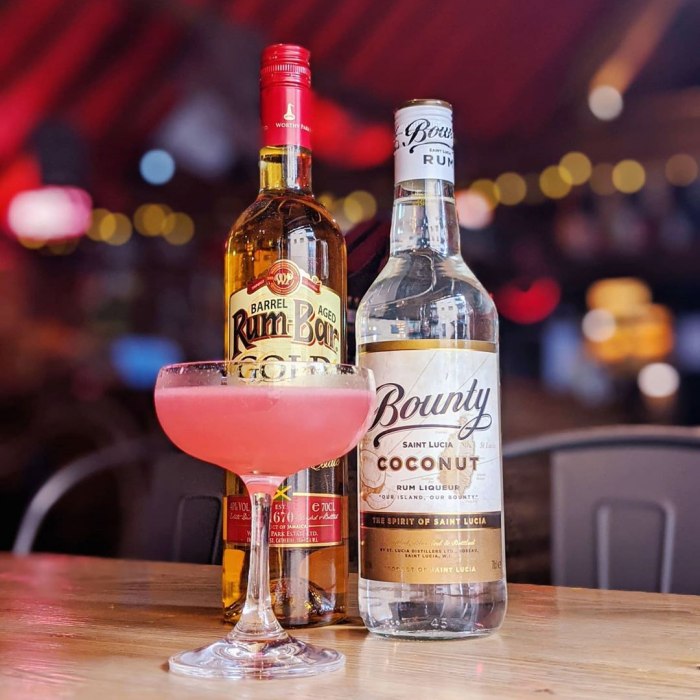
Bounty Hunter
The Bounty Hunter is a tropical cocktail that captures the essence of adventure with its vibrant blend of rum, coconut cream, and pineapple juice, complemented by a hint of lime. Served over crushed ice and garnished with a slice of fresh pineapple or a cherry, this refreshing drink transports you to a sun-soaked beach, making it the perfect escape for any occasion.
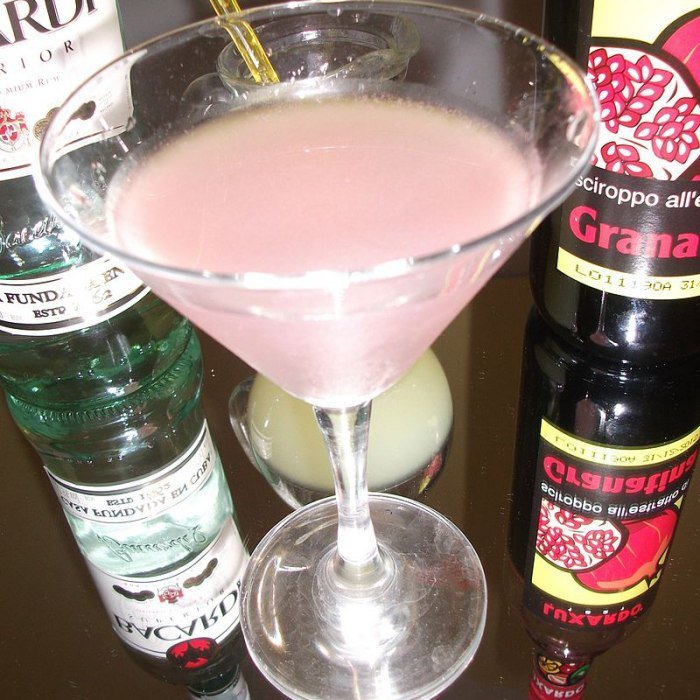
Bacardi Cocktail
The Bacardi Cocktail is a refreshing and vibrant mix that showcases the smoothness of Bacardi rum, complemented by fresh lime juice and a touch of grenadine for a hint of sweetness. Served chilled in a classic cocktail glass, this drink is perfect for those seeking a tropical escape with a balanced flavor profile. Its bright red hue and zesty notes make it a delightful choice for any occasion.
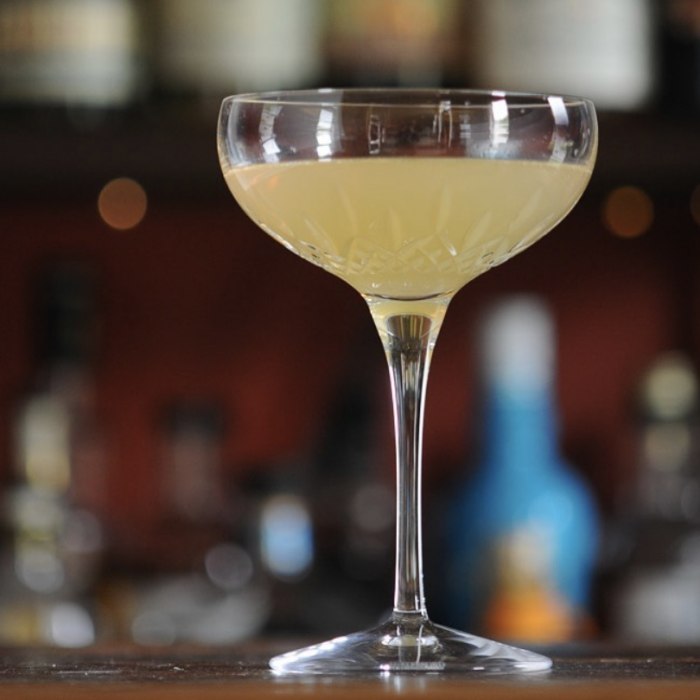
Death in the Afternoon
Death in the Afternoon is a classic cocktail that combines the elegance of champagne with the boldness of absinthe. Traditionally served in a champagne flute, this drink offers a refreshing and slightly herbal flavor profile, making it a sophisticated choice for those seeking a unique twist on bubbly. Its intriguing name and rich history, often associated with Ernest Hemingway, add to its allure.
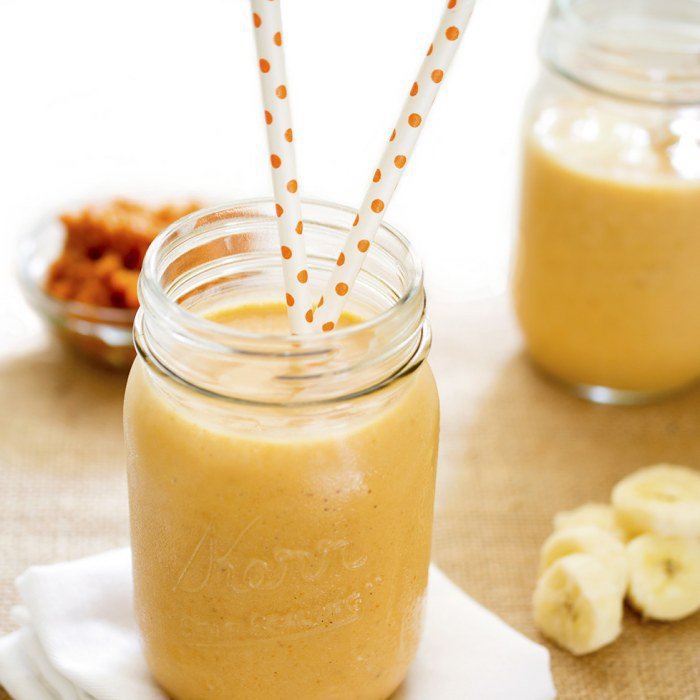
Sweet Bananas
The Sweet Bananas cocktail is a delightful blend of ripe banana puree, creamy coconut milk, and a splash of rum, creating a tropical escape in every sip. Topped with a hint of vanilla and garnished with a slice of fresh banana, this refreshing drink is perfect for warm evenings and sunny gatherings. Indulge in its smooth, sweet flavor that transports you straight to a beach paradise.
Similar Flavor Profiles
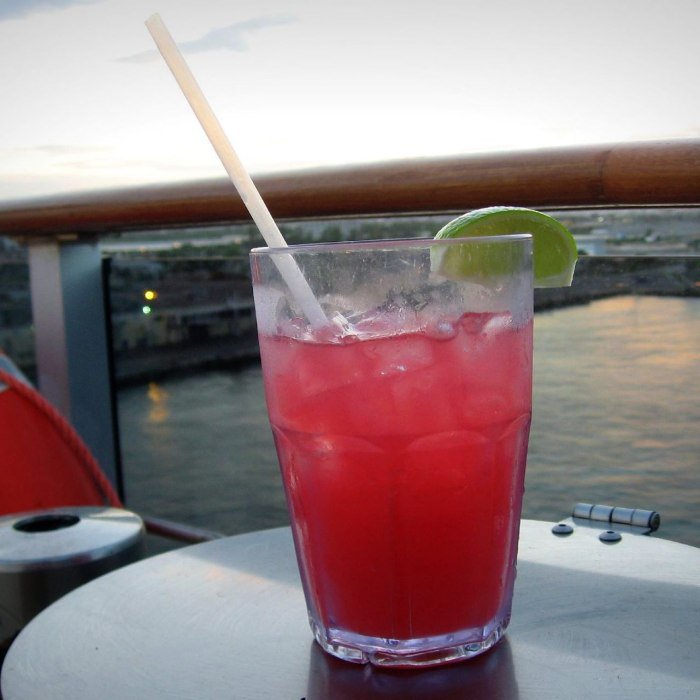
Sea breeze
The Sea Breeze is a refreshing cocktail that combines vodka, cranberry juice, and grapefruit juice, creating a perfect balance of sweet and tart flavors. Served over ice and garnished with a lime wedge, this vibrant drink is ideal for warm weather and beachside relaxation. Its light and invigorating profile makes it a popular choice for those seeking a crisp and fruity escape.
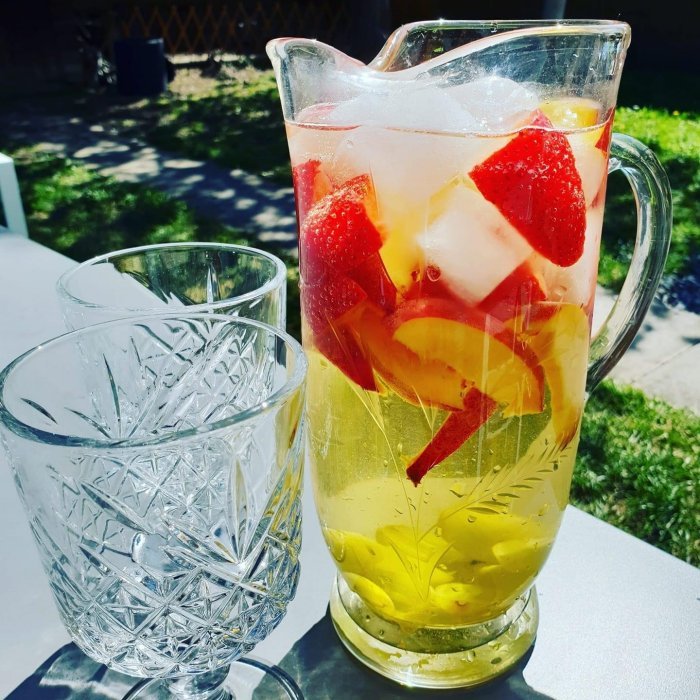
White Wine Sangria
White Wine Sangria is a refreshing and vibrant cocktail that combines crisp white wine with a medley of fresh fruits, such as citrus, berries, and apples. Often enhanced with a splash of soda or fruit juice, this delightful drink is perfect for warm weather gatherings, offering a light and fruity flavor profile that is both invigorating and easy to sip. Serve it over ice for a refreshing twist on a classic favorite.
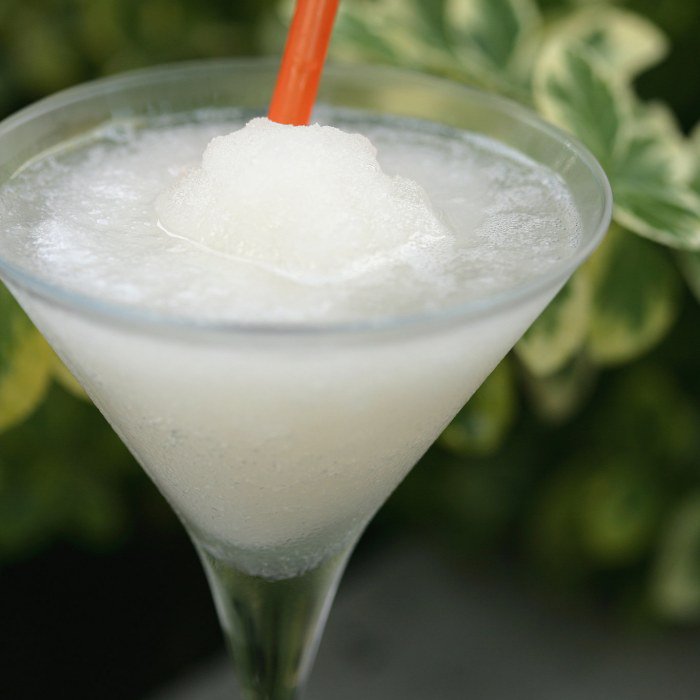
Frozen Daiquiri
The Frozen Daiquiri is a refreshing and vibrant cocktail that blends rum, fresh lime juice, and simple syrup with crushed ice, creating a slushy texture perfect for warm weather. Often garnished with a lime wheel or cherry, this tropical drink offers a delightful balance of sweetness and tartness, making it a popular choice for beachside sipping or summer gatherings. Enjoy its icy allure as you unwind and savor the flavors of the tropics!
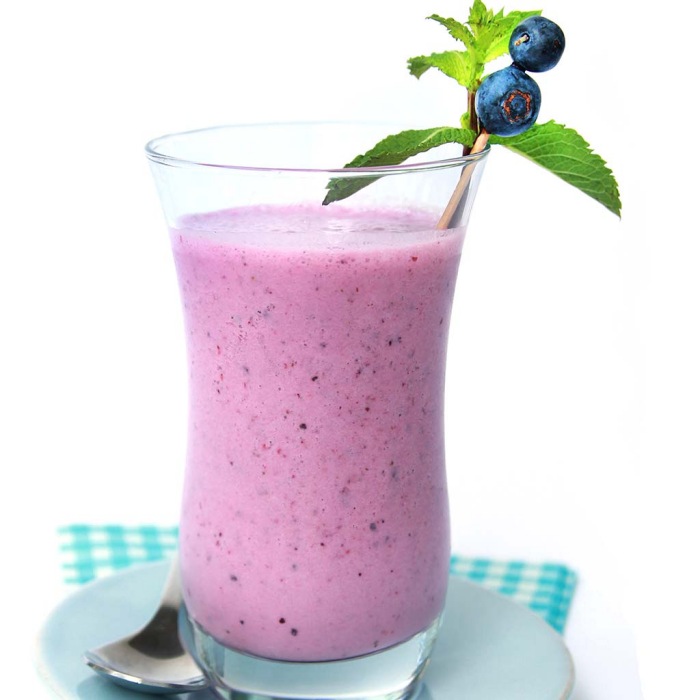
Apple Berry Smoothie
The Apple Berry Smoothie is a refreshing blend of crisp apple juice and a medley of juicy berries, creating a vibrant and fruity drink that's perfect for any occasion. With its creamy texture and natural sweetness, this cocktail is both invigorating and satisfying, making it an ideal choice for a warm day or a festive gathering. Enjoy it chilled for a delightful burst of flavor!
Advertisement